
Selecting the right Babolat Wimbledon bag size depends on balancing your actual racket count with the extra gear you need to carry onto the court. While these bags are categorized by the maximum number of rackets they can hold—typically ranging from three to twelve—the actual space you require depends heavily on your playing habits, local climate demands, and personal gear setup. For most recreational players carrying one or two rackets along with basic accessories, a smaller, highly mobile bag is ideal. However, if you play frequently in tropical conditions where extra apparel, hydration, and court shoes are essential, a mid-sized or large bag offers the necessary separation and protection. By evaluating your daily gear loadout and understanding how racket capacity ratings translate to real-world storage, you can find a bag that supports your game without adding unnecessary bulk.
Understanding Babolat Wimbledon Bag Capacities
Tennis bags in the Babolat Wimbledon collection are traditionally designated by racket capacity numbers, such as “3-pack,” “6-pack,” or “12-pack.” These numbers represent the absolute maximum number of standard-sized rackets that can physically fit into the primary compartments when packed tightly together without covers. For everyday players, however, these ratings do not mean you should buy a bag that exactly matches your racket count. Instead, they serve as a general indicator of the bag’s overall volume and physical dimensions.
A dedicated racket compartment is specifically shaped to accommodate the unique silhouette of a tennis frame. In a standard bag, these compartments are designed to keep rackets secure and prevent them from scraping against one another. However, if you fill every designated racket slot to its absolute limit, you will have virtually no room left for other essentials like tennis balls, towels, or extra grips. This is why understanding the distinction between dedicated racket storage and general utility space is crucial before making a purchase.
Products mentioned in this guide
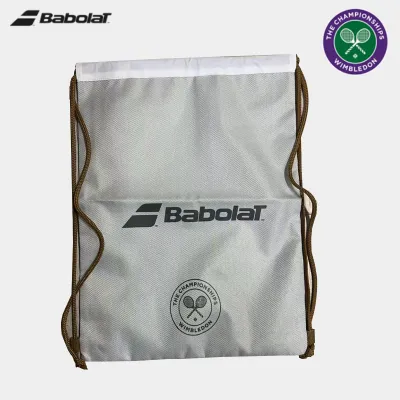
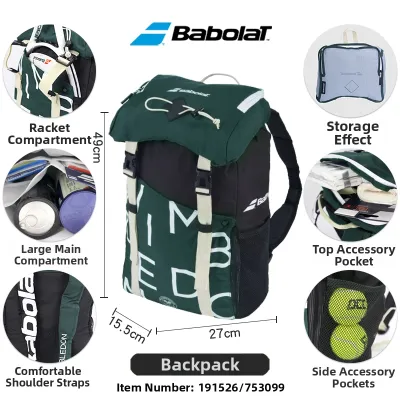
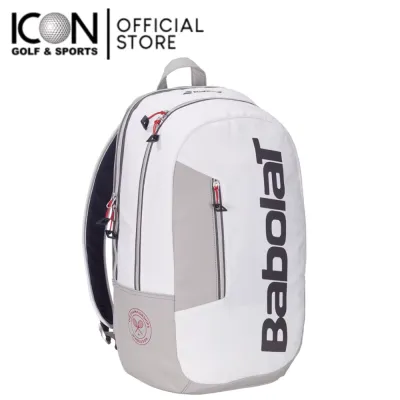
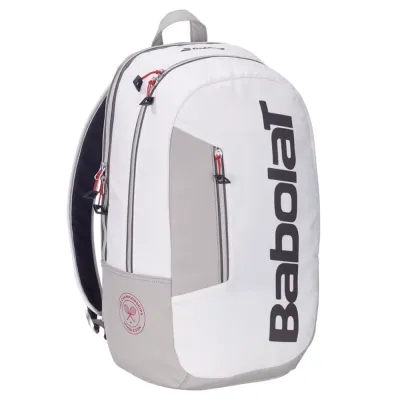
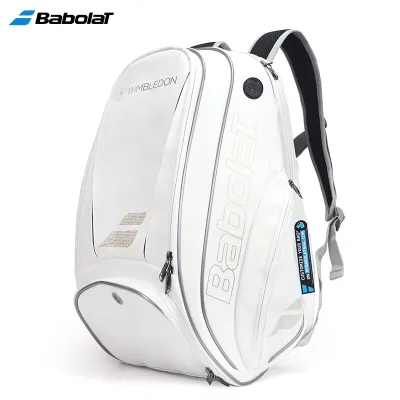
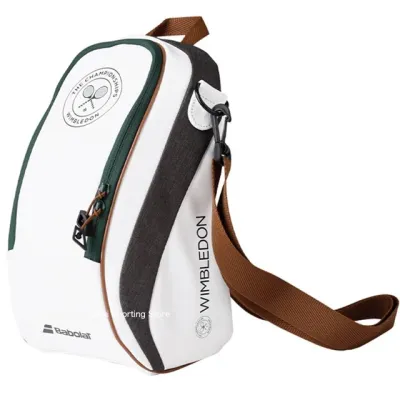
Prices are valid at publication and may change. Please refer to the product page for the latest price.
The actual usable space inside these compartments is highly variable and depends on your specific equipment specifications. For instance, rackets with oversized head shapes (such as 105 square inches or larger) naturally occupy more lateral space than standard 98- or 100-square-inch frames. Similarly, thick replacement grips, overgrips, and bulky vibration dampeners can prevent rackets from nesting neatly together. When rackets cannot be nested efficiently, the physical capacity of the compartment decreases, meaning a nominal “6-pack” bag might only comfortably hold four rackets alongside your other gear.
Furthermore, the overall volume of the bag dictates how it carries its weight. A larger capacity bag naturally features wider dimensions and a higher profile, which can affect how it sits on your back or shoulder. When selecting a size, you must look beyond the simple number on the label and consider the physical footprint of the bag, ensuring it fits comfortably in your vehicle, storage locker, or on the court bench.
Matching Bag Size to Your Racket Count and Gear
To choose the ideal bag size, you must match the storage volume to your typical playing routine and the specific items you bring to the court. Casual players who head to the court once or twice a week generally travel light. If you only carry one or two rackets, a can of balls, a water bottle, and your keys, a compact bag or a tennis backpack is often the most practical choice. These smaller options prioritize lightweight mobility, making them easy to carry on a motorcycle, in a compact car, or on public transit. They keep your essential gear organized without the burden of empty, sagging compartments.

Frequent club players and competitive league participants usually require a mid-sized bag, typically in the six-pack range. Playing multiple times a week, especially in warm and humid climates like the Philippines, demands extra preparation. You will likely need to carry at least two or three rackets to ensure you have a backup in case a string breaks mid-match. Additionally, a mid-sized bag provides dedicated space for a change of clothes, a towel, wristbands, and a pair of court shoes. Keeping these items separate from your rackets is essential for maintaining hygiene and protecting your frames from moisture.
For tournament players, coaches, and those who travel extensively for matches, maximum-capacity bags like the twelve-pack models are the standard. These large bags are designed for players who carry four or more rackets and need to be prepared for long days at the court. They offer ample room for multiple changes of apparel, extensive medical kits, extra strings, training aids, and large hydration flasks. Coaches also benefit from this size tier, as it allows them to transport demo rackets, targets, and teaching equipment in a single, organized gear bag.
However, choosing a larger bag comes with a clear trade-off between storage capacity and physical comfort. A fully loaded twelve-pack bag can become exceptionally heavy, putting strain on your shoulders and back during transport. Ergonomics play a vital role here; larger bags require robust, well-padded carrying systems to distribute the weight evenly. If you do not genuinely need to carry a vast array of gear, opting for a smaller, lighter bag will save you physical energy and make your trips to and from the court much more comfortable.
Key Features to Verify Before You Buy
Before finalizing your choice of a Babolat Wimbledon bag, there are several critical physical and functional features you should inspect to ensure the bag performs well in your local environment. In tropical regions, extreme heat and high humidity are constant challenges for tennis equipment. High temperatures can cause tennis strings to lose tension rapidly and can even compromise the structural integrity of graphite frames over time. Therefore, you should verify if the bag features thermal-lined compartments. These specialized compartments use insulating materials to shield your rackets from external temperature fluctuations, helping to preserve your string tension and frame playability.
The carrying system is another essential element to evaluate. Look closely at the strap design, padding thickness, and adjustability. Mid-sized and large bags should ideally feature dual backpack straps with ergonomic padding that conforms to your shoulders. Some models offer adjustable chest straps or load-lifter straps to help stabilize the bag while walking. If you prefer a quick grab-and-go style, ensure the bag has comfortable, reinforced grab handles on both the top and ends, allowing for easy lifting out of car trunks or off the ground.
Effective separation of wet and dry gear is crucial for maintaining the longevity of your bag and equipment. Look for bags that include a dedicated, ventilated shoe compartment. This feature keeps dirty court shoes separate from your clean apparel and rackets, preventing clay, hard-court grit, and odors from spreading. External accessory pockets are also highly valuable for organizing smaller items like dampeners, overgrips, keys, and phones, ensuring you do not have to rummage through the main compartments to find them.
Finally, always review the manufacturer’s official specifications for the exact exterior dimensions and empty weight of the bag. Comparing these measurements to your physical stature and transport limitations is a practical step that prevents post-purchase regret. A bag that is too long may be awkward to carry if you have a smaller frame, while an excessively heavy empty weight will only add to your physical fatigue once the bag is fully loaded with rackets and gear.
How to Choose: A Decision Framework
To simplify your decision, you can use a straightforward framework based on your racket count and storage priorities. If you carry one to two rackets and value lightweight mobility above all else, select a smaller bag or backpack. This choice keeps your footprint minimal and is perfect for quick, casual sessions where extra gear is not required.
If you carry two to four rackets and need dedicated space for court shoes, a towel, and a change of clothes, a mid-sized bag is your best option. This size provides the ideal balance of storage and portability, ensuring your wet gear remains separated from your rackets without making the bag overly cumbersome to carry.
If you carry five or more rackets, travel frequently for tournaments, or share a bag with a family member or playing partner, choose a large-capacity bag. This ensures you have ample space for multiple frames, backup gear, and extensive accessories, though you must be prepared for the added weight and larger physical size.
Before purchasing, always verify your specific racket dimensions. If you play with extended-length rackets or oversized head shapes, these frames will occupy more space than standard models. In such cases, it is wise to choose one size tier larger than your racket count would otherwise suggest, ensuring your equipment fits comfortably without straining the zippers.
Frequently Asked Questions (FAQ)
Can I fit oversized rackets in a standard capacity Babolat Wimbledon bag?
Yes, you can fit oversized rackets in these bags, but they will occupy more physical space than standard-sized frames. Stated capacity ratings are typically based on standard racket dimensions, so carrying multiple oversized or extended-length rackets may reduce the total number of frames you can comfortably fit. It is highly recommended to check the internal compartment dimensions and test the fit of your specific rackets to ensure the zippers close smoothly without putting pressure on the frames.
How should I clean and maintain my tennis bag to ensure longevity?
To maintain your bag, empty it completely after every session, especially in humid climates where sweat and moisture can accumulate. Wipe the interior and exterior surfaces with a soft, damp cloth to remove dirt, sweat, and court dust. Always allow the bag to air-dry completely in a shaded, well-ventilated area before storing it away; avoid direct sunlight, as prolonged exposure to intense heat can damage the synthetic fabrics and thermal linings. Always check the manufacturer’s care label for any specific spot-cleaning instructions.
Community discussion
Share your experience or ask a question. Comments are reviewed before publication.