
Finding the right basketball ankle brace is a balancing act between protecting your joints and maintaining the explosive mobility required on the court. Basketball is a sport defined by rapid lateral cuts, sudden acceleration, and frequent jumping in crowded areas under the basket. These movements place immense stress on the ankle joint, making ankle sprains one of the most common injuries among players of all skill levels. Because every player has a unique injury history, playing style, and shoe preference, there is no single brace that works perfectly for everyone. Choosing the ideal option requires a clear understanding of how different designs balance mechanical support, range of motion, and comfort.
To make an informed decision, you must evaluate the three primary categories of braces available: sleeves, lace-ups, and rigid braces. Each type offers a distinct level of joint restriction and fits differently inside your basketball shoes. By matching the structural characteristics of these braces to your personal physical needs and on-court role, you can protect your ankles from painful rolls without unnecessarily compromising your performance.
Understanding the Three Main Types of Basketball Ankle Braces
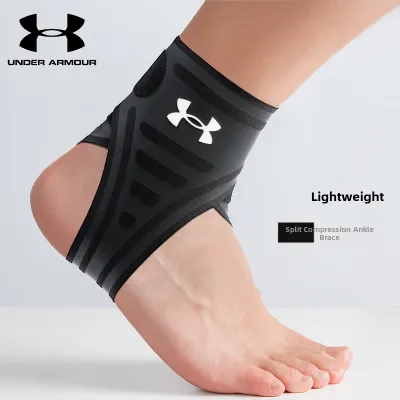
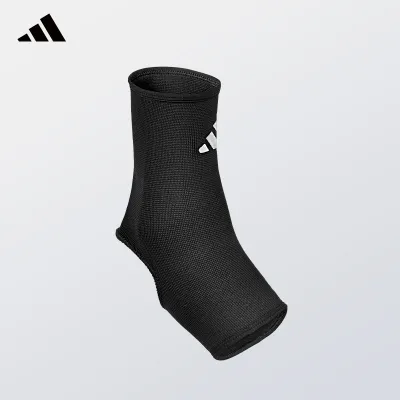
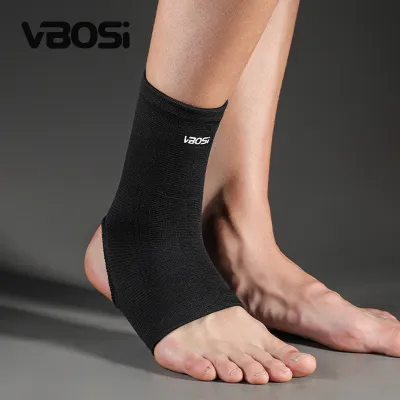
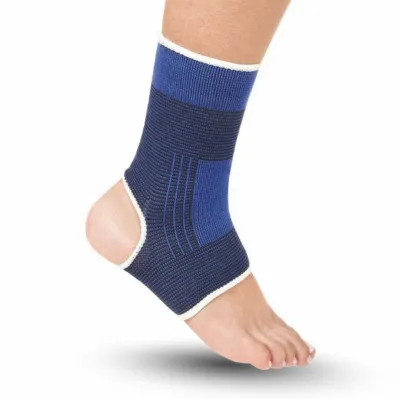
Ankle sleeves represent the most lightweight and flexible option on the market. Typically constructed from elastic knit fabrics or neoprene, these sleeves slip over the foot like a tight, reinforced sock. They do not feature rigid plastic inserts, metal stays, or complex strapping systems. Instead, their primary function is to provide uniform compression around the entire ankle joint. This compression helps manage mild swelling, keeps the surrounding muscles and tendons warm, and enhances proprioception—the body’s natural ability to sense joint position and movement. Because they lack mechanical structures, sleeves offer minimal physical resistance against sudden, violent ankle rolls.
Products mentioned in this guide
![[HOT]1PCS Ankle Brace Support Sports Ankle Protector Compression Ankle Support Adjustable Ankle Guard Ankle Pain Supports Elastic Guard Injury Recovery for Sports Running Basketball](https://img.lazcdn.com/g/p/d79e3d51d48a3c47c7a56d921c32dd61.jpg_400x400q80.jpg_.webp)
Prices are valid at publication and may change. Please refer to the product page for the latest price.
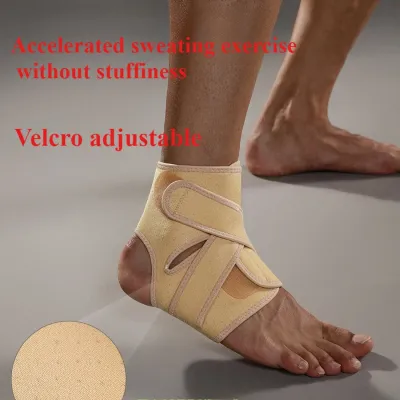
Lace-up braces are designed to mimic the supportive feel of a professional athletic tape job. Made from durable, non-stretch fabrics such as heavy-duty nylon or canvas, these braces feature a front lacing system that allows you to adjust the tightness from the top of the ankle down to the midfoot. Most modern lace-up models also incorporate figure-eight velcro straps that wrap around the heel and under the arch, securing the joint in a neutral position. This combination of laces and straps provides moderate to high mechanical support, making it highly effective at limiting excessive side-to-side movement while still allowing comfortable forward and backward bending.
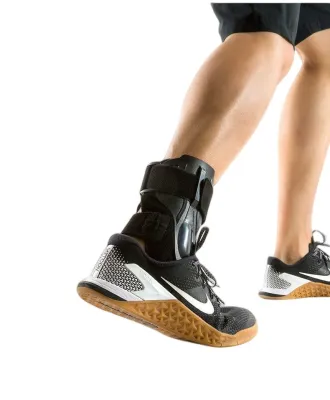
Rigid braces offer the highest level of physical joint stabilization. These braces feature hard plastic or composite guards, often referred to as stays, that run vertically along the inner and outer sides of the ankle. These rigid components are secured firmly to the lower leg and foot using thick, heavy-duty velcro straps. Some rigid braces utilize a hinged design near the ankle joint, which allows the foot to flex naturally up and down while completely blocking the lateral rolling movements that cause inversion sprains. This category is engineered specifically to provide maximum mechanical restriction, making it the standard choice for severe instability or post-injury rehabilitation.
Comparing Support, Mobility, and Shoe Fit
The relationship between joint support and mobility is a direct trade-off that every basketball player must navigate. A rigid brace provides exceptional protection against lateral rolls, but this extreme restriction can make you feel stiff and slightly slower when executing quick crossovers or sprinting down the court. Conversely, an ankle sleeve allows your joint to move through its full, natural range of motion, which is excellent for maintaining agility but offers virtually no physical barrier if you land awkwardly on an opponent’s foot. Lace-up braces sit comfortably in the middle of this spectrum, offering a highly customizable balance where you can tighten the laces for maximum stability during high-stakes games or loosen them slightly for lighter training sessions.

Fitting an ankle brace inside a modern basketball shoe is another critical consideration that can impact your comfort and performance. Rigid braces are inherently bulky and add significant width to the heel and midfoot areas. This added volume often requires you to loosen your shoe laces completely, and in some cases, you may need to wear a shoe that is a half-size larger to accommodate the brace without causing painful pressure points. Lace-up braces are slightly lower in profile than rigid models, but they still add noticeable thickness around the instep and heel, which can stretch out the collar of low-top shoes or feel excessively tight inside stiff high-tops. Sleeves, being thin and fabric-based, fit easily into any standard basketball shoe without altering your normal shoe size or causing discomfort.
Comfort during high-intensity play is heavily influenced by the materials and design of your brace, especially when playing in hot and humid tropical conditions like those in the Philippines. Neoprene sleeves tend to trap body heat and sweat, which can lead to skin irritation, chafing, and a heavy, soggy feel by the end of a long game. Rigid braces with minimal foam padding allow better airflow around the foot but can rub uncomfortably against the skin if they are not worn with high-quality, moisture-wicking athletic socks. Lace-up braces made of heavy canvas can become saturated with sweat and feel heavy, making it important to look for models that incorporate breathable mesh panels or moisture-wicking fabrics to maintain comfort during intense, sweaty games on outdoor concrete courts.
Matching the Brace to Your Injury History and Play Style
Selecting the right basketball ankle brace requires a conditional decision framework based on your physical needs, injury background, and on-court role. If you have no history of major ankle injuries and are simply looking to manage minor stiffness, keep your joints warm, or boost your confidence on the court, an ankle sleeve is the ideal choice. This option is particularly popular among quick, agile guards who rely on explosive first steps and rapid changes of direction, as it provides the compression they desire without adding any mechanical weight or restricting their natural agility.
If you have a history of mild to moderate ankle sprains, suffer from chronic mild joint instability, or are transitioning back to full-contact play after a minor injury, a lace-up brace is generally the most suitable option. This type of brace is highly favored by forwards, wing players, and active rebounders who frequently jump and land in crowded areas under the basket, where the risk of stepping on another player’s foot is high. The adjustable figure-eight straps allow these players to dial in the exact level of lateral support they need to feel secure during physical play.
For players recovering from severe ligament tears, those with chronic, severe joint instability, or athletes following strict return-to-play protocols after a major injury, a rigid brace is highly recommended. This maximum-stabilization option is often preferred by centers and post players who operate heavily in the paint, where physical contact is constant and the risk of severe inversion injuries is elevated. The rigid side stays provide the physical barrier necessary to prevent the joint from giving way under heavy loads.
Before making a final purchase, always verify that your current basketball shoes can accommodate the added volume of your chosen brace. It is highly recommended to try on the brace while wearing your actual playing socks and basketball shoes. Walk, jog, and perform light lateral movements to check for any pinching, rubbing, or heel slippage. If the brace causes pain or prevents your shoe from securing properly, you may need to adjust the lacing pattern of your shoe, choose a lower-profile brace model, or consider upgrading to a shoe with a wider toe box or a more accommodating collar design.
Ensuring a Proper Fit and Maintaining Your Brace
To ensure your basketball ankle brace functions correctly and safely on the court, you must achieve a precise fit and maintain the integrity of the materials. When purchasing a brace, always follow the manufacturer’s specific measuring guides rather than guessing based on your standard shoe or apparel size. Most high-quality brands require you to measure your ankle circumference diagonally from the base of your heel to the top of your instep, or to match your precise shoe size to a dedicated sizing chart. An improperly sized brace will either fail to provide adequate support or cause severe discomfort during play.
When putting on your brace, check for proper tightness to ensure optimal safety and performance. The brace should feel secure enough to physically limit extreme lateral movement, but it must not be so tight that it restricts blood flow or pinches nerves. If you experience numbness, tingling, cold toes, or muscle cramping while wearing the brace, loosen the straps or laces immediately. A properly fitted brace should feel like a firm, supportive extension of your shoe, allowing you to play confidently without distracting pain.
Regular maintenance is essential to preserve the elasticity, strap adhesion, and hygiene of your ankle brace. Because basketball involves intense physical exertion, your brace will inevitably accumulate sweat, dirt, and bacteria, which can degrade the materials over time. Always inspect the brace for signs of wear, such as frayed laces, stretched-out straps, or cracked plastic stays, and replace it if its structural integrity is compromised. Clean the brace regularly according to the manufacturer’s label instructions; most fabric and lace-up models should be hand-washed in cool water with mild soap and air-dried away from direct heat or sunlight to prevent warping and maintain material strength.
Frequently Asked Questions (FAQ)
Do ankle braces weaken your ankle muscles over time?
There is a common concern among basketball players that wearing an ankle brace will cause the surrounding muscles to become lazy and weaken over time. While a brace does provide external mechanical support, athletic training consensus suggests that wearing a brace during high-risk activities like basketball does not automatically cause muscle atrophy, provided you maintain a proper strength routine. To prevent dependency, it is highly recommended to combine brace use with targeted ankle strengthening, mobility, and balance exercises—such as calf raises, single-leg balances, and resistance band work—as advised by a qualified healthcare professional or physical therapist.
Should I wear an ankle brace on both ankles or just the injured one?
The decision to wear an ankle brace on one or both ankles depends on your individual injury history, comfort preferences, and risk factors. If you are recovering from a specific injury on one side, bracing only that injured ankle is a standard and effective approach to targeted recovery. However, many basketball players choose to wear braces on both ankles for symmetrical support and preventative peace of mind, especially if they have a history of bilateral instability or play a highly physical style of basketball. If you choose to brace both ankles, ensure that both shoes can accommodate the added volume comfortably without altering your natural running gait.
Community discussion
Share your experience or ask a question. Comments are reviewed before publication.