
Selecting the right basketball for outdoor concrete courts requires prioritizing wear-resistant materials and deep-channel designs that can handle highly abrasive surfaces. In the Philippines, where neighborhood barangay courts are the heart of daily recreation, a basketball must endure intense tropical heat, high humidity, and rough, unpolished concrete. To maintain reliable handling and a consistent bounce under these demanding conditions, players should look for heavy-duty rubber or outdoor-rated composite leather covers specifically engineered to displace dust and resist surface shearing.
This guide details the essential material specifications, grip characteristics, and maintenance routines necessary to choose a basketball that survives the elements while delivering optimal performance on hard outdoor courts.
Why Concrete Courts Demand Specific Basketball Features
Unfinished concrete surfaces act like heavy-grit sandpaper on a basketball. Unlike polished indoor hardwood courts, which have a smooth protective finish and a degree of physical give, concrete is completely unyielding. Every dribble, pass, and rim contact scrapes the outer cover, rapidly wearing down the textured surface and compromising the ball’s structural integrity.
Products mentioned in this guide
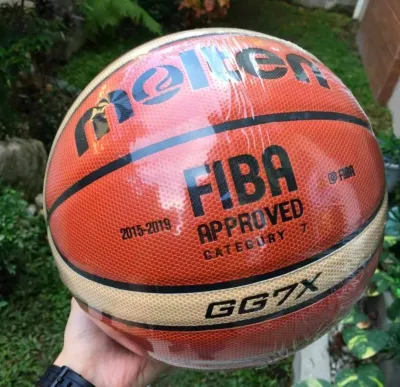
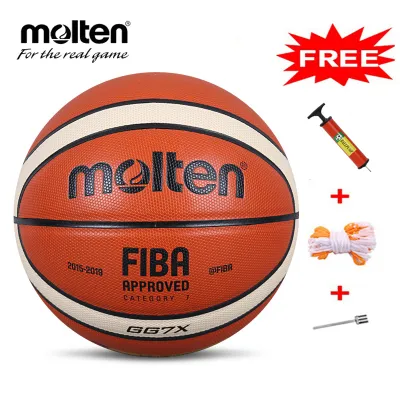
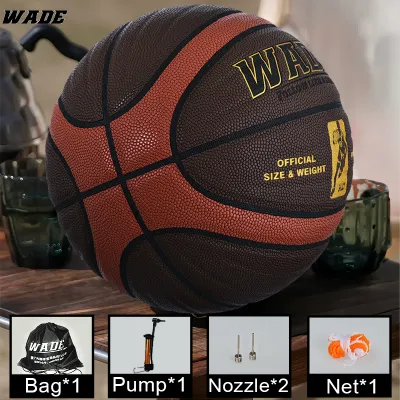
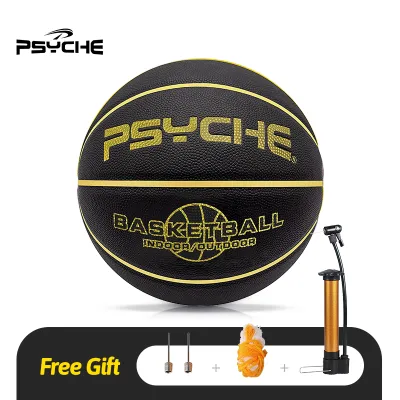
Prices are valid at publication and may change. Please refer to the product page for the latest price.
Outdoor courts are also highly susceptible to dust, fine sand, and environmental debris. This loose dirt quickly settles into the tiny crevices of the ball’s textured cover, creating a slick barrier between your hands and the ball. Without specific design features to displace this dust, players will experience a severe loss of traction, leading to fumbles, slipped passes, and inconsistent shooting releases.
Furthermore, tropical environmental exposure accelerates the degradation of standard basketball materials. Intense ultraviolet rays from the sun break down synthetic polymers, causing covers to dry out, crack, and lose their elasticity. High humidity and sudden tropical downpours can also seep into panel seams, weakening the adhesives and causing the cover to peel away from the inner bladder.
Key Materials to Look for in Outdoor Basketballs
Heavy-duty rubber is the most resilient and cost-effective material for raw concrete courts. Vulcanized rubber covers are highly resistant to deep abrasions, punctures, and moisture absorption. While rubber balls feel firmer and have a more pronounced bounce than leather, they offer unmatched longevity for daily street play and casual neighborhood games.

Outdoor-rated composite leather provides a middle ground for players seeking an indoor-like feel without sacrificing all durability. These covers are engineered with polyurethane or synthetic polymers designed to withstand rougher surfaces. When selecting composite leather, always verify the manufacturer’s “outdoor” or “indoor/outdoor” rating on the product label, as standard indoor composites will quickly tear on concrete.
Genuine leather and high-end indoor microfiber composites must be strictly avoided for outdoor play. Genuine leather requires a break-in period and easily absorbs moisture and dirt, which causes the material to warp, rot, and harden. Microfiber composites designed for indoor use lack the structural reinforcement needed to survive concrete friction, resulting in rapid balding and peeling after just a few sessions.
Evaluating Grip and Bounce on Rough Surfaces
Deep channel designs are critical for maintaining a reliable grip on dusty concrete courts. Wide, recessed seams between the cover panels act as natural escape routes for dust and dirt. When you grip the ball, the debris is displaced into these deep channels, allowing your fingers to make clean contact with the textured panels rather than sliding over a layer of fine dust.
Texture density, or pebble pattern, also determines how well a ball handles over time. Inspect the raised pebbles on the cover to ensure they are pronounced and closely spaced. High-density pebbling increases the surface area available for friction, providing a secure feel even when your hands are sweaty or the court surface is less than ideal.
Consistent bounce relies heavily on the quality of the internal bladder and winding construction. Look for basketballs featuring a butyl bladder reinforced with nylon or polyester windings. This internal structure helps the ball retain its roundness and air pressure despite repeated, high-impact collisions with unyielding concrete and steel rims.
Before purchasing a basketball at a local sporting goods store, perform a quick physical inspection. Run your fingers along the seams to check for uniform depth and secure bonding. Press firmly around the inflation valve to ensure it is flush with the cover, and check that there are no lifting edges or visible adhesive residue along the panel borders.
How to Inspect and Maintain Your Outdoor Basketball
Performing regular pre-game visual checks can prevent unexpected failures during play. Examine the ball for any signs of seam separation, lifting panel corners, or unusual bulging, which indicates a ruptured internal bladder. Check the overall surface for “bald” spots where the pebbling has worn completely smooth, as these areas will become highly slippery when exposed to sweat or dust.
Maintaining proper inflation pressure is vital to protect both the ball and your joints. Use a reliable pressure gauge and a hand pump to inflate the ball strictly within the manufacturer’s recommended range, which is typically printed directly around the inflation valve. Over-inflating a basketball on a hard concrete surface increases the risk of bladder deformation and creates an unpredictably harsh, jarring bounce.
To restore grip and remove abrasive concrete dust, clean the ball regularly using safe, non-chemical methods. Wipe the surface down after play with a soft microfiber cloth dampened with clean water. For stubborn dirt, use a mild soap solution, then rinse with a damp cloth. Avoid harsh chemical detergents, solvents, or stiff abrasive brushes, which can strip the protective coatings from composite leather and degrade rubber covers.
Always dry your basketball thoroughly in a shaded, well-ventilated indoor area. Never leave a wet or damp ball in direct tropical sunlight to dry, as extreme heat causes the air inside the bladder to expand rapidly, potentially warping the ball, while UV exposure degrades the outer adhesives and cover materials.
Building Your Outdoor Basketball Shortlist
When preparing to purchase, ensure you select the correct official size for your target players. Size 7 (29.5 inches) is the standard size for adult men’s play and most local competitive leagues. Size 6 (28.5 inches) is designed for women’s leagues and youth play, while Size 5 (27.5 inches) is suitable for younger children learning the basics of the game.
Verify the ball’s intended playing environment by carefully reading the packaging and retailer descriptions. Look for explicit designations such as “Outdoor,” “All-Court,” or “Street.” If a ball is labeled “Indoor/Outdoor,” understand that it represents a compromise; it will offer a softer feel but will wear out significantly faster on raw concrete than a dedicated, heavy-duty rubber outdoor ball.
Establish a realistic budget based on how often you play and the condition of your local court. Because concrete is highly abrasive, outdoor basketballs should be viewed as consumable items that will eventually need replacement. Basic rubber balls are highly economical, typically ranging from ₱500 to ₱1,200, and offer the longest lifespan on rough concrete. Mid-range outdoor composite balls generally cost between ₱1,500 and ₱3,500, offering superior feel and grip at the expense of a slightly shorter operational lifespan.
Frequently Asked Questions (FAQ)
Can I use an indoor basketball on a concrete court occasionally?
Using an indoor basketball on a concrete court is highly discouraged, even for a single casual session. The abrasive concrete will instantly scuff, scratch, and tear the delicate microfiber or genuine leather cover, permanently ruining its texture. Additionally, concrete dust will clog the fine pores of an indoor ball, making it permanently slick, while the hard impacts can warp the internal bladder.
How long should a good outdoor basketball last on concrete?
The lifespan of an outdoor basketball depends on the cover material and how frequently it is used. A heavy-duty rubber basketball played on a few times a week can maintain its grip and shape for six months to a year. An outdoor composite leather ball under the same playing frequency typically lasts three to six months. You should replace your ball when the pebbles wear flat, the seams begin to split, or it no longer holds a true, consistent bounce.
Community discussion
Share your experience or ask a question. Comments are reviewed before publication.