
The ideal bike inflator depends entirely on where you ride, how often you maintain your tires, and whether you prioritize rapid roadside recovery over effortless garage maintenance. A road cyclist tackling steep mountain climbs needs high pressure, while a mountain biker navigating muddy trails requires high volume. Choosing the wrong tool can leave you stranded on a remote provincial road or struggling with an incompatible valve during a sudden tropical downpour.
Most active cyclists eventually find that a single pump cannot handle every scenario. A robust setup typically combines a high-precision tool for pre-ride preparation at home with a lightweight, portable option carried on the frame or in a jersey pocket. By understanding the mechanical differences between floor pumps, mini pumps, CO2 inflators, and electric pumps, you can select the exact combination that matches your riding style and budget.
In tropical climates like the Philippines, where high humidity, intense heat, and sudden wet weather are common, equipment durability is a major factor. Moisture can degrade internal seals, and heat can cause tire pressures to fluctuate significantly during a long ride. Selecting an inflator with robust weather sealing and an accurate gauge is essential for maintaining optimal tire performance and safety.
Products mentioned in this guide
![[UNI ACE] New Bicycle Mountain Road Bike Mini Air Inflator Presta Air Pump](https://img.lazcdn.com/g/p/90ebcb83333d2b3cede34ffaf7ee845c.jpg_400x400q80.jpg_.webp)
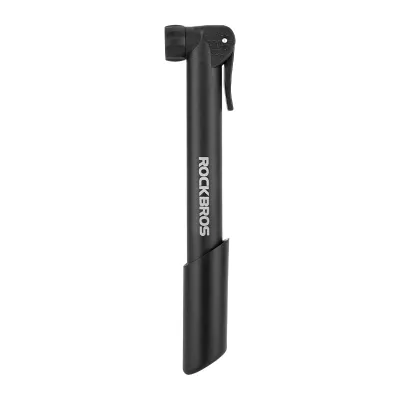
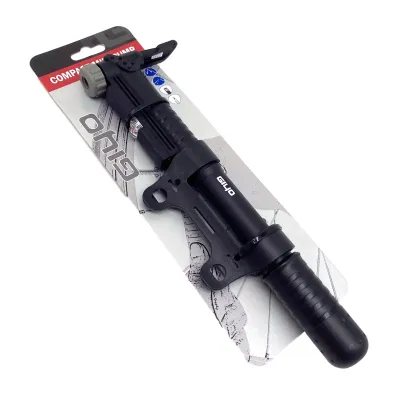
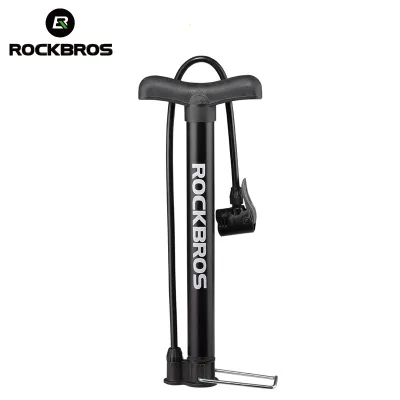
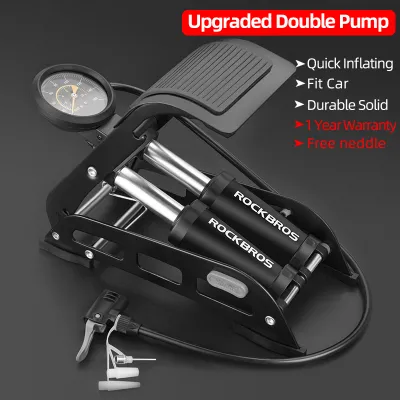
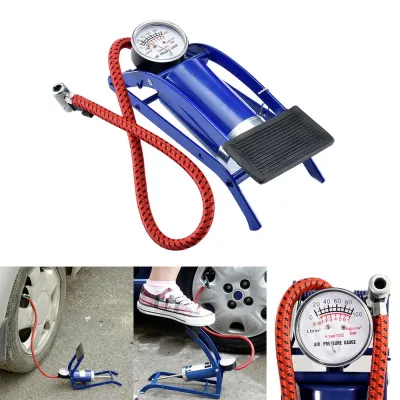
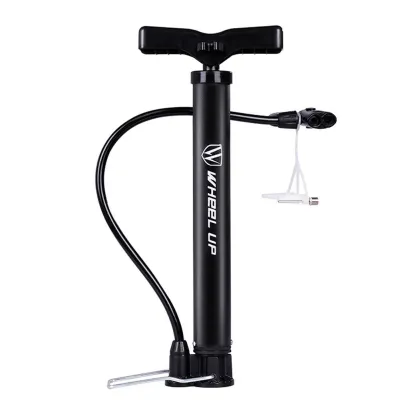
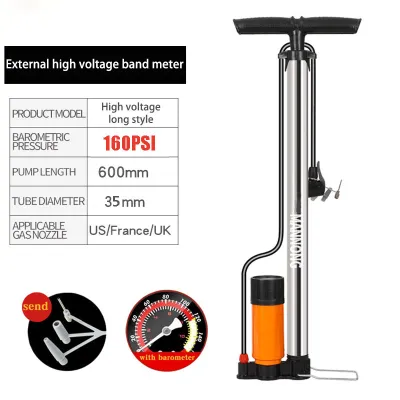
Prices are valid at publication and may change. Please refer to the product page for the latest price.
Assessing Your Riding Style and Inflation Needs
Before evaluating specific pump designs, you must analyze your bicycle’s tires and your typical riding environment. High-pressure road tires, which usually run between 80 and 110 PSI, require a pump designed to push air against high resistance. Conversely, high-volume tires found on mountain, gravel, or e-bikes operate at much lower pressures, typically 20 to 50 PSI, but require a much larger volume of air to fill.
Your primary cycling location also dictates your pump requirements. If you primarily commute within urban centers, your priority is a reliable, compact tool to fix punctures caused by road debris. If you enjoy long-distance touring or trail riding in remote areas, you need a highly durable manual pump that does not rely on battery power or single-use cartridges.
Valve compatibility is the absolute baseline requirement for any inflator purchase. Most modern bicycles use either Presta valves (narrow, threaded valves common on high-performance bikes) or Schrader valves (wider, spring-loaded valves identical to those on car tires). Many pumps feature smart heads that automatically adapt to both types, while others require you to manually flip internal rubber seals or thread on external brass adapters.
Environmental factors also play a critical role in how you manage tire pressure. When you inflate your tires in a cool, air-conditioned room, the air inside will expand when you step out onto hot asphalt under the midday sun. Having a reliable way to check and adjust pressure on the go prevents over-inflation, which can compromise grip and ride comfort on slick, wet roads.
Floor Pumps: High-Volume Precision for Home Maintenance
For regular pre-ride maintenance and home garage use, a dedicated floor pump, also known as a track pump, is the gold standard. These pumps feature large steel or aluminum barrels, wide stable bases, and long flexible hoses that allow you to stand upright while inflating your tires. By utilizing your body weight rather than raw arm strength, you can inflate even high-pressure road tires to their target PSI with minimal physical effort.

An integrated analog or digital pressure gauge is the defining feature of a quality floor pump. Running the correct tire pressure is critical for optimizing rolling resistance, preventing pinch flats, and ensuring cornering traction. A large, easy-to-read gauge mounted either at the base or the top of the barrel allows you to make precise adjustments before you roll out of your driveway.
Despite their efficiency, floor pumps have obvious physical limitations. They are bulky, heavy, and completely impractical to carry with you on a ride. They are designed to live in your garage, hallway, or the trunk of a support vehicle, making them a complementary tool rather than a standalone solution for roadside emergencies.
When shopping for a floor pump, verify the build quality of the critical wear points. Look for a pump with a heavy cast-iron or steel base rather than lightweight plastic, which can tip over during vigorous pumping. Check the hose length to ensure it can easily reach your bike when mounted on a repair stand, and confirm that replacement internal rubber seals are readily available from the manufacturer to extend the pump’s lifespan.
Mini and Frame Pumps: Reliable On-the-Road Emergency Fixes
When you are miles away from home and suffer a puncture, a portable mini pump or frame pump is your most dependable insurance policy. Mini pumps are compact enough to slide into a jersey pocket, slide inside a hydration pack, or mount directly to your frame using a bracket that shares your water bottle cage bolts. Frame pumps are longer, spring-loaded units designed to wedge securely under your top tube, offering a larger air chamber at the cost of more frame clearance.
Because of their small physical size, mini pumps require a trade-off in physical effort. Inflating a high-volume mountain bike tire or a high-pressure road tire with a mini pump can require hundreds of strokes, which can be exhausting in hot, humid weather. However, unlike CO2 systems or electric pumps, a manual hand pump will never run out of battery or leave you stranded after a single failed inflation attempt.
One critical design feature to look for is a flexible, hideaway hose. Direct-mount mini pumps, which press directly onto the valve stem, transfer the vigorous shaking motion of your pumping arm directly to the valve. This mechanical stress can easily bend or snap a delicate Presta valve core, turning a simple flat tire into a major mechanical failure. A flexible hose isolates the valve from this movement, ensuring a safe and secure connection.
In tropical environments, road grime, mud, and salt air can quickly compromise a portable pump’s internal mechanism. Look for mini pumps that feature integrated rubber dust caps over the valve head to keep debris out of the seals. Regularly lubricating the internal piston with a light silicone grease will ensure the pump remains smooth and operational when you need it most during a roadside emergency.
CO2 Inflators: Rapid Inflation for Competitive and Fast-Paced Riding
For racers, competitive group riders, and tubeless tire users, CO2 inflators offer unmatched speed and convenience. These minimalist systems consist of a small, pocket-sized inflator head and a threaded steel cartridge filled with pressurized liquid carbon dioxide. When the head is pressed onto the valve and the cartridge is pierced, the tire inflates to riding pressure in a fraction of a second.
This rapid volume delivery is particularly valuable for riders using tubeless tire setups. If a tubeless tire bead pops off the rim seat on the trail, a standard mini pump rarely moves enough air quickly enough to snap the bead back into place. The sudden, high-volume blast of gas from a CO2 cartridge easily reseats the tire, allowing you to continue your ride without installing an emergency inner tube.
However, CO2 systems come with significant limitations that make them unsuitable as a primary inflation tool. The cartridges are strictly single-use, meaning you must carry multiple canisters on long rides to account for multiple punctures. Additionally, CO2 gas molecules are smaller than nitrogen and oxygen, causing the gas to permeate through tire rubber much faster. A tire inflated with CO2 will lose significant pressure overnight, requiring you to fully deflate it and pump it back up with regular air once you return home.
Safety is a paramount concern when handling compressed gas. As the liquid CO2 expands into gas during discharge, the cartridge and inflator head instantly drop to sub-zero temperatures. Touching the bare metal during this process can cause severe frostbite or skin damage. Always use an insulated neoprene sleeve on the cartridge, wear thick cycling gloves, and ensure the control valve is fully closed before threading a new cartridge into the head.
Electric Pumps: Effortless Air for Commuters and E-Bikes
Battery-powered electric pumps represent the latest evolution in bicycle inflation technology. These compact, handheld devices feature an internal electric motor, a digital pressure sensor, and a rechargeable lithium-ion battery. You simply connect the hose to your valve, set your target pressure on the digital screen, and press start; the pump automatically shuts off once the exact pressure is reached.
This technology is highly beneficial for daily utility commuters, e-bike riders, and cyclists who may lack the physical upper-body strength required to operate manual pumps. It eliminates the physical exertion of pumping, allowing you to maintain your tires in professional attire without breaking a sweat before your morning commute. They are also highly versatile, often featuring built-in LED flashlights and USB power bank capabilities.
Despite their convenience, electric pumps introduce electronic vulnerabilities to your riding kit. They are significantly heavier than mini pumps or CO2 inflators, adding noticeable weight to your frame bag or jersey pocket. Furthermore, if you forget to charge the device or if the battery degrades over time, you risk being left with a non-functional tool during a roadside emergency.
When evaluating an electric pump, carefully check the manufacturer’s specifications. Verify the maximum PSI output to ensure it can handle high-pressure road tires if needed. Check the battery capacity, typically measured in milliampere-hours (mAh), and look for an IP water-resistance rating to ensure the electronic components can survive a sudden tropical downpour on your commute.
Finalizing Your Choice: Comparison and Buying Checklist
To choose the right inflator, you must match your primary riding style with the mechanical strengths of each pump category. Many dedicated cyclists find that investing in a high-quality floor pump for home use, paired with either a mini pump or a CO2 inflator for the road, provides the ultimate balance of precision, reliability, and speed.
Use the following checklist to verify your requirements before purchasing a new bike inflator:
- Valve Compatibility: Does the pump head natively support both Presta and Schrader valves, or will you need to carry separate brass adapters?
- Pressure and Volume Limits: Is the pump optimized for your tire type? (Narrow barrels for high-pressure road tires; wide barrels for high-volume mountain bike tires).
- Portability and Mounting: If buying an on-the-road pump, does it include a secure frame-mounting bracket that fits beneath your water bottle cage, or is it compact enough for your jersey pocket?
- Material and Build Quality: Are the high-stress components, such as the pump head lever and internal piston shaft, made of durable aluminum or steel rather than thin plastic?
- Serviceability: Does the manufacturer sell replacement rebuild kits, gaskets, and hoses, or will you have to discard the entire pump if a single seal fails?
When budgeting for your cycling gear, expect to spend anywhere from ₱1,500 to ₱4,000 for a durable, high-quality floor pump that will last for years. Portable mini pumps and CO2 inflators generally range from ₱800 to ₱2,500. Before finalizing your purchase on online marketplaces or at your local bike shop, read verified user reviews to check for real-world durability, especially regarding gauge accuracy and seal longevity in humid conditions.
Frequently Asked Questions (FAQ)
Can I use a car tire inflator or gas station pump on my bicycle?
Using an automotive air compressor or a gas station pump on a bicycle tire is highly risky and generally not recommended. Automotive systems are designed to deliver massive volumes of air at relatively low pressures to fill large car tires. Because bicycle tires have a very small air volume, these high-flow compressors can over-inflate a bike tire in a fraction of a second. Without precise, real-time pressure monitoring, this rapid inflation can easily blow the tire bead off the rim, rupture the inner tube, or permanently damage carbon fiber rims. If you must use a gas station pump in an emergency, use a high-quality brass Presta-to-Schrader adapter, apply the air in extremely short, half-second bursts, and constantly check the tire firmness by hand.
How often should I check and calibrate my floor pump gauge?
Analog pressure gauges on floor pumps can drift over time due to physical drops, internal spring wear, or exposure to high humidity and temperature fluctuations. It is good practice to perform a quick visual check before every ride to ensure the needle rests exactly at zero when the pump is disconnected. To maintain high precision, compare your floor pump’s reading against a dedicated, high-quality digital pressure gauge at least once every three to six months. If you notice a consistent discrepancy of more than 5 to 10 PSI, the internal mechanism may be worn. Many premium pump manufacturers sell replacement gauge assemblies, allowing you to restore accuracy without purchasing an entirely new pump.
Community discussion
Share your experience or ask a question. Comments are reviewed before publication.