
Selecting the perfect flotation gear depends entirely on your specific activity, swimming ability, and water conditions. There is no single, universal device that excels at everything. For active surface activities like snorkeling, a lightweight, inflatable vest provides the necessary freedom of movement, while paddling sports like kayaking demand a low-profile foam vest that accommodates a seated posture. Matching your gear to your sport is essential for staying safe and comfortable in the water.
When preparing for any aquatic adventure, choosing the right bouyancy floater is a critical decision that balances physical safety with athletic performance. In the tropical waters of the Philippines, where high humidity and intense sun can rapidly degrade materials, selecting high-quality, activity-specific gear ensures you remain secure without restricting your movement. This guide breaks down the primary types of flotation aids, helping you identify the optimal choice for your next excursion.
Understanding Buoyancy Aids vs. Life Jackets for Water Sports
Before purchasing any flotation equipment, you must understand the distinction between a buoyancy aid and a life jacket. A buoyancy aid is designed for competent swimmers who are close to safety. It provides enough flotation to help you keep yourself afloat but relies on your active movement to keep your airway clear. Because they do not feature bulky collars or self-righting structures, buoyancy aids offer the high mobility required for active sports like paddling and windsurfing.
Products mentioned in this guide
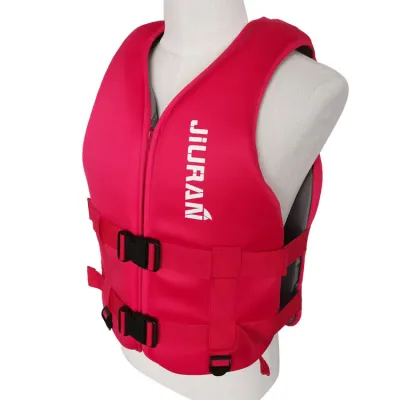
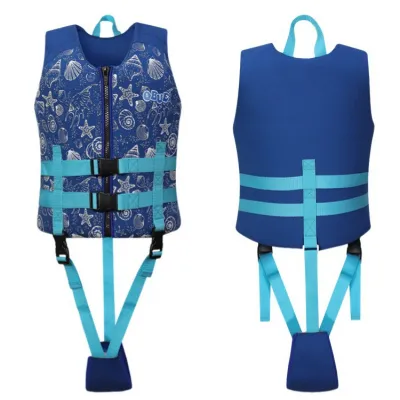
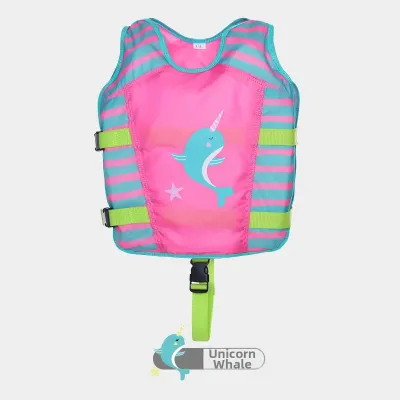
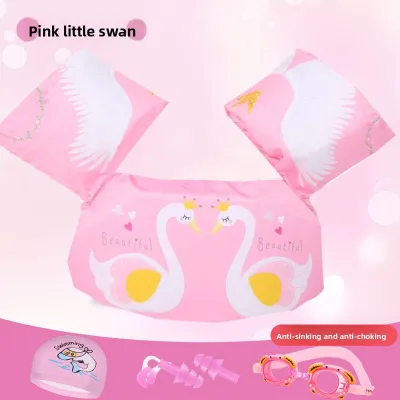
Prices are valid at publication and may change. Please refer to the product page for the latest price.
In contrast, a life jacket is a heavy-duty safety device engineered to turn an unconscious wearer face-up in the water, keeping their airway clear even if they cannot swim. These are typically bulkier, feature large head-support collars, and are designed for offshore boating, non-swimmers, or extreme weather conditions. Using a full life jacket for active sports is often impractical because the bulk limits arm movement and causes chafing in warm, humid climates.
Before heading out, inspect the manufacturer’s label printed inside the gear. Verify the safety classification, minimum buoyancy rating (often in Newtons), and rated weight range. Never assume a device is safe for your body weight or sport without confirming these official specifications first.
Best Buoyancy Floaters for Snorkeling and Surface Swimming
Snorkeling requires a unique flotation design because your body remains face-down to observe marine life. Standard life jackets or bulky paddling vests are unsuitable because they force your body into a vertical or back-floating position, straining your neck and ruining your viewing angle.

Inflatable Snorkel Vests
An inflatable snorkel vest is the classic bouyancy floater choice for surface observers. Featuring a low-profile, horse-collar design that slips over your head and secures with waist and crotch straps, it is equipped with an oral inflation tube to easily adjust air volume. This allows you to achieve neutral buoyancy, drifting effortlessly on the surface without wasting energy.
Bright neon colors ensure high visibility to boat operators and guides. However, these vests are strictly swimming aids, not substitute life jackets; do not use them in rough seas or without direct supervision.
Swim Tow Floats and Safety Sausages
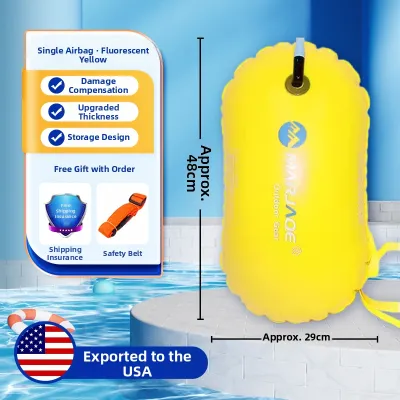
For swimmers and snorkelers seeking unrestricted movement, a swim tow float is an excellent choice. This brightly colored inflatable buoy attaches to a lightweight waist belt and trails behind you, creating virtually zero drag in calm waters. Though it does not assist swimming posture, a tow float serves as a reliable resting platform during sudden cramps or fatigue.
In high-traffic reef sanctuaries or boat channels, a taller inflatable tube—known as a safety sausage or surface marker buoy (SMB)—signals your location. Note that in strong currents, a trailing float can catch the water and create noticeable drag.
Flotation Gear for Kayaking, Canoeing, and Paddling
Paddling sports require flotation gear that accommodates a seated position and continuous arm movements. If a vest is too long or bulky around the shoulders, it will ride up against your chin while seated, causing discomfort and limiting your range of motion.
Low-Profile Foam Buoyancy Aids
For paddling, a low-profile foam buoyancy aid is the standard. These vests feature exceptionally large armholes to prevent underarm chafing and a cut-away lower torso that sits comfortably above a kayak seat, utilizing closed-cell foam encased in durable nylon. Always check the manufacturer’s sizing chart to verify that the buoyancy rating matches your body weight and water conditions.
Look for models with multiple adjustment points, including side and shoulder straps, to customize the fit over rash guards or thermal layers.
Inflatable Belt Packs for Calm Water
On flat, calm inland waters, an inflatable belt pack offers maximum comfort and ventilation. Worn around the waist, this device remains completely out of the way of your arms and torso, keeping you cool in hot tropical climates. To deploy it, you must pull a manual cord to pierce a CO2 cartridge, or use the oral inflation tube.
Due to this manual deployment, belt packs are strictly for confident swimmers who can fit the bladder over their head while in the water. Never use them in whitewater, rough ocean swells, or cold water, where sudden immersion can prevent manual deployment.
Matching Floaters to Open Water Swimming, SUP, and Surfing
Specialized water sports demand unique flotation profiles to avoid interfering with boards, paddles, or water impacts.
Open Water Swimming and Triathlons
In open-water swimming and triathlons, maintaining hydrodynamics and natural stroke rhythm is paramount. Traditional foam vests are unsuitable because they alter swimming posture and create immense drag. Instead, swimmers rely almost exclusively on high-visibility tow floats.
Many specialized swimming buoys feature an integrated dry bag to store keys, phones, and nutrition, keeping valuables secure. Before entering the water, verify local maritime or beach regulations, as many public zones and organized events mandate high-visibility floats.
Stand-Up Paddleboarding (SUP) and Surfing
For stand-up paddleboarding (SUP), your choice depends on distance from shore and local regulations. In calm coastal waters, many opt for an inflatable belt pack to maximize cooling. Regardless of the floater type, your board leash remains your primary safety tether, keeping your largest flotation source within arm’s reach.
Surfing involves high-velocity wipeouts and duck-diving under large waves, making standard buoyancy vests dangerous. Instead, big-wave surfers use specialized inflatable impact vests. These combine thin, shock-absorbing foam panels for rib protection with a manual inflation system that provides minimal, temporary buoyancy to help you reach the surface without restricting your pop-up.
Cross-Activity Compatibility: Can You Use One Floater for Everything?
If you participate in multiple water sports, you might wonder if a single bouyancy floater can cover all your activities. While a single-gear solution is budget-friendly, you must evaluate design limitations before attempting to cross-use them.
For example, using an inflatable snorkel vest for kayaking in moving water is unsafe; thin fabric can puncture on branches, and manual inflation cannot provide immediate flotation during a capsize. Conversely, wearing a bulky foam kayaking vest while snorkeling is frustrating, as the foam constantly fights your efforts to look downward, leading to neck strain.
If you must purchase only one device, a low-profile, high-mobility foam buoyancy aid is the most versatile option. While too bulky for snorkeling, it safely covers calm-water kayaking, SUP, and light recreational boating. However, if your activities span highly contrasting environments, prioritize safety by investing in specialized gear designed for each environment’s hazards.
How to Fit, Inspect, and Maintain Your Water Sports Floater
Even high-quality flotation gear will fail if it does not fit correctly or has degraded. In tropical climates like the Philippines, intense UV rays, high humidity, and saltwater rapidly weaken fabrics, corrode metal zippers, and degrade foam.
Fit verification is your first line of defense. Tighten all straps starting from the bottom waist strap up to the shoulders. Perform the ‘lift test’ by having a companion pull upward firmly on the shoulder straps; if the vest slides up past your chin or ears, it is too loose or large and will fail to keep your head clear of the water.
Perform a thorough pre-use inspection before every trip. Check the fabric for fading, thinning, or tearing from UV degradation. Inspect webbing straps for fraying and test every buckle. For inflatable models, orally inflate the bladder completely to check for leaks, and ensure CO2 firing mechanisms are free of rust or salt buildup.
Post-use care is essential for extending gear lifespan. After every use in saltwater, thoroughly rinse your floater with fresh water to remove salt crystals, sand, and chemicals. Air-dry completely in a shaded, well-ventilated area; never dry in direct sunlight, as UV rays break down synthetic fibers and foam. Store in a cool, dark, dry place to prevent mold and mildew.
Establish clear retirement criteria for your safety gear. Immediately replace your floater if the internal foam becomes crushed, hard, or permanently compressed, indicating a loss of buoyancy. Fabric tears, broken buckles, or inflatable bladders that fail to hold air overnight are absolute stop-conditions—never enter the water with compromised equipment.
Frequently Asked Questions (FAQ)
Do strong swimmers still need a buoyancy floater in open water?
Yes, even experienced swimmers should use a buoyancy floater in open water. Open-water environments present unpredictable hazards like sudden rip currents, shifting winds, vessel traffic, and muscle cramps. A high-visibility tow float or buoyancy aid serves as an essential visual marker for boat operators and rescue personnel, while providing a reliable resting platform if you suffer from sudden exhaustion or injury.
How do I know if my inflatable floater is still safe to use?
To verify the safety of an inflatable floater, perform a simple overnight leak test. Orally inflate the bladder until firm, then leave it in a stable-temperature room for 12 to 24 hours. If it feels soft the next day, it has a slow leak and must be retired or repaired according to manufacturer instructions. If you need to repair a leak or replace components, always check the applied product’s label and your gear manufacturer’s instructions first. If instructions conflict, the item is unidentified, or the use is not covered, stop and consult the manufacturer or a qualified professional. Additionally, check the CO2 cartridge to ensure it is not discharged and verify the firing mechanism moves smoothly.
Community discussion
Share your experience or ask a question. Comments are reviewed before publication.