
Finding the space for a dedicated home gym in a modern condominium can be a significant challenge. In urban centers where floor plans prioritize compact living, bulky fitness equipment like treadmills or stationary bikes can quickly clutter your living room. A compact stepper exercise machine offers an elegant solution, delivering a high-intensity cardiovascular workout within a footprint smaller than a standard floor tile.
To choose the best stepper for your condo, you must balance physical dimensions, mechanical design, noise output, and storage convenience. This guide outlines the essential factors to consider, helping you select a machine that keeps you active indoors—especially during the rainy season or hot tropical afternoons—without compromising your limited living space.
Comparing Stepper Types for Tight Floor Plans
When shopping for a stepper exercise machine, understanding the physical differences between available designs is crucial for tight floor plans. Full-size stair climbers and commercial step mills provide excellent lower-body workouts, but they require substantial floor space and high ceilings. These large machines often stand over six feet tall and occupy a footprint similar to a large armchair, making them highly impractical for standard condo units.
Products mentioned in this guide
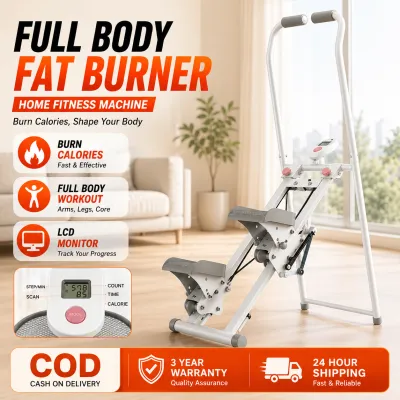
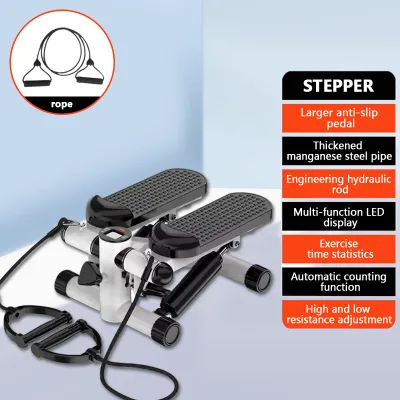
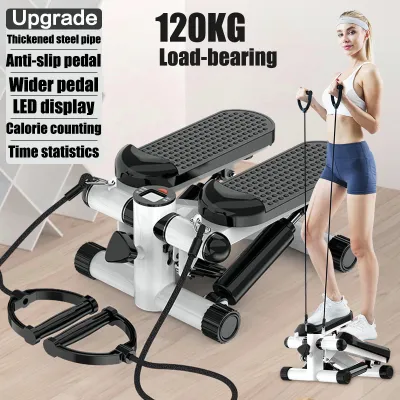
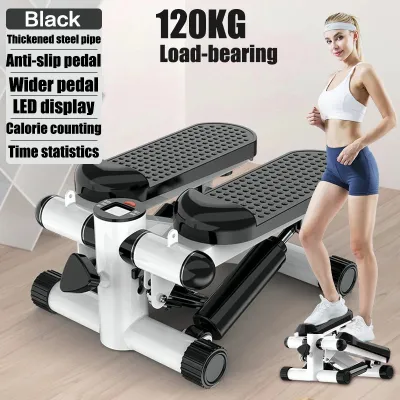
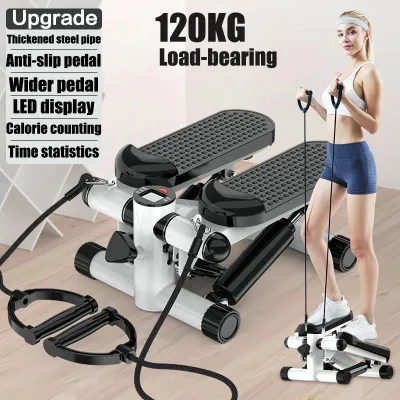
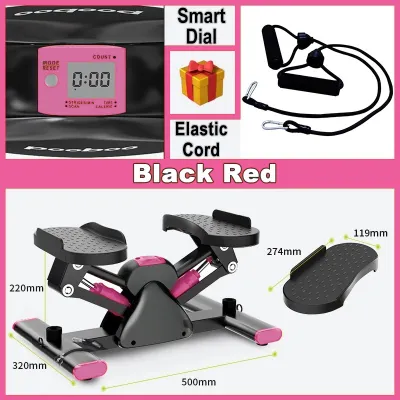
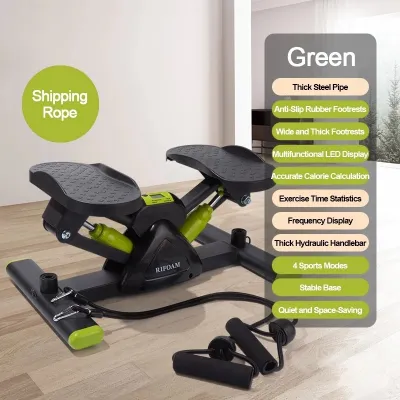
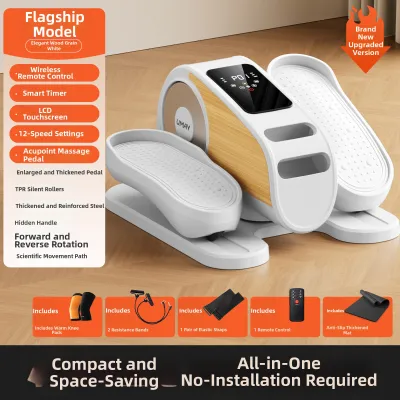
Prices are valid at publication and may change. Please refer to the product page for the latest price.
In contrast, mini steppers are designed specifically for space-constrained environments. A typical mini stepper occupies a footprint of just 1.5 to 2 square feet, allowing it to sit neatly in a corner, under a desk, or beside a television console. These compact units rely on either hydraulic cylinders or low-profile magnetic resistance systems to simulate the action of climbing stairs.
Hydraulic steppers use fluid-filled cylinders to generate resistance as you step down. This mechanism keeps the machine incredibly lightweight and highly portable, with many models weighing under 10 kilograms. Magnetic resistance steppers, while offering exceptionally smooth and quiet operation, require an internal flywheel and magnetic brake assembly. This makes the overall machine slightly bulkier and heavier, though still significantly more compact than a traditional elliptical.
While mini steppers are highly portable, they do involve certain trade-offs. The step depth—the vertical distance the pedal travels—is shorter than that of a full-sized climber, which can limit your overall range of motion. Additionally, hydraulic cylinders naturally warm up during extended use, which can temporarily reduce resistance levels. Understanding these mechanical differences allows you to align your fitness expectations with the physical realities of a compact machine.
Measuring Your Condo Space and Clearance Needs
Before purchasing a stepper exercise machine, accurate measurements of your condo’s layout are essential to ensure a safe and comfortable workout environment. Do not rely solely on the static dimensions of the machine listed on the box. You must calculate the active workout zone, which includes the space your body occupies while in motion.

As you step, your head rises several inches above your standing height. Measure your ceiling height and subtract your own height plus the maximum pedal height of the stepper. This calculation is especially critical if your condo features dropped ceilings, low-hanging light fixtures, or ceiling fans. Ensure you have at least a few inches of clear headroom at the peak of your stepping motion to prevent accidental injury.
Next, account for your arm swing and lateral movement. If you plan to use resistance bands or swing your arms naturally for balance, you will need at least two to three feet of clear space on all sides of the machine. Clear the workout zone of sharp furniture corners, glass coffee tables, and delicate home decor to prevent accidental contact during high-intensity sessions.
Finally, evaluate the physical pathways in your home. Measure doorways, narrow hallways, and the gaps between furniture to ensure you can easily transport the machine from its storage spot to your active workout area. If a stepper is too heavy or awkward to carry through these pathways, it will likely remain in the middle of your living room, creating permanent visual clutter.
Identifying Essential Features for Space-Efficient Workouts
To maximize the utility of your stepper exercise machine in a small condo, look for specific features that enhance convenience and versatility. An adjustable step height or tension knob is highly beneficial. This feature allows you to customize the intensity of your workout without needing multiple pieces of equipment. A deeper step engages your glutes and calves more intensely, while a shallower step is ideal for quick, high-cadence cardio sessions.
Portability is another critical factor for small-space fitness. If you need to clear your floor space daily, prioritize steppers that feature folding handlebars or a completely handle-free design. Handle-free mini steppers can be picked up with one hand and tucked away effortlessly. For slightly heavier magnetic models, built-in transport wheels are essential, allowing you to roll the unit into a closet or under a bed frame without straining your back.
Power requirements also dictate where you can exercise. A stepper with a battery-operated digital console is highly recommended for condo living. Consoles that track step count, elapsed time, and estimated calories burned using simple AA or AAA batteries eliminate the need for trailing power cords. This keeps your workout area clean, reduces tripping hazards, and allows you to position the stepper anywhere in the room, regardless of where your wall outlets are located.
Evaluating Stability, Weight Limits, and Noise Levels
A compact stepper must be safe to use and considerate of your living environment. Always verify the manufacturer’s specified weight capacity before making a purchase. Keep in mind that your body exerts dynamic forces during a workout that exceed your static weight. If you weigh close to the machine’s maximum limit, look for a heavy-duty steel frame with reinforced welds to ensure long-term stability and prevent structural flexing.
Base width is a key indicator of lateral stability. A wider base prevents the stepper from tipping sideways when you shift your weight from foot to foot. Look for wide, rubberized stabilizer caps on the base frame. These caps grip the floor securely, absorb micro-vibrations, and prevent the metal frame from scratching your condo’s flooring during vigorous exercise.
Living in close proximity to neighbors means noise levels are a critical consideration. Hydraulic cylinders are generally quiet, but they can produce a soft hissing sound as the fluid heats up. To prevent loud clacking noises at the end of each stroke, choose a stepper equipped with rubber bumper pads beneath the pedals. These bumpers cushion the impact and keep your workouts virtually silent, ensuring you do not disturb neighbors below or family members sleeping in the next room.
Planning Storage and Multi-Functionality Solutions
Integrating fitness equipment into a small condo requires creative storage and multi-functional solutions. Measure the clearance under your bed frame or sofa. Many mini steppers have a height of less than 12 inches when stored flat, allowing them to slide easily out of sight. If vertical storage is your only option, ensure the machine can stand securely on its end inside a utility closet or behind a bedroom door without risk of falling.
To maximize your fitness options within a single footprint, look for steppers that include detachable resistance bands. These bands attach to the front of the frame, allowing you to perform bicep curls, shoulder presses, or lateral raises while stepping. This dual-action design provides a full-body workout without requiring a separate set of dumbbells or resistance tubes.
Always place a dense, non-slip rubber or PVC exercise mat beneath your stepper. A dedicated mat serves multiple purposes: it protects expensive condo flooring from sweat and mechanical grease, dampens operational noise and vibrations traveling through the floor slab, and visually defines your workout zone. When your workout is finished, the mat can be rolled up and stored alongside the stepper.
Frequently Asked Questions (FAQ)
Can I use a stepper on a carpeted condo floor?
Yes, you can use a stepper on carpet, but you must take specific precautions. Placing a heavy stepper directly on a carpet can leave permanent indentations and restrict airflow around hydraulic cylinders, which need ventilation to dissipate heat. Always place a dense, flat exercise mat over the carpet first. This distributes the machine’s weight evenly, prevents the stepper from sinking or rocking, and protects your carpet fibers from potential grease drips or sweat stains.
How do I maintain a hydraulic mini stepper in a humid climate?
In tropical climates like the Philippines, high humidity and sweat can accelerate rust and degrade hydraulic seals. After every workout, use a clean, dry microfiber cloth to wipe down the entire frame, pedals, and hydraulic cylinders to remove corrosive sweat. Store the stepper in an air-conditioned room or a well-ventilated area away from open balconies, laundry zones, or bathrooms. Periodically check the joints and apply a light coat of silicone lubricant if you notice any squeaking or resistance stiffness, following the manufacturer’s maintenance guidelines.
Community discussion
Share your experience or ask a question. Comments are reviewed before publication.