
Selecting the ideal crazyfly fishing rod requires a clear understanding of your target species, your preferred casting technique, and the specific aquatic environments you plan to explore. Whether you are aiming to pull tilapia from a quiet freshwater lake, cast lures for aggressive jungle perch in a fast-flowing mountain river, or battle strong saltwater predators from a sandy shoreline, matching your gear to the environment is the key to a successful catch.
Because the tropical climate of the Philippines presents unique challenges—including high humidity, intense solar heat, and highly corrosive saltwater environments—your choice of equipment must be both structurally suited to your target and resilient against rapid wear. By analyzing how different rod lengths, power ratings, and material compositions perform under local conditions, you can make a practical decision that maximizes your time on the water.
Identifying the Core Demands of Your Fishing Scenario
Before evaluating specific rod specifications, you must define the physical and environmental demands of your primary fishing locations. The geography of the Philippines offers highly diverse fishing grounds, each requiring a distinct mechanical performance from your tackle.
Products mentioned in this guide
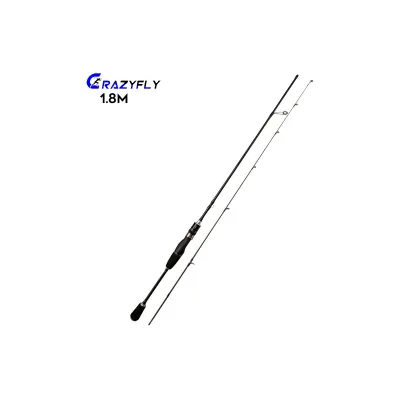
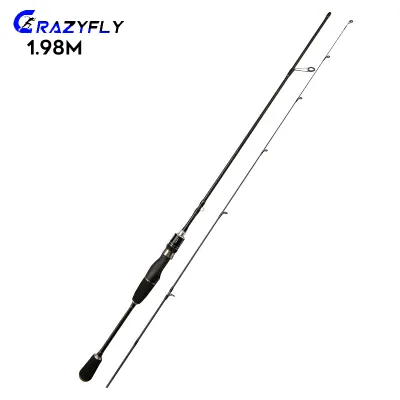
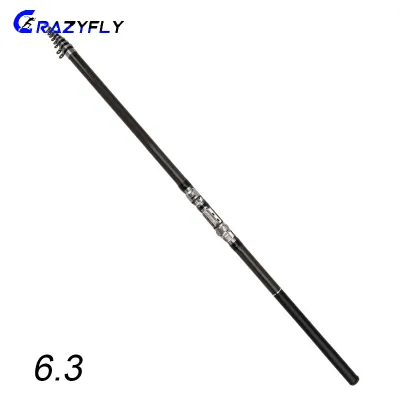
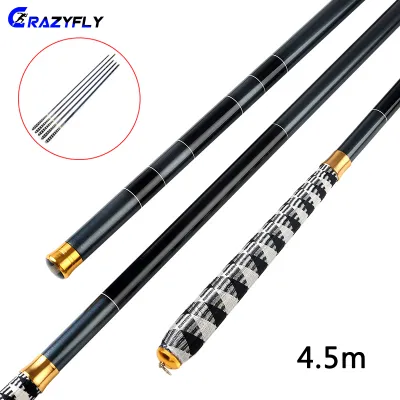
Prices are valid at publication and may change. Please refer to the product page for the latest price.
Freshwater Lake Fishing
Freshwater lakes, such as Lake Taal, Lake Lanao, or local aquaculture ponds, typically demand a balance of casting distance and high sensitivity. Anglers in these environments often target species like tilapia, snakehead (locally known as dalag), or introduced largemouth bass. These species frequently feed near submerged vegetation or structure, requiring accurate lure placement.
Because bites from species like tilapia can be incredibly subtle, your rod must possess enough sensitivity to transmit minor vibrations from the line directly to your hands. Additionally, lake fishing often involves casting lightweight soft plastics, small spinners, or live bait, meaning the rod must be flexible enough to load and cast these lighter payloads over reasonable distances without requiring excessive physical effort.
River Casting and Stream Fishing
River casting and stream fishing in high-gradient waters or dense jungle environments present a completely different set of physical constraints. Here, maneuverability is your primary concern. Overhanging bamboo, thick tropical foliage, and narrow banks severely limit your casting clearance, making long rods highly impractical.
Furthermore, river currents require fast action for quick hook sets. When a fish strikes in moving water, it often uses the current to its advantage, diving quickly into submerged roots or sharp rocks. You need a rod that can react instantly to pressure, allowing you to set the hook firmly and steer the fish away from snags before your line is severed.
Saltwater Shore and Surf Fishing
Saltwater shore, surf, and reef fishing along the extensive Philippine coastline demand heavy-duty performance and maximum casting distance. Anglers targeting coastal predators like talakitok (trevally), lapu-lapu (grouper), or barramundi must cast heavy lures or sinkers past the breaking surf to reach deep drop-offs and active feeding zones.
To achieve this, you need a rod that can handle heavy casting weights and withstand the immense pressure of strong coastal winds and tidal currents. Moreover, saltwater environments are incredibly harsh; the combination of high salinity, fine sand, and constant wave action will quickly ruin low-quality gear. Consequently, absolute corrosion resistance in every component is a non-negotiable requirement for any rod used along the coast.
Decoding Crazyfly Fishing Rod Specifications
To choose the right crazyfly fishing rod, you must know how to read and interpret the technical specifications printed directly on the rod blank or product packaging. These ratings serve as a blueprint for the rod’s structural capabilities and limitations.

Rod Length
Rod length directly dictates your casting leverage and control over a hooked fish. Shorter rods, typically ranging from 5.5 to 6.5 feet, excel in tight spaces where pinpoint accuracy is more important than distance. They allow for precise underhand or roll casts under low-hanging branches.
Conversely, longer rods, measuring 8 to 10 feet or more, are designed to maximize casting distance. The longer lever arm allows you to generate higher tip speed during a cast, launching your lure much further. Longer rods also help keep your line elevated above breaking waves when fishing from sandy beaches or rocky outposts.
Power and Action
Rod power describes the amount of force required to bend the rod blank. It ranges from ultra-light and light (designed for small fish and tiny lures) to medium, medium-heavy, and heavy (built for large, hard-fighting species and heavy weights). Matching the power to your target species ensures the rod has enough backbone to control the fish without snapping under pressure.
Rod action, on the other hand, identifies where the rod bends along its length when pressure is applied:
- Fast Action: Bends primarily near the tip. This design offers excellent sensitivity, rapid hook-setting power, and is ideal for single-hook lures like jigs or soft plastics.
- Moderate Action: Bends down into the middle section of the blank. This provides a more forgiving cushion, which is highly beneficial when using lures with treble hooks, as it prevents the hooks from tearing out of the fish's mouth during a fight.
- Slow Action: Bends throughout the entire length of the rod, down to the grip. This is typically reserved for ultra-light setups or specific bait-fishing techniques where gentle casting is required to keep delicate bait intact.
Line and Lure Weight Ratings
Every rod blank features printed recommendations for compatible line test weights (e.g., 8–17 lb) and lure weights (e.g., 7–28 grams). These ratings are calculated by engineers to ensure the rod operates within its safe structural limits.
Exceeding the maximum lure weight rating can overload the carbon fibers during a high-velocity cast, leading to a sudden, catastrophic fracture of the blank. Similarly, using a line that exceeds the recommended rating means the line will not break before the rod reaches its maximum bend, risking a broken rod if you hook a heavy obstacle or an exceptionally large fish.
Guide and Reel Seat Materials
Because tropical coastal air is saturated with moisture and salt, the materials used in your rod’s guides and reel seat determine its long-term survival. Look for guides constructed from high-grade stainless steel or titanium frames paired with ceramic inserts, such as aluminum oxide or silicon carbide (SiC).
These ceramic inserts minimize friction, allowing the fishing line to glide smoothly during a cast while dissipating the heat generated by fast-running fish. The reel seat must be made of heavy-duty, corrosion-resistant materials—such as anodized aluminum or reinforced graphite—to ensure your reel remains securely locked in place without seizing or rusting over time.
Matching Rod Features to Philippine Fishing Environments
With the core technical specifications decoded, you can now systematically align these features with the specific Philippine environments you plan to fish.
Scenario 1: Freshwater Lakes
For quiet lake waters, prioritize sensitivity and moderate power. A medium-light to medium power rod, measuring between 6.6 and 7.0 feet, with a fast action is highly effective. This configuration provides the delicate tip sensitivity needed to detect subtle tilapia nibbles while retaining enough backbone in the lower half of the rod to pull a dalag out of thick lily pads.
This setup allows you to cast lightweight soft plastics, small topwater frogs, or live bait with high accuracy. The fast action ensures that the moment you feel a bite, your upward sweep of the rod instantly drives the hook home.
Scenario 2: Rivers and Estuaries
When navigating fast-flowing rivers or mangrove-lined estuaries, prioritize control and maneuverability. A shorter rod, ideally between 6.0 and 6.6 feet, with a medium-heavy power and fast action is highly recommended.
The shorter length allows you to cast accurately around submerged logs, rock walls, and low-hanging vegetation without constantly catching your rod tip on branches. The medium-heavy power provides the immediate leverage required to stop strong river fish from diving back into sharp underwater structures, where they can easily fray your line.
Scenario 3: Saltwater Shores and Reefs
For coastal surf casting or fishing from rocky cliffs, you must emphasize heavy power and extended length. Select a rod that is at least 9.0 to 10.0 feet long, rated for medium-heavy to heavy power, with a moderate-fast action.
This length is essential for generating the casting distance needed to clear the shallow shoreline flats and reach the deeper coastal troughs where larger predators patrol. The moderate-fast action provides a smooth, progressive bend that cushions the shock of heavy casting weights and helps absorb the violent head shakes of powerful marine species like trevally or snapper.
Cross-Scenario Compatibility
If you prefer to own a single, versatile setup that can transition between freshwater lakes and light coastal estuaries, a 7.0-foot, medium-power, fast-action rod serves as the most practical compromise. This “all-rounder” configuration is light enough to enjoy catching medium-sized freshwater fish, yet strong enough to handle light inshore saltwater species.
However, you must accept certain performance trade-offs with a multi-purpose rod:
- Reduced Surf Performance: It will lack the length and casting weight capacity required for serious surf fishing, limiting your ability to reach far-off coastal structures.
- Limited Heavy Cover Capability: It may lack the extreme pulling power needed to extract large fish from heavy river obstructions or dense mangrove roots.
- Subtle Bite Detection: It may feel slightly too stiff when targeting very small freshwater species, making it harder to detect ultra-light bites.
Inspecting and Maintaining Your Rod in Tropical Conditions
The combination of intense heat, high humidity, and salt exposure in the Philippines can rapidly degrade even high-quality carbon fiber rods. Implementing a disciplined maintenance and inspection routine is essential to preserve the structural integrity of your gear.
Post-Trip Cleaning
Never store your rod immediately after a fishing trip, especially if you have been near saltwater. Salt deposits and moisture will quickly corrode guide frames and seize reel seats. Follow this straightforward cleaning routine after every outing:
- Rinse: Gently rinse the entire rod with cool, clean fresh water to wash away loose salt, sand, and organic debris. Avoid using high-pressure sprayers, which can force salt particles and grit deep into the reel seat threads or guide wraps.
- Wash: Use a soft microfiber cloth and a mild, non-abrasive dish soap to gently wipe down the rod blank, the guides, and the reel seat. Pay close attention to the small crevices where the guide frames meet the rod blank.
- Dry: Thoroughly dry the rod with a clean towel. Allow it to air-dry completely in a well-ventilated indoor space before placing it back into a protective rod sleeve or storage tube.
Visual Inspection Checklist
Before heading out on your next trip, perform a quick visual inspection to identify potential structural issues before they cause a failure on the water:
- Guide Inserts: Run a cotton swab through the inside of each guide ring. If the cotton catches on anything, it indicates a hairline crack or chip in the ceramic insert. Cracked inserts must be replaced immediately, as they will quickly shred your fishing line under tension.
- Guide Wraps: Inspect the epoxy thread wraps securing the guides to the blank. Look for cracks, peeling, or signs of rust forming underneath the epoxy.
- Reel Seat: Ensure the hood tightens smoothly and holds your reel foot securely without slipping or wobbling.
Storage Conditions
Never store your fishing rod in direct tropical sunlight or inside an enclosed, unventilated vehicle parked in the sun. Temperatures inside a closed car in the Philippines can easily exceed 50°C.
This extreme heat can soften the specialized resins and epoxies used to bond the carbon fibers of the rod blank, leading to warping, structural weak spots, or the eventual delamination of the blank under load. Always store your rods vertically in a cool, dry, and shaded indoor area.
When to Stop and Consult
If you observe deep scratches that penetrate the protective clear coat of the blank, splintering carbon fibers, or if you hear unusual creaking or clicking sounds when the rod bends, stop using it immediately.
Continuing to cast or fight fish with a structurally compromised blank can result in the rod shattering violently under pressure, which can cause physical injury or loss of gear. Consult a professional rod builder or contact the manufacturer to evaluate whether the rod can be safely repaired or if the blank must be replaced.
Frequently Asked Questions (FAQ)
Can I use a freshwater-rated rod for occasional saltwater fishing?
Yes, you can use a freshwater-rated rod in saltwater, but doing so carries a high risk of rapid corrosion. Freshwater rods often feature guide frames and reel seat components that lack specialized marine-grade anti-rust coatings. If you choose to use a freshwater rod in the ocean, you must perform a strict, immediate freshwater rinse and thorough drying routine immediately after your trip to prevent the guides from rusting and the reel seat from seizing.
How do I verify if a specific Crazyfly rod model is authentic and covered by warranty?
To ensure your rod is authentic and eligible for warranty support, purchase exclusively through official brand channels, authorized local tackle shops, or verified flagship stores on major e-commerce platforms. Avoid purchasing from unverified third-party sellers who cannot provide a valid receipt or official warranty registration card. Authentic products typically include clear packaging, distinct manufacturer markings on the rod blank, and verifiable serial numbers that can be cross-checked with the manufacturer’s official customer service database.
Community discussion
Share your experience or ask a question. Comments are reviewed before publication.