
Selecting the ideal Crusader gi depends on your specific martial arts discipline, training frequency, and local climate. While the term “gi” is often used broadly to describe martial arts uniforms, a single style cannot serve every martial art. Choosing the wrong uniform can restrict your movement during high-intensity training, cause premature wear, or even disqualify you from official competitions.
To select the correct Crusader uniform, you must evaluate the design (such as a V-neck dobok for Taekwondo versus a cross-over jacket for Karate), the fabric weight, and the cut. Matching these elements to your weekly training routine ensures you stay comfortable, mobile, and compliant with your dojo’s rules.
Understanding the Structural Differences Between Taekwondo and Karate Gis
To the untrained eye, martial arts uniforms might look highly similar, but the structural differences between a Taekwondo dobok and a Karate gi are fundamental to how each martial art is practiced. A Taekwondo uniform, historically referred to as a dobok, is specifically designed to facilitate rapid, high-reaching kicks. It typically features a closed, V-neck pullover jacket rather than a wrap-around top. This design ensures that the jacket stays securely in place during explosive aerial maneuvers, eliminating the need for ties that can come undone mid-kick. The fabric is also engineered to be exceptionally light, reducing drag and letting the practitioner move with maximum speed.
Products mentioned in this guide
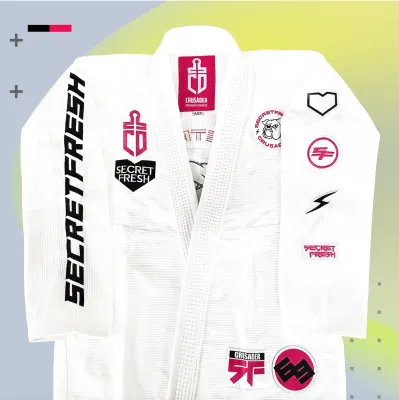
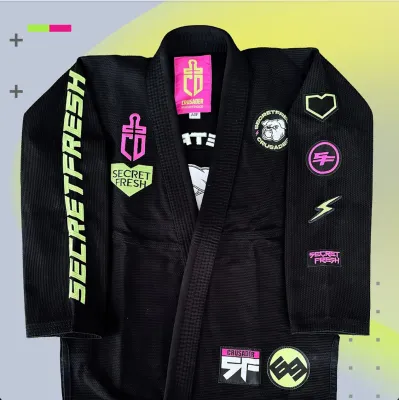
Prices are valid at publication and may change. Please refer to the product page for the latest price.
In contrast, a traditional Karate gi utilizes a cross-over jacket (uwagi) that secures with side ties (himo) and is worn with a belt wrapped around the waist. Because Karate involves a mix of striking, blocking, and occasional close-quarters manipulation or sweeping, the jacket must be durable enough to withstand pulling and grabbing. The fabric of a Karate gi is generally thicker and more structured than a Taekwondo dobok, providing a rigid silhouette that holds up under physical contact.
Attempting to wear a Karate gi to a Taekwondo class, or vice versa, often leads to immediate practical issues. A heavy Karate gi can severely restrict your hip and leg mobility, making high kicks feel sluggish and exhausting. Conversely, wearing a lightweight Taekwondo dobok to a Karate session can result in torn fabric during grabbing drills, and the pullover V-neck style may violate your dojo’s traditional dress code or official tournament guidelines. Before making a purchase, always verify your school’s specific uniform requirements regarding collar colors, embroidery, and jacket styles.
Matching Fabric Weight and Material to Your Training Intensity
Once you know the style of uniform your discipline requires, the next step is selecting the right fabric weight and material blend. Crusader uniforms are available in various weights, typically measured in ounces (oz) per square yard. Understanding these specifications allows you to balance durability, comfort, and performance based on how often you step onto the mats.

For beginners, young students, or those who train occasionally, a lightweight poly-cotton blend (often around 7 oz to 8 oz) is highly practical. These blends combine the breathability of cotton with the strength and wrinkle resistance of polyester. In the warm, humid climate of the Philippines, a poly-cotton uniform is exceptionally easy to wash, dries quickly, and requires minimal ironing to look neat before class. It is also highly flexible, making it an excellent starter option that keeps you cool during intense training sessions.
Advanced practitioners, instructors, and competitors generally prefer heavier cotton canvas uniforms, which typically range from 10 oz to 14 oz or more. Heavyweight cotton offers a traditional, structured feel and generates a distinct, satisfying “snap” sound when you execute a crisp punch or kick. This audible feedback is highly valued in kata (forms) demonstrations. Additionally, heavy cotton is superior at absorbing sweat, preventing the uniform from sticking uncomfortably to your skin during long training sessions.
However, heavyweight cotton comes with clear trade-offs, particularly in tropical environments. These uniforms are significantly heavier to wear, retain moisture longer, and require more effort to wash and dry. If you train daily or participate in multi-hour seminar sessions, you will need to weigh the aesthetic and tactile benefits of a heavy canvas gi against the superior cooling properties of a lighter blend.
To make the best choice, evaluate your weekly schedule. If you train once or twice a week for fitness, a lightweight poly-cotton uniform is incredibly convenient and budget-friendly, often priced between ₱800 and ₱1,500. If you are preparing for high-level competition or teaching multiple classes a day, investing in a premium, heavier uniform (which can range from ₱2,000 to ₱3,500 or more) provides the durability and professional appearance required for daily use. Always check the product label or manufacturer specifications to confirm the exact cotton-to-polyester ratio before purchasing, as fabric compositions can vary across product lines.
Evaluating Cut and Fit for Discipline-Specific Mobility
The cut of your uniform directly influences your range of motion and overall comfort during practice. Different martial arts place distinct physical demands on your body, and the pattern of the uniform reflects these needs. A proper fit ensures you can execute techniques flawlessly without fighting against your own clothing.
In Taekwondo, the pants are cut with extra room around the hips, thighs, and gusset (the crotch panel). This specialized tailoring is essential for performing high kicks, splits, and rapid spinning movements without the fabric binding or pulling. If the pants are too tight in these areas, you risk tearing the seams during a kick or restricting your leg extension.
Karate cuts, on the other hand, tend to be slightly more tailored to the body. While still allowing full mobility, they minimize excess, baggy fabric that an opponent could easily grab during sparring or self-defense drills. Some Karate uniforms are offered in a “European cut” (which features longer sleeves and pants) or a “Japanese cut” (which features shorter, cropped sleeves and pants to showcase footwork and wrist movement).
To find your correct size, you must measure your height and weight accurately and compare them to the manufacturer’s sizing chart. Most martial arts uniforms use a numbering system (such as Size 000 for children up to Size 7 or 8 for tall adults). If you fall between sizes, it is generally wise to size up, especially for uniforms with a high cotton content.
Cotton fibers naturally shrink when exposed to water and heat. Even if you wash your uniform in cold water, some degree of shrinkage is inevitable over the first few wash cycles. When trying on a new uniform, check that the sleeves end just above the wrist bones and the pants sit slightly above the ankle bones. This prevents the cuffs from stepping on the floor or interfering with your hand grips, ensuring safe and unrestricted movement on the mats.
Cross-Discipline Compatibility: Using One Gi for Multiple Martial Arts
Many martial artists cross-train in multiple systems, raising the question of whether a single Crusader uniform can serve more than one discipline. If you practice closely related striking arts, such as Tang Soo Do, Hapkido, or Arnis (Filipino Martial Arts), a versatile mid-weight Karate gi or Taekwondo dobok can often double as your training gear for both classes.
For general fitness kickboxing or self-defense classes that do not follow a strict traditional dress code, a lightweight, breathable uniform is highly adaptable. It provides the necessary coverage and freedom of movement without requiring you to buy separate gear for each activity. This is a highly cost-effective approach for beginners exploring different martial arts before committing to one.
However, there are strict limits to cross-discipline compatibility. If you decide to train in grappling-heavy martial arts such as Judo, Brazilian Jiu-Jitsu (BJJ), or Sambo, a standard striking gi is entirely unsuitable. Grappling arts involve constant pulling, throwing, and choking using the collar and sleeves of the uniform.
To withstand these intense forces, grappling gis are constructed from a completely different, heavily reinforced weave (such as single, double, or pearl weave) and feature thick, stiff collars that are difficult for opponents to grip. A standard striking gi or dobok will easily rip at the seams or collar under these conditions. For your safety and to protect your investment, always use a dedicated, heavily reinforced grappling gi for any art that involves ground fighting or throwing.
Maintaining Your Gi in a Tropical Climate
Caring for a martial arts uniform in a tropical, high-humidity environment like the Philippines requires specific maintenance habits to prevent yellowing, mildew, and unpleasant odors. Because you will sweat heavily during training, establishing a consistent cleaning routine is vital to preserving the lifespan of your fabric.
Always wash your uniform as soon as possible after training. Leaving a damp, sweaty gi sitting in a gym bag or laundry hamper creates an ideal breeding ground for bacteria and mold. Use cold or lukewarm water and a mild detergent to clean the fabric. Avoid using harsh chlorine bleach, as it rapidly degrades cotton fibers, causing the fabric to thin, yellow, and tear prematurely. If you need to brighten a white uniform, opt for oxygen-based color-safe brighteners or natural alternatives like baking soda.
Drying your uniform correctly is the most critical step in a humid climate. Avoid using a high-heat clothes dryer, as this will cause severe shrinkage, particularly in high-cotton uniforms. Instead, hang your gi on a wide, sturdy hanger in a well-ventilated indoor area or in the shade outdoors. If you are drying your uniform indoors during the rainy season, position an electric fan to blow directly on the fabric to speed up the process and prevent a damp, musty smell from developing.
Never store your uniform until it is completely dry. Even a small amount of residual moisture can lead to mildew growth in a closed closet. For transport, avoid airtight plastic bags; instead, use a breathable mesh gear bag that allows air to circulate, keeping your uniform fresh and ready for your next training session.
Frequently Asked Questions (FAQ)
How often should I replace my martial arts uniform?
The lifespan of a uniform depends on your training frequency, the intensity of your sessions, and how well you care for the fabric. On average, a student training twice a week can expect a high-quality uniform to last one to two years before showing significant wear.
You should look for clear, observable signs that indicate it is time for a replacement. These include thinning fabric around the knees and elbows, fraying seams that can no longer be easily repaired, persistent odors that remain after washing, or severe shrinkage that restricts your movement. Replacing a worn-out uniform ensures you maintain a neat, professional appearance in the dojo and prevents accidental tears during training.
Do I need to buy a specific belt size with my gi?
In most cases, martial arts uniforms do not include a belt, meaning you will need to purchase one separately. Choosing the right belt size is essential for comfort and ensuring the belt remains securely tied throughout your practice.
To find your belt size, you should cross-reference your waist measurement and height with the brand’s belt sizing chart, which typically matches your uniform size. A standard belt should wrap twice around your waist and leave approximately 20 to 30 centimeters of excess length on each side after it is tied in a traditional square knot. If you prefer a longer hang or have a broader build, consider selecting one size larger than your uniform size to accommodate the jacket overlap.
Community discussion
Share your experience or ask a question. Comments are reviewed before publication.