
Setting up a dedicated workout space in a compact condominium requires a strategic approach to equipment selection. In a typical high-rise unit where floor space is at a premium, the best exercise bike is one that delivers an effective cardiovascular workout without obstructing your daily living areas or disturbing your neighbors. Foldable and upright magnetic bikes generally offer the most space-efficient footprints, while spin and recumbent models cater to specific training intensities and physical comfort at the cost of more floor area. Finding the right balance involves analyzing your fitness goals, measuring your room’s physical limits, and understanding how different bike designs interact with a compact environment.
Living in a shared residential building means your fitness routine cannot exist in a vacuum. Every pedal stroke, flywheel rotation, and out-of-the-saddle sprint generates physical forces that can easily transfer through concrete floors or echo in tight spaces. By focusing on compact dimensions, quiet resistance mechanisms, and smart storage solutions, you can build a highly functional bike gym that fits seamlessly into your condo lifestyle.
Measuring Your Available Space for a Bike Gym
Before browsing online marketplaces or visiting fitness showrooms, you must establish the exact boundaries of your workout zone. Begin by measuring the dedicated floor area where the bike will sit during operation. Do not rely on visual estimates; use a physical tape measure to map out the length and width of the space, keeping in mind that the bike must not block entryways, closet doors, or primary walking paths. Additionally, measure the width of your condo’s doorways, hallways, and elevator entry points to guarantee the boxed equipment can actually be delivered and maneuvered into your unit.
Products mentioned in this guide
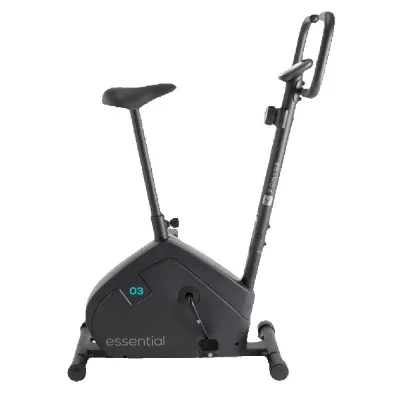
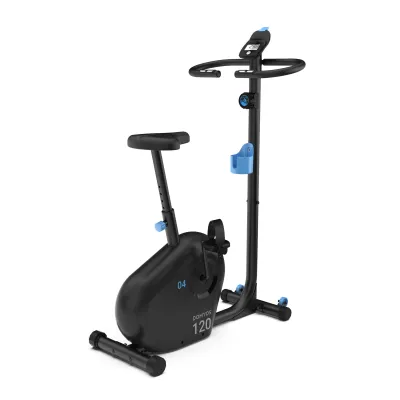
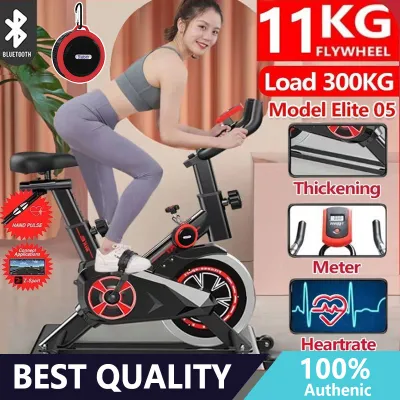
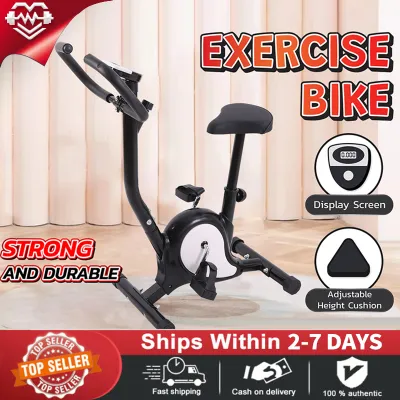
Prices are valid at publication and may change. Please refer to the product page for the latest price.
Ceiling height is another critical dimension that is frequently overlooked, especially if you plan to stand up while pedaling. Standard upright and spin bikes elevate your body during high-intensity intervals, so you must calculate your height plus the pedal spindle height to ensure you will not hit overhead light fixtures or low-hanging concrete beams. Always account for the manufacturer-recommended clearance zones around the machine. A safe setup typically requires at least two feet of open space on all sides of the bike, allowing you to mount and dismount safely and ensuring adequate ventilation during intense, sweat-inducing sessions.
The floor surface itself requires careful preparation to handle the weight and movement of fitness equipment. Placing a heavy metal machine directly on laminate, vinyl, or hardwood floors can cause permanent scratches, dents, and discoloration over time. To prevent this damage and stabilize the machine, plan to install a high-density equipment mat beneath the bike. In tropical climates where indoor humidity can be high, a non-porous rubber or PVC mat also serves as an essential barrier, catching sweat before it can seep into floor joints or cause slipping hazards during your workout.
Comparing Exercise Bike Styles for Small Floor Plans
Different exercise bike designs serve distinct training styles, and each carries unique spatial advantages and limitations. Understanding these structural differences allows you to match the equipment to both your fitness level and your condo’s layout.

Foldable Bikes
Foldable exercise bikes are the ultimate space-savers for micro-condos and studio units. These machines feature an X-frame design that allows you to fold the frame inward, drastically reducing the floor footprint when the bike is not in use. This makes it easy to slide the unit into a closet, place it behind a door, or tuck it next to a wardrobe. However, this folding mechanism introduces structural trade-offs. The central hinge can wear down over time, and the lightweight frame lacks the overall rigidity of a solid, non-folding bike. If you plan to perform high-intensity interval training or stand up on the pedals, a foldable bike may feel unstable or wobbly under heavy load.
Upright and Spin Bikes
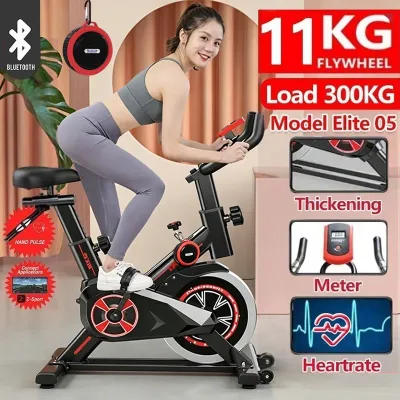
Upright and spin bikes offer a stationary, non-folding frame that provides excellent stability for moderate to high-intensity workouts. Upright bikes feature a wider seat and handlebars positioned higher up, promoting a comfortable, vertical riding posture that mimics a traditional recreational bicycle. Spin bikes, on the other hand, feature a heavy flywheel and a geometry designed to replicate road cycling, allowing you to lean forward and stand up for intense climbs. While these bikes require a permanent floor footprint of roughly four feet by two feet, their vertical orientation keeps them relatively compact. You must verify the seat-to-handlebar adjustability to ensure proper biomechanics, particularly if multiple household members of different heights will share the machine.
Recumbent Bikes
Recumbent bikes prioritize user comfort and ergonomic support, featuring a bucket-style seat with a backrest and pedals positioned out in front of the rider. This design is highly beneficial for individuals recovering from injuries, those with lower back pain, or older adults seeking a low-impact cardiovascular option. However, this comfortable layout requires a significantly larger horizontal footprint than upright models. A recumbent bike can easily take up five to six feet of floor length, making it difficult to integrate into small condo rooms without completely dominating the space. If you choose a recumbent model, you must carefully plan your room layout to accommodate its extended length without creating a permanent obstacle.
Essential Specs to Verify for Condo Living
When shopping for a bike gym setup, looking at product photos is not enough; you must dive deep into the technical specifications to ensure the machine is compatible with shared-wall living. Start by cross-referencing the manufacturer’s stated dimensions, shipping weight, and maximum user weight capacity. A bike that is too light may slide around during use, while an excessively heavy commercial-grade machine can be incredibly difficult to move or assemble by yourself in a tight space.
The type of resistance system is the single most important factor governing the noise level of your bike. Friction resistance systems use felt pads that press directly against the spinning flywheel, which can create a continuous hissing sound and require regular lubrication or replacement. For condo living, a magnetic resistance system is highly recommended. Magnetic bikes use powerful magnets to adjust resistance without physically touching the flywheel, resulting in near-silent operation that will not disturb family members sleeping in the next room or neighbors living directly below you.
Mobility and stability features are also essential for managing equipment in a multi-use room. Look for models equipped with integrated transport wheels on the front stabilizer bar, which allow you to tilt the bike and roll it out of the way when cleaning or rearranging the room. Additionally, ensure the bike features adjustable leveling feet on the base. Condo floors, particularly those with tile or slightly uneven concrete subfloors, are rarely perfectly flat; leveling feet allow you to eliminate any rocking motion, ensuring a safe, stable ride and preventing structural creaking noises.
Safe Setup and Maintenance in Compact Rooms
Once you have selected and delivered your exercise bike, proper installation and ongoing care are vital to maintaining a safe, functional home gym. Position the bike in a well-ventilated area, keeping it away from direct sunlight and high-humidity zones like open balcony doors or bathroom entryways. Excessive moisture and heat can accelerate the corrosion of metal parts and damage sensitive electronic consoles or heart rate sensors. Ensure the bike is placed clear of primary walkways so that household members do not accidentally trip over the stabilizers in the dark.
Power management is another key safety consideration in small rooms. If your bike requires an electrical outlet for its console or motorized resistance, route the power cable neatly along the baseboards using cable clips or a protective floor cover. Loose, dangling cords are a major tripping hazard in tight spaces and can easily be caught in the bike’s moving pedals or flywheel.
Finally, establish a consistent maintenance routine based on your product’s user manual. In a compact home gym, mechanical issues can quickly escalate into safety hazards or loud noises. Regularly check the tightness of all assembly bolts, ensure the pedal threads are securely tightened into the crank arms, and inspect the drive belt tension. Wiping down the frame after every workout to remove sweat prevents rust and keeps the machine operating smoothly for years to come.
Frequently Asked Questions (FAQ)
Is it safe to store a foldable exercise bike in an upright position?
Yes, storing a foldable bike upright is safe, provided you strictly follow the manufacturer’s instructions. Always verify that the safety locking pin or latch is fully engaged and locked into place before lifting or moving the folded unit. To prevent accidental tipping, place the folded bike against a flat, stable wall away from high-traffic areas, pets, and children. Avoid leaning the bike against slippery surfaces or glass doors, and ensure the transport wheels are locked or positioned so the frame cannot roll or slide out of balance.
How can I minimize vibration transfer to the floor below my condo unit?
To minimize vibration transfer, place a high-density rubber or dense foam equipment mat directly under the bike to absorb kinetic energy and dampen sound. Ensure the bike’s adjustable leveling feet are perfectly calibrated so the frame does not rock or wobble during your workout, as uneven contact with the floor amplifies vibrations. Finally, keep the drive system clean and well-maintained; a dry chain or misaligned belt can create mechanical grinding noises that easily travel through concrete floors to the unit below.
Community discussion
Share your experience or ask a question. Comments are reviewed before publication.