
To catch crabs or fish successfully in Philippine waters, you must choose a fish trap cage tailored to the specific biology, movement patterns, and physical power of your target species. Crabs are powerful, bottom-walking scavengers that require heavy-duty, small-mesh cages made of galvanized or PVC-coated wire with wide, low-profile entry ramps. Swimming fish, such as tilapia or snappers, are active mid-water navigators that require lighter, larger-mesh nylon or wire traps equipped with inward-pointing funnel entries (throats) that exploit their forward-swimming instincts and prevent escape.
Selecting the wrong gear leads to frustrating results: crabs will easily tear through lightweight nylon fish nets with their claws, while active fish will quickly find their way out of wide crab entry slots. By matching the cage design, mesh dimensions, and structural materials to your specific target, you can maximize your harvest while protecting local marine ecosystems.
Diagnose Your Target: Crab Scavengers vs. Swimming Fish
Before purchasing a fish trap cage, you must identify whether your primary target is a bottom-dwelling crustacean or a free-swimming fish. The physical characteristics and foraging behaviors of these two groups dictate entirely different trap mechanics. Attempting to use a single, un-modified trap for both usually results in damaged gear, stolen bait, or empty chambers.
Products mentioned in this guide
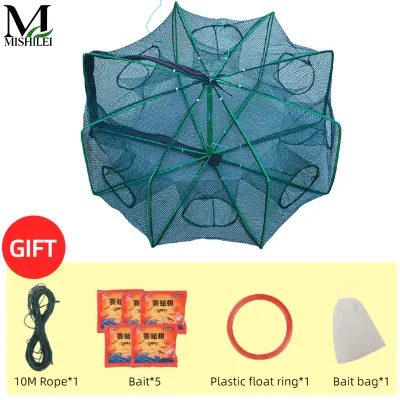
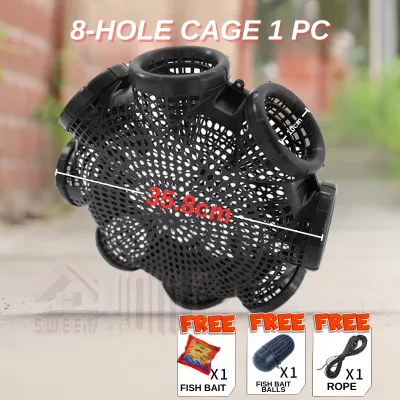
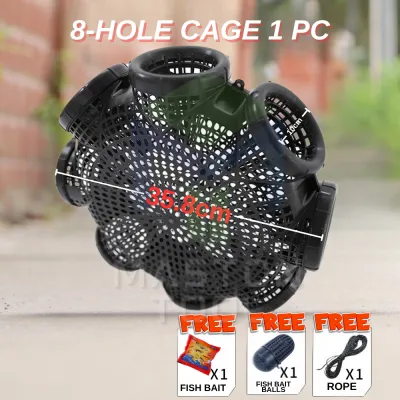
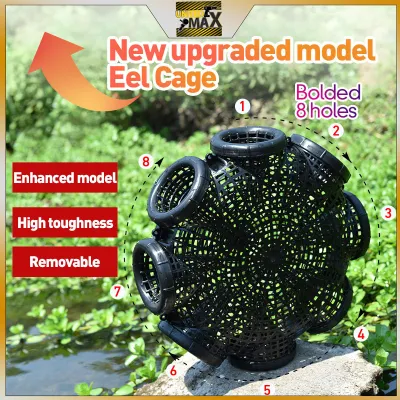
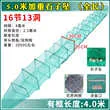
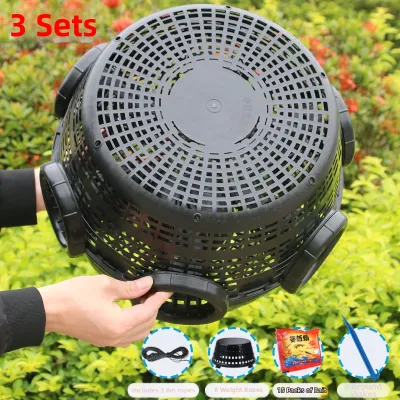
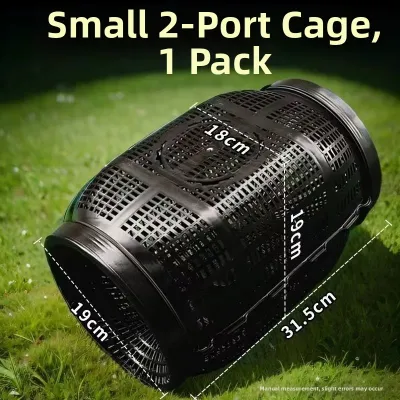
Prices are valid at publication and may change. Please refer to the product page for the latest price.
In the coastal estuaries, mangrove swamps, and sandy bays of the Philippines, your primary crab targets will likely be mud crabs (locally known as alimango) or blue swimming crabs (alimasag). Mud crabs are incredibly strong, aggressive scavengers that use their massive claws to crush shells, tear at food, and rip through weak barriers. They do not swim into traps; instead, they crawl along the muddy or sandy floor, relying on their highly developed sense of smell to locate dead fish or decaying organic matter. They require an enclosure that can withstand constant claw pressure and keep them securely contained once they crawl inside.
Conversely, common local fish targets—such as Nile tilapia in freshwater lakes, mudfish (dalag) in inland waterways, or small snappers (mangagat) and groupers (lapu-lapu) around coastal reefs—are active, visual swimmers. These fish navigate the water column and are drawn to traps by scent plumes or visual lures. Once they enter a trap, they continue to swim forward, circling the perimeter of the cage rather than crawling. Because they lack the destructive claws of crabs, the trap does not need heavy-duty armored walls, but it must feature an entry system that prevents them from finding the exit as they swim.
Your first decision is to choose between a highly specialized trap designed for a single species or a versatile, modified design. If you fish primarily in brackish mangrove channels, a specialized crab pot is your best investment. If you fish in open lakes or near shallow coral reefs, a dedicated swimming fish trap will yield far better results.
Match Mesh Size and Material to Your Catch
Once you have identified your target, you must select the correct mesh size and cage material. The mesh size determines what stays inside the trap and what escapes, while the material determines how long your gear will survive the harsh tropical environment.

For Crabs
Crab traps require a small, highly durable mesh, typically ranging from 1/2 inch to 1 inch (12.7 mm to 25.4 mm). If the mesh is any larger, crabs can easily reach their claws through the openings to pinch off pieces of bait without ever entering the trap. Smaller crabs may also slip through the gaps, leaving you with an empty cage.
The material must be exceptionally robust. Raw steel or thin nylon netting will not survive a single season. Mud crabs can easily slice through standard nylon net traps with their sharp dactyls. Opt for heavy-duty galvanized wire or, ideally, PVC-coated wire mesh. The PVC coating provides an extra layer of protection against the highly corrosive brackish and saltwater environments common in Philippine coastal areas, preventing rust from weakening the joints.
For Fish
Fish traps generally utilize a larger mesh size, typically 1 to 2 inches (25.4 mm to 50.8 mm) depending on the size of your target species like tilapia. A larger mesh size is highly beneficial for several reasons. First, it significantly reduces water drag, allowing the trap to remain stable in moving river currents or tidal flows without rolling over. Second, it allows small, undersized juvenile fish and non-target baitfish to swim out freely. This is crucial for sustainable fishing, ensuring you do not deplete local fish populations.
For fish traps, a rigid frame wrapped in durable, UV-treated nylon netting or lightweight vinyl-coated wire is highly effective. The frame keeps the trap fully expanded in the water, while the flexible netting keeps the overall weight manageable for transport.
| Target Catch | Recommended Mesh Size | Recommended Material | Primary Benefits |
|---|---|---|---|
| Crabs (Alimango / Alimasag) | 1/2 inch to 1 inch (12.7 to 25.4 mm) | Heavy-duty galvanized or PVC-coated wire, rigid plastic | Resists claw damage, prevents bait theft, stands up to saltwater corrosion |
| Fish (Tilapia, Dalag, Snapper) | 1 to 2 inches (25.4 to 50.8 mm) | UV-treated nylon netting, coated wire frames | Reduces water drag, allows juvenile escape, lightweight for transport |
Note: Always verify the average size of your target species in your specific fishing ground before purchasing, as local municipal ordinances may dictate minimum mesh sizes to protect marine ecosystems.
Select the Right Trap Design and Entry Funnels
The geometry of your fish trap cage and the design of its entry points must align with how your target moves. If the entry mechanism is counter-intuitive to the animal’s natural behavior, they will simply ignore the trap.
Crab Trap Designs
Effective crab traps rely on low-profile box, pyramid, or circular ring designs. Because crabs walk along the sea or river floor, they are reluctant to swim upward to enter a trap. The entry points must sit flush with the bottom.
Most successful crab cages feature wide, one-way ramp entries or top-drop doors. The crab walks up a gentle incline toward the bait and drops into a lower holding chamber. Once inside, the steep drop-off or a one-way wire gate prevents them from climbing back out. Some collapsible crab traps use spring-loaded wire rings that lie completely flat on the seabed, raising into a wall only when you pull the retrieval line; these are highly effective but require constant monitoring.
Fish Trap Designs
Fish traps rely on cylindrical, rectangular, or multi-chambered hoop designs featuring inward-pointing funnel entries, often called “throats” or “cones.” These funnels exploit the natural swimming behavior of fish.
As fish swim toward the scent of the bait, they are guided along the wide outer opening of the funnel. The funnel gradually narrows, forcing the fish to squeeze through a small opening into the center of the cage. Once inside, the fish will naturally swim in circles along the outer walls of the cage to find a way out. Because the inner exit of the funnel is suspended in the middle of the cage and points inward, the fish rarely locate the narrow opening to escape.
Material and Portability Trade-offs
When choosing a trap, you must also consider how you will transport it to your fishing spot:
- Collapsible Traps: These traps use spring-loaded wire frames or folding hinges that allow them to pack completely flat. They are ideal if you fish from a small kayak, a narrow motorized outrigger boat (banca), or if you must hike through dense mangrove paths to reach your spot. You can easily carry ten collapsible traps in a single bag. However, because they are lightweight, they can easily drift in strong tidal currents or collapse under the weight of heavy debris.
- Rigid Welded Traps: Constructed from heavy-gauge welded wire mesh, these traps are incredibly durable and hold their shape perfectly in strong river currents or heavy surf. They resist damage from large underwater predators like monitor lizards (bayawak) or large pufferfish. The trade-off is their bulk; they take up significant space, making it difficult to transport more than a few at a time on a small boat.
Optimize Baiting and Placement in Local Waters
Even the best fish trap cage will remain empty if it is baited incorrectly or placed in the wrong location. To maximize your catch in Philippine waters, you must adapt your strategy to the local environment, tides, and species.
Bait Selection
For crabs, you need highly pungent, oily, and physically tough bait that can withstand hours underwater. Excellent local choices include chicken necks, fish heads (such as tuna or mackerel scraps), or crushed brackish-water clams. It is critical to secure the bait inside a dedicated wire bait box or mesh bag tied securely to the exact center of the trap. If you simply throw the bait loose into the cage, crabs will crawl underneath or sit on top of the trap, pulling the bait through the mesh without ever entering.
For fish, the bait should focus on dispersing a wide scent trail. You can use dough balls mixed with local rice bran (darak), commercial fish feed pellets placed inside a fine mesh dispenser, or chopped local baitfish (tamban). The goal is to create a slow-release scent plume that draws fish from downstream directly into the funnel entry.
Placement Strategies
When deploying crab traps in muddy estuaries or mangrove channels, you must anchor them firmly. The changing tides in the Philippines can create powerful currents that will roll lightweight traps. If a trap rolls, the entry ramps will face upward or become buried in the mud, rendering them useless. Add extra lead weights or heavy stones to the bottom of your crab cages to keep them flat on the seabed. Avoid placing traps in deep, soft mud where the entries might sink and become blocked.
For fish traps, look for natural underwater structures where fish seek shelter and food. Position your traps near mangrove root systems, submerged rock piles, or close to the edges of bamboo fish sanctuaries (payao). You can rest the traps on flat sandy patches near coral reefs or suspend them mid-water using a buoy system in deeper lakes.
Always consult local tide charts before setting your gear. The best time to deploy and retrieve traps is during slack water—the brief period of calm water during the transition between high and low tide. This ensures your traps settle correctly on the bottom and prevents strong tidal currents from sweeping your marker buoys underwater.
Maintain Your Gear and Verify Local Regulations
To ensure your fish trap cage lasts for years and to avoid heavy fines from local authorities, establish a strict maintenance routine and verify regional fishing laws before heading out.
Gear Maintenance Checklist
- Freshwater Rinse: After every deployment in saltwater or brackish estuaries, thoroughly rinse your traps with clean freshwater. Salt crystals accelerate the corrosion of galvanized wire and degrade the structural integrity of nylon netting.
- Shade Drying: Always dry your traps in a well-ventilated, shaded area. Direct, intense tropical sunlight will quickly degrade UV-sensitive nylon nets and cause PVC coatings to crack and peel.
- Damage Inspection: Check the mesh and entry funnels for broken wires or torn netting before every trip. A single small hole can allow your entire catch to escape. Use heavy nylon twine or zip ties to quickly patch any damaged areas.
- Safety Check: Run a file over any sharp, exposed wire ends on welded traps. Sharp metal edges can cause deep cuts on your hands during quick retrievals or damage the delicate skin of your catch.
Regulatory and Safety Compliance
Before deploying any traps, visit your local Municipal Agriculture Office or consult the guidelines set by the Bureau of Fisheries and Aquatic Resources (BFAR). Under the Philippine Fisheries Code, individual municipalities have the authority to regulate passive fishing gear.
Many local government units (LGUs) enforce strict minimum mesh size limits (often prohibiting mesh smaller than 3 cm or 1.2 inches for active fishing) to protect juvenile marine life (binhi). Additionally, ensure you are not fishing inside designated Marine Protected Areas (MPAs), fish sanctuaries, or active navigation lanes where traps can pose a hazard to passing boats. Fishing responsibly preserves our rich aquatic resources and ensures successful harvests for years to come.
Frequently Asked Questions (FAQ)
Can I use the same fish trap cage for both crabs and fish?
While some rigid box traps with adjustable entry funnels can technically catch both, it is generally an inefficient compromise. A mesh size small enough to securely hold crabs creates high water resistance, making the trap prone to drifting in strong currents, and may violate local municipal laws regarding juvenile fish protection. Conversely, a larger mesh size suitable for fish will allow smaller crabs to escape easily or reach through the gaps to steal your bait without entering. For consistent results, it is best to use specialized traps for each target.
How often should I check my fish trap cage in tropical waters?
In the warm tropical waters of the Philippines, you should check your traps at least once or twice every 12 to 24 hours. High water temperatures accelerate bait decomposition, making it ineffective after a day. Furthermore, trapped crabs can become highly aggressive and cannibalistic if left together for too long, while trapped fish face high stress, risk of suffocation, and attacks from underwater predators like pufferfish or water monitors.
Community discussion
Share your experience or ask a question. Comments are reviewed before publication.