
Selecting the ideal floating board for adults in the Philippines requires matching the gear to your specific water environment and physical goals. Whether you are planning a relaxing weekend at a beach resort in Batangas, lounging in a private pool in Laguna, or executing high-intensity lap drills at a local sports complex, the right board serves as a specialized tool rather than a one-size-fits-all accessory. Understanding the structural differences between leisure-focused floats and high-performance training aids ensures you stay comfortable, safe, and efficient in the water.
Matching the Board Type to Your Water Activity
Before purchasing any floating gear, you must define your primary objective in the water. Leisure floats are engineered for static relaxation, prioritizing a large surface area, high stability, and comfortable materials that allow you to recline effortlessly. In contrast, swim training boards are designed for dynamic movement, featuring hydrodynamic shapes, compact profiles, and specialized grip zones that minimize drag while isolating your lower body for targeted workouts.
The natural environment also dictates your choice. A calm, controlled resort swimming pool allows for lightweight, expansive inflatable lounges or simple foam noodles. However, dynamic coastal waters at beaches in La Union or Boracay present unpredictable waves, tidal currents, and wind. Using a large, high-drag leisure float in open coastal waters can quickly pull you away from the shore, whereas a compact, rigid training board is easier to control but offers no passive resting support.
Products mentioned in this guide
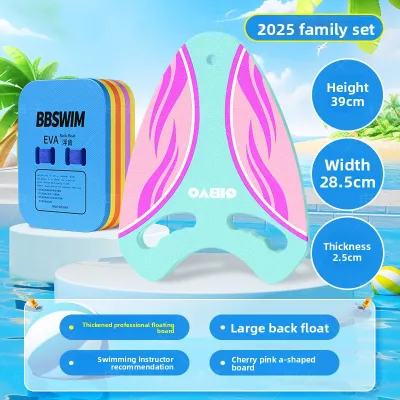
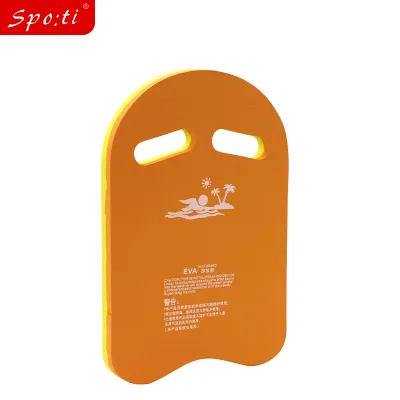
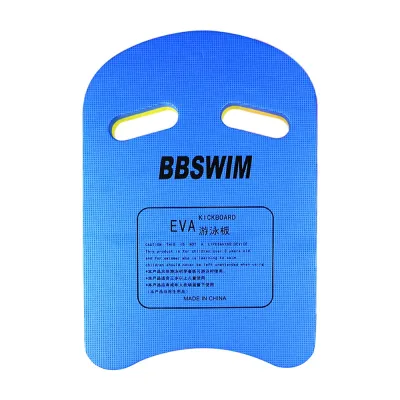
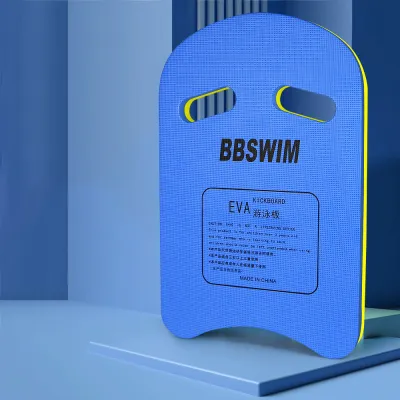
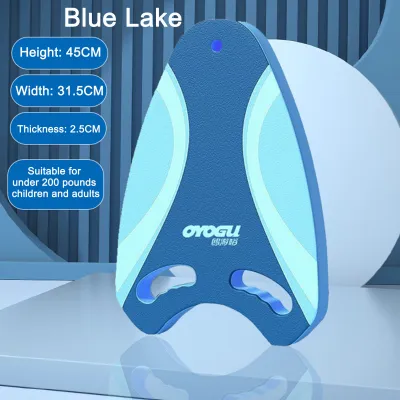
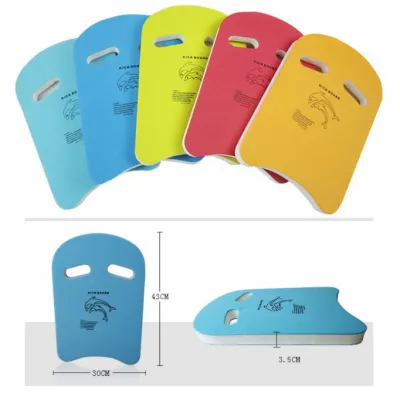
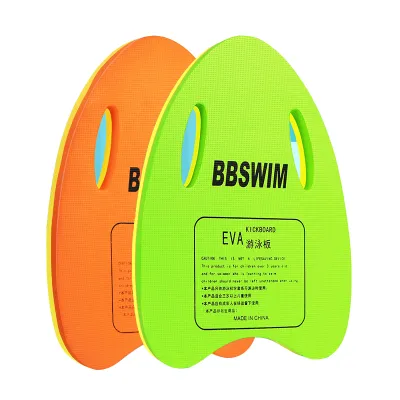
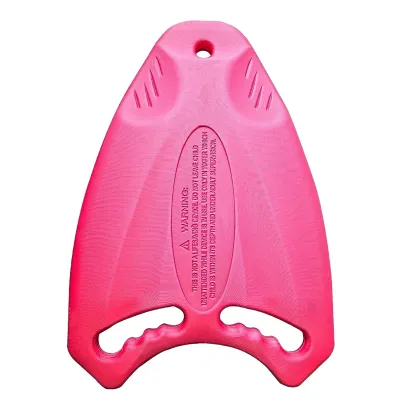
Prices are valid at publication and may change. Please refer to the product page for the latest price.
Attempting to use a single board for both fitness and leisure inevitably leads to trade-offs. A stiff, hydrodynamic kickboard lacks the surface area and stability required to support your upper body comfortably during a relaxed beach lounge. Conversely, a bulky inflatable lounge mat is far too wide and buoyant to allow for proper swimming posture or efficient stroke mechanics during an aqua fitness session.
Choosing Leisure Floats for Pool Lounging and Beach Days
When selecting a floating board for pure relaxation, stability and weight distribution are your primary considerations. Look for wide, multi-chambered inflatable mats or thick, solid-foam lounging boards that distribute your body weight evenly across the water surface. A well-designed leisure float should allow you to lie flat or recline without tipping over when you shift your weight or encounter minor ripples in the pool.

Portability is another critical factor, especially if your weekend plans involve island-hopping tours or domestic flights. Inflatable PVC models are highly portable, deflating into compact packages that fit easily into a beach tote or backpack. When evaluating these, check the manufacturer’s specifications for inflation times and valve designs; dual-action valves or wide-opening quick valves make manual inflation much easier under the tropical sun. Solid foam lounging boards, while bulkier to transport, offer the advantage of being puncture-proof and instantly ready for the water.
The surface texture of the board directly affects your comfort during extended use. Look for materials with a soft, matte finish or a fabric-covered exterior rather than glossy, smooth plastic. Glossy PVC can become incredibly slippery when wet, causing you to slide off the board, and it can stick uncomfortably to bare skin when heated by the intense tropical sun. A textured or fabric-lined surface prevents skin irritation and provides a secure, non-slip grip.
Selecting Training Boards for Lap Swimming and Aqua Fitness
For adults focused on lap swimming, stroke correction, or cardiovascular conditioning, a dedicated training kickboard is essential. Traditional rectangular kickboards are highly buoyant but can place excessive strain on your shoulders and wrists during long sets. To prevent discomfort, look for ergonomic shapes featuring contoured hand grips, curved leading edges, or integrated arm slots that allow your arms to rest in a more natural, shoulder-width alignment.
Foam density and thickness determine how well a training board supports your body position. High-density, closed-cell ethylene-vinyl acetate (EVA) foam is the standard for quality training aids. Ensure the board’s thickness and overall volume match your body weight; a board that is too small or flexible will sink under your weight, forcing your hips down and ruining your swimming alignment. A high-quality adult kickboard should keep your lower body elevated near the surface without requiring you to press down excessively with your hands.
Grip security is vital when performing vigorous kicking drills. Look for boards with textured surfaces, molded finger grooves, or dual-grip handles. These features allow you to maintain a firm hold even when your hands are wet and fatigued, preventing the board from slipping away mid-lap and disrupting your training rhythm.
Verifying Material Durability and Weight Capacity
To ensure your floating board survives the harsh combination of tropical heat, intense UV rays, salt water, and pool chemicals, you must carefully inspect the product specifications. Do not assume all plastics and foams perform equally. Look for explicit manufacturer labels indicating UV resistance and saltwater compatibility. Untreated materials will degrade rapidly under the Philippine sun, leading to faded colors, brittle plastic, or crumbling foam.
Always verify the maximum weight capacity specified by the manufacturer before making a purchase. This rating is not just a safety limit; it dictates how the board behaves in the water. For optimal stability and performance, select a board with a rated capacity that comfortably exceeds your actual body weight. This margin ensures the board retains its intended buoyancy and responsiveness even during dynamic movements, such as climbing onto a lounge or executing a powerful kick turn.
Quality construction is visible in the details. For inflatable boards, inspect the seams; heat-welded or double-reinforced seams are far more durable than simple glued edges, which can split under high pressure or heat. For foam boards, choose closed-cell structures over open-cell alternatives. Closed-cell foam does not absorb water, ensuring the board remains lightweight, hygienic, and resistant to waterlogging and tearing over years of use.
Cleaning and Storing Your Floating Board
Proper maintenance is the key to extending the lifespan of your water gear, especially in a warm, humid climate. After every use, whether in a chlorinated resort pool or the salty waters of the ocean, thoroughly rinse your floating board with clean, fresh water. This simple step removes residual chlorine, salt crystals, sand, and organic matter that can slowly erode the material or degrade the valves of inflatable models.
Once rinsed, allow the board to air dry completely in a shaded, well-ventilated area. Never leave your gear to dry in direct, midday sunlight, as extreme heat can cause air inside inflatable chambers to expand and rupture seams, while UV rays accelerate the breakdown of foam structures. Proper ventilation is crucial in high-humidity environments to prevent the growth of mold and mildew on textured surfaces or fabric covers.
For long-term storage, keep your boards flat or loosely rolled in a cool, dry indoor space. Avoid folding inflatable boards tightly along sharp creases, as this weakens the PVC over time and can lead to pinhole leaks. Keep foam boards away from heavy, sharp objects that could permanently compress or puncture the material, ensuring your gear remains in peak condition for your next aquatic adventure.
Frequently Asked Questions (FAQ)
Can I use a swimming kickboard for relaxing at the beach?
Using a swimming kickboard for passive beach lounging is highly impractical and unsafe. Kickboards are compact training aids designed specifically to isolate the legs during active swimming; they lack the surface area, stability, and back support required to keep an adult floating comfortably in a relaxed, stationary position. Additionally, their hydrodynamic shape offers little resistance against coastal currents, making it easy to lose your balance or drift unexpectedly in open water.
How do I verify if a floating board has enough buoyancy for my weight?
To verify buoyancy, always check the manufacturer’s official product label, packaging, or technical specifications for the maximum weight capacity. Choose a board with a weight limit that exceeds your actual body weight by a safe margin. If you are using the board for active training, a properly rated board will keep your hips and legs aligned near the water surface without sinking or flexing excessively under your upper body weight.
What safety precautions should I take when using inflatable mats in open water?
When using inflatable mats in open water, always remember that leisure floats are not certified life-saving devices and cannot replace swimming ability or personal flotation gear. Before entering the water, check local weather forecasts, wind directions, and tidal currents, as strong offshore winds can rapidly sweep inflatable mats away from the shoreline. Always stay within designated swimming zones, remain close to shore where your feet can touch the ground, and ensure a lifeguard or spotter is present.
Community discussion
Share your experience or ask a question. Comments are reviewed before publication.