
Choosing the right Fox40 whistle for football refereeing in the Philippines is not about finding a single, universally perfect model, but rather about matching specific design features to your officiating environment, grip preferences, and physical comfort. The brand’s reputation for pealess technology makes it a staple in sports officiating, but the ideal choice varies based on match level, pitch size, and personal comfort. Football matches in the Philippines present unique challenges—ranging from sudden tropical downpours to intense afternoon heat—which require careful consideration of whistle materials and sound projection. This guide evaluates local conditions, design variations, and selection criteria to help you find the ideal whistle for your officiating needs.
Evaluating Match Environments and Physical Demands
The tropical climate of the Philippines introduces unique physical challenges for football referees. High humidity levels and intense heat lead to heavy sweating, which can make handling equipment difficult. A whistle that becomes slippery when wet can easily slip from a referee’s hand or mouth during a critical moment in the match, disrupting the flow of play.
Sudden rainstorms are a common occurrence, especially during the wet season from June to November. Traditional whistles with internal peas can quickly become waterlogged, silencing the signal or distorting the sound when a referee needs to stop play immediately. This makes weather-resistant equipment a necessity rather than a luxury for local officials.
Products mentioned in this guide
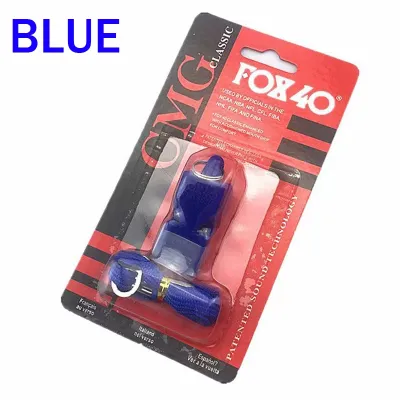
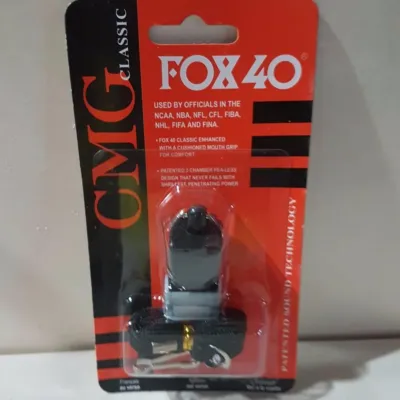
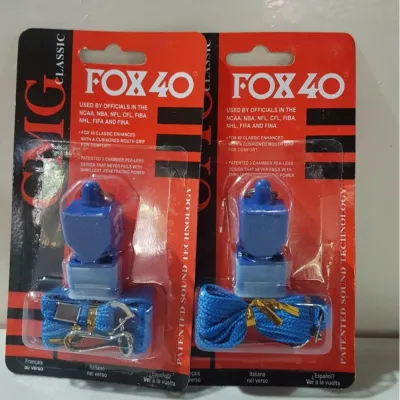
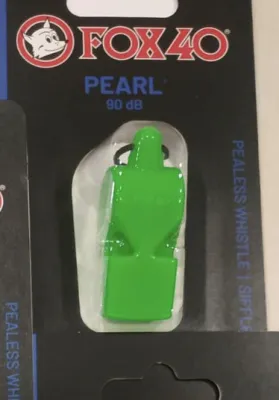
Prices are valid at publication and may change. Please refer to the product page for the latest price.
Football pitches in the Philippines vary widely, from open-air community fields to large provincial sports complexes. Sound travels differently depending on the venue’s surroundings. Open fields with minimal windbreaks require a whistle with strong sound projection to overcome wind resistance and carry across the entire length of the pitch.
Ambient noise is another critical factor to consider. Matches often take place near busy roads, or they may attract loud, enthusiastic crowds of supporters. A referee’s whistle must produce a sharp, distinct frequency that can cut through this background noise, ensuring that players, coaches, and assistant referees can hear the signal instantly.
The physical demands of officiating a 90-minute match also take a toll on the referee’s body. Constant running, signaling, and maintaining focus require significant energy. Biting down on a hard plastic whistle for extended periods can lead to jaw fatigue, dental discomfort, and even minor cuts on the lips if the material is too rigid.
To mitigate these physical strains, referees must evaluate the ergonomic features of their equipment. A whistle that offers a comfortable, secure grip in the mouth allows the referee to focus entirely on the match rather than adjusting their gear. Selecting a model that balances sound performance with physical comfort is essential for maintaining control of the game.
Decoding Fox40 Design Features and Specifications
Understanding the engineering behind pealess whistles is key to making an informed choice. Traditional whistles rely on a small cork pea inside a chamber to create a trilling sound. However, moisture from saliva or rain can cause the pea to stick to the chamber wall, rendering the whistle useless when a quick whistle blow is needed.

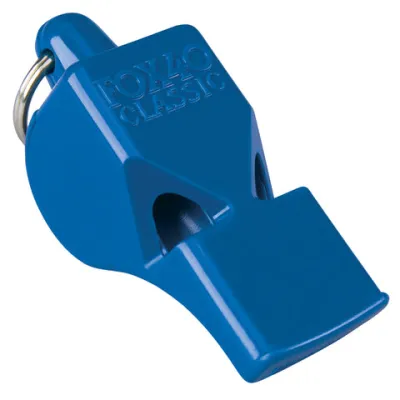
Fox40 whistles utilize a pealess design that relies on tuned chambers to generate sound. When air is blown into the whistle, it splits into two or more chambers, creating alternating sound waves that produce a loud, piercing tone. Because there are no moving parts, these whistles cannot jam or freeze, ensuring reliable performance in any weather condition.
Grip configurations are another major design variation to consider. Traditional models are designed to be held between the fingers or attached to a lanyard. Finger-grip models feature a built-in metal or plastic clasp that slides over the fingers, keeping the whistle securely positioned and ready for immediate use without the need to grasp it.
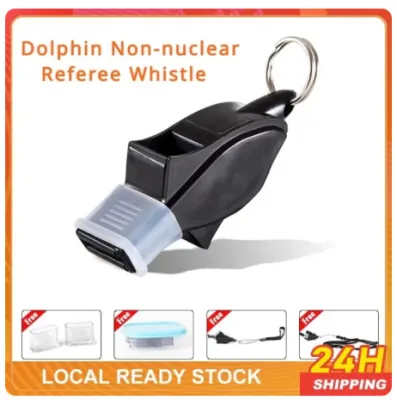
Lanyard-compatible models feature a small loop at the end of the whistle body. This allows referees to attach a wrist lanyard or a breakaway neck lanyard, providing flexibility in how they carry and access their equipment. Some referees prefer this setup as it allows them to drop the whistle completely when managing cards or player confrontations.
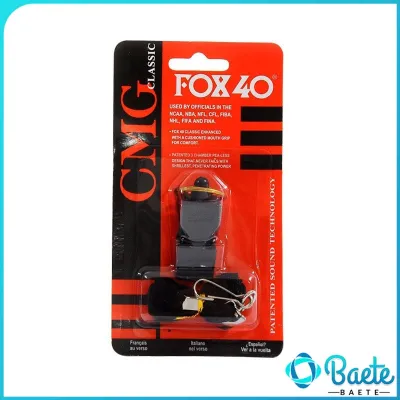
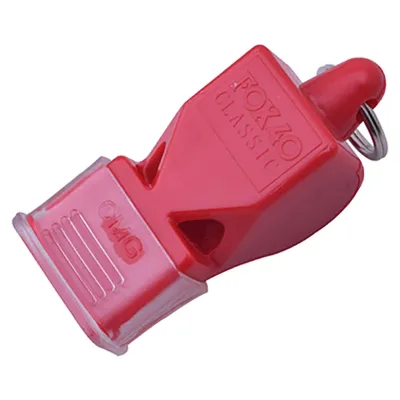
Mouthpiece design significantly impacts comfort and usability. Standard models feature a hard plastic mouthpiece, which is highly durable but can be tough on the teeth. Cushioned mouth grip (CMG) models feature a soft, thermoplastic overmold on the mouthpiece, providing a slip-resistant surface that is gentler on the jaw and teeth.
Decibel ratings and frequency indicators are provided on official packaging to help referees gauge sound projection. Decibel ratings measure the volume of the whistle, with most referee models ranging from 115 to 120 decibels. Frequency ratings, measured in hertz, determine the pitch; higher frequencies produce a sharper, more piercing sound that cuts through high-frequency crowd noise.
When evaluating these specifications, referees should check the packaging labels carefully. A higher decibel rating does not always mean a whistle is suitable for every environment. For example, an extremely loud whistle may be overwhelming in a small, enclosed indoor court, while a lower-decibel model may fail to carry across a large, windy outdoor pitch.
Matching Whistle Profiles to Your Officiating Style
Selecting the right whistle profile requires matching the equipment’s acoustic properties to the level of competition you officiate. For high-level matches played in large stadiums with significant crowd noise, a high-penetration model with a high decibel rating is essential to maintain control and ensure all participants hear your signals.
Conversely, if you primarily officiate grassroots matches, youth leagues, or school tournaments on smaller fields, a standard-volume whistle is often more appropriate. An excessively loud whistle can startle young players and cause discomfort to those in close proximity, making a moderate acoustic profile a better choice for these settings.
Your preferred grip style should align with how you manage the match. Referees who prefer a hands-on approach, frequently using hand gestures, managing assistant referees, and writing on match cards, often find finger-grip models highly convenient. These models keep the whistle securely on the hand, allowing for quick transitions between signaling and blowing.
On the other hand, referees who prefer to keep their hands completely free when not blowing the whistle may prefer a lanyard setup. A breakaway neck lanyard ensures safety by releasing if pulled forcefully, while a wrist lanyard keeps the whistle close at hand without cluttering the fingers. This choice is largely a matter of personal habit and comfort.
Comfort trade-offs must also be considered, especially for referees officiating multiple matches in a single day. Weekend tournaments in the Philippines often require referees to handle several back-to-back games in hot weather. In these scenarios, a model with a cushioned mouth grip is highly beneficial to prevent lip chafing and jaw fatigue.
While cushioned models offer superior comfort, they may require more frequent inspection for wear compared to solid plastic models. The thermoplastic material can degrade over time due to bite pressure and exposure to saliva. Referees must weigh the long-term durability of hard plastic against the immediate comfort of cushioned designs.
Ultimately, building a personalized shortlist involves testing different configurations to see what feels most natural on the pitch. Many experienced referees carry multiple whistles in their gear bag, allowing them to adapt to different match conditions, venue acoustics, and weather changes on game day.
Purchasing Checklist and Authenticity Verification
Due to the high demand for quality officiating gear, counterfeit whistles are a common issue in the local market. Purchasing a counterfeit whistle not only compromises sound performance but can also pose safety risks if the materials used are of low quality or contain harmful chemicals.
When sourcing a whistle, always inspect the packaging for official markers of authenticity. Genuine products feature consistent branding, clear and crisp printing, and detailed manufacturer information. Look for holographic stickers or specific security labels that indicate the product is an authorized import.
Be cautious when browsing online marketplaces or e-commerce platforms. Listings that offer whistles at suspiciously low prices, such as a fraction of the standard retail price found at authorized sporting goods stores, are highly likely to be counterfeit. Always check seller ratings, read customer reviews, and look for verified store badges.
Inspect the physical whistle itself for quality indicators. Genuine whistles have smooth, clean seams and a solid feel. Counterfeits often exhibit rough plastic edges, misaligned seams, or blurry logo prints. The material should feel durable and rigid, without any strong chemical odors that suggest cheap plastic.
Verify material specifications directly on the product label or official brand documentation. Genuine whistles are made from BPA-free polycarbonate and high-grade thermoplastics. If a listing or packaging lacks clear material disclosures or makes vague claims, it is best to avoid the purchase and source from a reputable local sports retailer.
Maintenance and Storage in Tropical Climates
Proper maintenance is crucial for extending the lifespan of your whistle and ensuring hygienic use, especially in the humid climate of the Philippines. Saliva, sweat, and dirt can accumulate inside the sound chambers over time, which can muffle the sound and encourage the growth of bacteria.
After every match, rinse your whistle thoroughly with clean, warm water to remove any residue. Shake out any excess water from the chambers and allow the whistle to air-dry completely in a well-ventilated area. Avoid using a towel or cloth to dry the inside, as lint can clog the chambers.
Never use harsh chemical disinfectants, boiling water, or abrasive cleaning tools on your whistle. High temperatures from boiling water can warp the polycarbonate structure, while harsh chemicals can degrade the cushioned mouth grip and pose a health risk when you put the whistle back in your mouth.
Storage conditions are equally important for preserving the whistle’s integrity. Avoid leaving your gear bag in direct sunlight or inside a hot, closed vehicle parked outdoors. Extreme heat can cause the plastic to warp, the adhesive on cushioned grips to fail, and the materials to become brittle over time.
Keep your whistle in a dedicated, breathable pouch within your referee bag to protect it from dust and scratches. By establishing a consistent cleaning and storage routine, you can ensure that your whistle remains hygienic, reliable, and ready to deliver a clear, powerful signal on match day.
Frequently Asked Questions (FAQ)
Can I attach a lanyard to a finger-grip Fox40 whistle?
Finger-grip models are structurally designed to be held securely on the fingers and typically do not feature a built-in loop for attaching a standard lanyard. Attempting to modify a finger-grip whistle by drilling holes or forcing a metal ring through the body can damage the internal sound chambers, altering the pitch or silencing the whistle entirely.
If you prefer using a lanyard, it is highly recommended to purchase a model specifically designed with a lanyard loop. Modifying equipment can also create safety hazards, such as a choking risk if the whistle catches on a player or equipment during a match. Always use the whistle configuration that matches your preferred carrying method.
How often should I replace my refereeing whistle?
There is no fixed calendar schedule for replacing a refereeing whistle, as its lifespan depends heavily on usage frequency and maintenance. Instead, referees should regularly inspect their equipment for physical signs of wear and tear that could compromise performance or hygiene.
Key indicators that it is time for a replacement include deep bite marks that weaken the mouthpiece, visible cracks in the plastic body, or a noticeable drop in sound clarity and volume. If you use a model with a cushioned mouth grip, replace the whistle if the soft material begins to peel, tear, or degrade, as this can harbor bacteria and affect comfort.
Community discussion
Share your experience or ask a question. Comments are reviewed before publication.