
Choosing the right gatorade water bottle requires matching its capacity, lid mechanism, and material to your specific training environment and physical demands. Whether you are running under the intense midday sun, lifting weights in an air-conditioned fitness center, or playing a high-intensity football match, your hydration tool must deliver fluids efficiently without disrupting your rhythm. There is no single universal option that excels in every setting, so identifying your primary activity is the first step toward making an informed choice.
In tropical climates like the Philippines, where high humidity and elevated temperatures accelerate fluid loss, selecting an appropriate bottle is not just a matter of convenience but a critical component of heat safety and performance. By evaluating how long you train, how you consume water during movement, and how well a bottle maintains temperature, you can select a model that seamlessly integrates into your daily fitness routine.
Matching Bottle Capacity to Your Workout Duration and Sweat Rate
Your baseline hydration requirement is directly tied to the duration and intensity of your physical exertion. During short, high-intensity workouts lasting under an hour, a standard-sized bottle is often sufficient to maintain fluid balance without adding unnecessary weight to your gear. However, as your training sessions extend past the 60-minute mark, your cumulative fluid loss increases, requiring a larger volume of water or electrolyte-rich sports drinks to sustain your energy levels and prevent dehydration.
Products mentioned in this guide
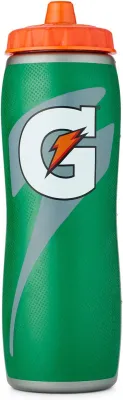
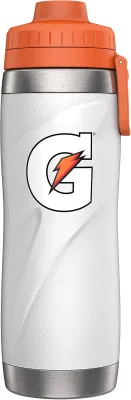
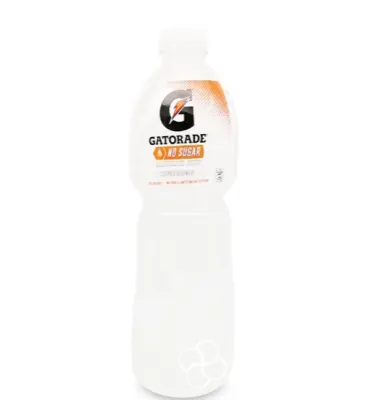
Prices are valid at publication and may change. Please refer to the product page for the latest price.
The local climate plays a massive role in dictating your sweat rate, particularly in a hot and humid environment. High humidity levels hinder the evaporation of sweat from your skin, which is the body’s primary mechanism for cooling itself down. Consequently, your body sweats more profusely in an attempt to regulate its core temperature. If you are training outdoors—whether running on asphalt, cycling along coastal roads, or playing on open-air basketball courts—your sweat rate will be significantly higher than if you were exercising in a climate-controlled, air-conditioned gym. For outdoor training, a larger capacity bottle is essential to offset this rapid fluid loss, whereas indoor gym-goers can often get away with smaller capacities due to the tempered environment and proximity to water refill stations.
To simplify your selection, you can categorize your hydration needs into three general workout durations. For short sessions lasting 30 to 60 minutes, a standard capacity bottle of around 24 to 32 ounces (approximately 710 to 946 milliliters) provides a lightweight, highly portable solution. For medium-length training sessions spanning one to two hours, a large bottle or a pair of standard bottles is recommended to keep pace with your fluid loss. For extended endurance training, all-day tournaments, or outdoor hikes lasting over two hours, an extra-large capacity bottle or a dedicated hydration jug (such as a 64-ounce or 1.89-liter model) is ideal to ensure you do not run out of fluids mid-workout.
Before making a purchase, it is important to check the exact volume markings and manufacturer specifications printed on the product label or packaging. Actual capacities can vary slightly depending on the specific bottle design, lid style, and whether the bottle features double-wall construction, which can reduce internal volume compared to its external dimensions. Relying on verified manufacturer specifications ensures you obtain the precise capacity required for your target workout duration.
Selecting the Best Lid and Dispensing Mechanism for Your Sport
The mechanism through which a bottle dispenses water is just as critical as its overall capacity, as it directly impacts your focus, safety, and physical form during an activity. The three most common lid designs found on sports bottles are squeeze valves, screw-top lids, and integrated straw spouts. Each design serves a distinct functional purpose, offering specific advantages depending on the physical demands of your sport and how much manual dexterity you can spare while moving.

Squeeze bottles equipped with self-sealing silicone valves are the industry standard for activities that require rapid, one-handed hydration. These bottles do not require you to manually open a cap or tilt your head back excessively to drink; instead, you simply squeeze the flexible body of the bottle to release a steady stream of pressurized fluid. This quick-access design is highly advantageous for runners, cyclists, and field athletes playing sports like football, basketball, or ultimate frisbee. In these fast-paced scenarios, breaking your physical form or losing sight of the play to unscrew a lid can disrupt your performance or even lead to collisions. A reliable squeeze valve allows you to hydrate on the fly and immediately return your focus to the game.
Conversely, screw-top lids and wide-mouth straw spouts are better suited for stationary or structured workouts where physical movement is paused during hydration. For weightlifting, powerlifting, yoga, or stationary gym machine sessions, you typically have dedicated rest intervals between sets to take a drink. In these environments, the priority shifts from rapid, one-handed operation to spill prevention and ease of cleaning. A screw-top lid provides a highly secure, mechanical seal that prevents accidental leaks in your gym bag, while a wide-mouth straw lid allows you to sip comfortably without tilting the bottle, making it easy to use while keeping your eyes on your training space.
When shopping on e-commerce platforms, it is highly recommended to verify leak-proof claims and valve mechanisms by reading user reviews and checking the manufacturer’s design specifications. Not all squeeze valves are engineered equally; some budget designs may drip when inverted or lose their sealing tension over time. Reading feedback from other athletes who use the bottle in similar conditions can help you identify models with durable, high-quality silicone valves that resist leaking even when tossed inside a duffel bag or mounted on a vibrating bicycle frame.
Material and Temperature Retention: What to Check Before Buying
The materials used to construct a sports bottle determine not only its weight and durability but also how well it manages liquid temperature in challenging environments. The primary choice you will face is between standard single-wall plastics and double-wall insulated designs. Understanding the physical trade-offs of these materials is key to selecting a bottle that keeps you comfortable and safe during intense physical exertion.
Standard single-wall plastic bottles are incredibly lightweight, highly flexible, and cost-effective, making them the go-to choice for athletes who prioritize portability and ease of squeezing. However, single-wall plastic offers virtually no thermal insulation. In a tropical climate, cold water stored in a single-wall bottle will rapidly warm up to ambient temperature, and condensation will quickly form on the exterior, making the bottle slippery to hold. Double-wall insulated bottles, on the other hand, utilize an insulating layer of air or vacuum between two walls to slow down heat transfer, keeping your water cold for hours even under direct sunlight. The main trade-offs are weight and flexibility: insulated bottles are significantly heavier, and because they often feature rigid outer walls, they cannot be squeezed, requiring a straw or gravity-fed spout to dispense water.
Regardless of the insulation style you choose, material safety should always be a primary consideration. You should inspect the product packaging or official online store descriptions for explicit “BPA-free” or food-grade material certifications. Do not assume a bottle is safe simply because it carries a recognizable brand name; verifying these safety standards ensures that the plastic will not leach harmful chemicals into your water, especially when exposed to the high temperatures common in outdoor storage or inside a parked car.
Additionally, you must check the manufacturer’s care instructions to confirm how the bottle and its lid components should be cleaned. While many standard plastic sports bottles are labeled as dishwasher safe, certain insulated models, specialized graphic prints, and complex lid designs with silicone gaskets can be damaged by the high heat of a dishwasher cycle. Verifying whether your specific bottle requires hand washing or can tolerate a dishwasher top-rack cycle will prevent premature warping, seal degradation, and cosmetic damage.
Recommended Gatorade Bottle Types by Workout Scenario
To help you select the ideal hydration setup, it is helpful to look at how different bottle designs perform in specific training environments. Every bottle design involves a balance of features, meaning that a bottle optimized for a fast-paced run may not be the most practical choice for a heavy lifting session. By analyzing the trade-offs between weight, capacity, insulation, and dispensing speed, you can identify the configuration that best matches your daily routine.
For High-Intensity Cardio and Field Sports
Dynamic, high-movement activities like distance running, track workouts, football, and cycling demand a bottle that is lightweight, highly durable, and easy to operate with one hand. For these scenarios, a classic single-wall plastic squeeze bottle with a self-sealing silicone valve is the most effective choice. The flexible plastic construction allows you to quickly squeeze the bottle for a rapid burst of water, and the lack of a manual cap means you can drink without stopping your stride or taking your eyes off the field.
When selecting a capacity for cardio and field sports, a moderate size of 24 to 32 ounces (approximately 710 to 946 milliliters) offers the best balance. This volume provides enough fluid to get you through an intense training session or a half of a match without becoming excessively heavy or bulky to carry. A full 32-ounce bottle weighs roughly one kilogram, which is manageable to hold during brief breaks or to carry in a standard bottle holder.
Before purchasing, it is wise to check the grip texture and the physical diameter of the bottle. Many squeeze bottles feature contoured shapes, textured ridges, or rubberized grip zones that prevent the bottle from slipping out of sweaty hands during rapid movements. If you plan to use the bottle for cycling, verify that its outer diameter is compatible with standard bicycle bottle cages to ensure a secure fit that won’t rattle loose on uneven terrain.
For Weightlifting and Indoor Gym Sessions
Indoor strength training and gym workouts present a very different set of demands compared to high-intensity cardio. Because your workouts are broken up by structured rest periods and take place in a stable, stationary environment, you do not need a squeezable bottle or a rapid-fire valve. Instead, the focus shifts toward stability, ease of sipping, and minimizing the frequency of trips to the gym’s water dispenser.
For these indoor environments, a rigid plastic or stainless-steel bottle with a flat, stable base and a wide-mouth or straw lid is highly recommended. A stable base prevents the bottle from tipping over when placed on rubber gym flooring or the console of a treadmill. A straw lid allows you to sip water comfortably between sets without having to tilt your head back, which can be awkward or disruptive when you are trying to maintain a steady breathing pattern during a heavy lifting routine.
A moderate to large capacity, such as 32 to 40 ounces (approximately 946 to 1180 milliliters), is ideal for indoor gym sessions. This size ensures you have an ample supply of water to last through a comprehensive 60-to-90-minute workout, saving you from having to interrupt your training flow to refill your bottle at a crowded water station. Since indoor gyms are typically air-conditioned, standard non-insulated plastic is often perfectly adequate, keeping your gear lightweight and easy to carry from machine to machine.
For Endurance Training and All-Day Outdoor Use
Training outdoors for extended periods—such as during long-distance hiking, marathon preparation, all-day sports tournaments, or beach volleyball—requires a heavy-duty hydration strategy. In these demanding scenarios, you face the dual challenge of needing a massive volume of fluid and keeping that fluid cool under the intense tropical sun.
For all-day outdoor use, a high-capacity insulated bottle or a dedicated hydration jug (such as a 64-ounce / 1.89-liter model) is the gold standard. Double-wall insulation is crucial here; it acts as a thermal barrier that prevents ambient heat from warming your drink, ensuring that your water remains cold and refreshing even after hours of exposure to direct sunlight. Staying hydrated with cold water is not only more pleasant but also helps lower your core body temperature, reducing the risk of heat-related fatigue.
Because high-capacity bottles and jugs become heavy when fully filled—a 64-ounce jug of water weighs nearly two kilograms—integrated carrying features are essential. Look for bottles equipped with sturdy carrying loops, heavy-duty handles, or fence hooks that allow you to hang the jug off the ground during outdoor court games. If you are hiking or trail running, ensure the bottle’s dimensions are compatible with the side pockets of your backpack or can be easily secured with a carabiner. Always verify the manufacturer’s specific ice-retention claims and structural durability details to ensure the bottle can withstand the rugged conditions of outdoor use.
Cleaning and Maintenance for Longevity
Proper cleaning and maintenance are vital to keeping your sports bottle hygienic, odor-free, and performing as intended over its lifespan. Because sports bottles are constantly exposed to moisture, backwash, and sometimes sugary electrolyte powders, they can quickly become breeding grounds for bacteria, mold, and mildew if neglected. Establishing a simple, consistent cleaning routine will protect your health and preserve the integrity of the bottle’s materials.
A basic, low-risk daily cleaning routine should be performed after every single use. As soon as you finish your workout, empty any remaining liquid from the bottle and rinse it thoroughly with clean water. Wash the bottle inside and out using warm, soapy water and a soft sponge or bottle brush. Avoid using abrasive scrubbing pads or harsh chemical cleaners, as these can scratch the plastic or wear down protective coatings, creating microscopic grooves where bacteria can easily hide and multiply.
Special attention must be paid to the hard-to-reach areas of the bottle, which are highly susceptible to mold accumulation. Squeeze valves, silicone gaskets, and straw tubes require targeted cleaning to remain sanitary. If your bottle’s lid design allows, carefully disassemble the silicone valve and gaskets. Soak these components in warm, soapy water and use a small, specialized detail brush or straw cleaner to gently clear away any residue. Never use sharp objects like knives, toothpicks, or safety pins to clean the narrow slit of a squeeze valve, as this can easily tear the delicate silicone, destroying the self-sealing mechanism and causing permanent leaks.
Once washed, thorough air drying is the most critical step in preventing mold and unpleasant odors from developing. Place the bottle and all of its disassembled lid components upside down on a clean, dry dish rack in a well-ventilated area. Always leave the lid completely off the bottle while it dries and during storage; sealing a damp bottle traps moisture inside, creating an ideal environment for mold to grow.
Even with meticulous care, sports bottles will eventually show signs of wear and tear that indicate it is time for a replacement. Inspect your bottle regularly for observable signs of degradation. Deep scratches on the interior plastic, persistent musty odors or tastes that remain after thorough sanitizing, and cracked or stretched silicone valves that no longer seal properly are clear indicators that the bottle has reached the end of its functional life. Replacing your bottle when these signs appear ensures you continue to hydrate safely and comfortably.
Frequently Asked Questions (FAQ)
Can I put hot liquids in a standard Gatorade squeeze bottle?
Standard single-wall plastic squeeze bottles are specifically engineered for cold or room-temperature liquids and should not be used for hot beverages. Exposing these flexible plastics to high temperatures can cause the bottle to warp, compromise the integrity of the self-sealing valve, and potentially lead to chemical leaching. Always check the manufacturer’s maximum temperature threshold on the product label before introducing warm liquids, and stick to insulated, temperature-rated flasks for hot drinks.
How do I clean the silicone valve on a squeeze bottle?
To clean the silicone valve, gently remove it from the lid if the design permits, and soak it in warm, soapy water to loosen any buildup. Use a soft-bristled detail brush or a cotton swab to clean the inner surfaces without applying excessive pressure. Avoid using sharp tools like pins or needles to clear the valve opening, as scratching or puncturing the silicone will permanently damage the seal and cause the bottle to leak.
Are all Gatorade bottles safe to put in the dishwasher?
While many standard single-wall plastic Gatorade bottles are safe for the top rack of a residential dishwasher, other variants—particularly double-wall insulated models and bottles with specialized exterior prints—require hand washing to prevent damage. High dishwasher temperatures can warp plastic, degrade silicone seals, and ruin insulation properties. Always verify the dishwasher-safe symbol or text on your specific bottle’s packaging or the manufacturer’s official care instructions.
Community discussion
Share your experience or ask a question. Comments are reviewed before publication.