
Choosing the right golf ball marker comes down to how you manage your gear on the course, your headwear preferences, and how quickly you like to play. If you consistently wear a cap to shield yourself from the intense tropical sun, a clip-on marker provides secure, visible storage right on your brim. For players who prefer a clean look without extra attachments, a traditional coin-style marker slips easily into a pocket. Meanwhile, magnetic markers offer the fastest, most seamless retrieval when paired with a metal divot tool or a specialized hat clip. Finding the perfect match ensures you can mark your ball quickly, keep the pace of play moving, and avoid the frustration of digging through your pockets on every green.
How Magnetic, Clip-On, and Coin-Style Markers Work
Marking your ball on the putting green is a fundamental part of golf etiquette and rules. When your ball lands on the green, you must place a marker directly behind it before lifting the ball to clean it or clear the line for another player. While the Rules of Golf do not mandate a specific type of marker, the physical design you choose heavily influences your routine. The three primary categories—magnetic, clip-on, and coin-style—each rely on distinct attachment and storage mechanisms that alter how you interact with your gear during a round.
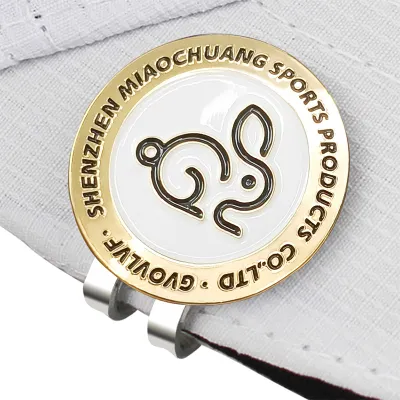
Magnetic markers utilize a small, embedded magnet to attach to a metal base, which is typically mounted on a hat clip, a divot repair tool, or even the grip end of a putter. This design relies on magnetic attraction to keep the marker secure until you slide or pull it off. Clip-on markers, on the other hand, feature a physical spring-loaded or tension-based metal clip that slides directly onto the fabric of your cap, visor, or belt. Some clip-on models are integrated units where the clip itself serves as the marker, while others feature a magnetic base on the clip to hold a separate metal disc.
Products mentioned in this guide
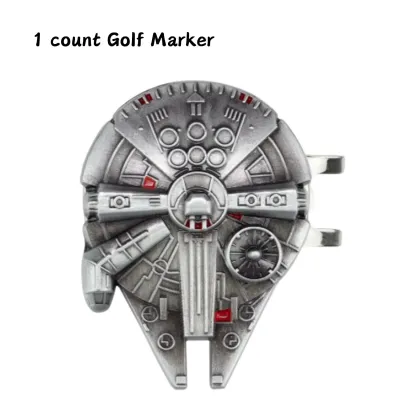
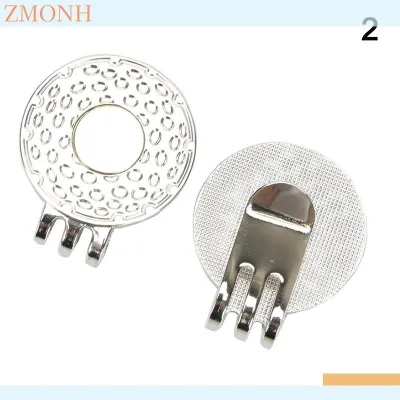
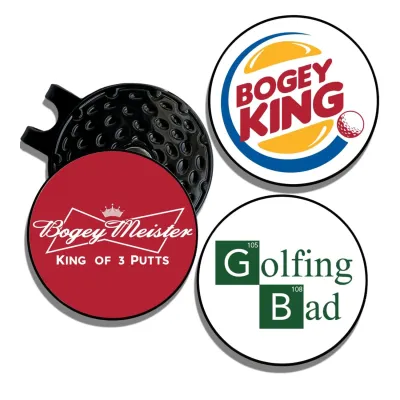
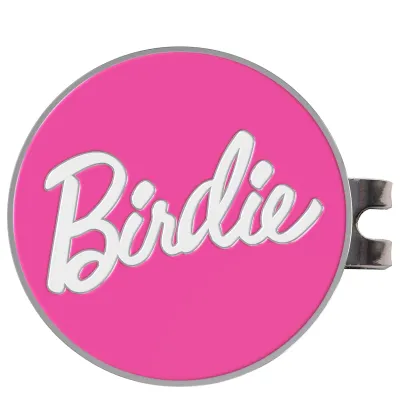
Prices are valid at publication and may change. Please refer to the product page for the latest price.
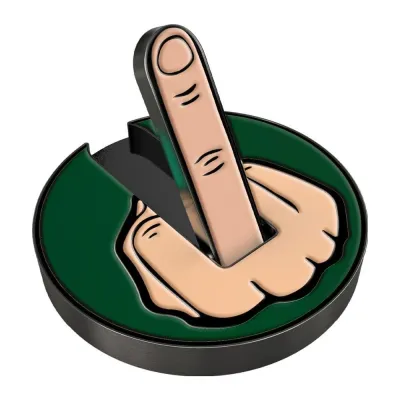
Coin-style markers represent the most traditional approach, consisting of a simple, flat disc with no built-in attachment mechanism. These are carried loosely in your pocket, golf bag pouch, or tucked into your glove. When deciding between these three styles, you must weigh three critical factors: how quickly you can retrieve the marker, how secure it remains during active swings or walks across uneven terrain, and how well it integrates with the rest of your golf apparel and accessories.
Magnetic Markers: Speed and Convenience on the Green
Magnetic ball markers are highly favored by modern golfers who value efficiency and seamless integration. The core mechanism relies on a strong magnetic connection between the marker itself and a companion accessory. This accessory is often a metal clip slipped onto the brim of a hat, a dedicated slot on a divot repair tool, or a magnetic patch on a putter headcover. Because the marker is held in place by magnetic force, retrieving it requires only a simple swipe of your thumb, allowing you to mark your ball in a single, fluid motion.

The primary advantage of a magnetic system is its unmatched speed on the green. You do not have to fumble around in your pockets, which is especially convenient during hot, humid rounds when sweat can make reaching into tight pockets difficult. Additionally, because these markers are designed to pair with other essential tools, they help consolidate your gear. A magnetic marker attached to your divot tool means you have both necessary green-side items in one hand as you walk up to the putting surface.
However, magnetic markers do have distinct limitations that players must consider. The security of the marker depends entirely on the strength of the magnet and the alignment of the mating surfaces. If the magnet is weak or if dirt, sand, or thick fabric gets between the metal surfaces, the marker can easily knock loose. Walking through thick brush, wiping sweat from your brow with your cap, or dropping your divot tool can cause a weak magnetic marker to fall off unnoticed.
This style is best suited for golfers who prioritize a fast pace of play and already utilize metal accessories like magnetic divot tools or specialized putter covers. If you appreciate having a dedicated, highly accessible spot for your marker and want to avoid pocket clutter, a high-quality magnetic system is an excellent addition to your setup.
Clip-On Markers: Secure Storage for Hat and Visor Wearers
Clip-on markers are designed specifically for golfers who want absolute certainty that their marker will not be lost during a round. These devices feature a physical clip—often made of spring steel or featuring a tension-loaded clamp—that slides securely onto the brim of a golf cap, the strap of a visor, or even the edge of a pocket or belt. The marker itself is either the clip itself or, more commonly, a magnetic disc that sits on top of the clipped base.
The standout benefit of the clip-on design is its exceptional security. Unlike loose items in a pocket or markers held by weak magnets, a physical clip physically grips your apparel. It is highly unlikely to fall off, even during high-velocity swings, rapid walking, or when you are adjusting your headwear to block the sun. For golfers who frequently find themselves retracing their steps to look for lost gear, the physical security of a clip-on provides peace of mind. It also keeps your pockets completely free of clutter, preventing you from scratching your hands or other items like tees and pitch-mark repairers.
Despite their security, clip-on markers have a few drawbacks. The constant tension of the metal clip can leave permanent indentations, creases, or rust stains on delicate hat fabrics, especially when exposed to heavy sweat and tropical humidity. Some players also find the physical presence of a clip on their visor brim to be visually distracting or slightly heavy, altering the balance of a lightweight running-style golf cap. Furthermore, if you prefer to play without a hat or visor, finding a comfortable and accessible place to attach a clip-on marker can be challenging.
This style is ideal for golfers who consistently wear structured headwear on the course and want a reliable, highly visible storage solution. If you have a habit of losing small items or simply dislike the feeling of loose objects bouncing in your pockets as you walk the fairways, a clip-on marker is the most practical choice.
Coin-Style Markers: The Traditional and Minimalist Approach
The coin-style marker is the oldest and most straightforward method of marking a ball on the green. This category includes everything from actual currency coins—such as a classic ₱1 or ₱5 coin—to custom-minted metal medallions, flat plastic discs, and poker chips. Because they feature no clips, magnets, or attachment points, they are designed to be carried loosely in your pocket or stored in a dedicated pocket of your golf bag.
The greatest advantage of the coin-style marker is its simplicity and low profile. Because they are completely flat and free of extra hardware, they sit flush against the putting green. This is a significant benefit if your ball marker lies directly in another player’s putting line; a flat coin is far less likely to deflect an opponent’s ball if they happen to roll over it. Additionally, coin-style markers offer total freedom of apparel. You do not need to wear a hat, carry a specific divot tool, or worry about matching metal accessories. They are universally compatible with any outfit or gear configuration.
The main limitation of a loose coin-style marker is the inconvenience of retrieval. To mark your ball, you must reach into your pocket and sift through tees, ball repair tools, and extra golf balls to find the marker. This process can be slow and frustrating, particularly in hot weather when pockets can cling to your skin. Furthermore, because they are loose, coin-style markers are incredibly easy to misplace. Dropping one in the grass while pulling out a tee or leaving it behind on the green are common occurrences.
This traditional approach is best for minimalists, purists, and golfers who prefer not to wear hats or visors. If you appreciate the classic feel of using a meaningful coin or a simple, flat medallion and do not mind dedicating a pocket to loose items, the coin-style marker remains an elegant and timeless option.
How to Choose the Right Marker for Your Playing Habits
Selecting the perfect golf ball marker requires evaluating your personal habits, your typical course wear, and how you organize your gear. There is no single option that suits every golfer, so matching the marker’s design to your specific routine is key to a smooth, distraction-free round.
To make the right decision, consider the following conditional framework based on your playing style:
- Choose a magnetic marker if you already use a magnetic divot tool or a putter cover with a built-in magnet, and you want the fastest possible access on the green without reaching into your pockets.
- Choose a clip-on marker if you always wear a structured cap or visor to protect yourself from the sun, prefer to keep your pockets completely empty, and want to ensure your marker never falls off during active movement.
- Choose a coin-style marker if you prefer a minimalist setup, often play without a hat, want a marker that sits perfectly flush with the turf, or enjoy using personalized or collectible coins.
Before purchasing any marker, use this quick verification checklist to ensure compatibility with your current gear:
- Check hat brim thickness: If you choose a clip-on, ensure the clip's tension matches your favorite hats. Extremely thick brims can stretch out the clip, while ultra-thin, unstructured performance caps may sag under the weight.
- Test magnet strength: For magnetic options, perform a quick shake test. The marker should remain firmly attached even when the base accessory is lightly tapped or shaken.
- Review pocket depth and lining: If you prefer coin-style markers, ensure your golf shorts or trousers have secure, deep pockets that prevent loose items from slipping out when you sit in a golf cart.
- Assess weather resistance: Since tropical humidity and sweat can accelerate rust, look for stainless steel, brass, or coated alloy materials that resist corrosion over long-term use.
Frequently Asked Questions (FAQ)
Are magnetic ball markers allowed in official tournaments?
Yes, magnetic ball markers are fully permitted under the Rules of Golf established by the USGA and R&A. The rules do not restrict the material or attachment style of a ball marker, provided it is used solely to mark the position of the ball. However, players should ensure that the marker does not contain any alignment aids or features that violate local tournament rules regarding artificial devices. It is always wise to check the specific local rules of your club or tournament committee before teeing off in a competitive event.
Can a clip-on marker damage my golf hat?
A clip-on marker can potentially cause minor wear and tear to your golf hat if not used carefully. Strong spring-loaded clips can leave permanent indentations on delicate fabrics or crease the stiff buckram lining of structured caps. Additionally, if the clip is made of low-grade metal, sweat and humidity can cause it to rust, leaving unsightly stains on light-colored hats. To prevent damage, choose clips with smooth, rounded edges, remove the clip when washing your hat, and avoid leaving it attached to wet headwear for extended periods.
What is the standard size for a coin-style ball marker?
While there is no official standard size dictated by golf’s governing bodies, most coin-style ball markers range from 25 millimeters to 32 millimeters in diameter, which is roughly the size of a standard ₱5 or ₱10 coin. The marker should be large enough to be easily visible to you and your playing partners on the green, but not so large that it becomes a distraction or physically obstructs another player’s putting line. If your marker is exceptionally thick or large, you should be prepared to move it one or more putter-head lengths to the side if requested by a competitor.
Community discussion
Share your experience or ask a question. Comments are reviewed before publication.