
Finding yourself constantly bending over to retrieve golf balls can quickly turn a relaxing day on the green into a source of physical strain. Whether you are practicing your short game on a backyard putting green, hitting dozens of balls at a local driving range, or searching for a stray shot in the rough, the right golf ball picker can save your back and streamline your practice. The market offers three primary designs to solve this problem: manual tubes, claw grabbers, and automatic retrievers. Each mechanism operates on a distinct physical principle to secure and release golf balls, catering to different styles of play and physical needs.
The most suitable choice for your golf bag depends entirely on whether you prioritize high-volume range practice, on-course convenience during a round, or effortless collection due to mobility limits. A manual tube excels at gathering dozens of balls from flat turf, while a claw grabber is highly suited for plucking single balls from hard-to-reach spots without bending. Automatic retrievers, including rolling drums and motorized collectors, offer the lowest physical strain for high-volume environments. Because no single design is universally superior, understanding how these mechanisms perform under real-world conditions is the key to choosing the right tool for your game.
Comparing Pickers by Usage Scenario and Physical Comfort
Selecting a golf ball picker requires balancing physical comfort against the specific environments where you play and practice. In tropical climates like the Philippines, where high humidity and sudden downpours can make turf muddy and roughs dense, the physical effort of retrieving balls increases. Ergonomics play a massive role here; repetitive bending or applying heavy downward pressure can aggravate lower back pain or joint stiffness. By evaluating how each picker design manages physical strain, you can protect your body while keeping your practice sessions productive.
Products mentioned in this guide
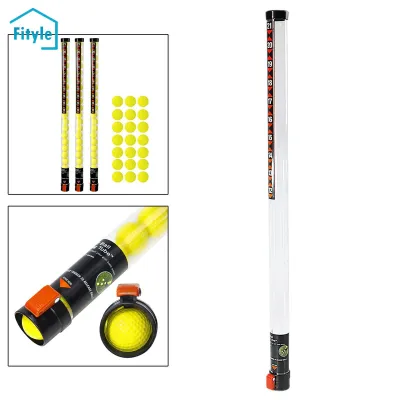
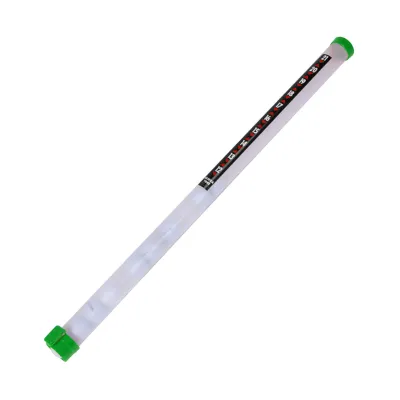
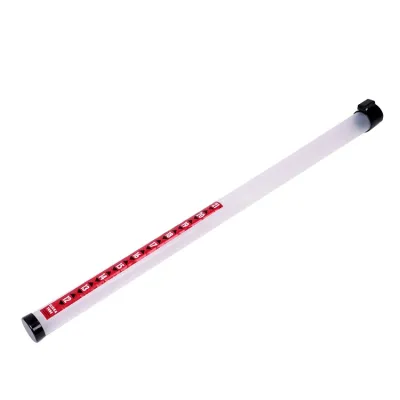
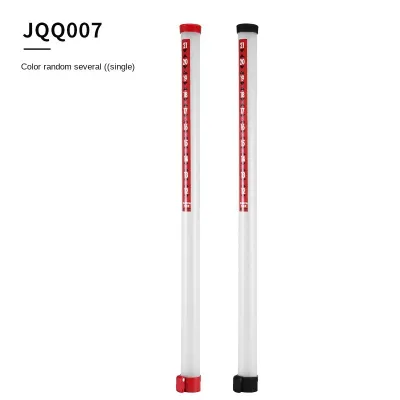
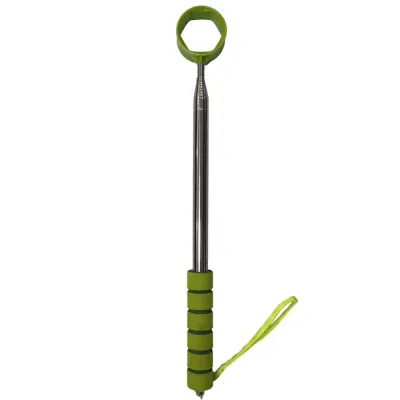
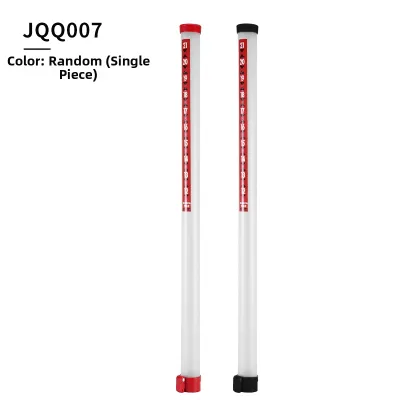
Prices are valid at publication and may change. Please refer to the product page for the latest price.
The environment also dictates which tool will be most effective. Flat, manicured surfaces like driving range mats or indoor putting greens allow for smooth, predictable collection. Conversely, deep rough, sandy bunkers, or the edges of water hazards present obstacles that require a more targeted approach. Portability is another critical trade-off; a lightweight tool that fits neatly into a standard golf bag is ideal for an active round, whereas bulkier, high-capacity collectors are better suited for dedicated practice areas or backyard setups.
Manual Tube Pickers
Manual tube pickers are simple, cylindrical devices designed primarily for high-volume collection on flat surfaces. To retrieve a ball, you position the open end of the tube directly over the ball and press down. This action utilizes a push-and-twist or push-and-pull mechanism, where flexible plastic or metal teeth at the rim expand to let the ball in and then snap shut beneath it to prevent it from falling out. This design is highly efficient for clearing a green or a driving range line quickly, as you can collect ball after ball in rapid succession.
While manual tubes significantly reduce the need to bend all the way to the ground, they do require some physical effort. Each retrieval requires a firm downward push, which transmits force up through your arms, shoulders, and lower back. If you are recovering from a shoulder injury or have limited upper-body strength, repeating this motion dozens of times can become tiring. However, for golfers who can manage this light physical exertion, the high ball capacity—often holding 20 to 40 balls at once—makes it an incredibly productive tool. Emptying the tube is equally straightforward, usually requiring you to flip a top latch or tip the tube upside down over your bag or practice bucket.
Claw Grabber Pickers
Claw grabber pickers, often designed as telescopic poles with a mechanical claw at the end, are built for precision and maximum reach. These tools typically feature a trigger or squeeze mechanism on the handle that actuates a multi-pronged claw at the far end. When you spot a ball in a hard-to-reach area, you extend the pole, position the claw over the ball, and engage the mechanism to secure it. This design is highly effective for retrieving individual balls from deep rough, thorny bushes, or shallow water hazards where you cannot easily step.
The primary ergonomic benefit of a claw grabber is that it allows you to remain completely upright during retrieval. Because the telescopic shaft can extend several feet, you do not need to bend your knees or lean forward, and there is no need to apply downward force against the ground. This makes it an excellent option for golfers with mild back discomfort who only need to pick up a few balls per round. The main limitation, however, is capacity; claw grabbers are strictly single-ball or very low-capacity devices. Trying to collect a large bucket of practice balls with a claw grabber would be tedious and inefficient, making it a poor choice for bulk range sessions.
Automatic Retrievers
Automatic retrievers represent the most technologically advanced and physically effortless category of ball collectors. These devices generally fall into two categories: manual rolling drums that capture balls as you push them across the grass, and fully motorized collectors. The rolling drum style uses flexible wire spokes that spread apart when they roll over a golf ball, swallowing it into an inner basket before snapping back into shape. Motorized versions use small battery-powered rollers to sweep balls into an onboard hopper. Both designs virtually eliminate the need for bending, lifting, or applying targeted downward pressure.
This category is highly recommended for golfers with severe mobility limits, advanced arthritis, or chronic back pain, as well as those managing private practice facilities or large backyard greens. By turning the collection process into a simple walking exercise, these tools make high-volume cleanup accessible to almost anyone. However, these benefits come with notable trade-offs. Automatic retrievers are significantly more expensive, often costing several thousand pesos (₱), and are much bulkier than tubes or claws. They do not fit into a standard golf bag, meaning you must transport them separately, and motorized models require regular battery maintenance and mechanical checks to ensure long-term reliability.
Key Decision Factors to Verify Before Buying
Before purchasing a golf ball picker, it is essential to verify several physical and functional specifications against your personal needs. First, consider the balance between capacity and weight. A larger manual tube or rolling basket allows you to collect more balls before emptying, but the cumulative weight of dozens of golf balls can quickly become heavy. If you carry your golf bag rather than using a cart, adding a heavy, fully loaded picker can cause unnecessary fatigue during a long round.

Next, inspect the grip and handle ergonomics of the device. Look for models that feature comfortable foam or rubber padding to prevent hand slippage, especially in hot and humid tropical weather where sweaty palms are common. If you are considering a telescopic claw grabber, check the trigger resistance; a trigger that is too stiff can cause hand fatigue after only a few uses. Telescopic shafts should also feature secure locking collars that do not slip under pressure, ensuring the pole remains at your desired height during use.
The reliability of the release mechanism is another critical factor to verify. A poorly designed manual tube or automatic hopper can jam, forcing you to shake the device violently or reach inside to dislodge the balls, which defeats the purpose of an ergonomic tool. Look for manufacturers that specify a dedicated quick-release latch or a wide-mouth opening that allows balls to pour out smoothly into your practice bucket.
Finally, perform a thorough durability check on the materials and joints. Because golf ball pickers are subjected to repetitive impacts and outdoor elements, flimsy plastics and thin aluminum shafts can bend or crack over time. Pay close attention to the hinges on claw grabbers and the bottom rims of manual tubes. Since exact lifespan claims vary, look for robust construction, reinforced joints, and weather-resistant coatings that can withstand moisture and mud.
Final Decision Framework: Which Picker Should You Get?
To finalize your decision, match your typical playing habits and physical comfort requirements to the most suitable picker type. If you are a dedicated range grinder who spends hours hitting balls from practice mats or short grass, a manual tube picker is your most efficient option. It offers the speed and capacity needed to clean up large volumes of balls quickly without requiring complex setup or high investment.
Choose a telescopic claw grabber if you are a casual on-course player who occasionally needs to retrieve a stray ball from a hazard, bush, or deep rough. This tool fits easily into your golf bag, extends your reach, and keeps you fully upright without adding significant weight to your gear. It is a highly practical companion for preserving your energy during a standard 18-hole round.
Choose an automatic rolling or motorized retriever if you have severe mobility limitations, chronic joint pain, or manage a private practice area. While it requires a larger storage space and a higher budget in pesos (₱), the near-zero physical exertion makes it a worthwhile investment for maintaining your love of the game.
Verify first if you have the wrist and shoulder strength required for a manual tube’s push-down action, or the hand grip strength needed for a claw’s trigger mechanism. If either action causes discomfort, upgrading to a rolling automatic model is the most comfortable path to pain-free practice.
| Picker Type | Ball Capacity | Physical Exertion | Ideal Environment | Portability |
|---|---|---|---|---|
| Manual Tube | High (20–40 balls) | Moderate (Requires pushing down) | Flat turf, driving ranges, putting greens | Moderate (Fits in some large bags) |
| Claw Grabber | Low (1 ball at a time) | Low (No bending or pushing) | Deep rough, bushes, shallow hazards | High (Telescopic, fits easily in bag) |
| Automatic Retriever | Very High (40+ balls) | Very Low (Simple rolling or walking) | Large practice greens, flat lawns | Low (Bulky, requires separate transport) |
Frequently Asked Questions (FAQ)
Can I use a claw grabber to pick up balls from a water hazard?
Claw grabbers can be highly effective for retrieving golf balls from the shallow edges of water hazards, provided you can see the ball clearly. However, they are not designed for blind dredging in deep or muddy water, as the mechanical claw requires precise placement to grip the ball. If you frequently play near water hazards, verify the manufacturer’s specifications to ensure the shaft and claw mechanism are made of rust-resistant materials like anodized aluminum or stainless steel to prevent corrosion from moisture.
How do I clean and maintain a manual tube picker?
Maintaining a manual tube picker is simple but essential for ensuring smooth operation, especially after practicing on damp or muddy grass. After each use, wipe down the exterior with a damp cloth and inspect the bottom rim to clear out any trapped grass, mud, or small pebbles that could jam the entry teeth. Before applying any lubricants to the spring-loaded teeth or release latches, check the manufacturer’s care instructions, as some plastics can degrade when exposed to certain petroleum-based oils.
Community discussion
Share your experience or ask a question. Comments are reviewed before publication.