
Selecting the right golf club grip set is one of the most direct ways to improve your connection to the club and stabilize your shots. Your choice should depend primarily on your hand measurements, swing tendencies, and the local playing environment.
In tropical climates where high humidity and sudden rain showers are common, selecting a material that manages moisture effectively is crucial. Meanwhile, matching the grip diameter to your hand size prevents excessive wrist action or hand tension, allowing for a smoother release through impact.
Decoding Grip Sizes: Translating Hand Measurements to Diameter
Finding your ideal grip size begins with a simple physical measurement. To determine your baseline, measure the distance from the crease of your wrist to the tip of your longest finger on your leading hand.
Products mentioned in this guide
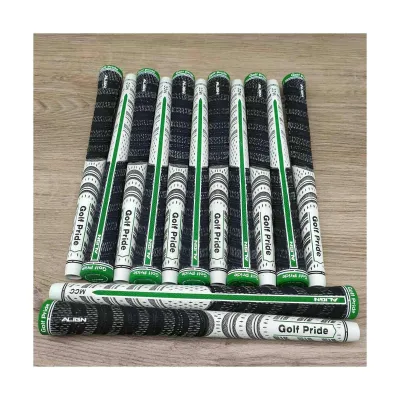
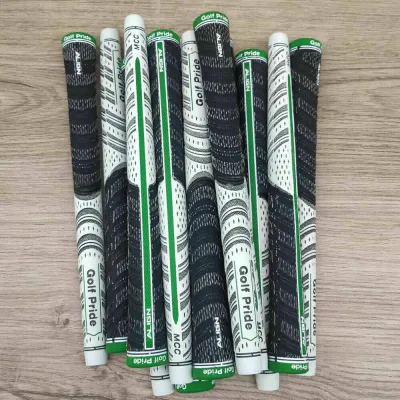
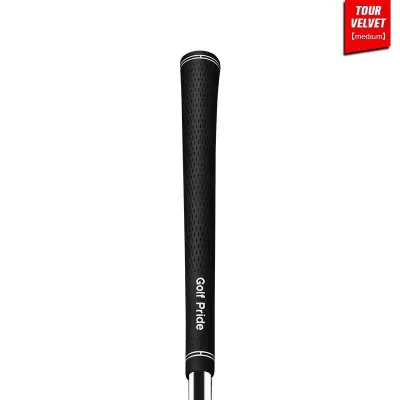
Prices are valid at publication and may change. Please refer to the product page for the latest price.
These measurements generally correspond to four primary grip categories:
- Undersize: Best suited for hands measuring under 7 inches.
- Standard: Designed for hands measuring between 7 and 7.5 inches.
- Midsize: Ideal for hands measuring between 7.5 and 8.25 inches.
- Oversize: Recommended for hands measuring over 8.25 inches.
Using the wrong size can severely disrupt your swing mechanics. If a grip is too small, your fingers may wrap too far around, leading to over-active hands that tend to pull or hook the ball. Conversely, a grip that is too large limits your wrist release, which often results in a push or a slice.
For players who fall between standard categories, micro-adjustments are highly effective. You can apply extra layers of double-sided grip tape to the shaft before installing the grip. Each layer of tape adds a fraction of an inch to the final diameter, allowing you to customize the feel to your exact preference.
Grip Materials and Textures: Rubber, Cord, and Polyurethane Explained
The material of your golf club grip set dictates how the club feels in your hands and how well it performs under different weather conditions. Choosing the right texture ensures you maintain control without over-gripping.

Rubber Grips
Rubber is the most common material used in modern grips due to its versatility and moderate shock absorption. It provides a comfortable, familiar feel and performs well in dry, mild conditions. However, standard rubber can become slippery when exposed to heavy sweat or tropical downpours, requiring frequent wiping with a dry towel.
Corded Grips
Corded grips feature brushed cotton fibers woven directly into the rubber compound. This design provides exceptional traction by wicking moisture away from the surface, making them highly reliable in humid environments. The main trade-off is their abrasive texture, which can cause blisters or hand fatigue if you have sensitive skin or prefer playing without a glove.
Polyurethane and Wrap-Style Grips
Polyurethane grips offer a soft, highly tacky surface that excels at dampening vibrations. This material is excellent for players seeking comfort and a lighter grip pressure. However, polyurethane tends to absorb water rather than shed it, meaning these grips can lose traction quickly during heavy rain and may require more frequent replacement.
For beginners, prioritizing comfort and correct sizing over specialized textures is usually the best approach. A standard rubber or soft synthetic grip allows you to focus on developing consistent swing mechanics without worrying about hand irritation.
Aligning Specs with Your Playing Style and Skill Level
Your swing speed, physical comfort, and physical health should heavily influence your final grip selection. Matching these factors ensures your equipment supports your natural movement.
High swing speed players often benefit from firmer, corded grips. The stiffness of these materials prevents the club from twisting in the hands during high-velocity transitions, offering maximum stability at impact.
Beginners and high-handicappers, on the other hand, often struggle with excessive grip tension. Softer, slightly larger grips can encourage lighter hand pressure, helping the player release the club head naturally and avoid casting.
For golfers managing arthritis or joint discomfort, specialized shock-absorbing or oversized grips are highly beneficial. The thicker diameter reduces the need to squeeze the club tightly, while the cushioned materials minimize the harsh vibrations transmitted up the shaft on off-center hits.
You can also diagnose swing flaws by examining your current grip wear patterns. Wear concentrated under the thumb of your trailing hand often indicates excessive pressure, while wear on the heel pad suggests the club is slipping during your swing, signaling that it is time to check your grip size or replace the set.
Maintenance and Replacement: Maximizing Your Golf Club Grip Set
Over time, exposure to dirt, hand oils, sweat, and UV rays will degrade any grip material. Regular maintenance is essential to preserve the tackiness and extend the lifespan of your set.
Inspect your grips regularly for visual and tactile signs of wear. Look for shiny patches, smooth spots, cracks, or a hard, dried-out texture. If your hands slip during a normal swing, the material has likely lost its functional friction.
To clean your grips, wash them with mild dish soap, warm water, and a soft-bristle brush to scrub away accumulated oils. Rinse them thoroughly with clean water and pat them dry with a towel. Avoid exposing them to harsh chemical solvents or leaving them in high-heat environments, such as the trunk of a car parked in the sun.
When it comes to replacement, you can choose between a DIY approach or professional services. Regripping at home requires double-sided tape, grip solvent, a utility knife, and a vice to hold the club secure. If you prefer precise alignment—especially with ribbed grips—or want custom tape layering, visiting a professional club fitter at a local pro shop ensures a flawless installation.
Frequently Asked Questions (FAQ)
Can I mix different grip sizes and materials on my clubs?
Yes, you can mix different sizes and materials across your golf club grip set. Many players prefer a thicker, softer grip on their putter to quiet hand movement, while keeping a consistent, firmer set on their irons and woods to maintain a uniform swing feel and muscle memory.
How does grip weight affect my swing?
Grip weight directly influences the overall swing weight of your club. A heavier grip acts as a counterweight, making the club head feel lighter, while a lighter grip makes the club head feel heavier. While this adjustment is a secondary concern for beginners, advanced players should consult a professional fitter to ensure their grip weight aligns with their desired club balance.
Community discussion
Share your experience or ask a question. Comments are reviewed before publication.