
The ideal gym mat for a workout depends entirely on the balance of cushioning, grip, and durability required by your specific exercise routine. Thermoplastic Elastomer (TPE) offers a lightweight, moderately cushioned option for general fitness; Nitrile Butadiene Rubber (NBR) provides thick, pillowy joint protection for floor exercises; Polyvinyl Chloride (PVC) delivers classic durability for high-intensity training; and natural rubber provides unmatched dry and wet traction for demanding yoga practices. In tropical climates like the Philippines, where high humidity and sweat are constant factors, understanding how these materials interact with moisture is essential for maintaining safety and stability during your workouts. Rather than searching for a single universal winner, matching the material’s physical properties to your movement style ensures you select a mat that supports your joints, prevents slipping, and withstands daily wear.
Understanding Your Workout Needs and Mat Requirements
Before browsing online marketplaces or local sporting goods stores, you must analyze how you move. A high-impact routine involving jumping jacks, burpees, or rapid lateral movements demands a completely different support structure than a slow-paced, static balance sequence or a series of floor-based core exercises. High-impact workouts require a mat that absorbs shock to protect your joints while remaining firmly anchored to the floor. Conversely, standing balance poses require a thin, dense surface that allows your feet to connect with the solid ground beneath, preventing ankle wobble and loss of balance.
To evaluate any gym mat for workout routines, you must focus on three primary metrics: surface grip, cushioning density, and overall durability. Surface grip is highly dependent on moisture; some materials perform exceptionally well when dry but become slick when wet with sweat. Cushioning density refers to how much the material compresses under load; a thick but low-density mat will bottom out completely under your knees or elbows, failing to provide actual joint relief. Durability determines how well the mat resists tearing, flaking, and stretching when subjected to friction from athletic shoes or repetitive movements.
Products mentioned in this guide
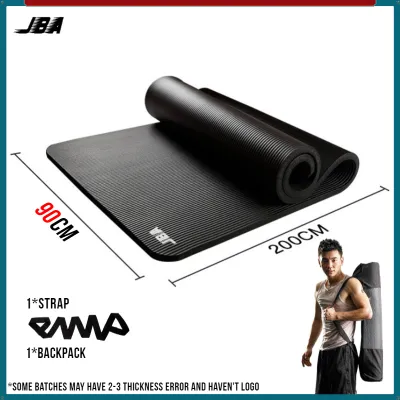
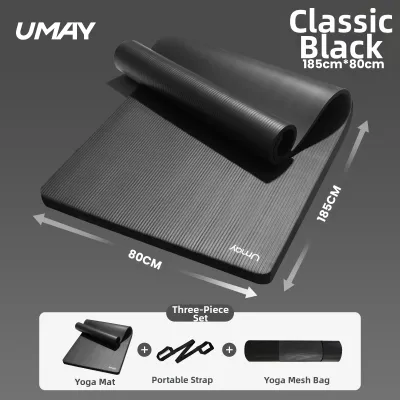
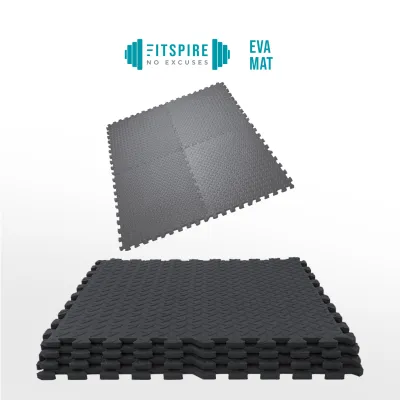
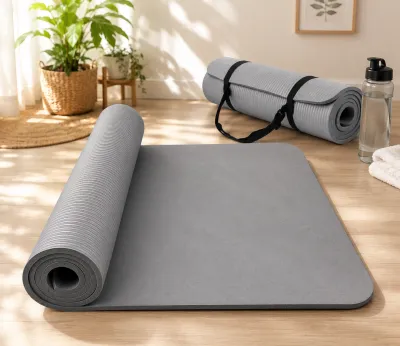
Prices are valid at publication and may change. Please refer to the product page for the latest price.
Your choice must also account for your venue—whether you are working out in an air-conditioned indoor gym or a humid outdoor garage—and your carrying method, as a heavy mat is less practical for those who commute on foot or by public transit. Create a personal checklist before purchasing to save you from common workout frustrations. Check the manufacturer’s specifications for thickness (typically ranging from 3 millimeters to 15 millimeters), weight, and surface texture. Look for textured patterns on both the top and bottom surfaces, as a mat must grip both your skin and the floor simultaneously to prevent dangerous sliding.
Comparing Core Gym Mat Materials
TPE and NBR for Cushioning and Comfort
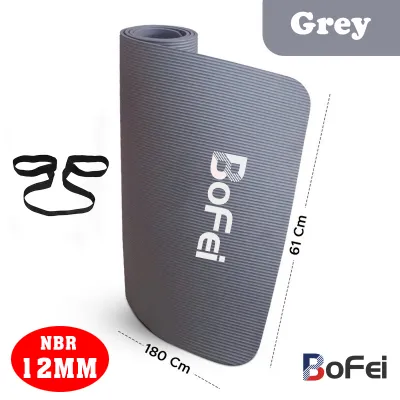
Nitrile Butadiene Rubber (NBR) is a synthetic rubber known for its soft, foam-like consistency and impressive thickness, often ranging from 10 millimeters to 15 millimeters. This material is highly favored by individuals seeking maximum joint protection during floor-based exercises, such as Pilates, core workouts, or physical therapy stretches. The thick, pillowy barrier of NBR effectively cushions sensitive areas like the knees, hips, and spine against hard tile or concrete floors. However, this extreme cushioning comes with a significant trade-off: the soft, squishy texture makes NBR highly unstable for standing balance work, as your feet sink into the foam, making it difficult to maintain ankle alignment.

Thermoplastic Elastomer (TPE) represents a modern middle ground, offering a lightweight profile combined with moderate cushioning, usually between 4 millimeters and 8 millimeters. TPE mats typically feature a closed-cell structure, meaning they do not absorb sweat, moisture, or bacteria, making them highly hygienic and easy to wipe clean after a humid workout session. They provide a balanced grip level suitable for moderate-intensity workouts, stretching, and basic yoga. While TPE is highly portable and comfortable, it may not offer the heavy-duty durability required for intense workouts performed with athletic shoes, as shoe treads can scuff or tear the delicate surface over time.
When evaluating TPE and NBR options, always verify the material density and surface texture on the product label or manufacturer description. Press your thumb firmly into the mat; a high-quality mat should compress slightly but spring back to its original shape almost instantly. If the indentation remains, the density is likely too low to provide sustained joint protection. While budget-friendly NBR mats often cost under ₱1,000, verifying their density is crucial to ensure they do not bottom out immediately. Additionally, check the manufacturer’s care instructions, as some TPE mats are sensitive to extreme heat and should not be left in hot cars or exposed to direct tropical sunlight, which can cause the material to degrade prematurely.
PVC and Natural Rubber for Grip and Durability
Polyvinyl Chloride (PVC) is the traditional industry standard for gym mats, renowned for its exceptional durability and resistance to wear. A high-quality PVC mat can withstand years of intense workouts, including high-impact cardio sessions performed with athletic shoes, without flaking or tearing. PVC mats offer a reliable dry grip, though they can become slippery when wet with heavy sweat unless paired with a workout towel. Because PVC is a synthetic plastic, it is highly resistant to moisture absorption. When purchasing a PVC mat, check the packaging or product specifications for certifications indicating the material is free from harmful phthalates and heavy metals, ensuring a safer indoor workout environment.
Natural rubber mats are highly prized by dedicated fitness enthusiasts and yogis for their exceptional traction in both dry and wet conditions. Derived from rubber trees, this material is naturally dense, heavy, and highly slip-resistant, providing a secure foundation even during intense, sweat-inducing workouts. The natural weight of a rubber mat ensures it lies completely flat on the floor without curling at the edges, enhancing safety during dynamic movements. However, because it is made from natural latex proteins, individuals with known latex allergies or skin sensitivities must check product labels carefully or perform a small patch test before use to avoid adverse skin reactions.
Maintaining these heavy-duty materials requires specific care to prevent premature degradation. Natural rubber is highly sensitive to ultraviolet light and heat; exposing a rubber mat to direct sunlight or leaving it in a hot room can cause it to dry out, crack, and lose its natural grip. PVC mats, while highly resilient, often require an initial ‘break-in’ period to remove a thin manufacturing residue that can make the surface feel slick at first. Always follow the manufacturer’s specific cleaning protocols, avoiding harsh chemical solvents or abrasive scrubs that can strip away the protective surface textures of both PVC and natural rubber.
Matching Materials to Specific Workout Styles
To select the ideal gym mat for workout sessions, you must align the physical properties of each material with the specific demands of your exercise routine. For yoga and Pilates, stability and grip are paramount. Holding complex poses or executing precise core movements requires a mat that prevents your hands and feet from sliding. Natural rubber is highly recommended for active, sweaty yoga styles due to its superior wet traction, while TPE provides an excellent, lightweight alternative for gentler, dry practices. Avoid thick NBR mats for these disciplines, as the excessive compression can compromise your balance and strain your wrists and ankles during standing postures.
If your routine consists of High-Intensity Interval Training (HIIT), cardio, or strength training with light weights, your priorities must shift toward durability and impact absorption. Dynamic movements like mountain climbers, burpees, and jump squats exert significant lateral force on the mat. For these workouts, a dense PVC mat or a heavy-duty natural rubber mat is ideal, as they resist tearing from athletic shoes and remain firmly anchored to the floor. Before starting a high-impact session, always verify that the mat has a non-slip base texture to prevent the entire mat from sliding across your floor, which could lead to slips or falls.
For general floor exercises, stretching, and foam rolling, comfort and cushioning are the primary goals. Spending extended periods with your knees, elbows, or spine in direct contact with the floor requires a thicker barrier to prevent bruising and discomfort. In this scenario, a thick NBR mat or a plush TPE mat is highly suitable, providing a comfortable, cushioned surface that makes floor work enjoyable. Because these exercises are typically low-impact and do not involve rapid standing transitions, the minor loss of standing stability is a reasonable trade-off for the enhanced comfort.
You can apply a simple conditional decision framework to guide your final choice. If your primary goal is joint protection during low-impact floor work, choose a thick NBR or TPE mat. If you perform dynamic, high-impact cardio with shoes, select a dense PVC mat and verify its non-slip base. If you practice sweaty, balance-heavy yoga, choose a natural rubber mat for its superior wet grip, ensuring you verify any latex allergy concerns beforehand. By matching the material’s specific strengths to your movement patterns, you ensure a safer, more effective workout experience.
Maintenance, Longevity, and Humid Climate Considerations
Operating in a tropical climate like the Philippines introduces unique challenges for gym mat maintenance. High ambient humidity and heavy sweat can quickly turn a workout mat into a breeding ground for bacteria and mold if not cared for correctly. For closed-cell materials like TPE and PVC, a simple wipe-down with a damp cloth and a mild, diluted soap after every session is usually sufficient, as moisture cannot penetrate the surface. Open-cell materials, such as some natural rubber mats, absorb sweat to maintain grip, meaning they require regular, specialized cleaning with a highly diluted vinegar-and-water solution to prevent odors and deep-seated moisture buildup.
Regardless of the material, there are several universal maintenance practices you must avoid to preserve your mat’s longevity. Never submerge your mat in water or wash it in a washing machine unless the manufacturer explicitly states it is safe to do so, as excessive water can trap moisture inside the core, leading to internal mold growth. Avoid using harsh chemical cleaners, bleach, or alcohol-based sprays, which can strip away slip-resistant coatings and dry out natural rubber. Always allow your mat to air dry completely in a shaded, well-ventilated indoor area before rolling it up for storage; rolling a damp mat in a humid environment will inevitably result in musty odors and material degradation.
To ensure your safety during workouts, regularly inspect your mat for observable signs of wear and tear. Over time, constant friction and environmental exposure will cause any material to break down. Look for visible flaking, cracking, deep creases that do not flatten out, or areas where the textured grip has worn completely smooth. If you notice that your hands are slipping during exercises where you previously had secure traction, or if the mat has lost its cushioning density and bottoms out easily, it is time to replace it. Continuing to use a degraded mat increases the risk of slipping and joint strain, making timely replacement a vital part of your fitness routine.
Frequently Asked Questions (FAQ)
Can I use a thick NBR mat for standing yoga poses?
Using a thick NBR mat for standing yoga poses is generally not recommended because the soft, low-density foam compresses heavily under your body weight. This compression creates an unstable, squishy surface that makes it difficult for your feet to find a solid foundation, which can lead to ankle wobble, loss of balance, and joint strain. For standing poses and balance-heavy routines, it is safer to check the manufacturer’s stability guidelines and opt for a thinner, denser mat (such as a 4mm to 6mm TPE or natural rubber mat) that supports proper joint alignment.
How do I know if a natural rubber mat is safe for my skin?
To determine if a natural rubber mat is safe for your skin, you must check the product packaging, labels, and manufacturer descriptions for explicit warnings regarding latex or natural rubber allergens. Because natural rubber contains organic proteins that can trigger allergic reactions or contact dermatitis in sensitive individuals, safety verification is essential. If you have known skin sensitivities but still wish to use a rubber mat, consult the manufacturer’s safety data sheet or perform a small patch test by resting your forearm on the mat surface for a short period to monitor for any redness, itching, or irritation before committing to a full workout.
Community discussion
Share your experience or ask a question. Comments are reviewed before publication.