
Finding the right gym mat for workout routines depends on matching the material’s physical properties to your exercise style. A mat that excels for high-intensity interval training (HIIT) might cause you to lose your balance during a yoga pose, while a soft mat designed for stretching can bottom out completely under dumbbells. In a warm, humid climate, sweat resistance and wet grip become even more critical. By understanding the distinct characteristics of Thermoplastic Elastomer (TPE), Nitrile Butadiene Rubber (NBR), Polyvinyl Chloride (PVC), and rubber, you can select a surface that supports your joints, prevents slipping, and withstands daily wear.
Choosing a mat is not just about picking the thickest option. The material composition dictates how the mat responds to pressure, moisture, and friction. Because manufacturers use various proprietary blends, learning how to read product specifications and verify material claims is essential for finding a durable training companion.
Understanding the Core Gym Mat Materials
To make an informed decision, you must first understand what these common material acronyms mean. Thermoplastic Elastomer, or TPE, is a synthetic blend of plastic and rubber polymers. It is lightweight, moderately dense, and often features a textured surface to aid traction. Nitrile Butadiene Rubber, or NBR, is a synthetic rubber foam characterized by high impact absorption and low density. It is highly compressible, making it feel exceptionally soft, though it tends to stretch under lateral tension.
Products mentioned in this guide
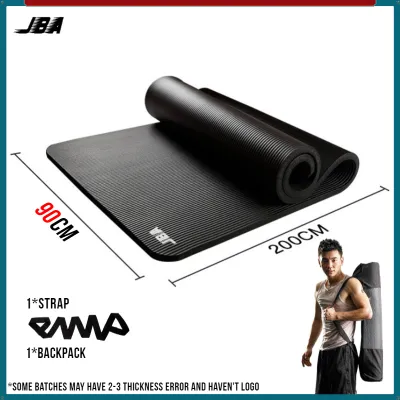
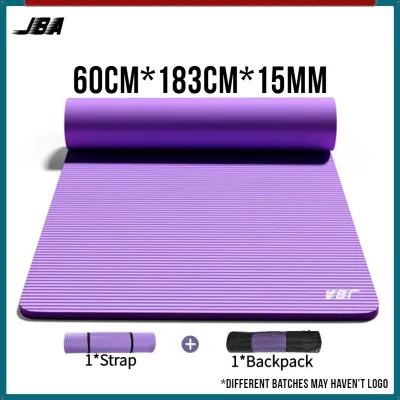
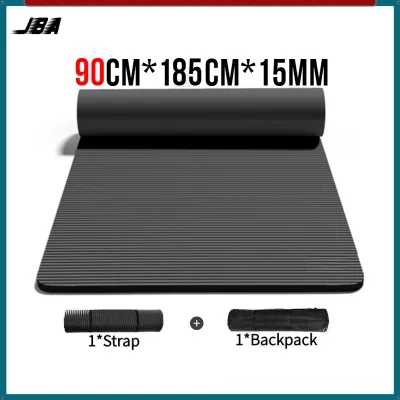
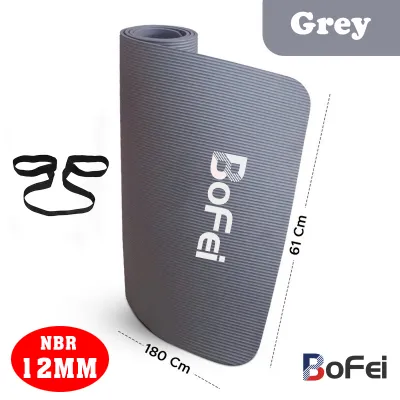
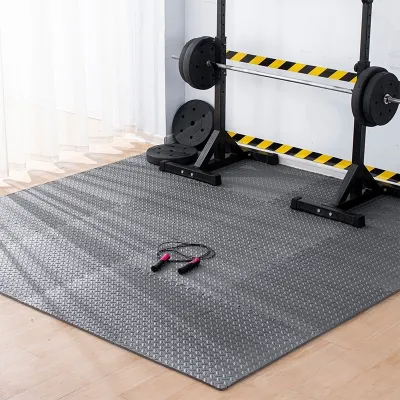
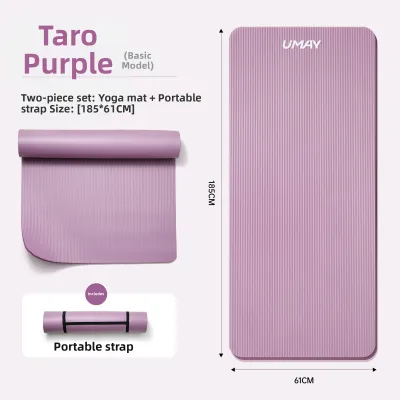

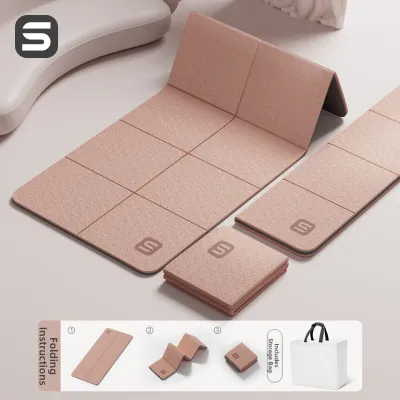
Prices are valid at publication and may change. Please refer to the product page for the latest price.
Polyvinyl Chloride, or PVC, is a highly durable synthetic plastic that has served as the traditional standard for fitness mats. It is dense, resistant to tearing, and holds its shape well, though its initial grip can feel slick before it is broken in. Finally, rubber mats can be made from natural tree rubber or synthetic alternatives. Rubber is the densest and heaviest of the four materials, offering exceptional natural traction and long-term durability, though it often carries a distinct scent when new.
When shopping, avoid relying solely on creative marketing names like “eco-foam.” Always check the technical specifications or the physical product label to confirm the actual polymer composition. The relationship between thickness and material density jointly determines the final feel and support. A thick mat made of low-density NBR will compress completely under your knees, whereas a thinner mat made of high-density rubber or PVC will maintain its structure, providing superior joint protection by preventing you from sinking directly onto the hard floor.
Matching Mat Materials to Your Workout Style
Your primary exercise discipline should dictate your material choice. For yoga and Pilates, stability and grip are paramount. During static poses, your hands and feet must remain firmly planted. In humid environments, sweat can quickly turn a closed-cell mat into a slipping hazard. If you practice active yoga styles that generate significant sweat, look for open-cell natural rubber or mats with a specialized polyurethane top layer that absorbs moisture to maintain traction. For Pilates, which involves significant rolling on the spine, a slightly thicker but dense mat is necessary to cushion the vertebrae without sacrificing stability.

High-intensity interval training (HIIT) and cardio workouts require a mat that can withstand rapid, multi-directional movements. Exercises like burpees and jumping jacks exert significant lateral force and abrasive friction, especially when wearing training shoes. Lightweight materials like NBR can easily stretch, slide, or even tear under these conditions. For cardio-heavy routines, a dense TPE or a heavy-duty PVC mat provides the necessary slip resistance on the floor and the structural integrity to resist shoe wear.
Strength training and weightlifting demand an entirely different set of physical properties. When lifting weights, your body requires a firm, non-compressible foundation to maintain proper alignment and balance. Standing on a soft, thick NBR mat while performing squats can cause your ankles to wobble, increasing the risk of joint strain. For any form of load-bearing exercise, choose a high-density rubber mat or a thin, firm PVC surface that keeps you grounded and stable under heavy loads.
Comparing Cushioning, Grip, and Durability
Evaluating a gym mat requires balancing cushioning, grip, and durability. Cushioning is a function of density and rebound, not just thickness. Rebound refers to how quickly a material returns to its original shape. NBR has a slow rebound rate, meaning it stays compressed under pressure, which can leave you unsupported. TPE and rubber offer rapid rebound, absorbing impact while immediately springing back to provide continuous joint support.
Grip is determined by both the inherent properties of the material and its surface texture. Natural rubber has high inherent slip resistance, making it highly effective even on smooth tile or wood floors. PVC relies heavily on its surface texture and often requires a “break-in” period to wear off manufacturing residues that cause initial slickness. TPE mats typically feature molded, dual-sided patterns to help the mat grip both your body and the floor simultaneously, though their performance can decline if dust or moisture accumulates.
Durability is a critical consideration if you want your investment to last. Look for signs of tear resistance and resistance to compression set. PVC is exceptionally durable, resisting cracking, flaking, and tearing over years of heavy use. Rubber is similarly tough but can degrade if exposed to certain oils or harsh environmental factors. NBR, while highly comfortable for gentle stretching, has low tear resistance and is prone to developing permanent dents where your elbows or knees rest.
Evaluating Practical Factors: Weight, Care, and Environment
Beyond workout performance, daily practicalities like portability, maintenance, and storage conditions will influence how much you enjoy using your mat. Weight is a major factor if you commute to a local fitness studio or train outdoors. Natural rubber mats are heavy and bulky, making them tiring to carry over long distances. If portability is your priority, TPE and NBR mats are exceptionally lightweight, allowing you to roll them up tightly and carry them easily with a simple strap.
Cleaning and care routines vary significantly by material and must align with the manufacturer’s instructions. Closed-cell materials like PVC and TPE do not absorb sweat, making them highly hygienic and easy to clean with a simple wipe-down using water and mild soap. Open-cell rubber mats absorb moisture to maintain grip, but this also means they can trap sweat and odors if not cleaned properly. Avoid using harsh chemical cleaners, alcohol, or essential oils on TPE and natural rubber, as these substances can break down the material’s structure and ruin its grip.
Environmental factors, particularly in tropical regions with high humidity and intense sunlight, play a massive role in mat longevity. Exposure to direct sunlight and high heat can cause TPE mats to warp or lose their shape, while natural rubber can oxidize, dry out, and become brittle or sticky. Always store your mat rolled up in a cool, dry, and shaded indoor space to prevent premature aging.
How to Verify Material Claims Before Buying
With many fitness brands using complex marketing jargon, verifying actual material specifications before making a purchase is crucial. Start by checking the specific ingredient ratios on the product label or manufacturer’s specification sheet. Be cautious of vague claims like “organic foam” or “eco-friendly matrix” without a clear material identifier like TPE or natural rubber. Legitimate manufacturers will clearly state the primary polymers used in construction.
Because personal preferences for grip and cushioning are highly subjective, evaluate the seller’s return and exchange policies before buying. Testing a mat on your home floor is often the only way to determine if it provides adequate traction for your specific body weight and movement style. If the mat slips during a dry run, a flexible return policy ensures you can exchange it.
When purchasing from an online marketplace, verify the physical dimensions and shipping weight of the product. A high-density mat will have a heavier shipping weight than a low-density foam mat of the same thickness. Reading detailed user reviews can also provide insights into how the material performs under humid conditions. When planning your purchase, establish a clear budget, keeping in mind that high-density rubber mats often cost upwards of ₱2,000, while basic TPE options are more budget-friendly.
Frequently Asked Questions (FAQ)
Can I use a thick NBR mat for weightlifting?
No, using a thick, soft NBR mat for weightlifting is not recommended. NBR compresses easily under load, creating an unstable, wobbly surface that compromises your balance and ankle stability during exercises like squats or deadlifts. For weightlifting, it is safer to use a thin, high-density rubber mat or train directly on a firm, non-slip floor.
How do I stop my mat from slipping when I sweat?
To prevent slipping during sweaty workouts, you can place a specialized microfiber yoga towel over your closed-cell TPE or PVC mat to absorb moisture and provide traction. Alternatively, ensure the floor beneath your mat is completely clean and dry, or consider switching to an open-cell natural rubber mat designed specifically for wet grip.
Are rubber gym mats safe for indoor home use?
Yes, rubber mats are safe for indoor use, but they often require a brief period of ventilation in a well-ventilated area to clear their initial manufacturing odor. If you have a latex allergy, verify whether the mat contains natural rubber, and check your flooring manufacturer’s guidelines to ensure the rubber backing will not react with your specific floor finish.
Community discussion
Share your experience or ask a question. Comments are reviewed before publication.