
Finding a suitable tumbler for your gym sessions in the Philippines means balancing thermal performance with physical durability. In a tropical climate where indoor humidity and outdoor heat quickly warm up your drinks, a standard plastic bottle often falls short. The right fitness tumbler must keep your water or sports drink cold for the duration of your workout, resist leaking when tossed into a crowded gym bag, and remain easy to drink from while you are on a treadmill or lifting weights.
To make an informed choice, you need to evaluate specific structural elements rather than relying on brand popularity or aesthetic appeal. Key factors include double-wall vacuum insulation to prevent external condensation, secure lid mechanisms that match your workout style, and durable materials that can withstand accidental drops on concrete or rubber gym flooring. By understanding these technical details, you can select a container that supports your hydration goals and endures daily use in local fitness centers.
Essential Features for Gym and Workout Tumblers
Double-wall vacuum insulation is the standard for temperature retention. This design features an inner and outer wall, usually made of stainless steel, with the air evacuated from the space between them. Because a vacuum does not conduct heat, this barrier prevents the warm ambient air of a tropical gym from heating your cold water. It also stops heat transfer in the opposite direction, ensuring that your ice remains solid for hours. Another major benefit of this construction is the elimination of condensation on the exterior surface, keeping your hands dry and preventing water rings on gym equipment.
Products mentioned in this guide
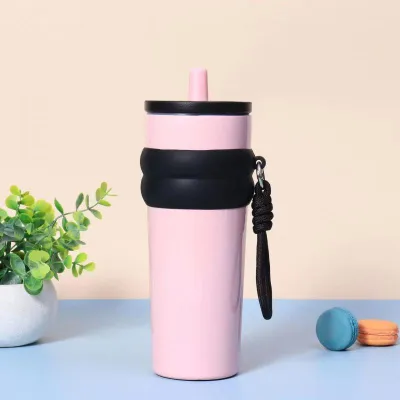
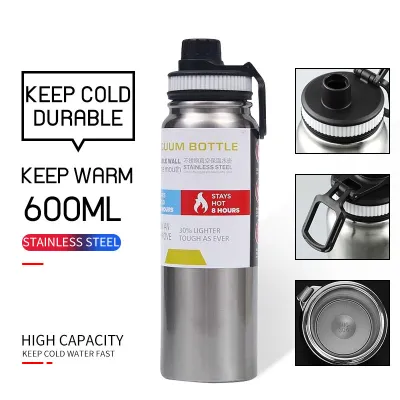
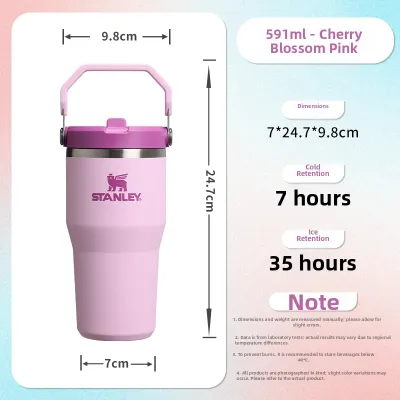
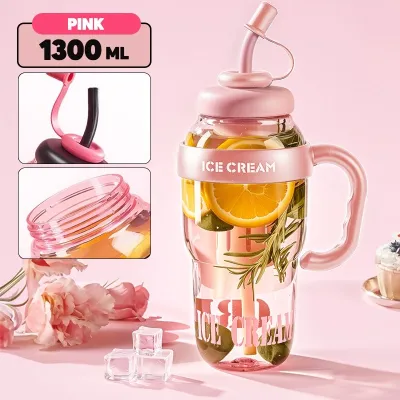
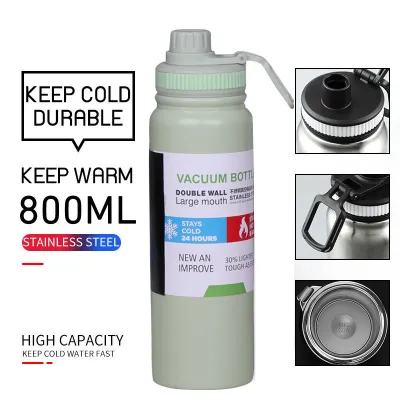
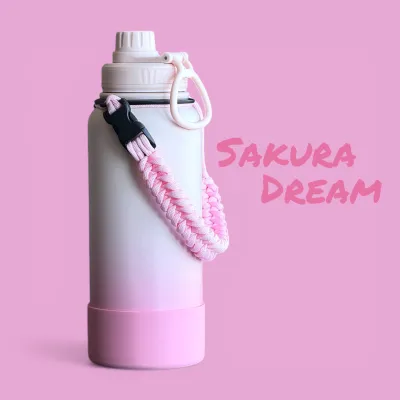
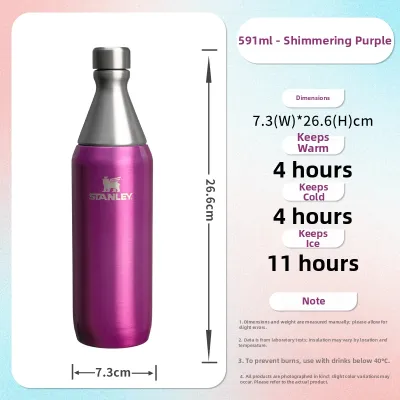
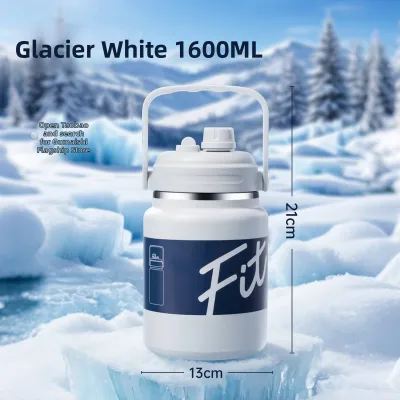
Prices are valid at publication and may change. Please refer to the product page for the latest price.
The lid design directly affects how easily you can hydrate during active exercise. Straw lids allow you to drink without tilting your head, which is highly beneficial during cardio sessions or when keeping your eyes on your surroundings. Flip-top lids offer a high-flow opening that is excellent for rapid hydration between heavy lifting sets, though they require tilting the bottle. Screw-top lids provide a secure seal against leaks but require two hands to open, making them less convenient during continuous movement.
Stainless steel, specifically food-grade 18/8 or 304 stainless steel, offers high durability and resistance to punctures or dents. It does not retain odors or flavors, which is essential if you alternate between water, pre-workout formulas, and protein shakes. High-quality, BPA-free plastics offer a lightweight alternative that is easier to carry during outdoor runs, though they lack the thermal insulation of vacuum-sealed steel. When choosing plastic, look for impact-resistant polymers that will not crack easily if dropped on hard surfaces.
A tumbler’s physical dimensions determine its compatibility with your workout environment. Before purchasing, verify the base diameter to ensure it fits into standard cup holders on treadmills, stationary bikes, and elliptical machines. A tumbler that is too wide will have to sit on the floor, increasing the risk of it being knocked over or stepped on. Additionally, consider how the bottle fits into the side pockets of your gym bag or backpack, as a secure fit prevents it from slipping out during your commute.
Matching Tumbler Designs to Your Exercise Routine
Dynamic workouts like high-intensity interval training (HIIT), spinning, or running demand a tumbler that can be operated quickly with one hand. Look for models featuring integrated locking mechanisms on the lid to prevent accidental openings when the bottle is jostled. Ergonomic grips, textured powder coatings, or silicone sleeves are highly valuable here, as they provide a secure hold even when your hands are sweaty from intense physical exertion.

Strength training sessions often involve longer rest periods where you can consume larger volumes of water. A wide-mouth tumbler is ideal for this routine because it allows you to easily add ice cubes from your home freezer or gym dispenser. These designs also facilitate faster refilling at water stations. For stability on uneven gym floors or rubber platform mats, prioritize bottles with a wider, heavier base that resists tipping over when placed next to weight racks.
Activities such as yoga, Pilates, or core training on mats require a quiet and highly controlled environment. A tumbler with a silicone or rubberized base pad is excellent for these sessions, as it prevents loud clanging noises when placed on hard floors. Completely sealed leak-proof lids are also essential, as your bottle may lie horizontally on your exercise mat or get knocked over during transitions between poses.
Verifying Insulation and Leak-Proof Specifications
Manufacturers often display cold-retention ratings on their packaging, such as “keeps cold for 24 hours.” It is important to understand that these ratings are typically measured under controlled laboratory conditions with the bottle filled entirely with ice and sealed continuously. In a real-world Philippine gym setting, where you open the lid frequently and expose the interior to warm air, the actual cold duration will be shorter. Look for realistic specifications and focus on how well the vacuum seal maintains a refreshing temperature during a typical two-to-three-hour workout session.
The leak-proof capability of a tumbler relies heavily on its sealing components rather than the tightness of the plastic threads. Inspect the lid for thick, high-quality silicone gaskets that sit snugly in their grooves without twisting. Threaded alignments should feel smooth and engage easily without cross-threading, which can create microscopic gaps where water can escape. Lids with secondary locking clasps over the drinking spout offer an extra layer of security against accidental spills inside your gym bag.
In highly humid tropical environments, condensation or “sweating” on the outside of a bottle is a common issue for single-wall containers. This moisture can ruin paper notebooks, damage electronic devices, and make the bottle slippery to hold. Verify that the manufacturer explicitly states the exterior is sweat-free or sweat-proof. This feature indicates that the vacuum insulation is intact and functioning correctly, ensuring that the outer wall remains at room temperature regardless of how cold the liquid is inside.
Building Your Gym Tumbler Shortlist
When planning your purchase, establish a realistic budget range, typically between ₱800 and ₱2,500, depending on the materials and brand reputation. While budget-friendly options exist, investing slightly more in a high-grade stainless steel tumbler often yields better long-term value due to superior durability and thermal performance. Consider whether the manufacturer offers a warranty against insulation failure or manufacturing defects, as this can justify a higher initial cost.
Avoid the temptation to buy a tumbler solely based on trendy colors or aesthetic designs. Create a checklist of your must-have features based on your primary workout style, such as a specific lid type, a minimum fluid capacity (such as 700ml or 1 liter), or a slim base for cup holder compatibility. Once these functional requirements are met, you can then narrow down your choices by color, finish, and secondary accessories like carry loops or carabiner clips.
A common issue with fitness tumblers is the wear and tear of small components over time. Before finalizing your choice, check if the brand sells individual replacement parts, particularly silicone gaskets, straws, and alternative lid styles. Being able to purchase a replacement lid for a few hundred pesos is much more economical and environmentally friendly than having to buy an entirely new tumbler when a single seal wears out or gets lost.
Cleaning and Maintenance for Gym Tumblers
Proper maintenance is crucial to prevent the growth of bacteria and mold inside your hydration vessel. Always check the manufacturer’s instructions regarding dishwasher safety, as high heat can sometimes damage the vacuum seal or degrade exterior powder coatings. If hand-washing is recommended, use warm, soapy water and a soft bottle brush to clean the interior thoroughly, avoiding abrasive scrubbers that can scratch the stainless steel surface.
Tumbler lids, especially those with complex straw mechanisms or flip-tops, have numerous crevices where moisture and organic residue can accumulate. Regularly disassemble these parts, removing the silicone gaskets and pulling out the reusable straws. Use a small, dedicated straw brush to clean the internal channels of the straw and the drinking spout, and allow all components to dry completely in a well-ventilated area before reassembling them to prevent musty odors.
Over time, sports drinks or protein powders can leave stubborn stains or lingering odors inside your stainless steel tumbler. To resolve this without damaging the protective chromium oxide layer of the steel, mix a tablespoon of baking soda with warm water inside the bottle and let it sit for a few hours before rinsing. Alternatively, a diluted white vinegar solution can help neutralize persistent odors, ensuring your water always tastes fresh and clean during your workouts.
Frequently Asked Questions (FAQ)
Can I use a cold-focused gym tumbler for hot beverages?
While the stainless steel body of a vacuum-insulated tumbler can technically handle hot liquids, many lids designed for gym use are not built for hot beverages. Lids with built-in straws or rapid-flow spouts can trap steam, leading to pressure buildup that may cause hot liquid to spray out unexpectedly when opened. Always check the manufacturer’s guidelines to verify if both the bottle and the specific lid are rated for hot liquids before use.
How do I know if a tumbler will fit in my gym machine's cup holder?
To ensure compatibility, measure the base diameter of the tumbler you are considering and compare it to the standard cup holder size on your preferred gym equipment, which is typically around 7.5 to 8 centimeters. Tumblers with a tapered design—featuring a narrower bottom that widens toward the top—generally offer a secure fit for treadmill and stationary bike holders compared to wide, straight-walled cylindrical bottles.
What is the most hygienic way to clean a tumbler lid with a built-in straw?
The most hygienic method is to fully disassemble the lid by removing the straw and any detachable silicone seals. Run warm water through the straw, then scrub the interior walls using a thin straw brush dipped in dish soap. Rinse all parts thoroughly and lay them out separately on a clean towel to air-dry completely, as reassembling them while damp can trap moisture and encourage mold growth.
Community discussion
Share your experience or ask a question. Comments are reviewed before publication.