
To stay safe while enjoying the diverse marine landscapes of the Philippines—from the calm lagoons of El Nido to the rolling swells of Siargao—you must match your safety equipment to the specific demands of your activity. Choosing the right Hikaya safety gear requires understanding how different water environments interact with your body and your equipment. While high-quality gear acts as a critical line of defense, your safety ultimately depends on your preparation, swimming ability, and environmental awareness. This guide outlines how to select, verify, and maintain your water safety equipment so you can navigate coastal currents, open bays, and tidal rivers with confidence.
Assessing Safety Needs for Different Water Environments
The tropical waters of the Philippines offer diverse paddling and swimming conditions, but each environment presents distinct physical challenges. Kayaking often takes place in open bays, tidal estuaries, or coastal passages where the primary risks include capsizing in deep water, sudden wind shifts, and physical fatigue. If you capsize far from shore, your flotation gear must keep you afloat without restricting your ability to climb back onto or into your kayak.
In contrast, stand-up paddleboarding (SUP) positions your body high above the water, making you highly susceptible to wind drift. When you fall off a paddleboard, the wind can quickly push the board out of reach, leaving you isolated. The safety priority here centers on maintaining a physical connection to your board while ensuring you have a low-profile flotation device that does not hinder your efforts to climb back onto the flat deck.
Products mentioned in this guide
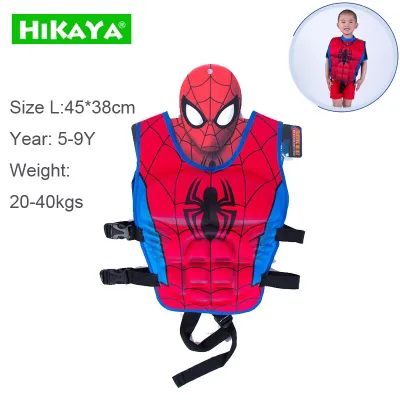
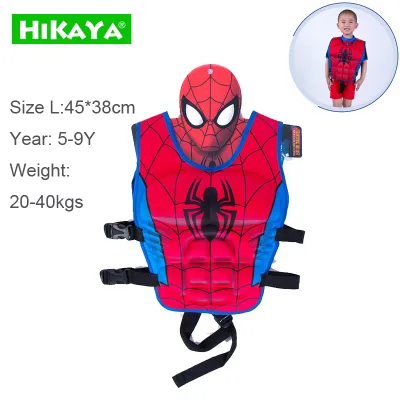
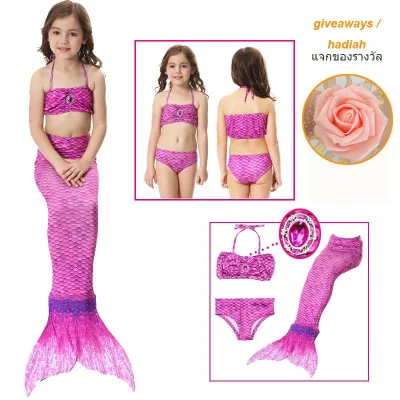
Prices are valid at publication and may change. Please refer to the product page for the latest price.
Snorkeling and surface swimming introduce entirely different dynamics. Snorkelers spend hours face-down at the surface, often drifting over shallow reefs or along steep drop-offs where strong tidal currents can develop unexpectedly. The main safety hazards include getting swept away by currents, experiencing muscle cramps, and remaining invisible to passing motorized boats or jet skis.
Because these activities demand different body positions, a single safety device cannot perform effectively across all of them. A bulky, high-buoyancy vest designed for rough water will restrict your head movement while snorkeling, whereas a minimalist snorkeling vest lacks the structural support required to keep a fatigued kayaker upright in choppy coastal waters. Selecting specialized Hikaya gear ensures that your equipment aligns perfectly with the physical demands of your chosen sport.
Matching Hikaya Gear to Your Specific Water Activity
Selecting the correct safety equipment involves analyzing your physical movements, the structure of your watercraft, and the environmental conditions of your venue. Hikaya offers several categories of safety gear designed to address these specific variables, allowing you to optimize your safety setup without sacrificing comfort or performance.

Kayaking and Canoeing
When paddling a kayak or canoe, your safety gear must accommodate a continuous, repetitive upper-body motion. Standard life jackets can rub against your underarms and shoulders, leading to rapid fatigue during long excursions under the tropical sun. For these seated paddling sports, look for Personal Flotation Devices (PFDs) characterized by large, open armholes and a high-back profile. This design prevents the lower portion of the PFD foam from pressing against the tall backrest of your kayak seat, which would otherwise push the vest up against your chin.
A secure, customizable fit is essential for seated stability. When you sit in a kayak, your torso compresses slightly, meaning a poorly adjusted vest can easily ride up in the water. Ensure the PFD features multiple side and shoulder adjustment straps so you can cinch the lower torso band tightly around your ribcage. This configuration ensures that if you capsize, the buoyancy remains concentrated around your chest, keeping your head well above the water.
Additionally, look for paddling-specific models that incorporate dedicated attachment points for auxiliary safety accessories. An easily accessible lash tab on the chest allows you to secure a marine whistle or a personal locator light. Having a whistle permanently attached to your PFD ensures you can signal for assistance or warn nearby motorized vessels of your presence, even if you are separated from your kayak in choppy water.
Stand-Up Paddleboarding (SUP)
Stand-up paddleboarding requires constant balance, core engagement, and frequent transitions from standing to falling. For recreational paddling in calm, shallow waters, a compact, inflatable belt-pack PFD offers an excellent balance of safety and freedom of movement. These belt packs remain deflated around your waist until you pull the manual inflation cord, deploying an inflatable bladder that you then slip over your head. However, manual inflatable devices are only suitable for competent swimmers who can remain calm in the water while deploying the bladder; for rough coastal waters, a traditional vest-style PFD is recommended for immediate, non-assisted flotation.
The most critical safety accessory for any paddleboarder is a high-quality coiled leash. In tropical waters where sudden offshore winds can quickly push a lightweight board away from a fallen swimmer, your board serves as your primary flotation platform. A coiled leash, attached to your ankle or calf, keeps the board within arm’s reach at all times without dragging in the water.
When paddling in moving water, such as tidal rivers, estuaries, or surf zones, standard leashes can pose an entrapment hazard if the cord becomes tangled around underwater hazards. In these specific environments, you must use a quick-release leash system attached to a waist belt. This mechanism allows you to instantly detach yourself from the board with a single, easy-to-reach pull tab if the current pins the board against an obstacle, preventing underwater entrapment.
Snorkeling and Surface Swimming
Snorkeling requires a face-down body position and continuous surface swimming, which demands a completely different flotation design. Traditional kayaking PFDs are designed to turn an unconscious person face-up, which actively fights against the natural posture of a snorkeler and causes severe neck strain. Instead, look for dedicated snorkeling vests, which typically feature a horse-collar or jacket-style design. These vests allow you to manually adjust the amount of air inside the chamber using an oral inflation tube, giving you complete control over your buoyancy.
Snorkeling vests are classified as buoyancy aids rather than life-saving PFDs. They are designed specifically for conscious, competent swimmers who require occasional resting support or assistance in maintaining a horizontal swimming position. If you are a non-swimmer or are venturing into deep, unpredictable open water, a certified life jacket that provides automatic face-up flotation is a mandatory safety requirement, even if it limits your ability to swim face-down.
Visibility is another critical safety factor when snorkeling in areas shared with motorized boats, local outrigger bangkas, or jet skis. Because snorkelers float low in the water and are often obscured by surface chop, your safety gear must feature high-visibility colors such as neon yellow, bright orange, or hot pink. A brightly colored snorkeling vest, combined with a high-visibility surface marker buoy if you are swimming far from shore, ensures that boat operators can spot you from a safe distance, reducing the risk of watercraft collisions.
How to Verify Specifications on Hikaya Safety Labels
Before purchasing or using any water safety equipment, you must verify that the product’s technical specifications match your physical profile and the specific environmental conditions you will encounter. Do not rely on visual inspections alone; instead, locate the manufacturer’s safety label printed on the inside of the gear and systematically check the following key dimensions.
- Buoyancy Ratings: Buoyancy is typically measured in Newtons (N). A standard recreational buoyancy aid for near-shore use generally offers a minimum of 50N of buoyancy, which is suitable for competent swimmers in sheltered waters. For coastal waters or rough conditions where rescue may be delayed, look for a minimum rating of 100N or 150N. Always cross-reference the maximum weight limit specified on the label with your actual body weight, keeping in mind that any extra gear you carry adds to the total weight.
- Material Durability: The tropical climate of the Philippines subjects gear to intense UV radiation, high humidity, and corrosive saltwater. Check the label and product specifications for heavy-duty, UV-resistant outer fabrics, such as 400-denier or 500-denier ripstop nylon. Inspect the stitching around critical stress points, ensuring they feature reinforced box-stitching. All zippers, buckles, and D-rings must be constructed from marine-grade, corrosion-resistant plastics or stainless steel to prevent mechanical failure.
- Fit and Adjustment: A safety vest is only effective if it remains securely attached to your body in turbulent water. To test the fit, loosen all straps, put the vest on, and then tighten them starting from the waist up to the shoulders. Once adjusted, have a partner grasp the shoulder straps of the vest and pull firmly upward. If the vest slides up past your nose or ears, it is either too large or insufficiently tightened. The torso band must remain snug against your ribcage to prevent the device from riding up.
- Certification Marks: Look for recognized international safety certification marks printed on the product tag, such as ISO, CE, or USCG standards. These marks indicate that the gear has undergone rigorous testing for buoyancy retention, material strength, and inflation reliability. Additionally, ensure the equipment complies with local maritime safety regulations, such as those enforced by the Philippine Coast Guard, especially if you plan to use the gear on commercial tours or organized sporting events.
Cross-Activity Compatibility: When to Use One Gear for Multiple Sports
If you participate in multiple water sports, you may wonder if you can use a single piece of safety gear across different activities. While some crossover is safe, clear boundaries exist where using the wrong gear can compromise your safety.
A standard, well-fitted vest-style PFD designed for kayaking can safely double as your safety gear for casual stand-up paddleboarding, riding as a passenger in a motorized boat, or recreational lake paddling. These vests offer reliable, permanent buoyancy that requires no manual activation, making them an excellent, versatile baseline option.
However, you must never cross these boundaries when the specialized design of the gear is critical to safety. You should never use a low-buoyancy, orally inflated snorkeling vest for high-impact or high-speed sports like wakeboarding, jet skiing, or kayaking in rapid currents. These vests do not possess the structural integrity to withstand high-impact falls, nor do they provide the automatic flotation needed if you are temporarily disoriented. Conversely, wearing a bulky, high-buoyancy kayaking vest for snorkeling is highly discouraged; the permanent foam buoyancy will force your lower body down and your head backward, making face-down snorkeling exhausting.
For multi-sport enthusiasts, a practical decision framework is to invest first in a high-quality, versatile vest-style PFD (typically in the ₱2,500 to ₱5,000 price band) if your primary activities involve kayaking, boating, or casual paddleboarding. If you decide to pursue snorkeling or high-speed water sports regularly, treat those as distinct activities requiring specialized, dedicated equipment.
Essential Safety Practices Beyond the Equipment
No piece of safety equipment, regardless of its quality, can replace personal skill, physical preparation, and sound judgment. Before embarking on any water sports activity in the Philippines, you must establish a comprehensive safety routine that begins long before you touch the water.
Always check the local weather, tide, and current forecasts provided by PAGASA and local coast guard stations. Tropical weather can change rapidly, and a calm bay in the morning can quickly transform into a hazardous zone of strong offshore winds and choppy waves by afternoon. If you are unfamiliar with the local currents, consult with local guides before launching.
Never paddle or swim alone; always use the buddy system so that someone is immediately available to assist if you experience gear failure or fatigue. Before leaving, share a detailed float plan with a reliable contact on shore, specifying your exact launch point, intended route, and estimated return time.
Finally, conduct a thorough pre-departure inspection of all your safety gear. Check the fabric for signs of UV degradation, such as fading or thinning material, and pull firmly on all straps and buckles to ensure they are secure and functional.
Frequently Asked Questions (FAQ)
How should I clean and store my safety gear after using it in saltwater?
To prolong the life and reliability of your safety gear, always rinse it thoroughly with clean, fresh water immediately after every use. This process removes highly corrosive salt crystals, abrasive sand, and sunscreen residues that can degrade the synthetic fabrics, weaken the stitching, and cause plastic buckles or zippers to jam. Pay close attention to flushing out zipper tracks and buckle mechanisms.
Once rinsed, hang the equipment to air-dry in a well-ventilated area completely out of direct sunlight. Intense UV exposure from the tropical sun breaks down the internal foam structure and weakens the outer nylon shell, significantly reducing both the buoyancy and the lifespan of the gear. Never use a mechanical dryer or heat source, as excessive heat can warp the foam.
Store your completely dry safety gear in a cool, dark, and dry location to prevent mold and mildew growth, which thrives in humid tropical environments. Avoid placing heavy items on top of your vests or storing them tightly compressed, as prolonged pressure can crush the internal flotation foam, permanently reducing its buoyancy capacity.
Community discussion
Share your experience or ask a question. Comments are reviewed before publication.