
Double-wall vacuum-insulated stainless steel water bottles keep drinks cold longest in the intense Philippine heat. Unlike single-wall metal or plastic alternatives, these specialized containers feature a physical vacuum gap between two layers of food-grade steel, which stops heat transfer by conduction and convection. To maximize cold retention during outdoor workouts or long commutes under the tropical sun, look for models that incorporate an internal copper lining or reflective barrier, and pair them with a secure, insulated lid.
High ambient temperatures exceeding 30°C combined with relative humidity levels often reaching 80% or higher create a challenging environment for hydration. A standard plastic bottle or single-wall metal container will quickly equalize with the surrounding air temperature, leaving you with lukewarm water within minutes of stepping outside. Choosing a bottle with robust thermal engineering ensures your water remains refreshing throughout your training session, whether you are running along the seaside, cycling on provincial roads, or working out in a non-air-conditioned gym.
Understanding Insulation Technologies for Hot Climates
To find a bottle that can withstand tropical heat, you must first understand how different insulation structures manage thermal energy. Single-wall bottles offer virtually no thermal protection because heat from the warm tropical air transfers directly through the metal or plastic material to the liquid inside. Double-wall vacuum insulation works by joining two stainless steel walls at the neck, then evacuating the air between them to create a vacuum. Because heat requires a medium, such as air molecules, to travel via conduction or convection, this vacuum barrier effectively halts heat transfer from the outside environment.
Products mentioned in this guide
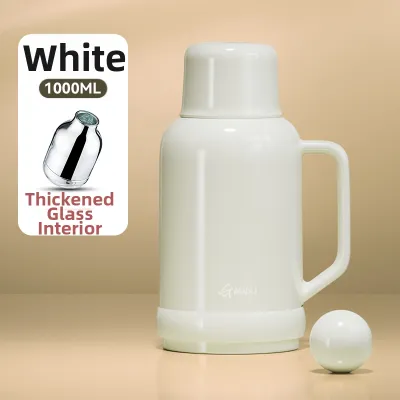
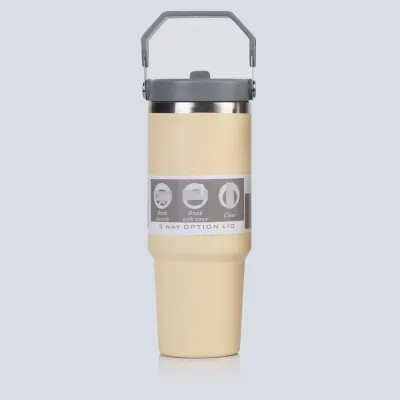
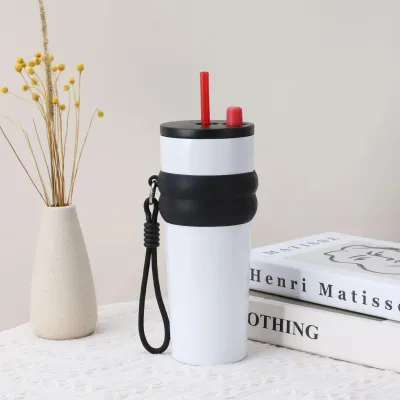
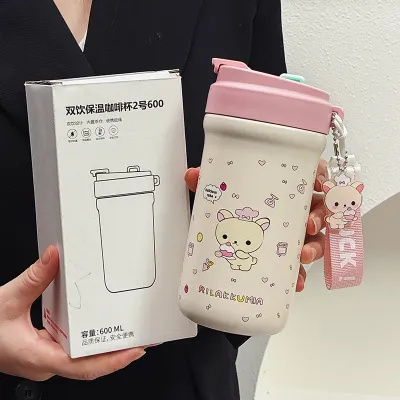
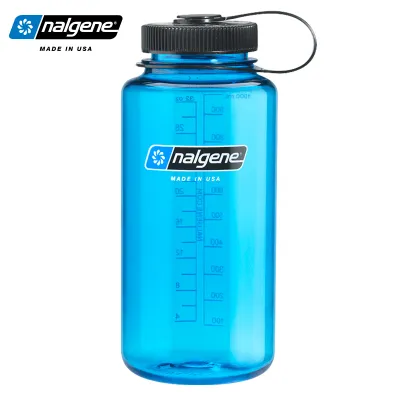
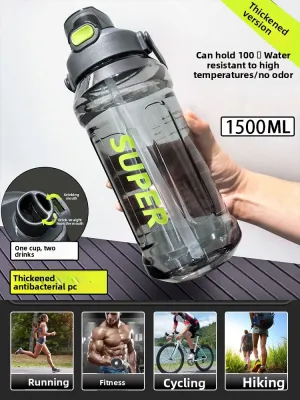
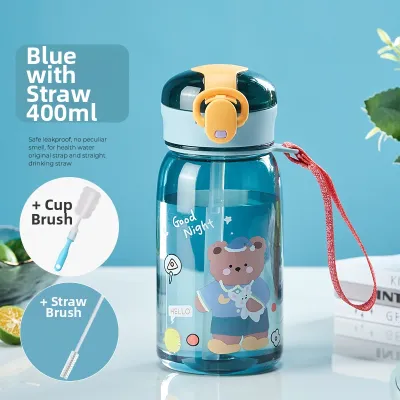
Prices are valid at publication and may change. Please refer to the product page for the latest price.
When shopping, you should verify insulation claims using manufacturer specifications rather than relying on generalized marketing terms. Look for explicit temperature retention ratings, which are typically stated as keeping liquids cold for a specific number of hours under standardized testing conditions. Reliable manufacturers often specify the starting water temperature and the ambient temperature used during their tests. If a product only promises to keep drinks cold without providing these parameters, treat the claim as a general estimate rather than a verified performance metric.
The role of an internal copper lining or reflective barrier is another critical factor in extending cold retention. Some high-performance insulated bottles feature a thin layer of copper plating on the exterior of the inner wall, facing the vacuum gap. Copper is an excellent thermal reflector that bounces radiant heat away from the inner chamber, further slowing down the rate at which the cold liquid absorbs heat. When comparing options, check the product specifications or cross-sectional diagrams to verify if a copper barrier is integrated into the vacuum space, as this feature is particularly beneficial in high-temperature environments.
Essential Design Features for Tropical Workouts
In highly humid environments, condensation is a major issue for poorly insulated bottles. A true vacuum-insulated bottle should remain completely dry on the outside, a feature often referred to as a sweat-proof exterior. If moisture forms on the exterior of the metal body, it indicates that heat is transferring through the walls, which ruins your grip and can damage other gear in your sports bag. Look for powder-coated exterior finishes, which provide a textured, non-slip grip even when your hands are sweaty from a high-intensity workout in a humid climate.

The lid mechanism is often the weakest point in any thermal system because it is typically made of plastic rather than insulated steel. For dynamic sports, you must choose a lid that balances thermal efficiency with ease of use. Screw-top lids offer the tightest seal and strongest thermal retention but require two hands to open, making them less convenient during active movement. Spout lids and straw lids allow for quick, one-handed hydration during a run or bike ride, but you must verify that they feature robust silicone gaskets and locking mechanisms to prevent leaks when tossed into a gym bag.
Material safety and durability are equally important when selecting a sports bottle. Ensure the bottle is constructed from high-quality, food-grade stainless steel, specifically 18/8 (304 grade) or 18/10 (316 grade) stainless steel. These materials are highly resistant to rust and corrosion, which is crucial in humid coastal areas. They also prevent flavor transfer, ensuring your water does not taste like metal or previous sports drinks. Always check that all plastic components, such as lids, straws, and carrying loops, are certified BPA-free and designed to withstand regular cleaning.
Matching Bottle Size and Style to Your Activity
Your hydration needs depend heavily on the duration and intensity of your activity. For a quick one-hour indoor gym session or yoga class, a compact 18-ounce (approx. 530 ml) to 24-ounce (approx. 710 ml) bottle is usually sufficient and easy to handle. For extended outdoor activities, such as hiking or cycling long routes, you will need a larger capacity, such as 32 ounces (approx. 950 ml) or 40 ounces (approx. 1.2 liters), to ensure you do not run out of cold water before reaching a refilling station.
Ergonomics and carrying methods should also influence your choice. If you plan to use the bottle while driving or on a spin bike, measure the diameter of your cup holders and compare it to the bottle’s base specifications; many wide-mouth 32-ounce bottles do not fit standard cup holders. For hiking or backpacking, look for bottles with integrated carry loops, carabiner clips, or those that fit securely into the elastic side pockets of your trail pack. A bottle that is awkward to carry is more likely to be left behind, defeating its purpose.
Weight trade-offs are an important consideration for high-impact sports. Double-wall stainless steel is significantly heavier than single-wall plastic or aluminum. A fully filled 40-ounce steel bottle can weigh well over a kilogram, which can be a major drawback for high-impact, high-movement sports like trail running or fast-paced jogging. For these activities, you may need to compromise by choosing a smaller insulated bottle or using a hydration vest with soft flasks, reserving the large insulated bottle for post-run recovery at your vehicle or base camp.
Cleaning and Maintenance in High Humidity
The warm, humid climate provides a favorable breeding ground for mold, mildew, and bacteria. After every workout, disassemble your bottle completely to prevent hygiene issues. Wash all parts with warm, soapy water using a dedicated bottle brush to reach the bottom of the container. Pay special attention to complex lid mechanisms, straw attachments, and the small crevices where moisture can linger. For a deeper clean, use a mixture of baking soda and water, or specialized cleaning tablets, to eliminate stubborn odors.
Proper drying protocols are essential to prevent moisture trapping and bacterial growth in sealed components. Never reassemble or store your bottle while it is still damp. In high humidity, trapped moisture inside a closed bottle will quickly lead to musty smells and mold growth. After washing, place all components—the bottle body, lid, straw, and gaskets—separately on a clean, dry dish rack in a well-ventilated area. Allow them to air-dry completely before putting them away or refilling them for your next workout.
Over time, the silicone gaskets and O-rings that make your bottle leak-proof and airtight will degrade due to friction, stretching, and exposure to moisture. Inspect these seals regularly for visual signs of degradation, such as cracking, discoloration, mold spots that cannot be washed away, or a loss of elasticity. If you notice water slow-dripping from the lid or a sudden drop in the bottle’s cold-retention performance, check the manufacturer’s website for replacement gasket kits. Replacing a worn gasket is a cost-effective way to restore your bottle’s performance without purchasing an entirely new container, often costing only a few hundred pesos (₱).
Frequently Asked Questions (FAQ)
Can I put ice cubes in any insulated sports water bottle?
Yes, you can put ice cubes in most insulated sports water bottles, and doing so will significantly extend how long your drink stays cold in hot weather. However, you should first check the mouth width of your bottle; wide-mouth designs accommodate standard ice cubes easily, while narrow-mouth bottles may require specialized slim ice sticks. Always verify the manufacturer’s instructions regarding temperature limits, and avoid putting dry ice or carbonated beverages inside, as the pressure buildup can damage the vacuum seal or cause the lid to pop off forcefully.
Why does my insulated bottle sweat even though it claims to be sweat-proof?
If you notice condensation forming on the outside of your insulated bottle, it is important to identify the cause. In extremely humid tropical conditions, a tiny amount of condensation might temporarily form around the plastic lid, which is less insulated than the steel body. However, if the metal body of the bottle itself feels cold to the touch or develops a layer of sweat, this is a clear sign of vacuum failure. This occurs when the seal at the base or neck of the bottle is compromised, allowing air to re-enter the vacuum chamber and rendering the insulation ineffective.
Community discussion
Share your experience or ask a question. Comments are reviewed before publication.