
Choosing the right knee pad with a strap is not a one-size-fits-all decision. The ideal gear depends entirely on the specific physical demands of your sport. For basketball, you need a pad that stays anchored during explosive lateral cuts and cushions hard court impacts. For volleyball, the priority shifts to extended front coverage that shields your joints from floor friction during dives. For gym workouts, heavy impact protection takes a back seat to adjustable compression, joint warmth, and unrestricted movement during deep squats. Matching the strap configuration and padding style to your primary activity ensures you get the right balance of stability, protection, and mobility.
Understanding Strap Designs and Padding Levels for Joint Support
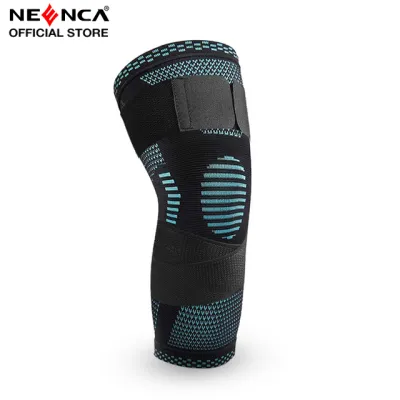
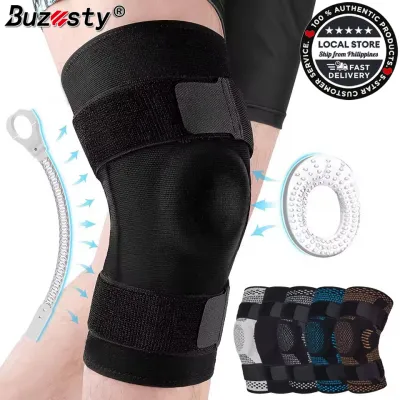
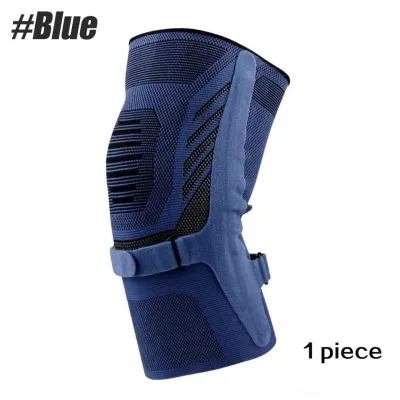
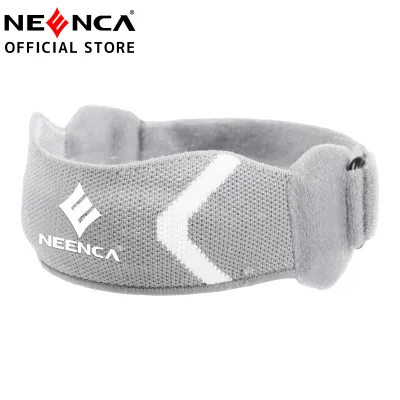
The strap configuration of a knee support determines how well the pad stays in place and how pressure is distributed across your joint. Dual-strap designs feature one strap above the knee and one below, offering balanced compression that prevents the pad from sliding down during vertical movements. This setup is highly effective for maintaining consistent positioning without restricting the kneecap itself.
For athletes requiring lateral stability, figure-8 straps wrap around the joint in a crisscross pattern, mimicking professional athletic taping techniques to stabilize the patella and support ligaments during sudden, side-to-side movements. Wrap-around straps utilize a single wide band or overlapping panels to provide customizable compression across the entire knee area, making them highly adaptable for general joint warmth and swelling management.
Products mentioned in this guide
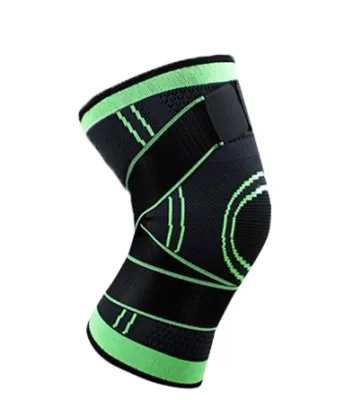
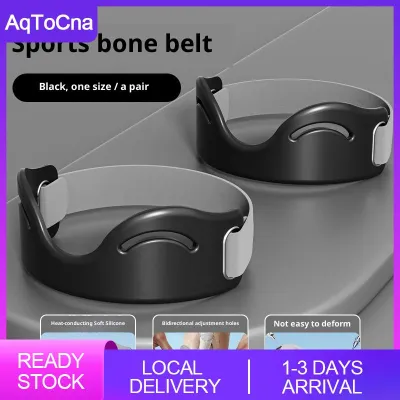
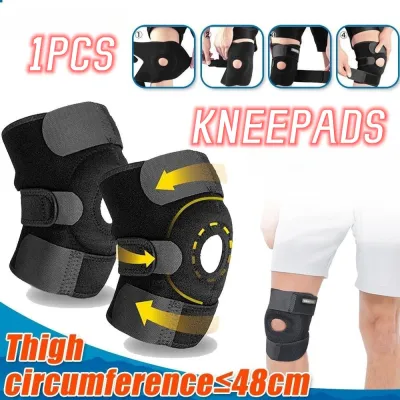
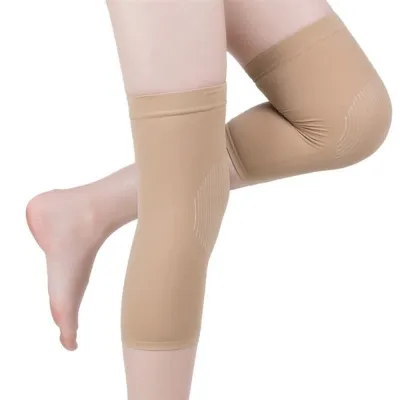
Prices are valid at publication and may change. Please refer to the product page for the latest price.
Padding materials also serve distinct purposes and must be chosen based on the type of impact you expect. High-density foam, such as EVA or specialized gel inserts, is engineered to absorb and disperse heavy, direct impact forces from hard contact with a wooden court or another player. Conversely, thinner, softer, and more flexible padding materials focus primarily on reducing friction, preventing floor burns, and offering mild compression without restricting your natural range of motion.
Before making a purchase, always review the product labels and manufacturer specifications to verify the intended use and protective capabilities of the knee pad. Do not rely on generic marketing terms like “maximum protection.” Instead, look for specific details regarding the padding thickness, material composition, and strap adjustability to ensure the gear matches your physical requirements.
Matching Knee Pad Features to Basketball Demands
Basketball is a high-velocity sport characterized by rapid acceleration, sudden deceleration, sharp lateral cuts, and frequent jumping. These explosive movements place immense stress on the patellofemoral joint and require a knee pad that can keep up with rapid changes in direction.

A primary requirement for basketball is secure strap anchoring. During a fast break or a quick defensive slide, a loose knee pad can easily slip down to your shin, leaving your joint unprotected. Look for dual-strap systems or figure-8 configurations that lock the pad securely above and below the calf muscle, ensuring the protective elements stay centered over your kneecap throughout the game.
Hardwood and concrete courts present a significant impact risk during falls, collisions, or loose-ball scrambles. A basketball knee pad should feature targeted shock-absorbing zones, particularly around the patella. Segmented, hexagonal foam patterns are excellent for dispersing the force of a direct blow without making the pad feel overly stiff or bulky.
In a tropical climate, high humidity and heat make sweat management a critical factor during intense games. A knee pad that traps moisture will quickly become heavy, slide down your leg, and cause severe skin chafing. Prioritize materials with moisture-wicking and breathable properties, such as perforated neoprene or open-back designs, to allow heat to escape and keep your skin dry.
Matching Knee Pad Features to Volleyball Demands
Volleyball demands constant agility, quick defensive transitions, and frequent contact with the floor. Players must execute deep lunges, low defensive postures, and repetitive dives to keep the ball in play, making joint protection a necessity.
The primary hazard in volleyball is floor friction and impact during defensive dives. To protect against painful floor burns and repetitive impact bruising, prioritize knee pads with extended anterior padding coverage. The padding should extend slightly upward onto the lower thigh and downward over the upper shin, ensuring that your entire knee area remains shielded when sliding across the court surface.
While robust protection is vital, the strap placement and overall bulk of the pad must not restrict your range of motion. If the straps are too thick or positioned directly behind the knee joint, they can pinch the skin and restrict deep knee flexion during low defensive postures. Look for low-profile, recessed strap designs that sit comfortably away from the crease of the knee.
Lightweight construction is another essential consideration for volleyball. Heavy, bulky pads can fatigue your legs over the course of a multi-set match and hinder your vertical leap. Opt for lightweight, high-density foam or gel padding that provides excellent impact resistance without adding unnecessary weight.
Matching Knee Pad Features to Gym Workouts
Gym workouts, including weightlifting, powerlifting, and functional fitness, present a completely different set of physical demands compared to court sports. Because gym exercises rarely involve sudden impacts with the floor, the focus shifts from shock absorption to joint stability, compression, and warmth.
For gym sessions, you should prioritize compressive supports with adjustable straps over impact-focused pads. Compressive sleeves help retain joint warmth, which increases tissue elasticity and joint lubrication during heavy lifts. The addition of adjustable straps allows you to customize the level of compression and lateral support, helping you feel secure during heavy squats, leg presses, and lunges.
Comfort during deep knee flexion is paramount when lifting weights. When performing a deep squat, your knee joint bends past 90 degrees. If your knee support has thick, rigid padding on the front or stiff straps on the back, it will bind, pinch, and dig into your skin, which can alter your lifting mechanics. Choose flexible, non-padded compressive sleeves with adjustable elastic straps that can be tightened for heavy sets and loosened during rest periods.
Durability is also a key factor to consider for gym gear. Gym equipment, such as knurled barbells, bench edges, and rubber flooring, can easily snag and tear delicate fabrics. Look for knee supports made from durable, abrasion-resistant materials like heavy-duty neoprene or reinforced nylon blends that can withstand repeated friction.
Evaluating Fit, Sizing, and Cross-Sport Compatibility
To ensure your knee pad provides the intended support and protection, you must achieve a precise fit. Never guess your size or rely on your standard clothing size, as sizing standards vary significantly between brands.
Always follow the manufacturer’s sizing chart and take precise measurements using a flexible measuring tape. Measure the circumference of your leg at the center of the kneecap, three inches above, and three inches below. Take these measurements while standing with your leg slightly bent to reflect the natural shape of your joint during activity.
When trying on a new knee pad, perform a quick test run. Walk, jog, squat, and perform a few lateral movements to evaluate how the pad behaves. Watch out for warning signs of an improper fit, such as the pad sliding down, bunching behind the knee, pinching your skin, or causing a tingling sensation that indicates restricted blood circulation.
Finally, consider whether a single hybrid design can safely cover your specific mix of activities. A pad flexible enough for deep squats often lacks the thick impact protection needed for volleyball dives, while a heavily padded basketball sleeve may feel too restrictive and hot during a heavy leg day. If you participate in multiple sports at a high intensity, investing in sport-specific pairs is the safest way to protect your joints. While budget-friendly options on local online marketplaces may start around ₱300, premium models designed for high-impact sports can cost upwards of ₱1,500. Regardless of the price point, verifying the manufacturer’s material specifications is more important than relying on a brand name.
Frequently Asked Questions (FAQ)
Can I use the same strapped knee pad for both basketball and weightlifting?
Using the same knee pad for both activities is generally not recommended due to opposing design requirements. Basketball knee pads feature thick, shock-absorbing padding to protect against hard court impacts, which can feel bulky and restrictive during deep weightlifting movements. Conversely, weightlifting supports focus on heavy compression and joint warmth without the anterior padding needed to shield your knees during basketball landings. For optimal safety and performance, prioritize sport-specific gear.
How tight should the straps be on a knee pad?
The straps should be tight enough to anchor the pad securely and prevent it from sliding during movement, but not so tight that they restrict blood flow or pinch your skin. You should be able to slide one finger comfortably under the straps. Check for warning signs of excessive tightness, such as numbness, cold skin, or deep red marks after use. Adjust the tension based on your current activity, loosening the straps during rest periods to maintain healthy circulation.
Community discussion
Share your experience or ask a question. Comments are reviewed before publication.