
Selecting the right knee support binder depends entirely on the specific physical demands of your chosen sport. Running, basketball, and gym training place vastly different stresses on your joints, meaning a binder designed for one activity may fall short or even cause discomfort in another. To protect your joints and maintain peak performance, you must match the binder’s material, flexibility, and support level to your movement patterns.
In this guide, we break down how to choose the ideal knee support binder based on your activity. By understanding the unique requirements of running, basketball, and weight training, you can make an informed decision that keeps you moving safely and comfortably.
Quick Guide: Matching Your Sport to the Right Knee Support
Every sport subjects your knees to a distinct set of forces. Running involves thousands of repetitive, low-impact linear strides. Basketball requires explosive vertical jumps and sudden, high-impact lateral cuts. Gym workouts, particularly heavy lifting, place massive axial loads directly down through the joint. Because these movement patterns differ so significantly, a single type of knee support cannot serve every athletic need perfectly.
Products mentioned in this guide
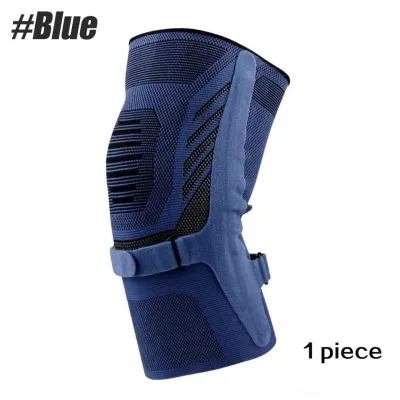
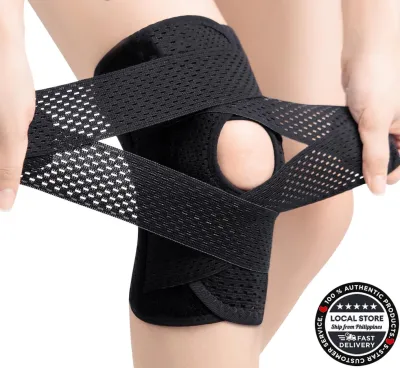
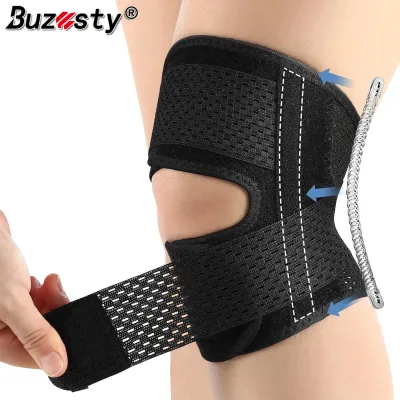
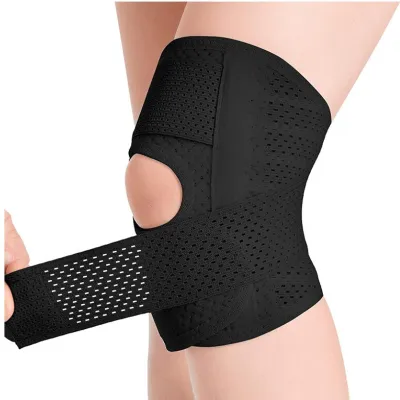
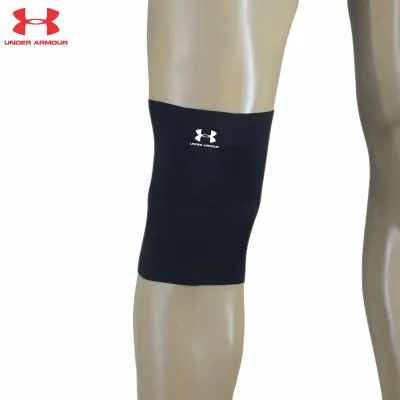
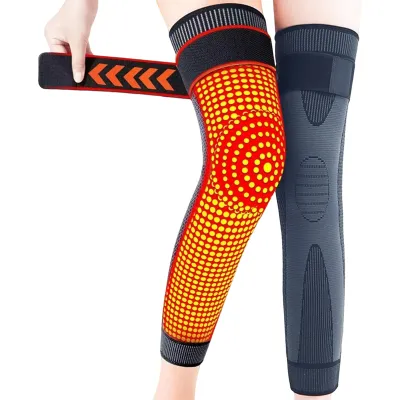
Prices are valid at publication and may change. Please refer to the product page for the latest price.
Before purchasing, it is essential to review the manufacturer’s product labels to verify the intended use cases, compression ratings, and support levels. The table below provides a quick reference to help you identify the primary features required for each activity:
| Sport | Primary Movement Pattern | Key Binder Trait | Recommended Support Level |
|---|---|---|---|
| Running | Repetitive linear flexion | Breathability, anti-slip, patella tracking | Mild to moderate compression |
| Basketball | Explosive jumping, lateral cuts | Lateral stability, impact absorption | Moderate to high support |
| Gym / Lifting | Heavy axial loading, deep squats | Joint stiffness, adjustable tension | High compression / adjustable wraps |
Using this matrix as a starting point allows you to narrow down your options. From there, you can look closer at the specific material compositions and structural designs that will best support your daily training routine.
Selecting a Knee Support Binder for Running
Distance running and sprinting require a knee support binder that accommodates continuous, repetitive bending without causing irritation. Because running is a high-cardio activity, heat and sweat build up quickly, especially in warm and humid tropical climates. Prioritizing lightweight, highly breathable knit fabrics over thick, non-ventilated materials is crucial to prevent skin chafing and discomfort during long runs.

When evaluating binders for running, look for options that feature targeted patella support. Many running-specific sleeves incorporate a circular silicone gel pad or a reinforced ring around the kneecap. According to manufacturer specifications, this design helps aid proper joint tracking, keeping your patella aligned as you log repetitive kilometers on asphalt or trail surfaces.
Slippage is a common complaint among runners using compression gear. To prevent the binder from sliding down your leg with every stride, check the product details for integrated anti-slip features. High-quality running sleeves typically feature wave-patterned silicone grips along the inside of the upper cuff, which secure the binder against your skin even during heavy sweating.
Finally, you must evaluate the balance between compression and your natural range of motion. The binder should feel snug enough to provide reassuring pressure and warmth, but it must not restrict your ability to fully flex and extend your knee. If the material bunches up behind your knee or pinches your skin, it may alter your running gait and lead to secondary discomfort elsewhere in your leg.
Selecting a Knee Support Binder for Basketball
Basketball is a fast-paced, high-intensity sport characterized by sudden acceleration, abrupt stops, and explosive vertical jumps. These movements subject your knees to intense lateral (side-to-side) forces and heavy landing impacts. Consequently, a simple compression sleeve is often insufficient; basketball players generally require a binder that offers enhanced lateral stability.
To protect your joints during hard court play, look for binders equipped with reinforced side elements. Many sports-specific binders feature flexible spring stabilizers or semi-rigid stays sewn into the lateral and medial sides of the sleeve. These components help absorb lateral forces during quick crossovers and defensive slides without restricting your forward or backward movement.
Because basketball involves physical contact and frequent floor dives, impact protection is another valuable feature. Some binders come with integrated padding over the kneecap area to cushion against direct blows or hard landings on concrete barangay courts or indoor hardwood. Verify on the product label whether the padding is rated for impact absorption and high-intensity sports use.
Fit and durability are paramount when playing on the court. Ensure the binder allows for deep knee bends—such as when boxing out or staying low in a defensive stance—without bunching up in the popliteal space behind your knee. Look for reinforced stitching and durable, abrasion-resistant fabrics that can withstand the friction of sudden directional changes and repeated washes.
Selecting a Knee Support Binder for the Gym
Gym training encompasses a wide variety of exercises, from high-intensity interval training (HIIT) to heavy powerlifting. If your routine focuses on heavy load-bearing exercises like squats, leg presses, or deadlifts, your knee support needs will differ greatly from those of a runner or basketball player. Here, the primary goal is maximizing joint stiffness and pressure to help stabilize the knee under heavy loads.
It is important to differentiate between mild compression sleeves and heavy-duty adjustable wraps. A standard elastic sleeve is excellent for general gym workouts, providing warmth, joint awareness, and mild support. However, for heavy lifting, many lifters prefer thick neoprene sleeves (often 7mm in thickness) or adjustable elastic wraps that allow you to customize the tension level before a heavy set.
If you choose adjustable wraps, you must understand how to manage the tension safely. While tight wrapping maximizes joint stiffness during a lift, it also restricts blood flow. A general safety practice is to tighten the wraps immediately before your set and loosen or remove them entirely between sets to restore normal circulation. Never keep highly restrictive wraps tightly bound for extended periods.
For general strength training, look for rigid or semi-rigid supports only if the manufacturer specifies them for heavy load-bearing activities. Always prioritize maintaining proper lifting form over relying solely on a binder to carry the weight. A knee support binder is an aid to assist your natural joint mechanics, not a substitute for core strength, mobility, and correct exercise technique.
Verifying Fit, Safety, and Care Instructions
No matter which knee support binder you choose, its effectiveness depends entirely on a proper fit and correct usage. Before purchasing, avoid guessing your size or relying on generic clothing sizes. Use a flexible measuring tape to measure the circumference of your leg at the exact points specified by the manufacturer—typically around the center of the kneecap, as well as a few centimeters above and below it—and compare these measurements to the brand’s specific sizing chart.
Once you receive your binder, perform a quick fit check. A properly fitting binder should feel snug and supportive but comfortable. Watch out for clear signs of an improper fit, such as numbness, tingling in your lower leg or toes, excessive slipping during movement, or deep red indentations on your skin. If you experience any of these symptoms, the binder is likely too tight or poorly shaped for your leg, and you should swap it for a different size.
Safety should always come first when using joint supports. If you experience sharp pain, sudden swelling, or worsening discomfort while wearing the binder, stop your activity immediately, remove the support, and consult a healthcare professional. A binder is designed to support healthy joints during activity; it is not a medical cure for underlying ligament tears or chronic joint injuries.
To preserve the elasticity, compression strength, and structural integrity of your binder, always follow the product’s care label. Most manufacturers recommend hand-washing the binder in cold water with a mild detergent and letting it air dry in a shaded area. Avoid using bleach, fabric softeners, or hot dryers, as extreme heat and harsh chemicals can rapidly degrade the elastic fibers and silicone grips, shortening the lifespan of your gear.
Frequently Asked Questions (FAQ)
Can I use the same knee support binder for all three sports?
While you can technically wear a single, versatile medium-compression sleeve for light jogging, casual shooting rounds, and general gym workouts, doing so involves clear trade-offs. A multi-purpose sleeve provides basic warmth and mild joint awareness, but it lacks the specialized features required for high-intensity or specialized training.
For instance, a lightweight running sleeve will not offer the lateral stability needed for intense basketball cuts, nor will it provide the heavy-duty joint stiffness required for maximum-effort squats in the gym. Conversely, a thick, rigid powerlifting sleeve is far too stiff and heavy for running, and it will likely cause chafing and restricted movement if worn on the basketball court.
If you participate in these sports at a recreational or moderate level, a high-quality, breathable compression sleeve with mild patella support may suffice as a single option. However, if you train seriously or have a history of joint discomfort, investing in dedicated, sport-specific binders is highly recommended to ensure you receive the precise level of protection and flexibility your knees require.
Community discussion
Share your experience or ask a question. Comments are reviewed before publication.