
Finding the right knee support relief arthritis involves matching the design of the support to your daily physical demands and the specific nature of your joint discomfort. While over-the-counter options cannot cure joint degeneration, they can assist in managing daily discomfort by providing warmth, stability, or structural alignment.
Navigating the choices between compression sleeves, wrap-around braces, and rigid hinged supports requires understanding how each design interacts with a moving joint. Always consult a healthcare professional for a proper diagnosis and personalized medical advice before starting any new support regimen.
Decoding Knee Support Types for Arthritis
Compression sleeves are typically pull-on elastic or neoprene sleeves that slide over the foot and sit snugly around the knee. They provide uniform pressure around the entire joint, which helps retain local heat and promote blood flow. This mild support is often preferred for general stiffness or mild, dull aches during everyday activities.
Products mentioned in this guide
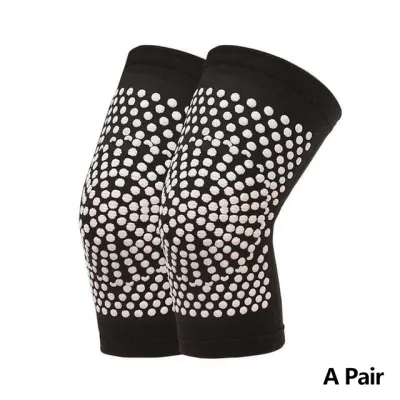
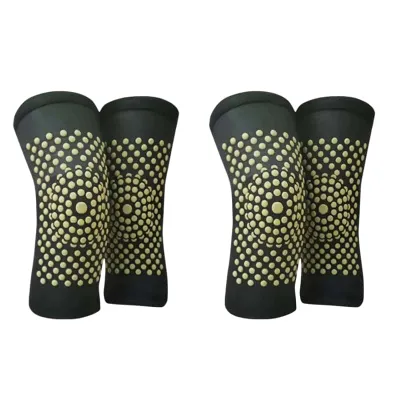
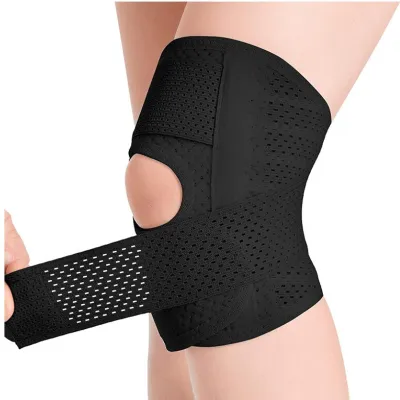
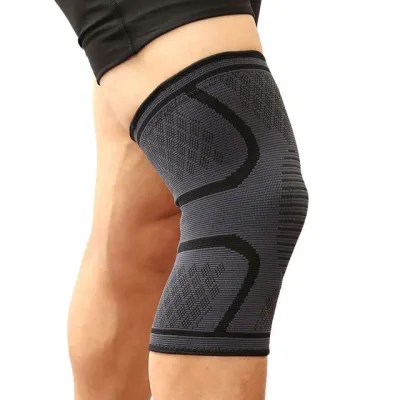
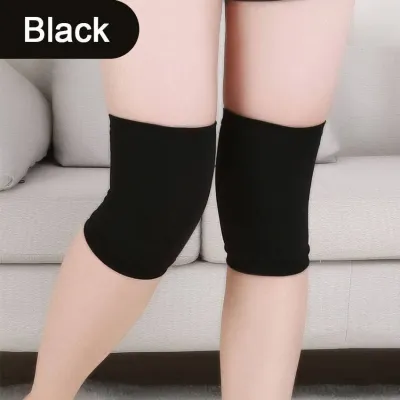
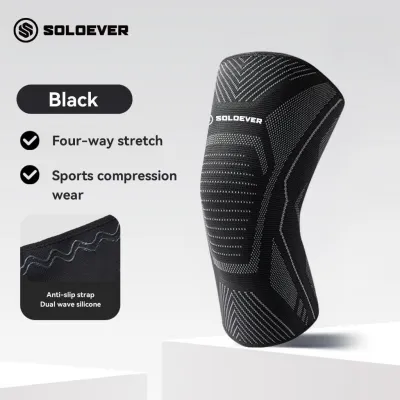
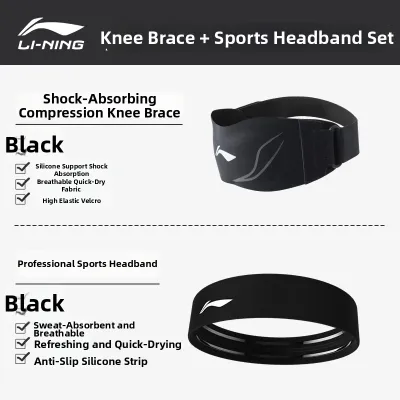
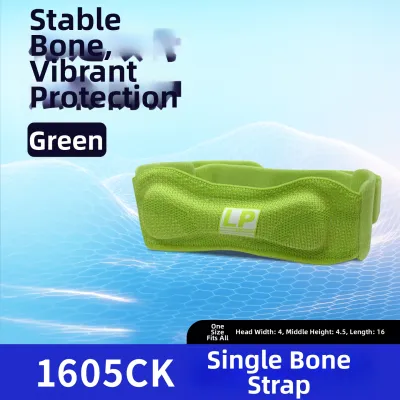
Prices are valid at publication and may change. Please refer to the product page for the latest price.
Wrap-around supports feature adjustable straps, allowing you to customize the tightness and pressure on specific areas of the knee. They are particularly useful for individuals who experience fluctuating swelling, as the fit can be loosened or tightened throughout the day. They are also easier to put on for those with limited hand strength or severe knee pain that makes pulling a tight sleeve over the foot difficult.
Hinged braces incorporate rigid or semi-rigid side stays, often made of plastic or lightweight metal, alongside a structured sleeve or strap system. Hinged braces are designed to prevent lateral movement and keep the joint moving in a straight, natural plane. They offer the highest level of structural stability, making them suitable for moderate to severe arthritis where joint instability is a primary concern.
Key Specifications and Features to Evaluate
When shopping for a knee support, check the manufacturer’s sizing chart carefully. Use a flexible measuring tape to measure the circumference of your thigh and calf at the exact distances specified by the brand. General athletic sleeves offer mild, non-quantified compression suitable for light comfort, while medical-grade compression garments feature specific pressure ratings designed to manage moderate swelling. A support that is too tight can restrict circulation, while one that is too loose will slide down and fail to provide therapeutic pressure.

In warm and humid tropical climates, such as in the Philippines, material choice is critical for comfort and compliance. Neoprene provides excellent heat retention, which can soothe stiff joints, but it can also trap sweat and cause skin irritation. Look for breathable, moisture-wicking knit fabrics or perforated neoprene alternatives that allow heat to escape during outdoor activities. If you have sensitive skin, check for hypoallergenic labels and latex-free materials to prevent contact dermatitis.
High-quality hook-and-loop straps allow you to fine-tune the fit as your knee shape changes due to swelling. Look for supports with integrated silicone grip strips along the inner cuffs; these help keep the sleeve from slipping down during walking. Additionally, an open-patella design reduces direct pressure on the kneecap itself, which can prevent tracking issues and improve comfort during deep knee bends.
Matching the Support to Your Activity and Comfort Needs
For light household chores, sitting at a desk, or relaxing, a lightweight compression sleeve or a simple elastic wrap is often sufficient. These options provide a gentle sensory reminder that helps you stay aware of your joint alignment without restricting your natural range of motion or impeding blood flow during periods of inactivity.
When walking on uneven terrain, running errands, or engaging in recreational sports, your knee experiences higher dynamic forces. For these activities, a wrap-around support with dual straps or a sleeve with flexible side stabilizers can help keep the kneecap tracking correctly. If you experience significant instability or a feeling that your knee might give way, a hinged brace can provide the structural reassurance needed to maintain a steady gait.
Arthritis symptoms can fluctuate. During a flare-up characterized by visible swelling and acute tenderness, a highly adjustable wrap-around support is often more practical than a tight pull-on sleeve. The wrap can be applied gently without dragging it over an inflamed joint, and the tension can be adjusted dynamically to accommodate swelling without cutting off circulation.
Safety Limits and When to Seek Professional Guidance
While knee supports are valuable tools, they must be used with caution. Pay close attention to how your leg feels during wear. If you experience numbness, a tingling sensation, coldness in your foot, or visible skin discoloration, remove the support immediately. These are clear signs that the support is too tight and is restricting blood flow or compressing nerves.
Prolonged wear of any knee support can trap sweat, dirt, and bacteria against your skin. To prevent rashes and infections, inspect your skin daily for redness or chafing. Wash your knee support regularly according to the manufacturer’s instructions—usually hand-washing with mild soap and air-drying—to maintain the elasticity of the fabric and keep the material hygienic.
Over-the-counter knee supports are designed to assist with symptom management, not to replace professional medical care. If your knee pain worsens, if you experience sudden swelling, or if you cannot bear weight on your leg, stop using the support and consult a doctor or physical therapist. A professional can evaluate your joint alignment and recommend a comprehensive treatment plan, which may include targeted physical therapy exercises to strengthen the supporting muscles around your knee.
Frequently Asked Questions (FAQ)
Can I wear a knee compression sleeve all day for arthritis?
While you can wear a knee compression sleeve during your waking hours to help manage mild stiffness and swelling, it is generally not recommended to wear one continuously all day and night. Remove the sleeve when sleeping to allow your skin to breathe and to prevent any potential restriction of blood circulation while inactive. Always monitor your skin for signs of irritation, redness, or deep indentations, and follow the specific usage and wear-time guidelines provided by the manufacturer.
Do knee braces with hinges help with arthritis pain?
Hinged knee braces help manage arthritis pain indirectly by providing structural stability and preventing the joint from shifting into painful, misaligned positions during movement. By limiting lateral movement and supporting the knee’s natural bending motion, they reduce the mechanical stress placed on worn cartilage. However, because they are bulky and restrict certain movements, they are typically reserved for moderate to severe arthritis or joint instability rather than mild daily aches.
Community discussion
Share your experience or ask a question. Comments are reviewed before publication.