
Selecting the right knee support for knee pain depends entirely on the specific source of your discomfort and the level of stability your joint requires. A simple elastic sleeve cannot stabilize a torn ligament, while a heavy, rigid hinged brace is unnecessary and restrictive for mild morning stiffness. Matching the support type to the specific mechanical need of your joint ensures comfort, safety, and effective movement during daily activities or sports.
Understanding the differences between compression sleeves, patellar straps, wraparound braces, and hinged supports allows you to make an informed decision. By evaluating your symptoms, checking the fit, and recognizing the physical limits of external supports, you can protect your joints while working toward long-term recovery.
Identify Your Knee Pain Type and Support Needs
Recognizing your specific knee pain symptoms is the first step in determining the required level of joint support. Mild arthritis typically presents as a dull, aching pain accompanied by morning stiffness that gradually improves with gentle movement. Runner’s knee, or patellofemoral pain, often causes a nagging ache behind or around the kneecap, which typically intensifies when walking down stairs, squatting, or running. General overuse from repetitive activities usually manifests as mild swelling, tenderness, and a tired sensation in the joint after a long day of physical effort.
Products mentioned in this guide
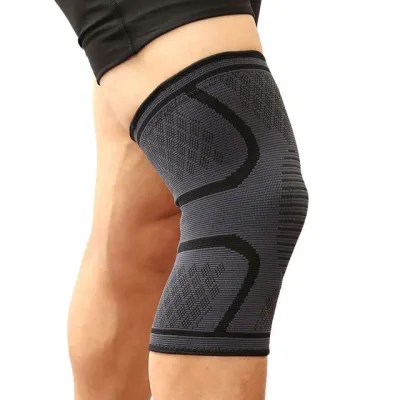
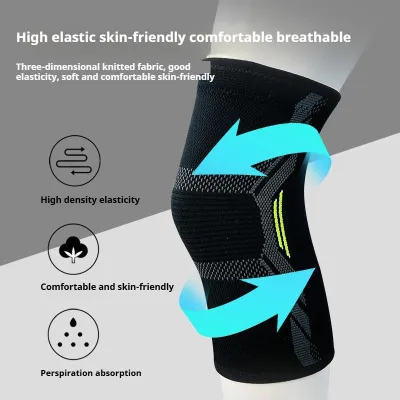
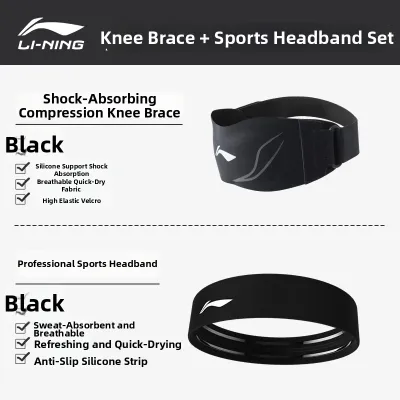
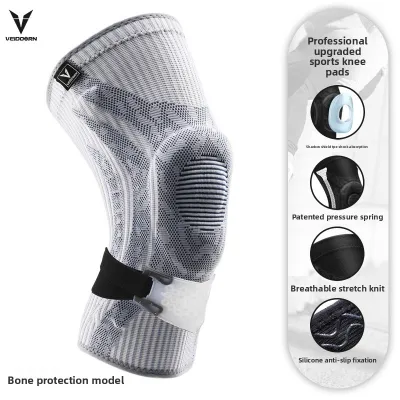
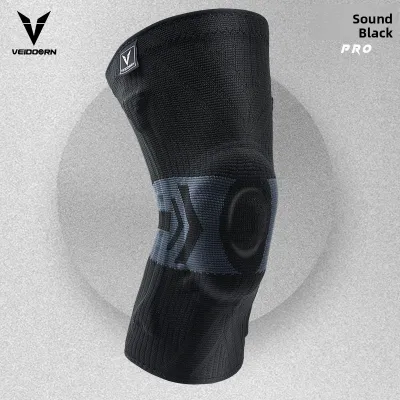
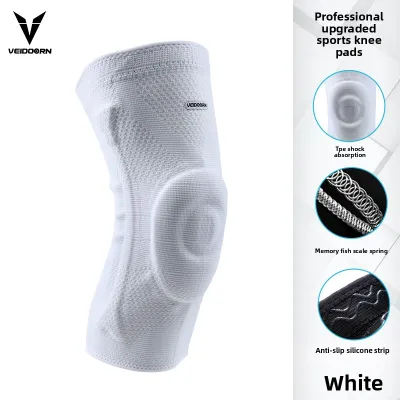
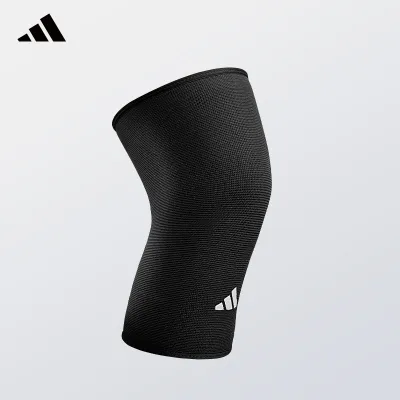
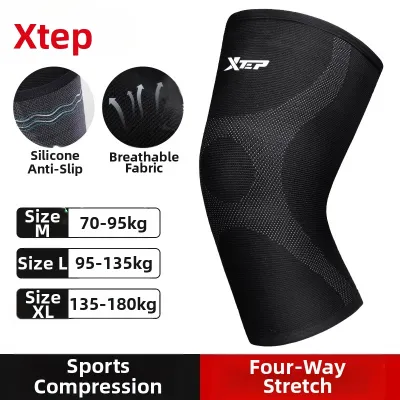
Prices are valid at publication and may change. Please refer to the product page for the latest price.
Knee supports exist on a spectrum designed to address these varying levels of discomfort. Mild compression, provided by flexible sleeves, focuses on increasing blood flow and providing sensory feedback to help you feel more stable during movement. Moderate stabilization, found in dual-strap or wraparound braces, offers physical resistance against minor joint shifting while allowing a normal range of motion. Rigid stabilization, delivered by hinged braces, physically limits lateral movement to protect healing tissues from further structural damage.
While self-assessment is helpful for managing minor aches, certain red flag symptoms indicate that you must stop trying to manage the pain on your own. If you experience a sudden, severe swelling immediately after an injury, hear or feel a distinct “pop” inside the joint, or find yourself completely unable to bear weight on the leg, seek immediate medical attention. A joint that physically locks in place or feels entirely unstable also requires a professional evaluation rather than a self-selected brace.
Match Common Knee Conditions to Support Categories
For mild arthritis, minor swelling, and general joint stiffness, a compression knee sleeve is often the most appropriate choice. These sleeves are typically made of elastic, neoprene, or knit fabrics that slide directly over the foot and sit snugly around the joint. Rather than physically restricting joint movement, a sleeve works by providing gentle compression that helps manage localized swelling. The warmth generated by the fabric also helps keep the joint lubricated, while the constant pressure enhances proprioception—your brain’s awareness of the joint’s position—which can improve overall stability during daily walks or light exercise.

If your pain is concentrated directly below the kneecap, particularly during running, jumping, or climbing stairs, a patellar strap is designed specifically for this mechanical issue. Also known as a patellar tendon band, this narrow strap wraps around the leg just below the kneecap, applying targeted pressure to the patellar tendon. This pressure alters the angle at which the tendon pulls on the kneecap, distributing physical forces more evenly and reducing the strain on the irritated tendon. To verify proper placement, ensure the strap sits directly on the tendon below the kneecap; it should feel snug enough to stay in place during movement but not so tight that it pinches or restricts circulation behind the knee.
For ligament strains, moderate joint instability, or recovery from a structural injury, a hinged knee brace provides the necessary physical boundaries. These braces feature rigid side hinges made of metal or lightweight plastic that align with the natural pivot point of your knee. The primary purpose of a hinged brace is to prevent lateral (side-to-side) movement, which can reinjure healing ligaments like the medial collateral ligament (MCL) or lateral collateral ligament (LCL). While preventing harmful lateral shifting, the hinges still allow the knee to bend forward and backward, keeping you mobile while protecting the joint from twisting forces.
Moderate instability, which often fluctuates with activity levels or changing swelling, is best managed with wraparound or dual-strap braces. Unlike pull-on sleeves, wraparound braces feature adjustable hook-and-loop straps that allow you to customize the tightness of the support. This design is highly beneficial if your knee tends to swell significantly during the day and return to normal overnight. You can loosen the straps slightly to accommodate swelling without losing support, or tighten them as the swelling subsides to maintain a secure fit.
Essential Fit, Sizing, and Safety Checks
An improperly fitted knee support can cause more harm than good, making accurate measurement essential before purchasing. A support that is too tight can restrict blood flow, compress nerves, and cause swelling in the lower leg or foot. Conversely, a support that is too loose will slide down constantly, failing to provide any therapeutic compression or physical stability. To find your size, use a flexible measuring tape to measure the circumference of your thigh and calf, typically taken 10 to 15 centimeters above and below the center of your kneecap. Always compare these exact measurements to the manufacturer’s specific sizing chart, as sizing standards vary widely between different brands.
In warm and humid tropical climates, such as in the Philippines, material selection directly impacts comfort and skin health. Wearing a thick, non-breathable neoprene brace during daily commutes or outdoor activities can quickly trap sweat, leading to skin chafing, heat rashes, and general discomfort. Look for knee supports made from breathable, moisture-wicking knit fabrics or those featuring perforated neoprene to allow heat to escape. Additionally, check for anti-slip features, such as integrated silicone grip strips along the inner cuffs, which help keep the support securely in place even when your skin becomes sweaty.
When wearing any knee support, you must monitor your body’s response to ensure safe usage. Pay close attention to physical signals that indicate the brace is too tight or poorly positioned. If you experience numbness, a “pins and needles” tingling sensation, coldness in your foot, or a noticeable increase in your knee pain, remove or loosen the support immediately. These symptoms are clear indicators of compromised circulation or nerve compression, requiring immediate adjustment to prevent tissue irritation.
Recognize the Limits of Knee Support and When to Seek Care
While a knee support is a valuable tool for managing discomfort, it is important to recognize that braces do not cure underlying structural issues. Relying on a brace continuously without a clear rehabilitation plan can lead to muscle dependency. When an external support constantly stabilizes the joint, the surrounding muscles—such as the quadriceps, hamstrings, and calves—do not have to work as hard to maintain balance. Over time, this lack of engagement can lead to muscle weakness and atrophy, ultimately making your knee less stable when the support is removed.
Using a brace to mask pain can also lead to a false sense of security, encouraging you to push through activities that may be actively worsening an injury. If you find that you cannot perform daily movements without wearing a brace, or if your pain persists or worsens after several weeks of use, it is time to seek professional medical care. Clear signals that require immediate medical evaluation include a joint that locks or catches, severe swelling that appears rapidly, an inability to bear weight on the leg, or pain resulting from a sudden, high-impact trauma.
Long-term joint health and recovery require a holistic approach that goes beyond simply wearing a support. A knee brace should be viewed as a temporary aid to assist you during active recovery, rather than a permanent solution. Combining appropriate joint support with targeted physical therapy, low-impact strengthening exercises, and proper rest allows you to rebuild the natural muscular support system around your knee, ensuring lasting mobility and joint resilience.
Frequently Asked Questions (FAQ)
Can I wear a compression knee sleeve all day or while sleeping?
It is generally not recommended to wear a compression knee sleeve all day or while sleeping unless specifically instructed by a healthcare professional. Continuous compression over many hours can restrict local blood circulation, especially when you are lying down and inactive. Your body needs periods of rest without external pressure to allow normal blood flow and skin aeration. Limit use to periods of physical activity or times when you experience active discomfort, and remove the sleeve before going to bed.
How should I clean my knee brace to prevent skin irritation?
To prevent skin irritation from sweat buildup, dirt, and bacteria, you should clean your knee support regularly according to the manufacturer’s care label. Generally, hand wash the support in cool water using a mild, fragrance-free soap or detergent, and rinse it thoroughly to remove all soap residue. Avoid using bleach, fabric softeners, or harsh chemicals that can degrade the elastic fibers or irritate your skin. Always air dry the brace completely in a well-ventilated area away from direct sunlight and heat sources, and never put it in a mechanical dryer unless the instructions explicitly permit it.
Community discussion
Share your experience or ask a question. Comments are reviewed before publication.