
Selecting the correct knee support depends on the specific mechanical demands of your sport and your current joint condition. While sleeves, braces, and straps all serve to protect the knee, they function through entirely different mechanisms. A knee sleeve offers compression and warmth to improve joint awareness and blood flow, making it ideal for general soreness and repetitive movements. A knee brace provides structural support through hinges or stays, designed to physically limit harmful joint movements during recovery. A patellar strap applies targeted pressure to the tendon below the kneecap, helping to relieve localized strain from jumping or running. Matching the support to your activity’s movement patterns ensures you protect your joint without restricting necessary mobility.
Understanding the Three Main Knee Support Types
Knee sleeves are designed to provide compression, thermal retention, and mild proprioceptive feedback. Made from flexible materials like neoprene or knitted elastic fabrics, they slide over the joint to deliver uniform pressure. This compression helps increase local blood circulation and keeps the joint warm, which can reduce stiffness during activity. The constant pressure also enhances proprioception—your brain’s awareness of the joint’s position—helping you maintain better alignment during movement. However, sleeves do not contain rigid structural elements, meaning they do not restrict joint movement or prevent structural injuries like ligament tears.
Knee braces utilize rigid or semi-rigid structures to provide physical stability and limit specific joint movements. These devices often feature plastic or metal hinges, stays, or straps that run along the sides of the knee. Braces are engineered to offload weight from damaged areas of the joint and prevent harmful lateral shifting or hyperextension. Because they physically restrict certain ranges of motion, they are typically used during rehabilitation, post-surgery recovery, or when managing moderate to severe ligament instability. They offer a high level of mechanical protection but can limit overall mobility and speed.
Products mentioned in this guide
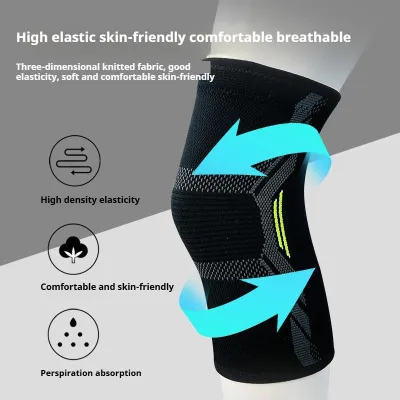
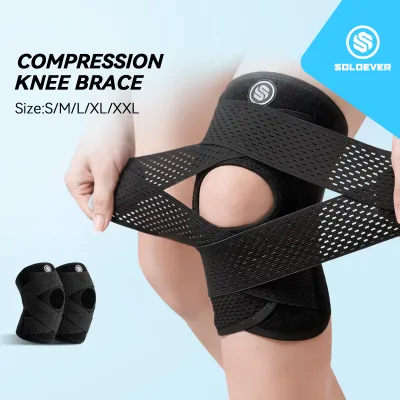
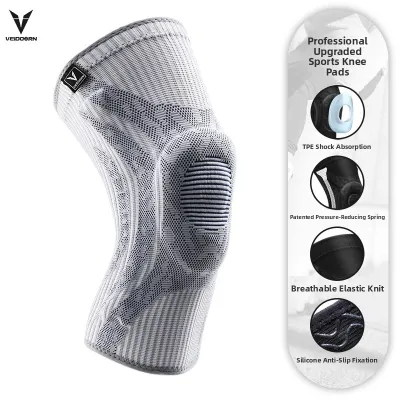
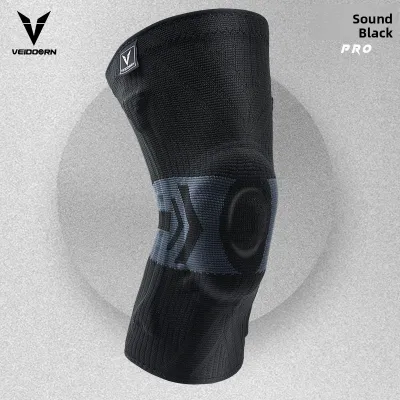
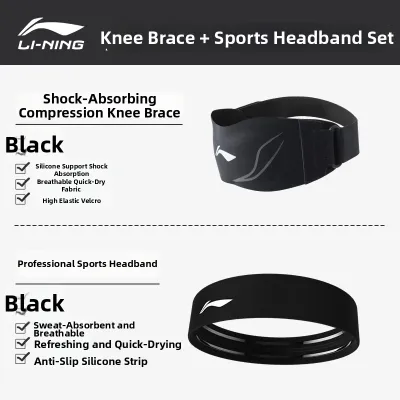
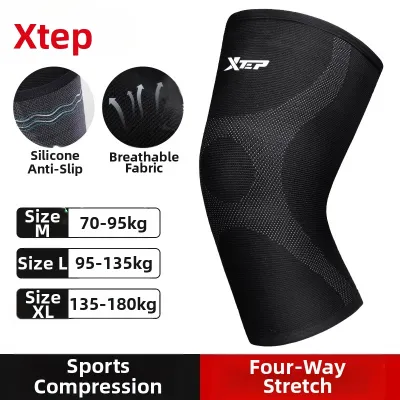
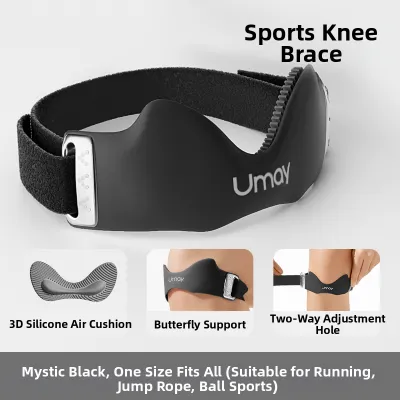
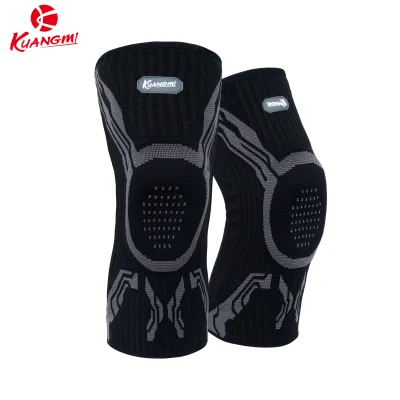
Prices are valid at publication and may change. Please refer to the product page for the latest price.
Patellar straps, also known as patellar tendon bands, function through a highly targeted mechanical approach. These simple, low-profile bands wrap around the leg just below the kneecap, applying direct pressure to the patellar tendon. This pressure alters the angle at which the tendon tracks over the joint, distributing forces more evenly and reducing localized strain on the tendon insertion point. Straps do not provide overall joint compression or lateral stability, but they are highly effective at managing localized anterior knee discomfort without adding bulk or restricting the knee’s natural bending motion.
Matching Knee Support to Your Sport and Activity
The movement patterns, impact levels, and environmental conditions of your sport dictate which type of knee support is most appropriate. Lateral cutting, repetitive linear motion, and heavy vertical loading each place distinct physical stresses on the joint. Choosing a support that aligns with these specific demands helps optimize both protection and athletic performance.

Court Sports and High-Impact Activities
Court sports like basketball, volleyball, and badminton require rapid lateral cuts, sudden deceleration, and high-impact vertical landings. These dynamic movements place immense lateral and rotational stress on the knee joint. For athletes playing on hard court surfaces, maintaining joint alignment and stability is a primary concern. A high-quality compression sleeve with integrated lateral stabilizers or a mild functional brace can help manage these forces by providing structural feedback and keeping the joint aligned during sudden shifts.
When selecting support for court sports, it is essential to check manufacturer guidelines for specific features like impact-absorbing padding and anti-slip mechanisms. In hot and humid environments, such as outdoor concrete courts or unventilated indoor gyms in the Philippines, sweat can quickly cause a sleeve to slip down the leg. Look for options featuring internal silicone grip strips along the top hem to keep the support securely in place during intense play. Additionally, prioritize lightweight, moisture-wicking fabrics over thick neoprene to prevent excessive heat buildup and skin irritation during long games.
Endurance and Repetitive Motion Activities
Endurance activities like running, cycling, and trail hiking involve continuous, repetitive joint flexion and extension over long periods. Unlike court sports, these activities rarely require sudden lateral movements, but the sheer volume of repetitive strides can lead to overuse injuries. The primary challenge for endurance athletes is managing repetitive friction and localized tendon strain without introducing unnecessary bulk or restricting natural movement.
For runners and cyclists, heavy or rigid braces are generally unsuitable because they can alter running gait or pedal strokes, potentially causing secondary injuries elsewhere in the body. A lightweight, low-profile knee sleeve or a targeted patellar strap is often a highly suitable option. A patellar strap is particularly useful for managing runner’s knee, as it applies pressure exactly where needed while leaving the rest of the joint open to breathe. This open design minimizes the risk of chafing behind the knee, reduces sweat accumulation, and prevents the overheating that often occurs during long midday runs in humid tropical climates.
Heavy Lifting and Gym Workouts
Weightlifting, powerlifting, and high-load resistance training subject the knees to extreme axial loads during movements like squats, lunges, and leg presses. In these scenarios, the joint requires maximum stability to handle heavy vertical forces. Athletes must differentiate between using a sleeve for thermal compression to keep the joint warm during warm-up sets and using heavy-duty wraps or rigid supports for maximum load-bearing assistance during near-maximal lifts.
When choosing a sleeve for heavy lifting, check the product specifications for material thickness, which typically ranges from 5mm to 7mm. A 7mm neoprene sleeve provides substantial compression and physical resistance, helping to bounce out of the bottom of a deep squat, while a 5mm sleeve offers greater flexibility for dynamic functional fitness workouts. It is important to recognize that these supportive devices should not be worn continuously throughout an entire workout. Removing the support during lighter accessory work or warm-downs allows the stabilizing muscles around the knee to engage naturally, preventing dependency and promoting long-term joint strength.
Essential Fit, Care, and Safety Checks
An improperly fitted knee support can do more harm than good, making accurate sizing and regular maintenance critical. To find the correct size, always refer to the manufacturer’s specific measurement instructions rather than relying on your standard clothing size. This process typically involves using a flexible measuring tape to find the circumference of your leg at specific points, such as 10 centimeters above and below the center of your kneecap. Take these measurements while standing with your leg slightly bent to ensure the support fits comfortably during active movement.
Once you put on the support, monitor your leg for any signs of an improper fit. A support that is too tight can restrict blood flow and compress local nerves, leading to symptoms like numbness, tingling, coldness in the foot, or skin discoloration distal to the device. If you experience any of these sensations, remove the support immediately and try a larger size. Conversely, a support that is too loose will slide down during activity, failing to provide the intended compression or structural stability.
Proper care is also essential to maintain the elastic integrity of the materials and prevent skin issues. In warm, humid climates, sweat and dead skin cells quickly accumulate in the fabric, creating a breeding ground for bacteria. Hand wash your knee support in cool water using a mild detergent, and rinse it thoroughly to remove all soap residue. Avoid using fabric softeners, as they can break down the elastic fibers. Always air dry the support flat in a shaded, well-ventilated area; never use a mechanical dryer or expose it to direct, intense sunlight, as extreme heat can warp neoprene and degrade synthetic elastics.
When to Rely on Professional Evaluation
While over-the-counter knee supports are excellent tools for managing mild discomfort and providing extra confidence during sports, they are not a substitute for professional medical care. It is crucial to recognize the limits of self-treatment and understand when an injury requires a formal diagnosis. Attempting to push through severe pain by simply wrapping the joint or wearing a tighter brace can lead to permanent joint damage.
You should stop all physical activity and seek immediate medical evaluation if you experience any red-flag symptoms. These include sudden, severe joint swelling within hours of an activity, an audible popping or tearing sound at the moment of injury, the knee locking or catching so that you cannot fully straighten it, or an inability to bear weight on the leg without it giving way. These symptoms often indicate structural damage, such as a ligament tear or meniscus injury, which cannot be resolved by a commercial sleeve or strap.
Remember that commercial knee supports do not cure underlying biomechanical issues, muscle imbalances, or structural injuries. They should be viewed as temporary aids rather than permanent solutions. For long-term joint health, focus on targeted strengthening exercises for the quadriceps, hamstrings, and glutes to build natural stability. If you are recovering from an injury or surgery, always consult a qualified physical therapist or orthopedic specialist before selecting and using rigid, hinged braces, as improper use can alter your joint mechanics and delay your recovery.
Frequently Asked Questions (FAQ)
Can I wear a knee sleeve all day for general comfort?
You should avoid wearing a compression knee sleeve continuously all day unless specifically instructed to do so by a healthcare professional. Prolonged, unbroken compression can restrict local blood circulation, limit natural muscle activation, and cause skin irritation, especially in warm and humid climates. It is advisable to follow the manufacturer’s wear-time guidelines, typically limiting use to the duration of your physical activity, and always remove the sleeve during periods of prolonged rest or sleep to allow your muscles and skin to recover.
Should I wear knee support on both legs if only one hurts?
If you are experiencing pain in only one knee, you should focus the support on that specific joint rather than wearing supports on both legs out of habit. Wearing a support on a healthy knee when it is not needed can limit natural muscle engagement and alter your movement patterns. However, if you are engaging in high-load activities like heavy squatting and want symmetrical warmth and proprioceptive feedback, wearing matching sleeves on both legs is acceptable. If you experience persistent, asymmetrical pain, consult a professional, as altering your gait to protect one side can place undue stress on the opposite knee.
Community discussion
Share your experience or ask a question. Comments are reviewed before publication.