
Managing knee pain in the Philippines requires a thoughtful approach that balances physical support with the realities of a warm, humid environment. Whether you are navigating the steep steps of a public utility vehicle, walking along uneven sidewalks, or engaging in recreational sports like basketball or badminton, knee discomfort can significantly limit your mobility. A knee supporter is a practical, non-invasive tool designed to provide compression, stability, and warmth to the joint. However, finding the right supporter is not a one-size-fits-all task. The ideal choice depends heavily on the nature of your pain, your daily activity levels, and how well the product’s materials can handle local tropical conditions. This guide will help you navigate the selection process, ensuring you find a supporter that offers genuine relief without compromising comfort or safety.
Identifying Your Knee Pain and Support Needs
Before purchasing a knee supporter, it is essential to understand the type of discomfort you are experiencing. Knee pain generally falls into three categories: mild, dull aches; joint instability; and acute injuries. A mild ache often presents as a lingering soreness after a long day of standing or walking. This type of pain is typically muscular or joint fatigue and responds well to light compression. Joint instability, on the other hand, feels as though your knee might “give out” or buckle when you change directions or step down. This sensation suggests ligament laxity or structural weakness that requires a more rigid, supportive device. Acute injuries are sudden, sharp pains resulting from a specific incident, such as a twist or a fall, and are often accompanied by immediate swelling or bruising.
Your daily routine also dictates the level of support you need. An office worker who spends hours in an air-conditioned room may only require a light, flexible sleeve to keep the joint warm and prevent stiffness. Conversely, someone whose day involves heavy lifting, climbing stairs, or playing active sports on local concrete courts will need a supporter designed for high-impact protection and robust joint alignment. Matching the supporter’s structural intensity to your physical demands prevents you from over-bracing a minor issue or under-protecting a vulnerable joint.
Products mentioned in this guide
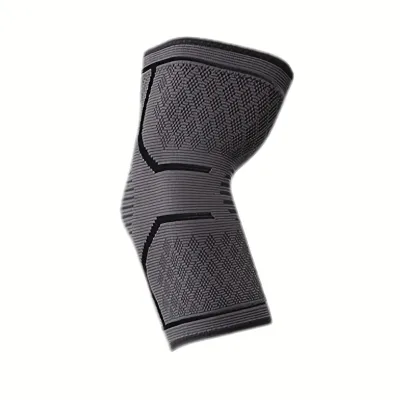
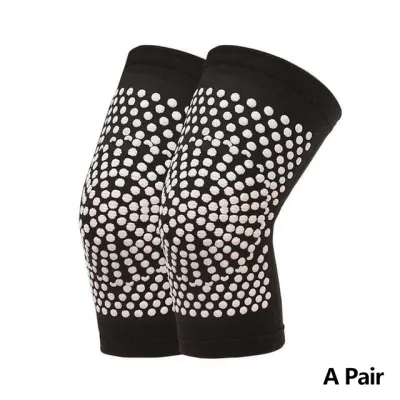
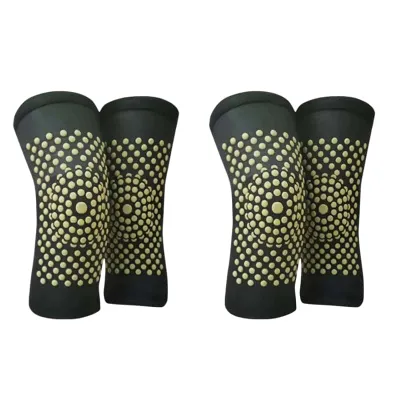
Prices are valid at publication and may change. Please refer to the product page for the latest price.
While knee supporters are highly effective for managing everyday discomfort, they have clear limitations. There are several observable red flags that indicate a supporter is insufficient and that you should seek immediate medical evaluation from an orthopedic specialist or physical therapist. These warning signs include an inability to bear any weight on the leg, visible deformity of the joint, rapid and severe swelling within hours of an injury, a popping or tearing sound at the moment of injury, or pain accompanied by a fever. Attempting to self-treat these symptoms with a basic sleeve can delay proper healing and lead to long-term joint damage.
Matching Knee Supporter Types to Your Condition
Knee supporters come in various structural designs, each engineered to address specific biomechanical needs. Understanding these designs allows you to select a product that targets your exact pain points.

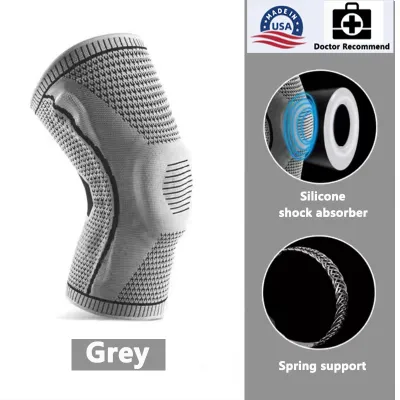
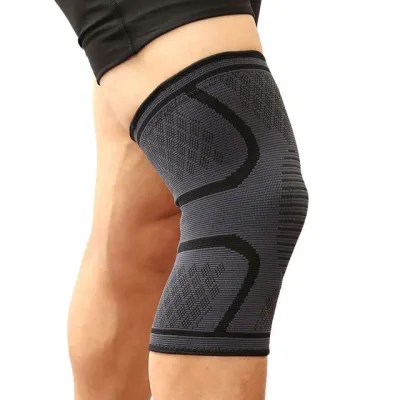
Compression sleeves are typically made of elasticized knit fabric or neoprene. They slip over the foot and slide up to cover the knee joint. Sleeves provide mild, uniform compression, which helps reduce minor swelling and retains therapeutic heat. This warmth is particularly beneficial for soothing arthritic joints or preventing stiffness in air-conditioned environments. Additionally, sleeves enhance proprioception—the sensory feedback that helps your brain monitor joint position—which can improve balance and stability during light activities like walking or gentle stretching.
Patellar straps, also known as patellar bands, are narrow straps that wrap around the leg just below the kneecap. They apply targeted pressure to the patellar tendon, which helps distribute forces away from the tendon during repetitive movements. This design is highly effective for localized pain directly below the kneecap, a condition often referred to as jumper’s knee or patellar tendonitis. Because they leave the rest of the knee uncovered, patellar straps are exceptionally cool and lightweight, making them a popular choice for runners and basketball players operating in hot weather.
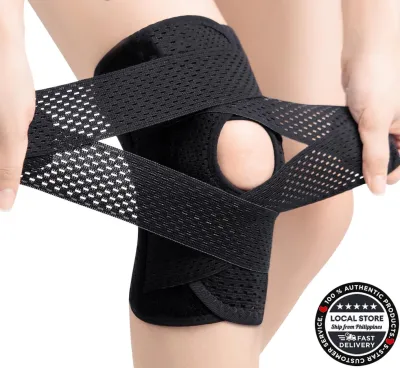
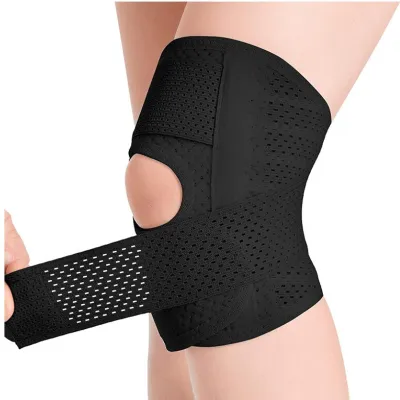
Hinged and wrap-around braces are designed for moderate to severe joint instability, post-injury recovery, or heavy load-bearing tasks. Hinged braces feature rigid plastic or metal side stabilizers that mimic the natural movement of the knee while preventing lateral bending or hyperextension. Wrap-around designs, which secure with adjustable straps, allow you to customize the compression level and are easier to put on for individuals with limited mobility or severe swelling. These braces provide the high-level mechanical support needed to protect healing ligaments during physical rehabilitation or demanding physical labor.
When choosing a sleeve or brace, you will encounter open-patella and closed-patella options. An open-patella design features a circular cutout at the front, which isolates the kneecap and reduces direct pressure on it. This cutout often includes a padded buttress that helps keep the kneecap tracking in its proper alignment as the knee bends. This is ideal for individuals suffering from patellofemoral pain syndrome or kneecap misalignment. A closed-patella design, by contrast, covers the entire knee with continuous fabric. This provides uniform compression and maximum heat retention, making it suitable for general joint pain, but it may cause uncomfortable pressure on the kneecap during deep bending movements.
Essential Features and Materials to Evaluate
The performance of a knee supporter is heavily influenced by its material composition and construction details. In a tropical climate characterized by high temperatures and humidity, these physical attributes can make the difference between a product you wear consistently and one that sits unused in a drawer.
Standard neoprene is excellent for heat retention, but it can quickly become hot, sweaty, and uncomfortable in humid weather. When browsing online marketplaces or local sports stores, look for advanced fabric specifications such as 3D circular knit, perforated neoprene, or moisture-wicking nylon-spandex blends. These materials allow air to circulate freely and draw sweat away from the skin, keeping the joint cool and reducing the risk of heat rashes or skin maceration during extended wear.
A common frustration with knee sleeves is their tendency to slide or roll down during movement. To prevent this, verify that the supporter features reliable anti-slip mechanisms. High-quality sleeves often incorporate double-lined silicone gel strips along the inner top cuff, which grip the skin gently without causing irritation. For wrap-around braces, heavy-duty, adjustable hook-and-loop straps allow you to secure the device firmly above and below the joint, ensuring it remains in place even during dynamic movements.
Inspect the construction of the seams and edges before making a purchase. Rough, thick seams can rub against the skin, leading to painful chafing and blisters, particularly in the sensitive area behind the knee where sweat tends to collect. Look for flatlock stitching, seamless knitting, or soft edge binding that minimizes friction. The supporter should conform smoothly to the contours of your leg without creating tight pressure points that restrict blood flow.
If you have sensitive skin or a known allergy to latex, it is crucial to check the manufacturer’s labels carefully. Many elastic supporters contain natural rubber latex, which can trigger allergic reactions, especially when combined with sweat and friction. Opt for certified latex-free or hypoallergenic materials to ensure safe, irritation-free wear.
How to Measure for a Secure and Effective Fit
An improperly fitted knee supporter is either ineffective or potentially harmful. If the supporter is too loose, it will not provide the necessary compression or stability; if it is too tight, it can restrict blood circulation and compress nerves. Achieving a secure, therapeutic fit requires precise measurement.
To find your correct size, do not rely on general clothing sizes. Instead, use a flexible fabric measuring tape. Stand upright with your leg slightly bent at approximately a 30-degree angle. Locate the center of your kneecap. Measure the circumference of your thigh at a specific distance above the kneecap—typically 10 to 15 centimeters, depending on the manufacturer’s sizing guide. Next, measure the circumference of your calf at the specified distance below the kneecap, which is usually 10 to 12 centimeters. Write down these measurements in both centimeters and inches, as different brands use different units.
Compare your measurements to the specific size chart provided by the manufacturer. Sizing is not standardized across brands; a medium in one brand may be a large in another. If your measurements fall between two sizes, consider the material and your primary goal. If you are purchasing a highly elastic knit sleeve and prefer firm compression for sports, sizing down may be appropriate. However, if you are choosing a rigid hinged brace or plan to wear the supporter for several hours at work, sizing up is generally safer to prevent circulation issues and ensure long-term comfort.
It is vital to recognize the physical signs of a poor fit immediately. A supporter that is too tight will cause numbness, tingling, a cold sensation in your foot, or visible swelling below the bottom edge of the brace. You may also notice deep, painful red indentations in your skin after removing it. Conversely, a supporter that is too loose will slide down your leg with every few steps, bunch up uncomfortably behind your knee, or fail to provide any noticeable feeling of support or compression when you walk.
Safe Usage, Maintenance, and Stopping Conditions
Using a knee supporter correctly involves establishing safe daily habits, maintaining the product’s structural integrity, and knowing when to stop using it.
A knee supporter is designed to assist your joint during active movement, not to be worn continuously. Limit your wear time to periods of physical activity, such as commuting, walking, or exercising. It is highly recommended to remove the supporter when sitting for extended periods of rest and absolutely critical to remove it before going to sleep. Wearing a compression device while sleeping can severely restrict blood circulation, compress peripheral nerves, and prevent your muscles from relaxing naturally.
Sweat, body oils, and dust can degrade the elastic fibers and silicone grips of your supporter over time. To prolong its lifespan, wash it regularly by hand in cool water using a mild detergent. Avoid using bleach, fabric softeners, or harsh chemical cleaners, as these substances break down spandex and damage silicone anti-slip strips. Gently squeeze out excess water without wringing or twisting the fabric. Air dry the supporter flat in a shaded, well-ventilated area. Do not expose it to direct tropical sunlight or use a tumble dryer, as high heat will warp the elastic materials and compromise the structural integrity of the brace.
A knee supporter should never make your pain worse. If you experience increased pain, throbbing, skin rashes, or blistering while wearing the device, remove it immediately. Furthermore, a supporter is not a cure for structural joint damage. If your knee begins to lock, swells suddenly and severely, or feels completely unstable even with the brace on, stop using the product. These symptoms indicate a serious underlying issue that requires immediate consultation with a qualified healthcare professional, such as an orthopedic doctor or a physical therapist, to prevent permanent joint damage.
Frequently Asked Questions (FAQ)
Can I wear a knee supporter all day while working or walking?
While you can wear a knee supporter during your active working hours or while walking, it is not advisable to keep it on continuously all day. Prolonged, uninterrupted compression can restrict blood flow and cause skin irritation, especially in warm, humid conditions. More importantly, relying on a supporter constantly can lead to muscle laziness. The muscles surrounding your knee, such as the quadriceps and hamstrings, need to actively engage to support the joint. Overusing a brace can cause these muscles to weaken over time, ultimately increasing your dependency on the supporter and making your knee more vulnerable to injury when the brace is removed.
Should I wear the knee supporter on both legs if only one hurts?
No, you should only wear the knee supporter on the leg that is experiencing pain or instability, unless a healthcare professional has specifically advised otherwise. Wearing a supportive device on a healthy, pain-free leg is unnecessary and can actually be counterproductive. It can alter your natural walking pattern, causing you to distribute your weight unevenly. This biomechanical imbalance often leads to compensatory strain on your healthy knee, hips, or lower back, potentially creating new pain points in areas that were previously perfectly fine. Focus on supporting the injured joint while allowing the healthy leg to move naturally.
How do I know if my knee supporter is cutting off circulation?
You can identify restricted circulation by monitoring your leg and foot for several clear, physical warning signs. If you experience numbness, a pins-and-needles tingling sensation, or a feeling of coldness in your foot or toes, the supporter is too tight. Other indicators include the skin on your foot turning pale or slightly bluish, or a throbbing sensation beneath the bands of the supporter. You can also perform a simple capillary refill test: press firmly on your big toenail until it turns pale, then release it. If it takes longer than two seconds for the pink color to return, your blood flow is restricted, and you must loosen or remove the supporter immediately.
Community discussion
Share your experience or ask a question. Comments are reviewed before publication.