
Choosing the right support for plantar fasciitis is a critical step toward reclaiming pain-free movement. Because foot pain varies from a mild morning ache to a sharp, debilitating sensation with every step, a one-size-fits-all brace rarely provides the targeted relief you need. To find the most effective Koprez plantar fasciitis support, you must match the structural design of the product to the specific intensity of your symptoms and your daily physical demands.
By evaluating whether your pain is a minor daily nuisance or a severe barrier to walking, you can select a tool that offers the correct balance of compression, structural alignment, and flexibility. This guide outlines how to assess your discomfort, compare different support categories, and verify key product features to ensure a comfortable, secure fit.
Quick Answer: Matching Pain Level to Support Type
To simplify your decision, you can categorize your discomfort into three general levels and pair them with the corresponding style of foot support.
Products mentioned in this guide
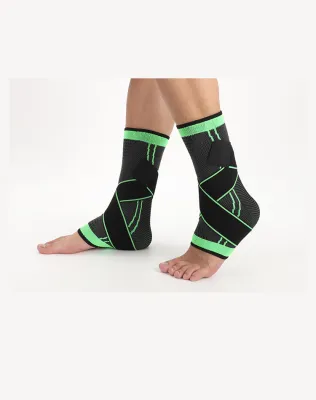
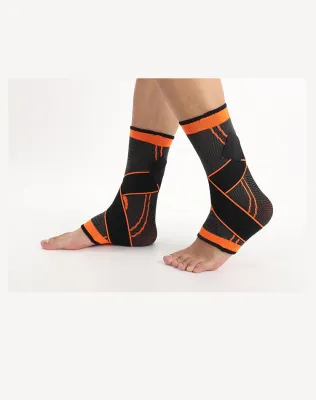
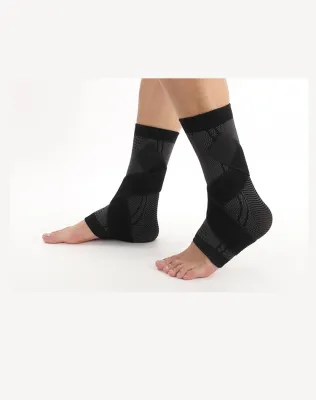
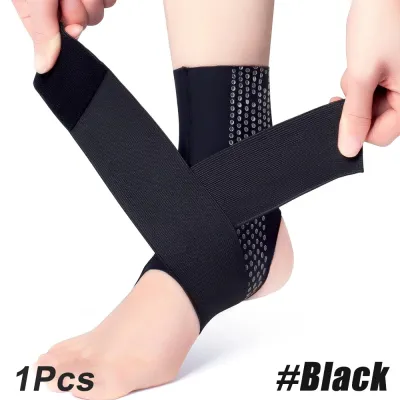
Prices are valid at publication and may change. Please refer to the product page for the latest price.
- Mild or Occasional Pain: If you experience light stiffness in the morning or a mild ache after a long day of walking, look for lightweight compression sleeves or basic elastic arch straps. These options provide gentle stabilization and keep the tissues warm without restricting your natural range of motion.
- Moderate or Daily Pain: If you face persistent heel pain during your daily commute, prolonged standing, or light exercise, opt for adjustable arch straps with targeted compression pads or supportive orthotic insoles. These designs offer active structural reinforcement to prevent your arch from collapsing under your body weight.
- Severe or Intense Morning Pain: If your first steps out of bed cause sharp, stabbing sensations that make you limp, a rigid night splint is highly recommended. Night splints keep the plantar fascia in a gentle, continuous stretch overnight, preventing the tissue from tightening while you sleep.
Before making a final purchase, always visit the official Koprez store or authorized online retailers to verify current model names, size availability, and specific product dimensions.
Assessing Your Foot Pain and Daily Activity Level
Selecting the right support requires a clear understanding of your specific pain triggers. Plantar fasciitis typically manifests as a sharp pain on the bottom of the heel, but the timing and behavior of this pain dictate the level of support required. Take note of when your discomfort peaks. Morning stiffness that gradually eases after ten minutes of walking suggests a different recovery path than a throbbing ache that intensifies the longer you stand on hard surfaces.

Your daily physical routine plays an equally important role in your choice of support. If you work a sedentary office job, your feet require less active structural reinforcement during the day, making a lightweight sleeve or an overnight splint highly effective. Conversely, if your daily routine involves standing for hours on hard tile floors, commuting via public transit, or participating in high-impact sports like basketball on concrete courts, you will need a more robust, adjustable strap or a structured insole that can withstand repetitive impacts.
While over-the-counter supports are excellent tools for managing common heel discomfort, you must remain vigilant for symptoms that require professional medical attention. If you experience sudden, severe swelling, visible bruising, heat radiating from the heel, or complete inability to bear weight on your foot, stop using temporary supports immediately. These symptoms can indicate a more severe injury, such as a calcaneal stress fracture or a complete tendon tear, which requires a formal diagnosis from an orthopedic specialist or podiatrist.
Matching Koprez Support Categories to Your Needs
To find the right product within the Koprez lineup, it helps to understand how different categories of support function mechanically and who they are best suited for.
Compression Sleeves
Compression sleeves are designed to slip over your foot like a sock, providing continuous, low-profile pressure across the entire arch, ankle, and heel. This gentle compression helps manage minor localized swelling and improves proprioception, which is your body’s awareness of joint positioning. Because they are thin and highly flexible, compression sleeves fit easily under standard socks and inside tight-fitting athletic shoes. They are ideal for individuals with mild, occasional discomfort who want to maintain an active lifestyle, run, or walk without feeling restricted by bulky straps.
Arch Straps and Bands
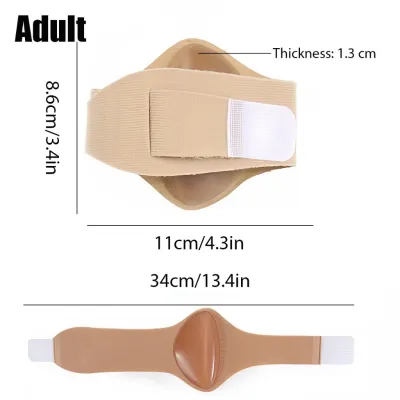
Arch straps and bands wrap directly around the midfoot, focusing pressure specifically on the plantar fascia. Most designs feature adjustable hook-and-loop fasteners, allowing you to customize the level of tension throughout the day. This adjustability is particularly useful if your feet tend to swell in warm weather. By lifting and supporting the arch directly, these bands reduce the tension placed on the heel attachment point during movement. They are highly recommended for moderate daily pain, especially for individuals who spend long hours walking or standing.
Insoles and Inserts
Supportive insoles slide directly into your footwear to provide a firm, structural foundation for your entire foot. Unlike flexible sleeves, insoles physically prevent the arch from over-pronating (rolling inward and flattening) when you walk. This structural correction is essential for managing moderate to chronic pain caused by flat feet or high arches. When looking for insoles, verify that they feature a deep heel cup to stabilize the fatty pad under your heel and a semi-rigid arch support that matches your foot shape.
Night Splints
Night splints are rigid or semi-rigid braces worn exclusively while sleeping or resting. They hold the ankle at a neutral ninety-degree angle, keeping the plantar fascia and the Achilles tendon in a constant, gentle stretch. This prevents the fascia from contracting and healing in a shortened position overnight, which is the primary cause of excruciating morning steps. While they are too bulky for walking, night splints are incredibly effective for individuals suffering from severe, chronic morning pain.
When browsing the Koprez catalog, compare these functional categories against your daily pain patterns. Check the manufacturer’s product descriptions to confirm which models are currently optimized for daytime activity versus overnight recovery.
Essential Features to Verify Before Purchase
Before investing in a plantar fasciitis support, you should carefully evaluate several physical and functional attributes to ensure the product will perform well in your specific environment.
- Material Breathability: In hot and humid tropical climates, such as in the Philippines, heavy or non-breathable fabrics can quickly trap sweat. This moisture buildup can lead to skin chafing, fungal infections, and slipping. Look for supports made from lightweight, moisture-wicking knit fabrics or perforated neoprene that allow heat to escape.
- Adjustability and Grip: A support that slips or slides down your foot during movement is highly ineffective. Verify that the product features secure closure mechanisms, such as high-quality hook-and-loop straps. For compression sleeves, check if they include internal silicone gel grips along the top and bottom cuffs to keep the sleeve firmly in place during active use.
- Sizing Accuracy: Never guess your size based on your standard shoe size. Plantar fasciitis supports rely on precise compression zones to work effectively. An overly tight support can restrict blood circulation, while a loose one will fail to provide adequate structural relief. Use a flexible measuring tape to measure your arch circumference and ankle circumference, then compare these numbers directly to the manufacturer's official sizing chart.
- Care and Longevity: Because these supports are worn close to the skin and exposed to sweat, they require regular cleaning. Check the manufacturer's washing instructions to see if the product is machine washable or requires hand washing. To preserve the elasticity of the fabric and prevent the degradation of hook-and-loop fasteners, plan to wash them in cool water with a mild detergent and air dry them away from direct sunlight.
Safety Boundaries and When to Consult a Professional
While a high-quality support can significantly reduce discomfort, it is important to remember that wearable equipment cannot replace professional medical judgment, proper stretching, or physical rehabilitation. Over-the-counter supports are designed to manage symptoms and assist in recovery, not to serve as a permanent cure for structural foot issues.
When using any compression sleeve or strap, monitor your foot closely for signs of improper fit or restricted circulation. If you experience cold toes, pale or bluish skin discoloration, a tingling “pins and needles” sensation, or an increase in throbbing pain, remove the support immediately. These are clear indicators that the product is too tight or that you have worn it for too long without a break.
If your heel pain persists for more than a few weeks despite consistent use of supportive gear, or if the pain begins to alter the way you walk, schedule an appointment with a podiatrist or physical therapist. A professional can evaluate your gait, identify underlying biomechanical imbalances, and recommend targeted stretching routines or custom-molded orthotics to facilitate long-term, complete recovery.
Frequently Asked Questions (FAQ)
Can I wear a plantar fasciitis strap while sleeping?
You should not wear standard daytime arch straps or compression sleeves while sleeping unless the manufacturer’s instructions explicitly state it is safe to do so. Daytime supports are designed for active movement and can restrict blood circulation when your body is at rest and your heart rate drops. For overnight relief, use a dedicated night splint, which is specifically engineered to maintain a safe, gentle stretch without compressing your blood vessels.
How tight should the arch support feel?
An arch support should feel snug, supportive, and comfortably firm, but never painful or restrictive. It should apply enough pressure to lift your arch slightly and reduce tension on your heel, but it should not pinch your skin, cause throbbing, or make your toes feel cold. If you notice deep red marks or experience numbness after removing the support, loosen the straps or switch to a larger size.
Do I need to size up if I have wide feet?
Rather than guessing or automatically sizing up, you should measure the widest part of your foot and your arch circumference, then consult the manufacturer’s specific sizing guide. Some brands design their supports with highly elastic materials that accommodate wider feet naturally, while others offer dedicated wide sizes. Choosing a size too large simply to accommodate width can result in insufficient compression and a lack of proper arch support.
Community discussion
Share your experience or ask a question. Comments are reviewed before publication.