
To choose the right life vest, you must match its design to your specific water sport, as no single flotation device safely covers every activity. A high-impact sport like wakeboarding requires a snug, impact-resistant vest that stays secure during high-speed falls, whereas paddling sports like kayaking demand maximum upper-body mobility and a high-cut back to clear your seat. Selecting the wrong type can severely restrict your movement, cause painful chafing, or fail to keep your head above water in an emergency.
In the tropical waters of the Philippines, from the wake parks of Laguna to the kayak trails of El Nido, environmental factors also play a massive role in your choice. High humidity, intense heat, and saltwater exposure require materials that dry quickly and resist UV degradation. Understanding how buoyancy ratings, design cuts, and materials interact ensures you stay safe and comfortable throughout your adventure.
Understanding Life Vest Classifications and Buoyancy Labels
Before purchasing a life vest, you must understand the distinction between Personal Flotation Devices (PFDs) designed for life-saving emergencies and those built as active buoyancy aids. True life jackets are engineered to turn an unconscious person face-up in the water, featuring bulky front flotation panels and collar supports. In contrast, sports-oriented buoyancy aids assume the wearer is a conscious, capable swimmer who needs flotation assistance without sacrificing the physical mobility required for active paddling or riding.
Products mentioned in this guide
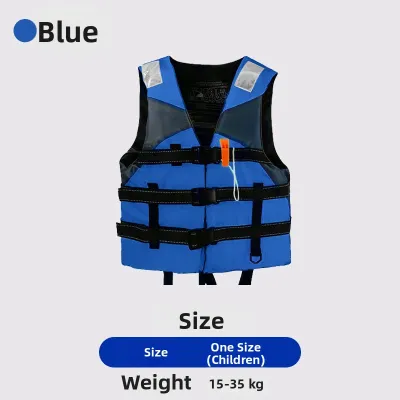
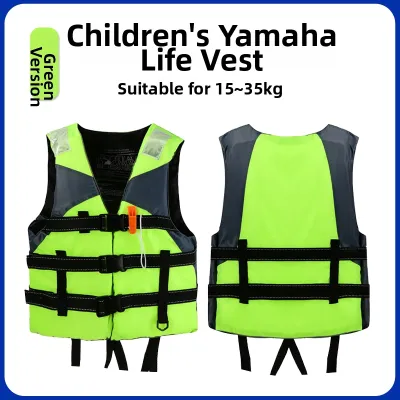
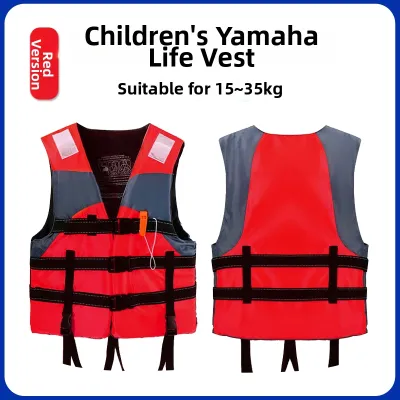
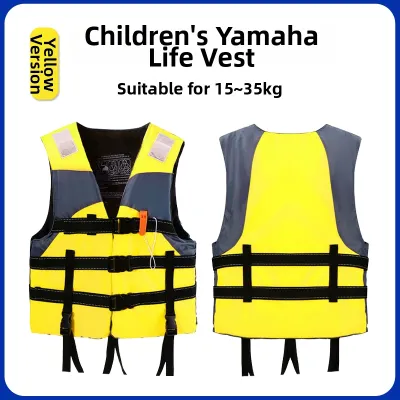
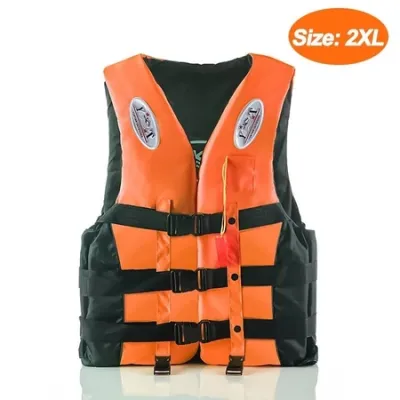
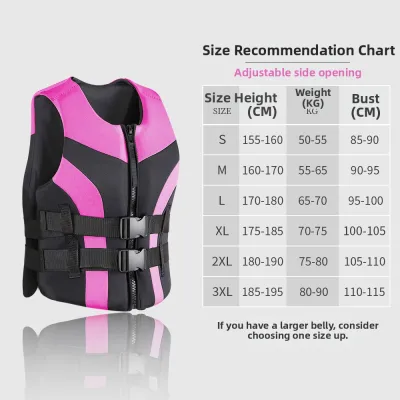
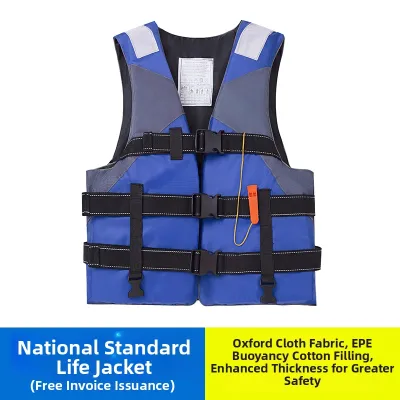
Prices are valid at publication and may change. Please refer to the product page for the latest price.
When inspecting a life vest, ignore generic online marketing terms and look directly at the manufacturer’s printed label on the inside lining. Legitimate safety gear features clear certifications from recognized maritime authorities, such as the United States Coast Guard (USCG), European Conformity (CE), or International Organization for Standardization (ISO). These labels display a buoyancy rating, typically measured in Newtons (N), which indicates the level of flotation the vest provides.
You must also verify whether the vest relies on inherent buoyancy or an inflatable mechanism. Inherent buoyancy vests use solid foam panels to provide instant, reliable flotation the moment you enter the water, making them the standard choice for active sports. Inflatable models, which rely on manual pull-cords or automatic water-activated CO2 canisters, are designed for specific low-impact scenarios and are generally unsuitable for high-speed water sports.
Matching Life Vest Designs to Specific Water Sports
Every water sport places unique physical demands on your body, meaning your safety gear must accommodate specific postures, movement patterns, and impact risks. A vest that feels comfortable while sitting on a boat deck can quickly become a hazard if it rides up against your chin during a high-speed fall or chafes your underarms during a three-hour paddle. Matching the structural design of your flotation device to your activity is the most effective way to balance safety with performance.

Wakeboarding and Tow Sports
Wakeboarding, water skiing, and tubing expose riders to sudden, high-speed impacts with the water surface, demanding a highly specialized vest design. For these activities, you need a vest that prioritizes impact protection and a secure, non-slip fit over long-term seating comfort. A loose-fitting vest can easily ride up over your head or slip off entirely when you hit the water at high speeds, leaving you unprotected.
Look for vests featuring segmented foam panels, which divide the flotation material into smaller, flexible pockets that contour closely to your torso. This construction allows you to maintain a crouched, athletic posture and twist your core freely during jumps and turns. Additionally, ensure the vest features wide armholes to prevent restriction, heavy-duty front zippers, and multiple adjustable webbing straps with secure buckles to lock the vest in place.
Avoid bulky, general-purpose passenger vests, as their thick, unsegmented foam blocks restrict your range of motion and catch the wind. Because of the high-impact nature of tow sports, many specialized wakeboarding vests are marketed as “comp vests” (competition vests). It is vital to check the label on these products, as many competition vests lack official safety certifications and do not provide sufficient buoyancy for weak swimmers or open-water environments.
Kayaking and Stand-Up Paddleboarding
Paddling sports require continuous, repetitive upper-body rotation and arm movements, making chafing prevention and seating compatibility your primary concerns. A standard life vest with a thick, full-length back panel will press uncomfortably against the high backrest of a kayak seat. This constant pressure pushes the vest upward, straining your neck and forcing you into an awkward, fatiguing paddling posture.
To avoid this, select a specialized paddling vest featuring a “high-back” or cutaway lower-back design. These vests concentrate the rear flotation foam in the upper shoulders, leaving the lower back covered only by thin, breathable mesh that sits flat against your kayak seat. Large, deeply curved armholes are also critical, as they allow your arms to swing forward and backward without rubbing against the fabric of the vest.
For stand-up paddleboarding (SUP), where you are constantly standing, balancing, and occasionally climbing back onto your board, a lightweight, low-profile vest is ideal. Mesh ventilation panels along the sides and back help dissipate body heat in warm tropical climates, while a slim profile ensures you can easily slide your torso back onto the board during a self-rescue without getting snagged.
General Boating and Fishing
For casual boating, pontoon trips, and recreational fishing, your primary requirements are long-duration comfort, storage utility, and easy adjustability. Because these activities involve long hours of sitting or standing in relatively calm waters, you do not need the extreme impact protection of a wakeboard vest or the high-cut back of a kayak vest. Instead, focus on designs that distribute weight evenly across your shoulders and torso.
Padded shoulder straps and soft, moisture-wicking interior linings significantly reduce pressure points during all-day wear. Look for vests with multiple side adjustment straps, allowing you to loosen the fit when wearing heavier clothing or tighten it when stepping onto a moving vessel. Quality activity-specific life vests in the Philippines typically range from ₱1,500 for entry-level recreational models to over ₱6,000 for specialized, high-impact wakeboarding or technical paddling gear.
Anglers should prioritize utility features that keep essential tools within arm’s reach. Vests designed specifically for fishing often include multiple zippered chest pockets, tool lash tabs, D-rings for securing nets or keys, and durable outer shells made of heavy-duty nylon or ripstop fabric. These rugged materials prevent damage from stray fishing hooks, rigging hardware, and boat cleats.
Snorkeling and Casual Surface Play
Snorkeling and casual swimming in calm coastal areas require a minimal approach to flotation, focusing on energy conservation rather than emergency survival. Traditional, bulky life vests can make it difficult to look downward into the water, as they naturally force your head backward and your chest upward. This can strain your neck muscles and ruin your viewing angle while exploring coral reefs.
For these relaxed activities, a dedicated snorkeling vest is the most practical choice. These are typically lightweight, horse-collar style buoyancy aids that slide over your head and secure with a simple waist strap. Many models feature a manual oral inflation tube, allowing you to add air when you want to rest at the surface and deflate the vest completely when you want to dive down for a closer look.
Keep in mind that snorkeling vests are strictly intended as surface swimming aids for conscious, active swimmers in calm, supervised waters. They do not possess the self-righting capabilities of a true life jacket and should never be used as a substitute for certified safety gear on moving boats or in rough, open ocean conditions.
Fit, Materials, and Comfort in Tropical Climates
A life vest can only save your life if it fits correctly and remains comfortable enough to wear for the duration of your trip. To verify the fit of any vest, always perform the “lift test” before entering the water. First, put on the vest and tighten all zippers, buckles, and drawcords until it feels snug but allows you to breathe normally. Next, have a companion grab the shoulder straps of the vest and pull upward firmly; if the vest slides up past your chin, nose, or ears, it is too large or loose, and you must downsize or tighten the straps further.
In the hot, humid climate of the Philippines, material selection is directly tied to both comfort and safety. High humidity slows down drying times, which can lead to mold growth, fabric rot, and skin irritation. Prioritize vests constructed with quick-drying nylon or polyester outer shells and breathable, moisture-wicking inner linings. Mesh panels along the sides, back, and shoulders are highly effective at promoting airflow, preventing heat exhaustion during high-exertion activities.
While neoprene vests are popular for wakeboarding due to their excellent stretch, cushion, and snug fit, they retain a significant amount of body heat. Avoid using heavy neoprene vests for long, low-speed activities like kayaking or fishing in hot weather, as they can quickly lead to overheating. Save neoprene for high-impact tow sports where water contact is frequent and cooling, and opt for lightweight, ventilated nylon-and-foam designs for all other tropical water sports.
Cross-Activity Compatibility: Can One Vest Do It All?
It is common for water sports enthusiasts to wonder if a single, general-purpose life vest can safely handle wakeboarding, kayaking, and casual boating. While a standard, medium-buoyancy nylon vest is acceptable for basic, low-speed passenger transport on a boat, using it across highly specialized sports introduces significant safety risks and physical discomfort.
A vest optimized for kayaking, with its high-back foam and large armholes, lacks the snug, wrap-around impact protection and heavy-duty buckle systems required to withstand a high-speed fall from a wakeboard. Conversely, a tight, thick, neoprene wakeboarding vest will cause severe underarm chafing and restrict your back movement if you attempt to use it for a long paddling session.
If your budget or storage space is limited, establish a clear safety framework. If you participate in high-speed or high-mobility sports, invest in activity-specific vests designed to handle those unique forces and movements. Reserve basic, general-purpose flotation devices strictly for calm, low-exertion passenger use, and never compromise on specialized gear when engaging in sports that push your physical limits.
Essential Care and Pre-Use Safety Checks
Tropical environments can be incredibly harsh on safety gear, as saltwater, intense UV rays, and high humidity accelerate the degradation of fabrics, foam, and hardware. To prolong the lifespan of your life vest, establish a strict post-use maintenance routine. After every outing, thoroughly rinse the vest with clean, fresh water to remove salt crystals, sand, chlorine, and organic debris, which can jam zippers and abrade fabric fibers.
Hang the vest to air-dry in a shaded, well-ventilated area. Never leave your life vest to dry in direct tropical sunlight, as prolonged UV exposure breaks down the synthetic fibers of the outer shell and causes the internal flotation foam to become brittle and lose buoyancy. Additionally, avoid using high-heat mechanical dryers or storing the vest while it is still damp, as this encourages mold and mildew growth.
Before stepping onto the water, conduct a quick visual and physical inspection of your gear. Check for frayed webbing, cracked plastic buckles, corroded metal zippers, and torn seams. Squeeze the foam panels to ensure they have not become permanently compressed, hardened, or waterlogged. If you detect any structural damage or if the foam fails to spring back to its original shape, do not attempt to repair it; replace the vest immediately to ensure your safety.
Frequently Asked Questions (FAQ)
Are inflatable life vests safe for wakeboarding or high-speed water sports?
No, inflatable life vests are not safe or approved for wakeboarding, water skiing, or any other high-speed, high-impact water sports. The violent force of hitting the water at high speeds can easily puncture the inflatable bladder, damage the CO2 inflation mechanism, or rip the vest off your body entirely before it can deploy. Furthermore, inflatable vests do not provide the immediate, rigid impact protection that solid foam panels offer to your chest, ribs, and back during a fall. For all high-speed tow sports, you must wear an inherent buoyancy (solid foam) vest specifically rated for high-impact use.
Community discussion
Share your experience or ask a question. Comments are reviewed before publication.