
Selecting a lifejacket for adult water sports requires matching the gear to your specific activity, swimming ability, and water conditions. A single, generic vest cannot safely or comfortably cover every sport. For active paddling like kayaking, you need a design that frees your shoulders and clears the seat back. High-speed activities like jet skiing demand impact-resistant materials and secure closures that stay put during a fall. Stand-up paddleboarding requires a balance of low-profile flotation and maximum range of motion.
Understanding Lifejacket Performance Standards and Fit
Before looking at sport-specific designs, you must establish safety baselines. Every lifejacket for adult users should carry an official certification label from a recognized maritime authority, such as the local coast guard or international safety bodies. This label specifies the buoyancy rating and the intended water conditions. Never rely on a vest that lacks clear, legible certification markings.
Sizing is determined by chest size and body weight, not your typical clothing size. Check the manufacturer’s tag inside the vest to verify that your measurements fall within the approved ranges. A vest that is too large will ride up around your chin in the water, while one that is too small may fail to keep your airway clear.
Products mentioned in this guide
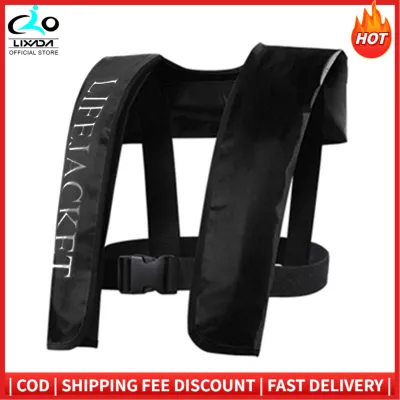
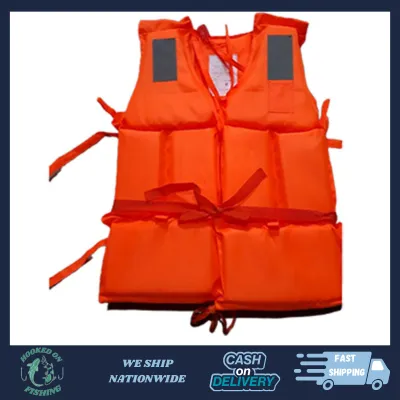
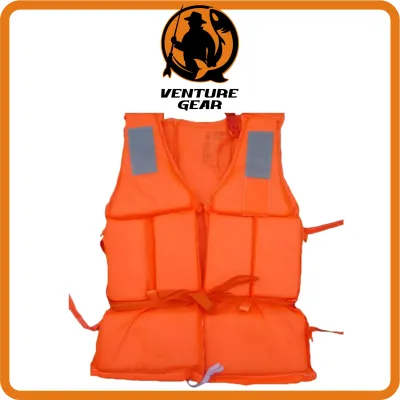
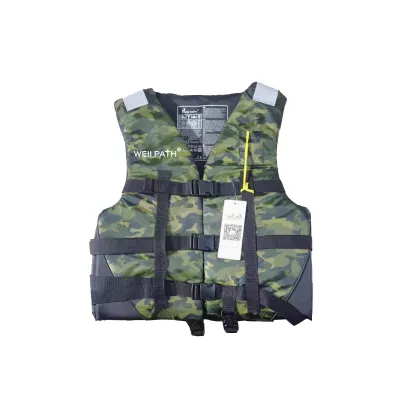
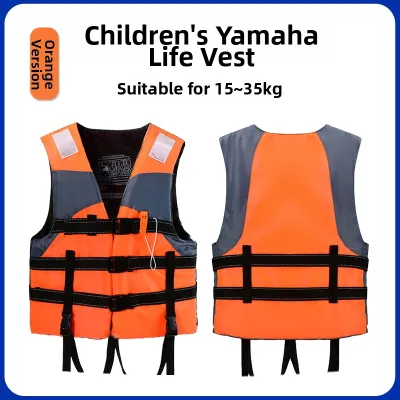
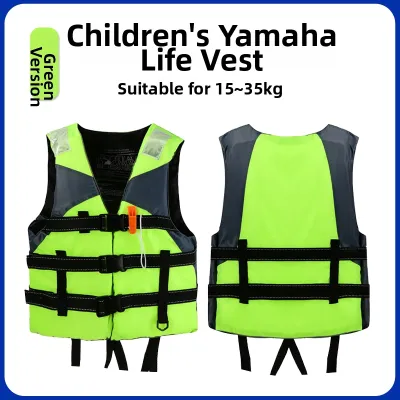
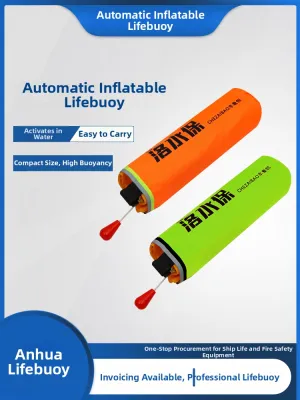
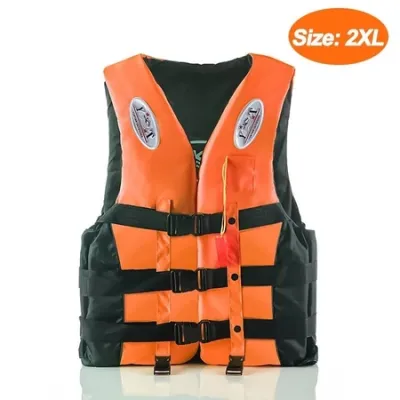
Prices are valid at publication and may change. Please refer to the product page for the latest price.
To verify the fit, put on the lifejacket and tighten all straps, starting from the waist and moving upward. Have someone pull up firmly on the shoulder straps of the vest. If the lifejacket slides up past your nose or ears, tighten the straps further or try a smaller size. The vest should feel snug but comfortable, allowing you to breathe deeply without restriction. While investing a few thousand ₱ in a certified vest may seem like an extra expense, this gear is a fundamental safety requirement that should never be compromised.
Matching Lifejacket Designs to Kayaking and Canoeing
Kayaking and canoeing require continuous upper-body movement, making arm clearance your primary comfort consideration. Standard lifejackets often chafe the underarms and restrict your paddle stroke. Look for specialized paddling vests that feature large, open armholes and narrow shoulder straps to allow a full, natural range of motion.

The design of your kayak seat also dictates the shape of your lifejacket. Many modern recreational and touring kayaks feature high seat backs that collide with thick, full-back lifejackets. To prevent the vest from pushing your torso forward, choose a paddling vest with a high-back design, where the flotation foam is concentrated on the upper back and a thin mesh panel sits against the lower seat.
Adjustability is crucial for year-round paddling or changing weather conditions. Select a vest with multiple side and shoulder adjustment straps so you can customize the fit over a thin rash guard in hot tropical weather or over warmer layers if conditions cool down.
Safety on the water also depends on visibility and communication. Opt for vests equipped with integrated attachment points for safety whistles, reflective tape, and small pockets to secure essential gear. These features ensure you can signal for help and remain visible to other vessels in low-light conditions or sudden tropical downpours.
Choosing Impact-Resistant Vests for Jet Skiing
High-speed motorized water sports like jet skiing introduce significant impact forces, requiring specialized gear designed for high-velocity falls. Before operating a personal watercraft, ensure you have received proper safety training, understand local speed limits, and know when to stop—such as during heavy swells, low visibility, or extreme weather. Remember that safety equipment is a secondary line of defense that cannot replace operator judgment and skill.
For jet skiing, look for impact-resistant vests constructed with robust outer shells, such as heavy-duty nylon or thick neoprene. These materials help absorb the force of hitting the water at high speeds and protect your torso from abrasions. The internal foam must be securely segmented and distributed to cushion your chest and back during a fall.
A secure closure system is non-negotiable for high-speed activities. Avoid vests that rely solely on a single zipper or light straps. Instead, choose models featuring heavy-duty zippers reinforced by three or four wide, adjustable webbing straps with robust buckles. This multi-point closure system ensures the vest remains securely on your body even under the intense hydrodynamic drag of a high-speed spill.
The vest must also accommodate a dynamic, forward-leaning riding posture. Try on the vest and mimic the seated and standing positions you use while operating a jet ski. Ensure the front panels do not push up into your throat or restrict your breathing when you bend forward to grip the handlebars.
Picking a Lifejacket for Stand-Up Paddleboarding (SUP)
Stand-up paddleboarding (SUP) combines balance, core engagement, and continuous paddling, requiring a lifejacket that minimizes bulk and heat retention. In tropical climates, a heavy foam vest can quickly lead to overheating. Look for low-profile, lightweight designs that keep your chest and sides clear, allowing you to paddle efficiently and climb back onto your board easily after a swim.
Your choice between inherent buoyancy foam and inflatable designs should depend on your swimming proficiency, local regulations, and water conditions. For beginners, non-swimmers, or rough coastal waters, a traditional foam vest is highly recommended because it provides instant flotation without manual activation.
For strong swimmers paddling in calm, flat waters, an inflatable belt-pack lifejacket offers maximum freedom of movement. These compact packs wear around the waist like a small pouch and deploy via a manual pull-cord that releases a carbon dioxide cartridge. If you choose an inflatable model, you must commit to regular maintenance, check the inflation cylinder before every trip, and understand that it will not provide buoyancy until activated.
Additionally, check your lifejacket for built-in D-rings or attachment loops. These points are highly useful for securing a safety leash, which keeps your board close if you fall, or for carrying small safety items required by local maritime guidelines.
Cross-Activity Compatibility and Maintenance
While it is tempting to buy a single lifejacket for all water sports, you must evaluate the safety trade-offs. A high-back kayaking vest can work well for casual, calm-water paddleboarding because both activities benefit from high mobility. However, that same paddling vest is not suitable for jet skiing, as it lacks the impact-resistant construction and secure multi-strap closures needed to withstand high-speed falls.
Proper maintenance is essential to preserve the safety integrity of your gear, especially in humid, tropical environments. After every outing, rinse your lifejacket thoroughly with clean, fresh water to remove salt, sand, chlorine, and organic debris. Salt crystals can degrade fabrics and corrode zippers over time, while trapped moisture encourages mold growth.
Hang the wet vest to air dry in a well-ventilated space away from direct sunlight. High heat and ultraviolet rays from the sun break down the outer fabric and degrade the internal flotation foam, reducing its buoyancy. Never use a clothes dryer or artificial heat source to speed up the drying process.
Inspect your lifejacket regularly for physical signs of degradation that signal it is time for a replacement. Check for compressed or waterlogged foam, frayed straps, cracked plastic buckles, torn seams, or faded fabric. If the vest no longer supports your weight or shows structural damage, replace it immediately to ensure you are fully protected on your next adventure.
Frequently Asked Questions (FAQ)
Can I use a standard boating lifejacket for kayaking or paddleboarding?
Standard boating lifejackets are typically designed for passengers waiting for rescue, featuring bulky front panels and high collars. These designs severely restrict your arm movement and shoulder rotation, making paddling highly exhausting. Additionally, the thick lower back of a standard vest will press against a kayak seat, forcing you into an uncomfortable, unsafe forward lean and causing the vest to ride up toward your chin.
How often should I replace my water sports lifejacket?
There is no fixed calendar expiration date for a water sports lifejacket, as its lifespan depends entirely on usage, storage conditions, and maintenance. Instead of relying on a timeline, inspect the vest before every season for observable signs of wear. Replace the lifejacket immediately if you notice compressed foam, broken buckles, torn fabric, or if the vest feels significantly heavier, which indicates the foam has become waterlogged and lost its buoyancy.
Community discussion
Share your experience or ask a question. Comments are reviewed before publication.