
The most suitable massage roller for your yoga practice is not a one-size-fits-all accessory. Instead, the right tool depends on your specific yoga style, muscle recovery goals, and personal sensitivity to pressure. If your routine consists of fast-paced vinyasa or power yoga, your muscles will require a different recovery approach than if you primarily practice gentle hatha or deep yin yoga. By matching the structural design of a roller to your body’s physical demands, you can safely ease muscle tension, support joint mobility, and enhance your overall performance on the mat.
To make an informed decision, you must evaluate how different designs—ranging from classic foam cylinders to targeted massage balls—interact with your muscles. Each tool offers distinct levels of pressure control, surface area coverage, and portability. Understanding these differences allows you to build a recovery routine that complements your yoga practice without causing unnecessary discomfort or tissue strain.
Understanding Your Yoga Recovery Needs
To select an effective massage roller, start by analyzing the physical demands of your primary yoga style. Dynamic, strength-based practices like power yoga, ashtanga, or hot vinyasa place heavy loads on your major muscle groups, including the quadriceps, hamstrings, and shoulders. These high-intensity sessions often leave muscles tight and fatigued, requiring a tool that can handle broad, deep recovery work. Conversely, slower practices like yin or restorative yoga focus on passive stretching and joint mobility, where muscle tension is often more localized and requires gentle, sustained pressure rather than intense rolling.
Products mentioned in this guide
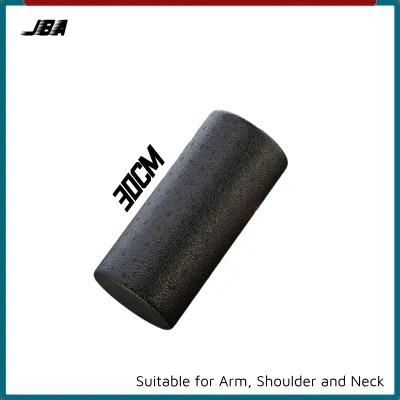
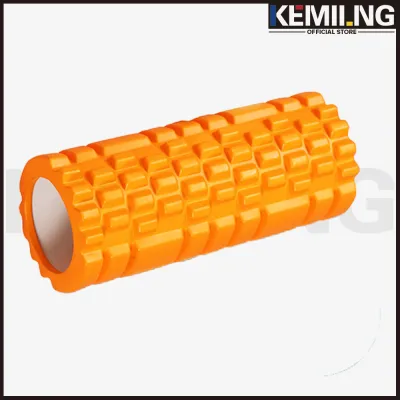
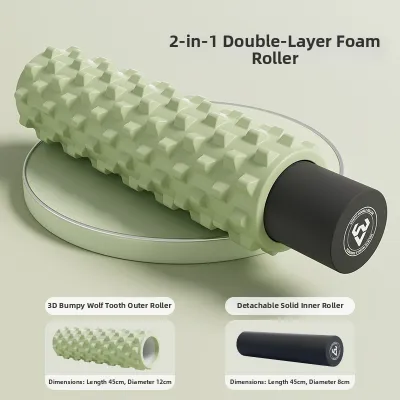
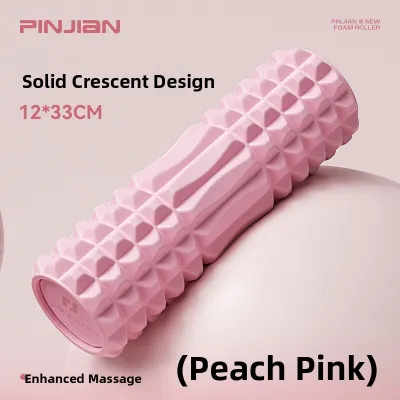
Prices are valid at publication and may change. Please refer to the product page for the latest price.
Next, identify whether your tension is widespread or concentrated in specific spots. If you experience general stiffness across your entire back or thighs after a long sequence of standing poses, you will benefit from a tool designed for broad surface area coverage. However, if you struggle with tight, isolated knots in your glutes, hip flexors, or shoulder blades, a broad roller may glide right over these areas without addressing the root of the tension. In these cases, a smaller, more precise tool is necessary to target deep trigger points.
Finally, honest self-assessment of your personal pain tolerance is crucial. Applying too much pressure to highly sensitive or inflamed muscles can cause your body to tense up defensively, defeating the purpose of the recovery session. Beginners or those with sensitive tissues should look for softer, more forgiving materials that distribute weight evenly. Experienced practitioners or those with denser muscle tissue may require firmer, more structured tools to achieve the desired level of muscle relaxation.
Comparing Massage Roller Types for Yoga
Different massage rollers serve distinct anatomical purposes, making it helpful to compare their structures before choosing. Standard foam cylinders, handheld sticks, precision balls, and textured rollers each offer unique ways to apply pressure. Understanding how these designs function helps you map them to your specific recovery needs and establish safe usage boundaries.

Foam Rollers for Broad Muscle Release
Standard foam rollers are the most common recovery tools, highly valued for their ability to cover large muscle groups quickly. These cylindrical rollers are exceptionally well-suited for addressing tension in broad areas such as the calves, hamstrings, quadriceps, and the upper back. By using your own body weight to glide over the roller, you can apply consistent, moderate pressure across a wide surface, helping to ease general post-yoga stiffness and promote overall muscle relaxation.
When shopping for a foam roller, it is important to check the manufacturer’s specifications regarding density and firmness. Visual inspection alone cannot confirm the internal core structure, as some rollers feature hollow plastic cores for added rigidity, while others are solid foam throughout. Selecting the right density ensures the roller will not deform under your weight and will provide the exact level of pressure your muscles can tolerate.
To use a foam roller safely, you must actively manage your body weight distribution. Support your body with your hands and non-rolling foot to adjust the amount of pressure applied to the target muscle. Always roll slowly and stop immediately if you experience sharp, shooting, or nerve-like pain. Safe muscle release should feel like a dull, therapeutic ache rather than acute discomfort.
Massage Sticks for Targeted Limb Control
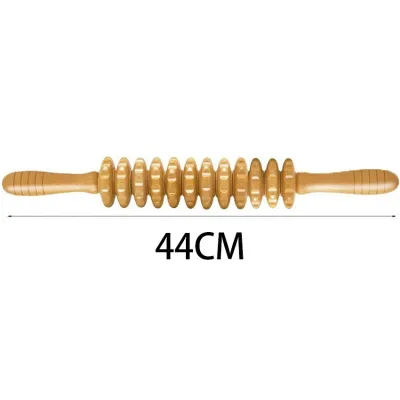
Handheld massage sticks offer a highly controllable alternative to floor-based rollers, making them excellent for targeting the limbs. Because you hold the stick with both hands, you can adjust the applied pressure instantly by changing your grip strength and downward force. This design is particularly useful for rolling out the IT band, calves, and arms, where balancing your entire body weight on a floor roller might feel too intense or awkward.
When evaluating a massage stick, pay close attention to the ergonomics of the handles and the smoothness of the rolling mechanism. The individual rolling segments along the shaft should glide smoothly without catching or pinching your skin. High-quality handles provide a secure, non-slip grip, which is especially important in warm, humid tropical environments where sweat can make plastic surfaces slippery.
Before applying heavy downward force, always verify the stick’s structural integrity and check the manufacturer’s stated weight or bend limits. Applying excessive pressure to a flexible stick can cause it to warp or snap, posing a safety risk. Using a controlled, steady motion allows you to target specific muscle bands safely and effectively.
Massage Balls for Deep Trigger Points
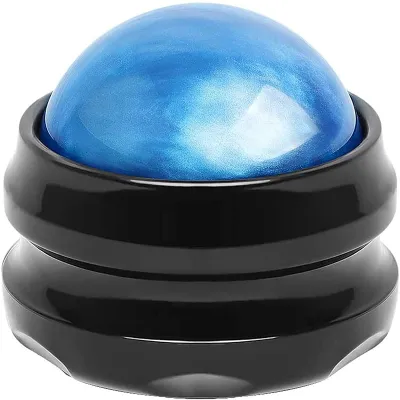
Massage balls are designed for pinpoint accuracy, making them a highly precise tool for addressing deep, localized muscle knots. While broad rollers glide over the surface of large muscle groups, a massage ball can sink into hard-to-reach areas such as the glutes, hip flexors, shoulder blades, and the arches of the feet. This precision is highly beneficial for yogis who engage in deep hip openers or intense shoulder work, where specific muscles carry concentrated tension.
To use a massage ball safely, you should adjust the pressure by modifying how much of your body weight you lean into the ball. Instead of forcing the ball into the tissue, place it between your body and a wall or the floor, then slowly lean in until you find a comfortable level of pressure. This method gives you complete control over the intensity and prevents sudden, painful shifts in weight.
Before using a massage ball, check its material firmness and surface texture to ensure it matches your comfort level. Harder materials like rubber or dense foam provide intense pressure, while tennis-ball-like options offer more give. Always avoid rolling directly over bones, joints, or the spine, as pressing hard objects against these structures can cause bruising or joint irritation.
Textured Rollers for Fascia Stimulation
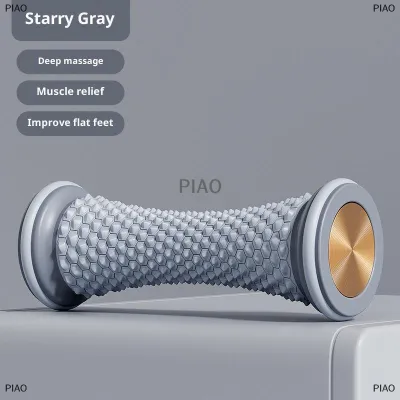
Textured rollers feature specialized surface patterns, such as ridges, knobs, or grid designs, to provide varied physical stimulation to your muscles and fascia. These patterns are engineered to mimic the hands, fingers, or palms of a massage therapist, allowing for alternating pressure as you roll. This design is particularly useful for breaking up stubborn muscle adhesions and stimulating blood flow to areas that feel chronically tight or restricted.
However, the intensity of these textured patterns requires careful consideration. Aggressive knobs and deep ridges can be highly uncomfortable, making them unsuitable for beginners, sensitive individuals, or highly tender muscle groups. If you are new to rolling, starting with a flat or gently textured surface is generally safer and more comfortable than jumping straight to a high-intensity grid roller.
Safety is paramount when using a textured roller. You must strictly avoid using heavily textured surfaces on sensitive areas like the lower back, neck, or directly over bony prominences. The concentrated pressure from the raised knobs can easily bruise delicate tissues or irritate nerves in these regions. Keep textured rollers confined to dense, fleshy muscle groups like the thighs and glutes.
Integrating the Roller Into Your Yoga Routine
To get the most out of your massage roller, it is helpful to integrate it strategically into your pre- and post-yoga routines. Before you step onto your yoga mat, a brief, dynamic rolling session can serve as an excellent warm-up. Focus on quick, gentle passes over your major muscle groups to promote blood flow, increase tissue temperature, and support joint mobility. During this pre-practice phase, avoid deep, static pressure, as holding intense pressure on a muscle for too long can temporarily reduce its power and responsiveness during active yoga poses.
After your yoga practice, transition to a slower, more restorative rolling technique to assist with your cool-down. Once your muscles are warm and pliable from your practice, you can apply slower strokes and hold static pressure on tight spots for several seconds. This static holding encourages the nervous system to relax and helps ease lingering muscle tension. Respecting this cool-down phase supports your body’s natural recovery process, leaving you feeling less fatigued the next day.
Regardless of when you choose to roll, always consult the product’s user manual for specific operational guidelines, weight limits, and recommended usage durations. Overusing a roller or applying excessive pressure can lead to muscle bruising or inflammation, which can hinder your yoga progress. Restricting your rolling sessions to a few minutes per muscle group is generally sufficient to achieve the desired benefits safely.
What to Check Before Buying a Massage Roller
Before purchasing a massage roller, it is essential to evaluate its technical specifications to ensure it meets your physical needs and lifestyle. Start by verifying the material density and core construction through the manufacturer’s official documentation. Do not rely solely on vague marketing terms like “extra firm” or “professional grade.” Look for specific details about the foam type, such as high-density molded foam or reinforced plastic inner tubes, to ensure the roller will maintain its shape over time.
Next, check the product’s stated weight capacity and structural limits. A high-quality roller must be able to support your full body weight safely during floor exercises without bending, cracking, or collapsing. This check is particularly important for hollow-core foam rollers and flexible massage sticks, where structural integrity directly impacts user safety.
In tropical climates like the Philippines, high humidity and sweat can quickly lead to the buildup of bacteria, mold, or unpleasant odors on fitness equipment. Therefore, you must carefully review the care, cleaning, and storage instructions before buying. Opt for moisture-resistant, closed-cell foam materials that can be easily wiped down with a damp cloth and mild sanitizer after each use, ensuring your roller remains hygienic for both home and studio environments. While budget-friendly rollers under ₱1,000 are widely available on local online marketplaces, verifying the material quality prevents the roller from warping after a few weeks of use.
Finally, consider the physical dimensions and weight of the roller to determine its portability. If you plan to carry your roller to local yoga studios or use it while traveling, a compact, lightweight design—such as a mini foam roller, a massage stick, or a massage ball—will be much easier to pack into your gear bag. For home-only use, a standard 36-inch foam roller provides a stable, versatile platform for a wide range of exercises.
Frequently Asked Questions (FAQ)
Can I use a massage roller every day after yoga?
Yes, you can use a massage roller daily, but the frequency should always be guided by your individual tissue tolerance and recovery speed. If you engage in daily, high-intensity yoga practices, a gentle, light rolling session each day can help maintain muscle mobility and ease mild tension. However, if you perform deep-tissue rolling that leaves your muscles feeling tender or sensitive, it is best to allow a day or two of rest for the tissues to recover. Always monitor your body’s feedback; if you notice lingering soreness, bruising, or increased sensitivity, reduce the frequency or intensity of your rolling. Following the manufacturer’s guidelines and stopping use if pain persists beyond normal muscle soreness is key to avoiding injury.
Should I avoid rolling directly over joints or the lower back?
Yes, you should strictly avoid rolling directly over your joints, bones, neck, and lower back. Massage rollers are designed exclusively for soft muscle tissue and fascia, which can safely absorb and benefit from the pressure. Pressing a firm roller directly against bony structures like the kneecaps, elbows, or ankles can cause joint inflammation and bruising. Furthermore, rolling the lower lumbar spine with a standard foam roller is highly discouraged, as the lower back lacks the protective rib cage of the upper back, leaving your spine and internal organs vulnerable to excessive hyperextension and pressure. If you have pre-existing spinal or joint conditions, always consult a qualified physical therapist or healthcare professional before incorporating a massage roller into your routine.
Community discussion
Share your experience or ask a question. Comments are reviewed before publication.