
Selecting the best medical rescue vest depends entirely on the specific water conditions, the speed of your sport, and your level of rescue training. While a whitewater kayaker requires a high-buoyancy vest with a quick-release harness to survive turbulent currents, an open-water surf lifesaver needs a streamlined, high-visibility profile that prevents chafing during intense paddling. Understanding these distinct environments is crucial because using the wrong safety gear can increase physical hazards rather than mitigate them.
What Defines a Medical Rescue Vest?
Standard life jackets are designed for passive survival, keeping a conscious swimmer afloat while they wait for assistance. A medical rescue vest, however, is built for active intervention. Often classified under marine standards as a Type V rescue personal flotation device (PFD), this specialized equipment is designed specifically for water rescue operations, medical extractions, and navigating high-risk aquatic environments.
Unlike recreational PFDs, a professional medical rescue vest features heavy-duty construction, integrated quick-release harness systems, and reinforced tow points. These elements allow a rescuer to swim aggressively, tow an unconscious victim, or anchor themselves to a rescue line without structural failure. Standard recreational jackets simply do not possess the load-bearing capacity or the safety release mechanisms required to handle the extreme forces of active water rescue. Using a standard recreational vest in a professional or high-risk rescue scenario can lead to equipment failure, putting both the rescuer and the victim in immediate danger.
Products mentioned in this guide
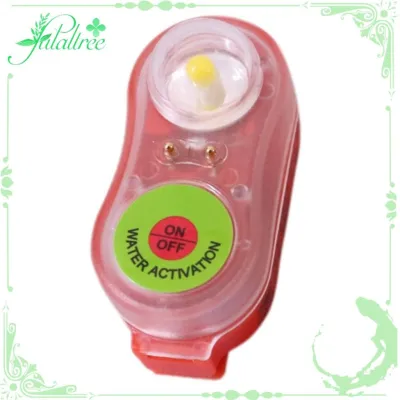
Prices are valid at publication and may change. Please refer to the product page for the latest price.
Core Features to Evaluate Before Buying
Evaluating a medical rescue vest requires looking closely at specific engineering standards rather than aesthetic appeal. The baseline safety of the gear rests on several critical features that must perform flawlessly under stress.

Buoyancy Ratings Buoyancy is measured in Newtons (N) or pounds of lift. While a standard recreational vest might offer 50 to 70 Newtons of lift, a true rescue scenario demands significantly more flotation. This is because a rescuer must often support their own weight, heavy rescue gear, and the weight of an injured or exhausted victim. Professional rescue vests typically provide a minimum of 70 to 100 Newtons (approximately 15.5 to 22 pounds) of inherent buoyancy. When operating in highly aerated water, such as river rapids or heavy ocean surf, this extra lift is vital to keep both heads above water.
Mobility and Cut A rescue vest must never impede a swimmer’s range of motion. Look for designs featuring exceptionally large armholes and a tapered waist. This athletic cut allows for deep, powerful swimming strokes, unrestricted paddling, and the agility needed to climb onto rescue watercraft or rocky shorelines. High-back designs are also common, keeping the lower torso clear to accommodate kayak seats or harness belts.
Quick-Release Harness The quick-release chest harness is the defining feature of a Type V rescue PFD. It consists of a heavy-duty webbing belt threaded through a friction buckle, connected to a highly visible release toggle at the chest. In an emergency—such as when a rescuer is snagged on a submerged obstacle or dragged under by a high-tension tow line—pulling this toggle instantly releases the belt from the vest. This allows the rescuer to slip free from the hazard and swim to safety.
Attachment Points and Gear Storage A functional rescue vest serves as a wearable tool utility belt. It should feature multiple marine-grade stainless steel or reinforced plastic D-rings, dedicated lash tabs for securing a rescue knife, and pockets designed to hold communication devices, medical shears, or basic first-aid supplies. These attachment points must be positioned so that gear is easily accessible with either hand, even in turbulent water.
Matching the Vest to Your Water Sport
No single safety vest is perfectly optimized for every aquatic environment. The physical demands of whitewater rapids, breaking ocean surf, and calm flatwater lakes require distinct design compromises. In tropical environments like the Philippines, where high temperatures and intense humidity are constant factors, selecting the right vest requires balancing thermal comfort against the mechanical demands of the sport.
Whitewater Kayaking and Swiftwater Rescue
Swiftwater environments are characterized by high-velocity currents, hidden hydraulic traps, and constant collision hazards. For whitewater kayakers and swiftwater rescue teams, a robust medical rescue vest with an integrated quick-release harness is non-negotiable. The vest must be built to withstand extreme hydraulic forces and provide maximum buoyancy to counter the highly aerated, low-density water found in river rapids.
A low-profile back design is essential in this scenario. It ensures the vest does not interfere with high-back kayak seats or spray skirts, preventing the gear from riding up toward the neck during aggressive paddling. The shoulder straps must be heavily reinforced and run continuously through the body of the vest to allow for safe vertical extraction or hauling of a swimmer from the riverbank.
Gear accessibility in swiftwater must be instantaneous. Look for vests with a dedicated, easily reachable knife pocket on the front chest, allowing you to cut away snagged ropes or debris in seconds. A secure pocket for a throw bag or tow tether is also highly recommended. In these fast-moving environments, equipment cannot replace swiftwater safety training; rescuers must be fully certified to operate quick-release systems under tension.
Surf Lifesaving and Open Water Board Rescue
The ocean presents a completely different set of physical challenges, including breaking waves, powerful rip currents, and long-distance paddling. For surf lifesavers and open-water rescue board operators, streamlined mobility and friction reduction are the primary concerns. Vests designed for the surf typically utilize front-zip or pullover designs with minimal external straps to prevent painful skin chafing during hours of prone paddling and swimming.
High visibility is another critical factor in open-water rescue. The vest should feature bright, fluorescent colors—such as safety orange, neon yellow, or lime green—combined with marine-grade reflective tape. This ensures the rescuer remains visible to support vessels, helicopters, and shore-based spotters amidst white foam and rolling swells.
Unlike river vests, surf rescue vests often feature simplified harness systems or omit them entirely. This reduction in bulk prevents the vest from catching on rescue boards or personal watercraft (PWC) sleds. Instead, they rely on streamlined tow-tether attachments that allow the lifesaver to secure a victim quickly without adding unnecessary drag to their swim stroke.
Flatwater Kayaking and Motorboat Support
Flatwater environments, such as calm lakes, slow-moving rivers, and coastal lagoons, present a lower risk of sudden, violent immersion. However, safety patrols and motorboat support operations in these areas often require long hours of continuous wear. In the intense heat and humidity of tropical climates, wearing a heavy, fully enclosed rescue vest can quickly lead to dehydration or heat exhaustion.
For these calmer settings, look for medical rescue vests that incorporate breathable mesh back panels and open side designs. These features maximize airflow and help regulate body temperature while still providing the necessary flotation and safety features. The side straps should be highly adjustable to allow the vest to be worn comfortably over light tropical clothing or heavier rash guards.
While these vests may have slightly more relaxed mobility cuts compared to specialized whitewater gear, they must still include functional utility features. Multiple D-rings and spacious front pockets are highly valuable for carrying waterproof VHF radios, GPS units, and basic medical supplies like tourniquets and bandages. This setup ensures that support personnel remain fully equipped to handle minor medical emergencies on the water.
Can One Rescue Vest Cover Multiple Activities?
When investing in high-quality safety gear, it is natural to look for a single, versatile vest that can handle all of your water sports activities. While some high-end swiftwater rescue vests can technically be worn on flatwater or during light coastal paddling, this hybrid approach involves significant trade-offs that must be carefully evaluated.
Using a bulky, highly buoyant river rescue vest for surf lifesaving, for example, can be actively dangerous. The excessive foam bulk and complex harness straps can restrict your swimming stroke in breaking waves and make it incredibly difficult to duck-dive under oncoming swells. Conversely, a streamlined surf vest lacks the high buoyancy, reinforced shoulder straps, and quick-release harness systems required to safely navigate a high-risk swiftwater rescue.
To decide if a single vest is safe for your activities, use a strict risk-based decision framework. Always prioritize the most hazardous water environment you frequent. If you participate in both whitewater kayaking and flatwater touring, choose the robust swiftwater rescue vest. While it may feel warm and slightly bulky on calm lakes, it provides the life-saving features required for the river. However, if your activities span completely incompatible environments—such as high-velocity river rescue and competitive surf paddling—you must invest in two distinct, specialized vests. Never compromise on safety features in a high-risk environment just to save on gear costs.
Essential Fit Checks and Pre-Use Safety Inspections
A medical rescue vest can only protect you if it fits correctly and its materials are fully intact. Because these vests are subject to harsh environmental conditions, performing regular fit checks and safety inspections is a critical part of your pre-water routine.
The Shoulder Lift Test To ensure your vest fits correctly, put it on and tighten all adjustment straps, starting from the waist belt and working your way up to the shoulder straps. Once tightened, have a partner grab the shoulder straps of the vest and pull upward firmly. If the vest slides up over your chin, nose, or ears, it is either too loose or the wrong size. A properly fitted rescue vest must remain snug against your torso, distributing its buoyancy evenly across your chest and back without riding up.
Harness Tension Testing If your vest is equipped with a quick-release harness, you must practice operating the release mechanism before entering the water. In a safe, dry environment, have a partner apply tension to the tow ring on the back of your vest. Practice locating the front release toggle with either hand, without looking, and pulling it firmly. The belt must release instantly and slide completely free from the friction buckle. If the buckle sticks or the webbing catches, do not use the harness system until it has been thoroughly cleaned and inspected.
Material Degradation Checks The intense UV rays, high humidity, and saltwater exposure common in tropical regions can rapidly degrade rescue gear. Inspect your vest regularly for signs of material failure:
- UV Damage: Look for faded fabric, brittle webbing, or frayed stitching, which indicate weakened structural integrity.
- Foam Compression: Squeeze the foam panels. If they feel thin, hard, or fail to spring back to their original shape, the foam has lost its physical buoyancy.
- Hardware Corrosion: Check all plastic buckles for cracks and inspect metal D-rings, zippers, and friction buckles for rust or salt buildup.
Always consult the manufacturer’s specific care, cleaning, and inspection guidelines. If you discover any torn webbing, broken stitches, or failing buckles, remove the vest from service immediately. Equipment cannot replace proper safety training, but well-maintained gear is your final line of defense.
Frequently Asked Questions (FAQ)
Do I need a medical rescue vest if I am not a professional lifeguard?
Professional medical rescue vests are highly specialized tools designed for trained rescue personnel. Features like quick-release harnesses require formal swiftwater or ocean rescue training to operate safely; an untrained user can easily misuse the harness or fail to release it in an emergency. For general recreational water sports, a standard, well-fitting Type III personal flotation device (PFD) is much safer, lighter, and more comfortable.
How often should I replace the foam in a rescue vest?
The flotation foam inside a rescue vest gradually loses its buoyancy over time due to UV exposure, saltwater, and physical compression. Most manufacturers recommend replacing a rescue vest every five to ten years under normal conditions. However, you should inspect the foam annually. If the panels feel permanently compressed, stiff, or fail to float the vest properly during a buoyancy test, the vest must be replaced immediately to ensure your safety on the water.
Community discussion
Share your experience or ask a question. Comments are reviewed before publication.