
Selecting the ideal badminton backpack for men in the Philippines is a decision driven by how often you step onto the court and the specific volume of gear your routine demands. In a tropical climate characterized by high humidity, intense sweat, and sudden afternoon downpours, a sports bag is more than just a carrying accessory. It serves as a protective shield for high-tension graphite rackets and a containment system for damp apparel and court shoes.
To find the right balance of capacity, organization, and comfort, you must evaluate your weekly playing schedule. Casual players who play once or twice a week are best served by a streamlined 20L to 30L backpack that transitions smoothly from work or school to the court. Conversely, regular and competitive players hitting the court three or more times a week require a heavy-duty, structured 30L to 45L+ bag featuring dedicated, ventilated shoe compartments and thermal protection to safeguard racket tension against tropical heat.
Assessing Your Playing Frequency and Gear Load
Categorizing your court visits is the first step in estimating the physical volume of equipment you need to transport. Casual players typically participate in recreational games once or twice a week. The gear load for this tier is minimal, usually consisting of one or two rackets, a single pair of court shoes, a fresh change of clothes, a water bottle, and a tube of shuttlecocks. Because these players often head to the court directly from an office or university, their backpack must also accommodate daily essentials like laptops, chargers, and documents without crushing the sports gear.
Products mentioned in this guide
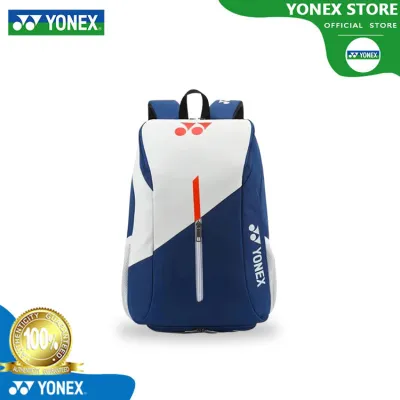
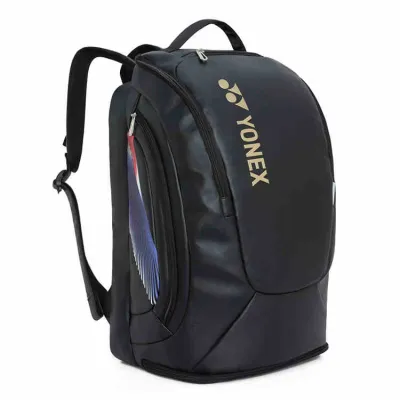
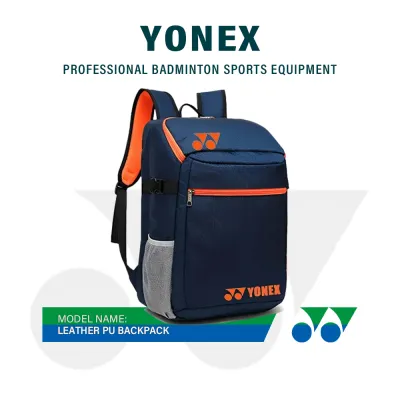
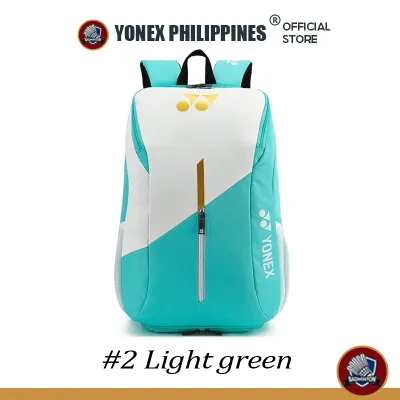
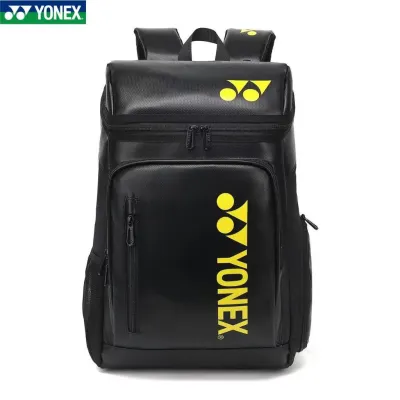
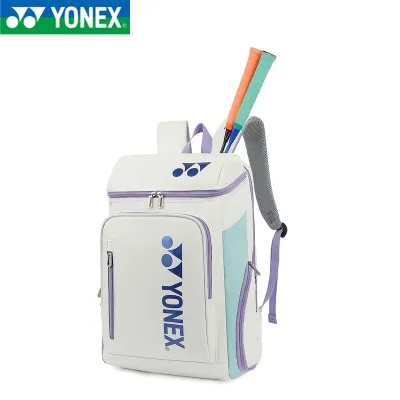
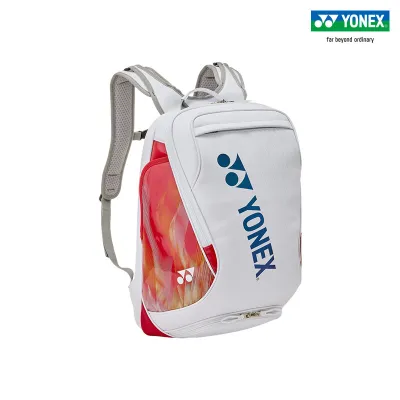
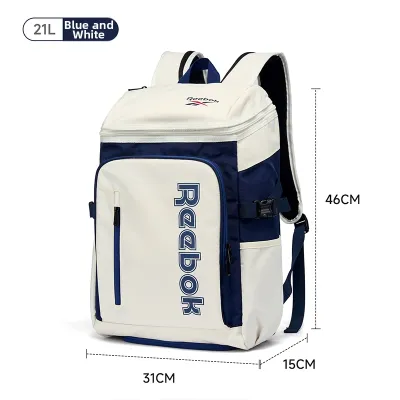
Prices are valid at publication and may change. Please refer to the product page for the latest price.
Regular players who step onto the court three to four times a week require a more robust setup. At this level, players are actively refining their skills, participating in local queueing systems, or playing in recreational leagues. The gear requirement escalates to two or three rackets to ensure a backup is available if a string snaps mid-game. The intense tropical humidity also means players will sweat through multiple shirts per session, requiring dedicated space for a larger microfiber towel, extra grip tape, wristbands, and multiple changes of dry apparel.
Competitive and tournament players train almost daily or travel for weekend matches, demanding the highest capacity. Their gear load is substantial, often encompassing three to six rackets, multiple pairs of shoes (such as court shoes and recovery slides), specialized training apparel, warm-up bands, first-aid supplies, and multiple tubes of shuttlecocks. For these players, organization is paramount to prevent gear from shifting and sustaining damage during transit.
Secondary carry requirements are a critical consideration for the modern player. Many players in the Philippines commute to indoor courts straight from their workplace or school. A dedicated, padded laptop sleeve that keeps electronics completely isolated from damp, sweat-soaked sportswear is a vital feature. Ensuring that work tools and athletic gear do not share the same compartment prevents moisture damage to sensitive electronics and keeps professional items smelling fresh.
Essential Backpack Features to Verify Before Buying
When shopping for a badminton backpack, inspecting physical specifications and manufacturer labels is far more reliable than relying on unverified marketing claims. The racket compartment is the most critical area to evaluate. Look for compartments specifically shaped to hold racket frames securely. Check the manufacturer’s product tag for mentions of thermal insulation or heat-shield technology. In the Philippines, cars parked in open-air lots or locker rooms can reach high internal temperatures, which can degrade racket strings and warp high-modulus carbon frames over time. Verify if the thermal lining is thick, reflective, and covers the entire racket compartment.

Ventilation and moisture management are essential for maintaining hygiene in a humid climate. Wet clothes and shoes left in a sealed bag will quickly develop mold, mildew, and strong odors. Inspect the shoe compartment for physical ventilation grommets, mesh panels, or breathable fabrics that allow air to circulate. A separate bottom-entry or side-entry shoe pocket is highly recommended to keep dirty outsoles completely isolated from clean apparel and towels.
Base material durability and water resistance must be explicitly stated on the product tag. Look for high-denier polyester (such as 600D or 900D) or TPU-coated fabrics that resist tearing and abrasion. The base of the bag must be highly water-resistant and easy to wipe clean, as it will frequently be placed on dusty court floors, damp benches, or concrete surfaces. Look for rubberized bottom panels or plastic feet that elevate the fabric off the ground.
Ergonomics and load distribution directly affect your comfort during transit. Examine the shoulder straps to ensure they are wide, contoured, and padded with high-density foam to distribute weight evenly across your shoulders. Adjustable sternum straps are highly beneficial, as they secure the bag across your chest and prevent it from swaying during a motorcycle commute or a brisk walk. The back panel should feature deep air-mesh channels to allow airflow against your back, minimizing sweat buildup while carrying the bag.
Matching Backpack Profiles to Your Playing Schedule
The physical shape and geometry of your backpack dictate how easily you can navigate daily life outside the court. A sleek, teardrop-shaped bag is highly maneuverable on public transit, such as the MRT or jeepneys, and fits easily into office lockers. Conversely, a boxy, rectangular tournament-style backpack maximizes internal volume and keeps gear organized in neat stacks, but it requires more physical space in transit and storage. Matching these profiles to your playing frequency ensures you do not carry unnecessary bulk or struggle with insufficient space.
Casual and Weekly Players (1–2 Sessions)
For casual and weekly players, a target capacity range of 20L to 30L is ideal. This volume comfortably holds one or two rackets, a pair of court shoes, and basic essentials without becoming overly heavy. The streamlined profile of these bags makes them highly versatile, allowing them to function as daily work or school backpacks while still providing dedicated space for your sport.
Sleek, streamlined designs that transition well from professional environments to the court are highly preferred by casual players. These hybrid bags often feature a neutral aesthetic, hiding their athletic purpose until you unzip the racket compartment. This design allows you to carry a single bag throughout the day without looking out of place in a corporate office or classroom.
Before purchasing, verify that the external racket compartment does not make the bag overly bulky or unbalanced when empty. The racket handle should be secured by a dedicated strap or a self-locking zipper to prevent it from swaying and hitting your head while you walk. Ensure the main compartment remains easily accessible even when a racket is inserted.
Regular and Competitive Players (3+ Sessions or Tournaments)
Regular and competitive players require a target capacity range of 30L to 45L+ to accommodate their extensive gear. This volume is necessary for carrying three to six rackets, multiple pairs of shoes, fresh apparel, towels, and accessories. The larger capacity ensures that everything has a dedicated place, reducing the risk of gear damage.
Dedicated sports backpacks or square-shaped tournament bags with structured frames are the preferred style for this tier. These bags maintain their shape even when empty, providing superior protection for the valuable gear inside. The structured design also allows for better organization, with dedicated compartments for rackets, shoes, apparel, and accessories.
Key checks for these heavy-duty bags include verifying reinforced stitching at strap joints, heavy-duty zippers, and base abrasion resistance. Look for double-stitched seams and metal rivets at high-stress areas to ensure the bag can withstand the weight of a full gear load. The zippers should be robust and smooth, with large pull tabs for easy access. A durable, water-resistant base is essential for protecting your gear from damp court floors.
Fit, Comfort, and In-Store Inspection Checklist
Before finalizing your purchase, performing a physical, hands-on inspection of the backpack is crucial to ensure its ergonomics and build quality meet your needs.
- Load Testing: Do not test the backpack empty. Ask the store staff if you can place a few rackets and a pair of shoes inside, or simulate the weight using available items. Wear the bag with both straps adjusted. Walk around the store to check if the bag pulls backward, strains your shoulders, or if the weight is distributed evenly across your upper back and hips.
- Zipper Stress Test: Open and close all main compartments multiple times under slight tension. The zippers should glide smoothly without catching on the inner lining or fabric flaps. Double-stitched zipper tracks are a strong indicator of durability and resistance to bursting under pressure.
- Balance and Lumbar Check: Stand sideways in front of a mirror with the loaded bag. The back panel of the backpack should sit flush against your spine, conforming to your natural posture. If there is a large gap at the lumbar region, or if the top of the bag tilts away from your shoulders, the bag is poorly fitted for your torso length and will cause fatigue over time.
- Stop Conditions: Establish clear rejection criteria. If the shoulder straps pinch your neck or dig into your armpits during the load test, reject the model. If the zippers catch repeatedly on their own lining, or if the bottom of the bag sags excessively under moderate weight, do not purchase it. A bag that fails these basic physical checks will quickly become uncomfortable and prone to tearing under real-world court conditions.
Frequently Asked Questions (FAQ)
Can I use a standard hiking or laptop backpack for badminton?
While a standard backpack can physically hold a racket, it lacks the specialized structural design required to protect badminton gear. Standard bags do not have dedicated racket compartments, meaning your racket frame will rub against other items, risking scratches, paint chips, or structural warping. Furthermore, standard backpacks rarely feature thermal insulation, leaving your racket strings vulnerable to tension loss under high tropical temperatures. If you must use a standard bag for casual play, always place your racket in a full-length protective cover before packing it, and ensure heavy items like water bottles or shoes are placed at the bottom to avoid crushing the frame.
How should I clean and maintain a badminton backpack?
Maintaining your backpack is crucial in a humid climate to prevent mold, mildew, and persistent odors. Start by completely emptying all compartments after every session, shaking out loose debris, dirt, and broken shuttlecock feathers. Wipe down both the interior and exterior surfaces using a soft microfiber cloth dampened with lukewarm water and a mild, diluted soap; avoid harsh chemical detergents or bleach, which can strip away water-resistant coatings. Pay special attention to the shoe and wet-apparel compartments. Finally, open all zippers wide and allow the bag to air dry completely in a shaded, well-ventilated indoor area. Never place the bag in a washing machine, tumble dryer, or direct midday sunlight, as extreme heat and mechanical agitation can warp the structural panels and degrade the synthetic fabrics.
Community discussion
Share your experience or ask a question. Comments are reviewed before publication.