
Choosing the right whistle for officiating football in the Philippines requires balancing acoustic power, physical comfort, and environmental resilience. Because local matches range from rain-soaked grassroots pitches to windy, open-air stadium environments, a single whistle design cannot serve every referee perfectly. Selecting the ideal model involves matching the whistle’s internal mechanism and frequency output to your specific officiating level and the typical weather conditions of your matches.
A referee’s whistle is not merely a tool for stopping play; it is the primary instrument of communication and authority on the pitch. A weak or muffled sound can lead to confusion, player frustration, and a loss of control over the match. Therefore, understanding the technical specifications and design variations of Molten whistles is essential for any serious official looking to perform at their best.
Key Evaluation Criteria for Football Referee Whistles
Football pitches are expansive, measuring up to 120 meters in length. A referee’s whistle must cut through ambient noise, including shouting players, cheering spectators, and nearby traffic. High-frequency sounds carry better over long distances and are less likely to be absorbed by open air or blocked by wind. When evaluating a whistle, look for models designed to emit a sharp, piercing tone that commands immediate attention across a wide area. The pitch of the whistle should ideally sit in a frequency range that is distinct from the ambient noise of a crowded stadium, ensuring that players can instantly distinguish the referee’s signal from background clamor.
Products mentioned in this guide
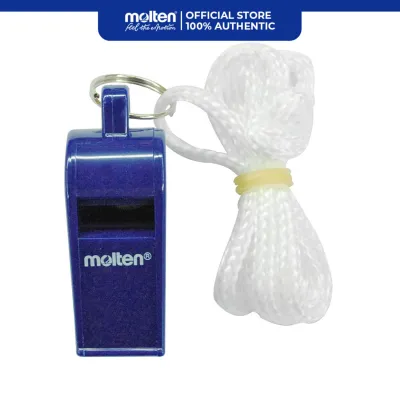
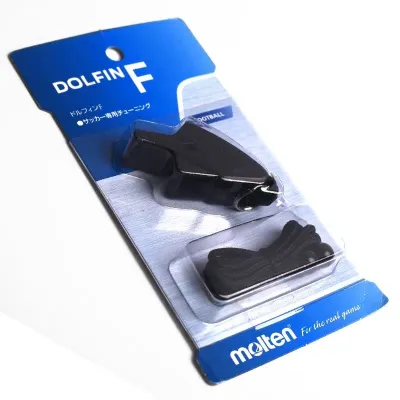
Prices are valid at publication and may change. Please refer to the product page for the latest price.
During a 90-minute match, a referee must carry and access the whistle instantly. Ergonomic features, such as integrated finger grips, flip grips, or textured surfaces, prevent the whistle from slipping out of sweaty hands. Some referees prefer a traditional lanyard, while others utilize finger-mounted brackets that keep the whistle positioned securely in the hand. Consider how the whistle fits your grip style and whether the mouthpiece material feels comfortable against your teeth and lips during rapid transitions. A whistle that is difficult to hold or slow to bring to the mouth can delay critical decisions, potentially impacting the flow and safety of the game.
The tropical climate of the Philippines presents unique challenges for sports equipment. High relative humidity, heavy seasonal downpours, and intense ultraviolet (UV) exposure can degrade low-quality plastics and affect internal components. A reliable referee whistle must withstand constant moisture from both sweat and rain without losing its acoustic properties. Choosing materials that resist UV degradation ensures the whistle remains structurally sound and does not become brittle over seasons of outdoor use. Additionally, salt air in coastal regions can accelerate the wear of certain materials, making high-grade synthetic resins the preferred choice for long-term durability.
Understanding Molten Whistle Design Variations
Traditional whistles utilize a small cork or synthetic ball (the “pea”) inside the chamber to create a vibrato or trilling sound. While this classic sound is highly recognizable, pea whistles are susceptible to jamming when moisture from saliva or rain enters the chamber, causing the pea to stick and silencing the whistle. Pealess whistles, which rely on precisely engineered air chambers to generate high-frequency sound waves, eliminate this risk entirely. For football referees officiating in wet, tropical conditions, pealess designs offer superior reliability because they cannot clog or fail due to water accumulation. The absence of moving parts also means there is less mechanical wear over time, resulting in a more consistent sound profile throughout the whistle’s lifespan.

The physical profile of the mouthpiece dictates how easily a referee can blow the whistle under physical exertion. A wide, flat mouthpiece allows for a secure bite and efficient airflow, enabling the referee to produce a sudden, sharp blast with minimal lung effort. The internal chamber configuration determines the pitch and volume; multi-chamber designs combine different frequencies to create a complex, discordant sound that is highly attention-grabbing. Evaluating these shapes on product packaging helps you select a model that matches your lung capacity and comfort preferences. Some advanced designs feature tapered air inlets that optimize the speed of the air entering the whistle, maximizing volume with less physical exertion.
High-grade polycarbonate, ABS resin, and reinforced plastics are standard materials for premium whistles. These materials provide excellent impact resistance, ensuring the whistle does not crack if dropped on hard ground or accidentally stepped on. Additionally, some models feature soft plastic or elastomer mouthpieces to protect the referee’s teeth from sudden impacts during physical contact or rapid movement. Checking the manufacturer’s material specifications on the product label helps verify the durability and safety of the whistle. Investing in a whistle made from premium materials also ensures that the acoustic chambers do not warp over time, preserving the precise tuning engineered by the manufacturer.
Matching Whistle Features to Officiating Scenarios
In high-stakes matches played on full-sized pitches, referees require maximum sound projection. Whistles with dual or triple chambers designed to emit frequencies around 3.5 kHz to 4.15 kHz are ideal for these settings, as these frequencies are highly perceptible to the human ear over long distances. Look for models that feature specialized finger grips, which allow the referee to run at full speed while keeping the whistle primed for immediate use. The ability to project a clear, authoritative signal from the center circle to the touchline is essential for maintaining control of competitive games. In these environments, a whistle that can cut through the roar of a passionate crowd is a vital safety tool for managing player behavior.
Officiating youth matches or small-sided games, such as futsal or seven-a-side football, requires a different acoustic approach. Extremely loud, high-frequency whistles can cause discomfort or hearing strain for young players in close proximity. For these environments, a whistle with a moderate volume output and a slightly lower, warmer pitch is more appropriate. Referees should select a model that allows for precise volume modulation, enabling them to blow a soft, instructional tone for minor infractions and a firmer blast only when necessary. This versatility helps maintain a positive learning environment for developing players while still establishing clear boundaries on the field.
Coaching sessions and daily training drills demand a whistle that is highly durable and easy to operate repeatedly. Because training environments often involve frequent stopping and starting, comfort and ease of cleaning are paramount. A simple, lightweight pealess whistle with a standard lanyard attachment is often the most practical choice for these scenarios. This setup allows coaches and referees to keep their hands free to manage equipment, write notes, or demonstrate drills while keeping the whistle easily accessible. Additionally, choosing a whistle with a durable, bite-resistant mouthpiece ensures it can withstand the repetitive use typical of long training sessions.
Verifying Authenticity and Local Availability
To ensure you are purchasing a genuine Molten whistle, always source your equipment from authorized sports distributors and reputable physical retail stores. Genuine products undergo strict quality control to guarantee their acoustic performance and material safety. Purchasing from unverified street vendors or unauthorized shops increases the risk of acquiring low-quality counterfeits that may fail during a match or contain hazardous plastics. Authorized dealers also provide the assurance of manufacturer warranties, giving you recourse if the product exhibits any manufacturing defects.
Inspecting the physical product is crucial for identifying counterfeit whistles. Genuine Molten whistles feature clean, precise mold seams, crisp logo engravings, and high-quality packaging with clear, error-free text. Counterfeit items often exhibit rough edges, misaligned plastic joints, blurry branding, and a cheap, lightweight feel. Many authentic packages also include holographic security stickers or unique serial numbers that can be verified on the manufacturer’s official website. Taking the time to closely examine these physical details before purchasing can save you from the frustration of a whistle that performs poorly on the pitch.
When shopping on ecommerce platforms or online marketplaces, exercise caution to avoid counterfeit listings. Verify the seller’s credentials by checking for official brand badges, high positive feedback ratings, and detailed customer reviews with real photos. Be skeptical of listings that offer premium whistles at prices significantly below the standard retail baseline of approximately ₱500 to ₱2,500, depending on the model. Ensure the seller offers a clear return policy so you can inspect the whistle’s build quality and sound before finalizing your purchase. Comparing the listed specifications with the official manufacturer documentation is another effective way to spot suspicious listings.
Maintenance and Care for Longevity
Regular cleaning is essential to maintain both hygiene and the acoustic performance of your whistle. After every match, wash the whistle thoroughly with lukewarm water and a mild, non-corrosive dish soap to remove saliva, dirt, and sweat. Avoid using harsh chemicals, bleach, or boiling water, as these can warp the plastic chambers or degrade the adhesive bonds in multi-piece whistles. Allow the whistle to air dry completely in a well-ventilated area before storing it. A clean whistle not only prevents the buildup of bacteria but also ensures that the internal airflow pathways remain completely unobstructed for optimal sound production.
Proper storage prevents premature aging of the whistle’s materials. Store your whistle in a cool, dry place, such as a dedicated gear bag or a protective pouch, away from direct sunlight. Avoid leaving the whistle inside a hot vehicle or exposed to intense UV rays on a dashboard, as extreme heat can deform the plastic and weaken the structural integrity of the mouthpiece. Keeping the whistle dry and shaded ensures it remains ready for your next match. If you use a lanyard, ensure it is also dry before storing it to prevent the growth of mold or mildew within your gear bag.
Regularly inspect your whistle for signs of wear and tear that could compromise its performance. Look for hairline cracks along the seams, deep bite marks on the mouthpiece, or discoloration from UV exposure. For pea-style whistles, check that the internal ball moves freely and does not stick when dry. If you notice any degradation in sound quality, a drop in volume, or physical damage to the chamber, replace the whistle immediately to ensure you can deliver clear, reliable signals on the pitch. Carrying a backup whistle in your referee kit is always recommended to handle unexpected equipment failures during a match.
Frequently Asked Questions (FAQ)
Can I use a basketball or volleyball Molten whistle for football?
While it is physically possible to blow any whistle on a football pitch, whistles designed specifically for indoor sports like basketball or volleyball may not perform optimally outdoors. Indoor whistles are often tuned to a lower frequency that resonates well within enclosed gymnasiums but can easily be lost in the open air of an expansive football field. Additionally, indoor models may lack the weather-resistant features required to handle heavy tropical rain and high humidity. For casual, grassroots, or recreational matches, a multi-sport whistle may suffice, but competitive football officiating demands a high-frequency, pealess whistle engineered to cut through wind and long distances.
How do I attach a lanyard to a Molten whistle without a built-in hole?
If your specific Molten whistle model does not feature a built-in lanyard hole, you should avoid attempting to drill or modify the whistle body yourself. Drilling custom holes can disrupt the carefully engineered internal airflow chambers, permanently altering the pitch and reducing the volume of the whistle. Instead, look for compatible aftermarket accessories such as silicone sleeves, adhesive mounting clips, or specialized finger-grip attachments designed to hold the whistle securely without damaging its structure. These non-invasive solutions allow you to customize your carrying method while preserving the manufacturer’s warranty and the whistle’s acoustic integrity.
Community discussion
Share your experience or ask a question. Comments are reviewed before publication.