
For diving in the warm tropical waters of the Philippines, where sea temperatures typically hover between 26°C and 30°C, a neoprene thickness of 1.5 mm to 3 mm is the ideal choice for most divers. This range provides the perfect balance between thermal protection and physical flexibility. While the surface water feels warm, prolonged exposure during a dive gradually draws heat away from your body, making some level of insulation necessary. Choosing the right thickness ensures you stay comfortable throughout your dive profile without experiencing the overheating or stiffness caused by thicker cold-water gear.
Decoding Neoprene Thickness for Warm Water Insulation
Scuba diving boots are primarily categorized by the thickness of their neoprene, measured in millimeters. In tropical environments, thinner neoprene—typically between 1.5 mm and 3 mm—is favored because it allows for maximum ankle flexibility. This flexibility is essential for executing precise finning techniques, such as the frog kick or helicopter turns, which help you navigate delicate reef structures without causing accidental damage. Thicker boots, such as those measuring 5 mm or 7 mm, are designed for temperate or cold waters and will feel unnecessarily stiff, bulky, and overly buoyant in tropical climates.
It is equally important to distinguish between the thickness of the upper neoprene and the design of the boot’s sole. The upper portion of the boot focuses on insulation and flexibility, while the sole is typically constructed from vulcanized rubber to provide grip and puncture resistance. Even in warm water, a baseline layer of insulation is a functional necessity rather than an optional luxury. Because water conducts heat away from the human body approximately 25 times faster than air, a dive lasting 45 to 60 minutes will inevitably lower your core temperature, making even a thin neoprene barrier vital for maintaining comfort.
Products mentioned in this guide

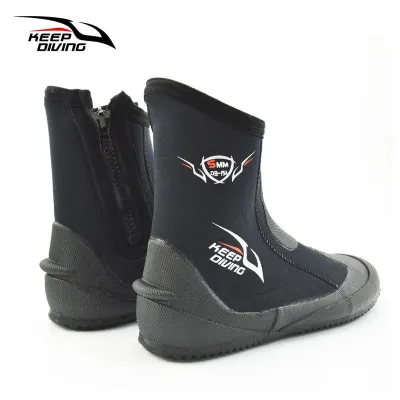
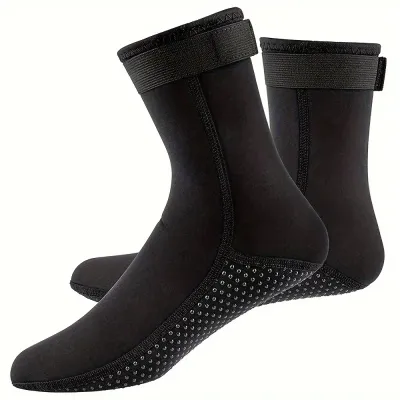
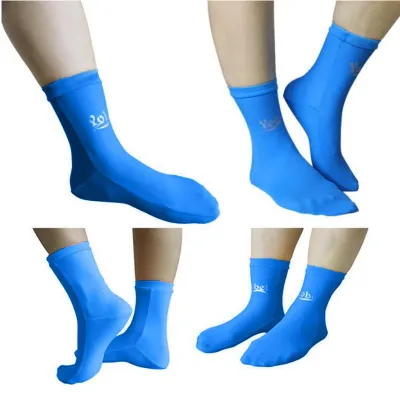
Prices are valid at publication and may change. Please refer to the product page for the latest price.
Evaluating Your Thermal Needs for Tropical Dives
Tropical dive profiles are rarely uniform, and water temperatures can vary significantly between the surface and your maximum depth. While the surface water in popular destinations like Batangas or Bohol might feel incredibly warm, descending along deep reef walls or encountering sudden thermoclines can quickly introduce pockets of cooler water. A dive that begins in 29°C water can easily drop to 25°C or lower at depth. A 3 mm boot provides a reliable thermal buffer against these sudden temperature drops, whereas a 1.5 mm boot is better suited for shallow, consistently warm dives.

Your personal physiology and dive schedule also play a major role in determining the right thickness. If you are naturally sensitive to the cold, or if you plan on conducting multiple repetitive dives per day over a week-long liveaboard trip, your body’s core temperature will progressively decline. For high-frequency diving, a slightly thicker 3 mm boot helps combat this cumulative cooling effect. Conversely, if you are performing highly active dives that require significant physical exertion, your body will naturally generate more heat, allowing you to comfortably wear a thinner 1.5 mm boot or even a low-profile dive slipper.
Aligning Boot Design with Philippine Dive Environments
The physical characteristics of your chosen dive sites should heavily influence your boot selection. For boat-based entries where you step directly from a dive boat or catamaran into deep water, a lightweight, thin-soled bootie is highly convenient and easy to pack. However, many iconic dive destinations in the Philippines require shore entries over challenging, uneven terrain. Walking over the sharp volcanic rocks of Anilao or the pebbled shores of Apo Island demands a boot with a thick, puncture-resistant rubber sole to ensure stable footing and prevent slips.
A robust sole and adequate ankle coverage also serve as critical defense mechanisms against common marine hazards. Accidentally stepping on a sea urchin, sharp coral fragments, or camouflaged stonefish can cause severe injury; a sturdy, thick-soled boot minimizes this risk during shore entries and exits. However, keep in mind that prioritizing a heavy-duty sole adds physical bulk to your foot. This extra volume can alter how your boot fits inside your open-heel fins, meaning you may need to adjust your fin strap tension or even select a larger fin pocket size to accommodate the rugged sole.
Ensuring Proper Fit and Fin Compatibility
Finding the correct fit is essential for both thermal efficiency and physical comfort. Because different manufacturers use unique sizing molds, and varying neoprene thicknesses alter the internal volume of the boot, you should never rely solely on your standard shoe size. When trying on scuba diving boots, look for a snug, glove-like fit. There should be no large gaps around your arches or ankles, as excess space allows water to constantly flush through the boot, rendering the neoprene insulation ineffective.
At the same time, the boot must not be so tight that it compresses your toes or restricts blood circulation. Poor circulation in your feet can lead to painful muscle cramps mid-dive and actually make your feet feel colder. Once you have verified the fit of the boot, perform a compatibility check with your open-heel fins. Slide your booted foot into the fin pocket and secure the strap. The connection should feel secure and locked in place without putting excessive pressure on your Achilles tendon or causing the boot to shrink or bunch up inside the pocket.
Frequently Asked Questions (FAQ)
Do I need diving boots for snorkeling in warm waters?
For surface-level snorkeling launched directly from a boat, lightweight water shoes or full-foot fins without boots are generally sufficient. However, if your snorkeling activities involve walking over shallow reef flats, rocky shorelines, or tidal pools to reach the water, neoprene diving boots are highly recommended. They provide the necessary puncture resistance against sharp rocks and marine hazards that standard water shoes cannot match. Always avoid stepping directly on living coral, regardless of the protective footwear you are wearing.
How do I clean and maintain neoprene boots after saltwater dives?
To prolong the lifespan of your scuba diving boots, thoroughly rinse them in clean, fresh water after every dive to remove salt crystals, sand, and organic debris. Once rinsed, hang them to dry in a well-ventilated, shaded area completely out of direct sunlight, as ultraviolet rays rapidly degrade neoprene and weaken glued seams. Ensure the boots are completely dry inside and out before storing them in a cool, dry place to prevent the growth of mold, mildew, and unpleasant odors.
Community discussion
Share your experience or ask a question. Comments are reviewed before publication.