
Selecting the appropriate Odin safety gear for water sports depends entirely on matching the specific physical demands and environmental hazards of your chosen activity. Whether you are navigating the swells of Siargao, paddling through the quiet mangroves of Palawan, or exploring the shallow reefs of Anilao, a single piece of safety equipment cannot serve every purpose. Kayaking, surfing, and snorkeling each present unique physical challenges that require specialized gear configurations to ensure safety and comfort.
Kayaking involves a seated, paddle-driven posture where the primary risks include capsizing, colliding with submerged obstacles, or navigating fast-moving currents. Surfing, by contrast, is a high-impact sport characterized by wave dynamics, rapid transitions from paddling to standing, and potential collisions with your own board or the ocean floor. Snorkeling requires a relaxed, face-down surface floating posture where the main challenges are maintaining a clear airway, conserving energy over long distances, and protecting yourself from marine life and intense sun exposure.
Because these activities demand different physical movements, using incorrect or poorly fitted gear can actively increase your risks. For example, a bulky life jacket designed for open-water boating will restrict a surfer’s ability to paddle or transition quickly to a standing position. Therefore, before purchasing any Odin safety gear, you must check the manufacturer’s product label and specifications to verify that the equipment is certified and designed for your specific sport.
Products mentioned in this guide
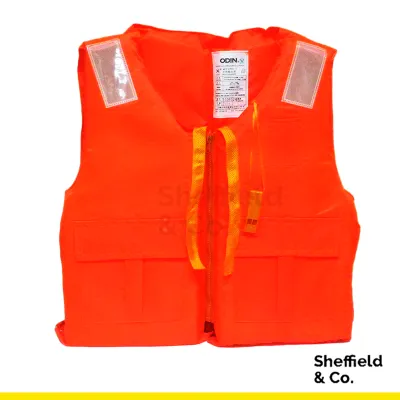
Prices are valid at publication and may change. Please refer to the product page for the latest price.
Kayaking: Prioritizing Buoyancy and Head Protection
When selecting a personal flotation device (PFD) for kayaking, prioritizing buoyancy and upper-body mobility is essential. Kayakers require PFDs with large, open armholes that allow a full range of motion for repetitive paddling strokes without causing painful underarm chafing. You should inspect the manufacturer’s label on the Odin vest to verify its buoyancy rating, which must match your body weight and the typical water conditions you plan to encounter. It is also critical to adjust the side straps and shoulder adjustments to ensure a snug fit; a properly fitted PFD should not slide up toward your ears when you pull upward on the shoulder straps.
Head protection becomes a critical safety factor when kayaking near rocky shorelines, shallow reefs, or in moving river currents where capsizing is a distinct possibility. A dedicated water sports helmet is designed to absorb impacts while allowing water to drain quickly through integrated ventilation holes. When evaluating helmets, check the product specifications for impact absorption standards, such as the CE EN 1385 certification for whitewater sports. Ensure the chin strap mechanism is secure, easily adjustable, and constructed from corrosion-resistant materials that can withstand repeated exposure to saltwater.
Proper water footwear is another indispensable component of a kayaker’s safety setup, especially when launching or landing on slippery, algae-covered ramps or rocky banks. Look for shoes that feature durable, high-traction rubber outsoles designed to grip wet surfaces without slipping. The footwear should also provide a reinforced toe cap to protect your feet from painful impacts with submerged rocks or debris. Additionally, check the manufacturer’s specifications to ensure the shoes have adequate drainage ports and quick-drying mesh materials to prevent waterlogging and heavy feet.
Surfing: Focusing on Impact Resistance and Mobility
Surfers face unique physical demands that make standard, high-buoyancy PFDs highly impractical and potentially dangerous. Instead, surfers often rely on specialized impact vests, which are designed to protect the ribs, chest, and spine from hard falls on water or reef surfaces. These vests utilize thin, flexible foam segments that absorb impact energy while maintaining a streamlined profile that does not interfere with paddling or popping up on the board. When selecting an Odin impact vest, check the product label to verify the foam thickness and flexibility ratings, keeping in mind that these vests are designed for impact protection rather than life-saving flotation.

The surfboard leash is your primary safety link to your board, preventing it from sweeping away in strong currents or becoming a dangerous projectile that could strike you or other surfers. When choosing a leash, you must match the cord thickness and length to the size of your surfboard and the expected wave conditions. For typical beach breaks, a leash that matches the length of your board is standard, while thicker cords are necessary for larger, heavier swells. Always check the leash specifications for high-quality, double-swivel mechanisms made of stainless steel or brass to prevent the cord from tangling around your ankles during a wipeout.
Tropical surfing environments subject your skin to intense sun exposure, abrasive surfboard wax, and occasional encounters with stinging marine life like jellyfish. A high-quality rash guard or lightweight exposure suit acts as a protective physical barrier against these hazards. When shopping, inspect the product tag to ensure the fabric offers a certified Ultraviolet Protection Factor (UPF) of 50+ to block harmful solar radiation. You should also examine the seam construction; flatlock stitching is highly recommended because it lies flat against the skin, minimizing the risk of painful chafing during long paddling sessions.
Snorkeling: Ensuring Clear Vision and Surface Flotation
For snorkelers, maintaining a clear view of the underwater environment and a reliable airway is the foundation of a safe experience. A high-quality mask must feature a soft, hypoallergenic silicone skirt that molds to your facial contours to create a watertight seal. When selecting a mask, check the product specifications to confirm the lenses are made of tempered glass, which resists scratching and is far safer than standard plastic if an impact occurs. Pair your mask with a dry-top or splash-guard snorkel, which utilizes a specialized valve mechanism to prevent water from entering the tube when waves wash over you, and verify that the purge valve at the bottom functions smoothly to allow easy clearing of any water.
Even confident swimmers can benefit from surface flotation aids, such as snorkel vests or flotation belts, which provide adjustable buoyancy to help conserve energy during long excursions. These devices are designed to keep you floating comfortably in a horizontal, face-down position, allowing you to observe marine life without constantly straining to stay afloat. When evaluating these flotation aids, check the manufacturer’s specifications for the weight limits and inspect the inflation mechanism to ensure it is easy to operate by mouth while in the water. High-visibility colors like bright yellow or orange are essential, as they make you easily visible to passing boats, jet skis, and lifeguards.
Protecting yourself and the delicate marine ecosystem is a dual responsibility when snorkeling over fragile coral reefs. While physical barriers like long-sleeve rash guards provide excellent UV protection without chemical runoff, any sunscreen you apply to exposed skin must be reef-safe. Carefully read the ingredient labels of your sunscreen to ensure it is free from harmful chemicals like oxybenzone and octinoxate, which are known to contribute to coral bleaching. Utilizing a combination of physical UPF-rated clothing and environmentally compliant sunscreens ensures you remain protected while preserving the marine parks you are exploring.
Gear Compatibility and Maintenance in Humid Climates
It is a common mistake to assume that safety gear designed for one water sport can be safely used for another. A bulky kayaking PFD, for example, is entirely unsuitable for surfing because its thick foam panels prevent you from lying flat on your board to paddle and can trap you underwater if you try to duck-dive beneath a wave. Conversely, a lightweight surf impact vest does not provide the high level of inherent buoyancy or the face-up turning capability required to keep an injured or exhausted kayaker safe in deep, turbulent water. Understanding these functional boundaries is critical to making safe equipment choices.
The hot and highly humid climate of the Philippines accelerates the degradation of water sports equipment if it is not properly maintained after every use. Saltwater, fine sand, and pool chlorine can quickly break down neoprene, corrode metal zippers, and degrade the synthetic fabrics of your Odin gear. To prevent this, always rinse all of your safety equipment thoroughly with clean, cool fresh water as soon as possible after exiting the water. Pay close attention to zipper tracks, buckles, and adjustable straps, flushing out any trapped sand or salt crystals that could cause mechanical failure or tear the material.
Once your gear is clean, proper drying and storage are essential to prevent the growth of mold, mildew, and unpleasant odors, which thrive in humid environments. Hang your vests, rash guards, and helmets to air-dry in a shaded, well-ventilated area rather than leaving them in direct, intense sunlight. Prolonged exposure to ultraviolet rays will weaken synthetic fibers, fade colors, and cause foam flotation materials to become brittle and lose their buoyancy. Always refer to the specific care and storage instructions printed on the manufacturer’s tag to ensure your safety gear remains reliable for years to come.
Frequently Asked Questions (FAQ)
Can I use a kayaking life jacket for snorkeling?
Using a standard kayaking life jacket for snorkeling is generally not recommended due to the fundamental differences in how these flotation devices are designed to position your body in the water. Kayaking PFDs are engineered with high buoyancy concentrated around the chest and back to keep your head high out of the water and, in many cases, to turn an unconscious person onto their back. This design actively resists the horizontal, face-down posture that is necessary for comfortable snorkeling, forcing you to constantly strain your neck and back muscles to look downward through your mask.
In contrast, a dedicated snorkel vest is designed specifically for surface swimming and features adjustable buoyancy chambers that you can inflate or deflate as needed. This allows you to maintain a relaxed, horizontal position on the water’s surface, keeping your face submerged for viewing while providing just enough support to conserve your energy. For the safest and most enjoyable experience, you should always use the specific flotation device designed for your chosen activity.
Community discussion
Share your experience or ask a question. Comments are reviewed before publication.