
To get the most out of your gear, choosing a high-quality ogkils badminton bag requires matching its storage capacity, thermal protection, and structural durability to your specific playing frequency. Whether you are heading to a weekly casual session or traveling for a regional tournament, your bag is the primary line of defense for your expensive rackets and specialized footwear. Selecting a bag with the correct configuration ensures your gear stays organized, dry, and protected under demanding court conditions.
Quick Guide: Core Features of an OGKILS Badminton Bag
The primary function of a badminton bag is to protect high-tension racket strings and carbon fiber frames while organizing your essential court gear. When evaluating different options, focusing on a few universal features will help you quickly filter out models that cannot withstand regular use.
There are four core features you should prioritize:
Products mentioned in this guide
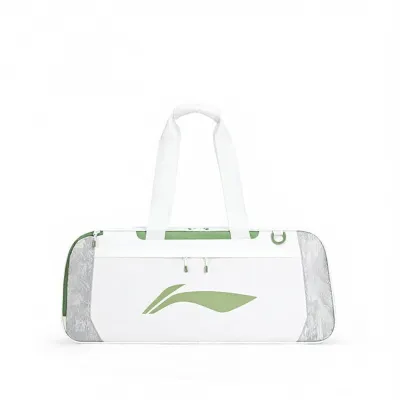
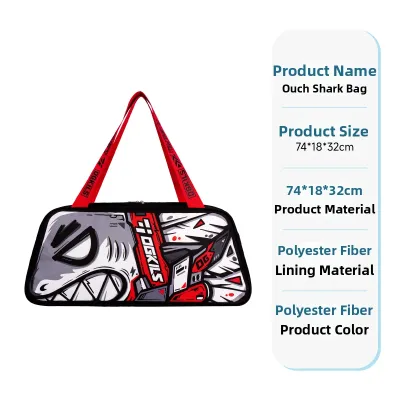
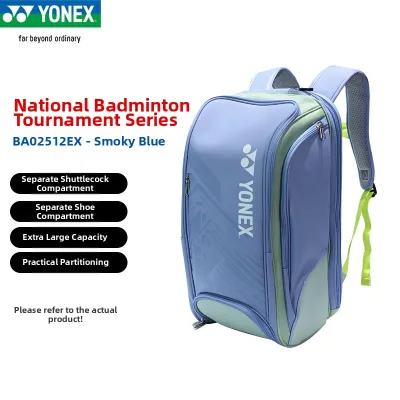
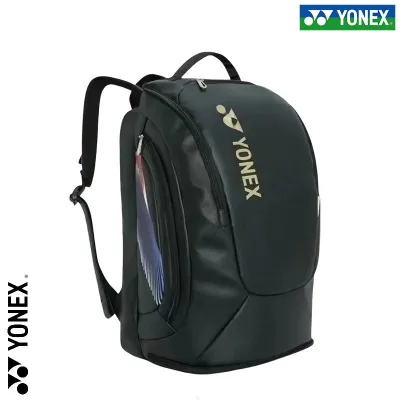
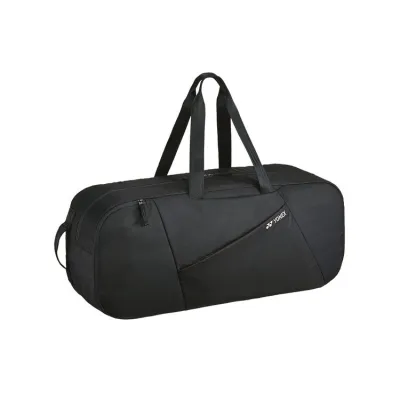
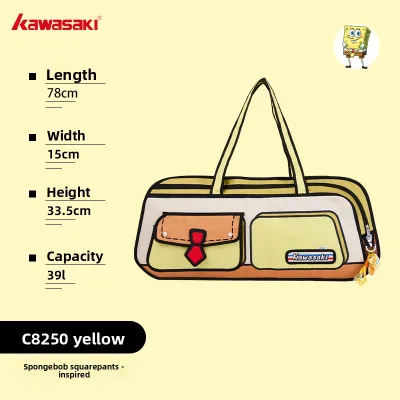
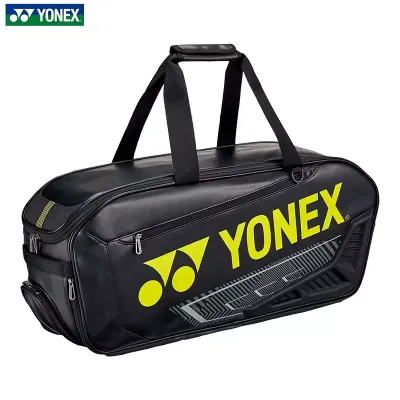
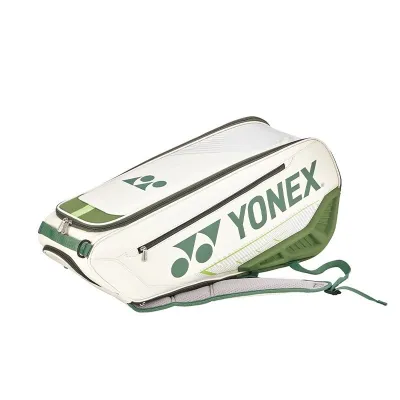
Prices are valid at publication and may change. Please refer to the product page for the latest price.
- Racket Compartment Capacity: Standard configurations typically support either 3 to 6 rackets for light training or 9 to 12 rackets for competitive environments.
- Thermal Insulation: A specialized interior lining shields racket strings from extreme temperature fluctuations, which helps preserve string tension.
- Dedicated Shoe Compartment: An isolated, ventilated pocket prevents dirt, sweat, and odors on court shoes from transferring to clean apparel and rackets.
- Durable, Water-Resistant Base: A heavy-duty bottom panel blocks moisture when placing the bag on damp floors or wet benches.
These baseline features are critical for both regular training and tournament environments. Daily training demands quick access and ventilation, while competitive tournaments require maximum protection and structured organization to keep you focused on your matches.
Essential Features for Regular Training Sessions
Weekly club training requires a bag that excels in ventilation, comfort, and quick-access storage. Because you are frequently commuting to and from local courts, the bag must accommodate a mix of clean apparel, sweaty gear, and hydration essentials.

Ventilated Shoe Compartments
After an intense session on the court, your shoes accumulate significant sweat and moisture. Placing them directly into a closed space with your clean shirts or expensive rackets encourages bacterial growth and unpleasant odors. A dedicated, ventilated shoe pocket uses mesh grommets or breathable fabric panels to allow air circulation. This design keeps your court shoes isolated, ensuring your clean clothes stay fresh and your racket grips do not absorb unwanted moisture.
Main Compartment Capacity
Daily training requires more than just rackets. You need ample space to pack microfiber towels, a change of apparel, multiple shuttlecock tubes, replacement grip wraps, and personal toiletries. A well-designed main compartment should offer wide-access openings, allowing you to retrieve items quickly without rummaging through a disorganized pile. Internal dividers are highly beneficial for separating damp towels from dry gear.
Ergonomic Carrying Options
Commuting to your local sports complex—whether you are walking, taking public transit, or riding a motorcycle—can be physically demanding when carrying heavy gear. Padded, adjustable dual shoulder straps are essential for distributing weight evenly across your shoulders and back. Ergonomic back padding with breathable mesh channels reduces friction and prevents heat buildup against your body, making your commute comfortable even during hot, humid afternoons.
External Hydration Storage
Staying hydrated is critical during high-intensity training. External side mesh pockets or insulated side sleeves provide quick access to water bottles or sports drinks without needing to unzip the main compartments. This external placement also eliminates the risk of accidental spills damaging your rackets, electronic devices, or spare grip wraps inside the bag.
Before committing to a purchase, always check the detailed product descriptions or physical tags to verify the exact compartment layout. Ensuring the dimensions match your regular training load prevents overcrowding and premature wear on the zippers.
Must-Have Specifications for Tournament Play
Tournament environments demand specialized, high-performance features. When competing, your equipment is subjected to longer travel times, varied venue conditions, and the need for rapid deployment between matches.
Thermal-Lined Racket Compartments
Tournament venues can vary wildly in temperature, from air-conditioned sports complexes to humid multi-purpose halls. High humidity and heat can cause racket strings to lose tension rapidly or make carbon fiber frames vulnerable to warping. A thermal-lined compartment utilizes specialized foil insulation to maintain a stable internal climate. This protection is vital in tropical climates like the Philippines, where sudden transitions from outdoor heat to indoor air conditioning can degrade your equipment’s performance.
Structured Frame and Rigid Base
In a fast-paced tournament environment, you often have to place your bag on hard concrete bleachers, dusty floors, or grass. A bag with a structured internal frame and a rigid base stands upright on its own. This structural integrity prevents the bag from collapsing under its own weight, which could put unnecessary pressure on your racket frames and cause them to bend or snap.
Accessory Organization
Tournaments require quick access to small, critical items. You cannot afford to waste time searching for tournament IDs, medical tape, scissors, spare strings, or overgrips. Look for bags equipped with multiple external zippered pockets, preferably lined with soft fleece or featuring internal mesh organizers. This keeps your small essentials secure, visible, and easily accessible between matches.
Professional Aesthetics
Beyond functionality, tournament-grade gear reflects your commitment to the sport. High-performance bags feature streamlined, modern designs, clean lines, and professional colorways that match your team uniforms. These bags are built with premium exterior finishes that resist scuffs and stains, ensuring your gear looks pristine even after long hours of travel and intense competition.
How to Evaluate Build Quality and Materials
Evaluating the physical construction of a bag ensures you invest in a product that lasts. Relying on material specifications rather than marketing claims allows you to verify durability before buying.
Fabric Denier (D) Rating
The durability of a badminton bag heavily relies on the thickness of its woven fabric. Check the product specifications for the denier rating, which measures the linear mass density of fibers. A rating of 600D (Denier) or higher indicates a dense, heavy-duty polyester or nylon weave that offers excellent resistance to tears, abrasions, and punctures from sharp court gear.
Zipper and Hardware Quality
Zippers are often the first component to fail on a heavily used sports bag. Inspect the bag for robust, heavy-duty zippers featuring smooth-gliding double pulls. Double pulls allow you to lock your compartments if needed and provide easier access from multiple angles. Look for reinforced, double-stitched seams at high-stress points, particularly where the shoulder straps and carrying handles attach to the main body of the bag.
Water-Resistant Base Coating
Court floors can frequently be damp due to condensation, spilled drinks, or leaks. To protect your valuable gear, ensure the bottom panel of the bag features a thick, water-resistant coating, such as tarpaulin or heavy-duty polyurethane (PU). This smooth, non-porous surface acts as a barrier against moisture and is easy to wipe clean with a damp cloth after a long day on the court.
Because visual inspections on a screen can be misleading, always cross-reference these material specifications on the official brand website or through authorized retailer listings. Verifying the exact fabric composition and hardware details ensures you are investing in a genuine, long-lasting product.
Recommended Bag Configurations for Different Player Profiles
Selecting the right configuration depends on your playing habits, the volume of gear you carry, and your travel requirements. Matching your profile to the correct bag style ensures you do not carry unnecessary bulk while still enjoying adequate protection for your equipment.
Setup for the Regular Club Player
For players who attend local club sessions once or twice a week, a compact setup is highly efficient. A capacity of 3 to 6 rackets is usually ideal, providing enough space for your primary racket and a couple of backups.
The best style for this profile is an ergonomic backpack or a mid-size duffel bag equipped with dual shoulder straps. These designs prioritize a lightweight footprint and ease of transport. Key features should focus on a dedicated shoe compartment to isolate dirty footwear, comfortable back padding for daily commutes, and quick-access side pockets for personal items.
Setup for the Competitive Tournament Player
Competitive players who travel for tournaments need a comprehensive setup that can accommodate extensive gear. A large capacity of 9 to 12 rackets is recommended to carry multiple pre-strung rackets at different tensions.
A professional tournament duffel or a structured square backpack is the ideal style, offering maximum volume and rigid structural support. Priority features must include advanced thermal insulation in the racket compartments, a rigid frame to prevent crushing, multiple specialized accessory pockets, and high-denier water-resistant materials to withstand frequent travel and diverse venue conditions.
| Player Profile | Recommended Capacity | Key Feature Priority | Best Bag Style |
|---|---|---|---|
| Regular Club Player | 3 to 6 Rackets | Lightweight, Shoe Compartment, Back Padding | Ergonomic Backpack / Mid-Size Duffel |
| Competitive Tournament Player | 9 to 12 Rackets | Thermal Insulation, Rigid Frame, High-Denier Fabric | Pro Tournament Duffel / Structured Square Backpack |
Frequently Asked Questions (FAQ)
How do I clean my badminton bag without damaging the water-resistant coating?
To clean your bag safely, first empty all compartments completely and shake out any loose dirt or debris. Use a soft cloth dipped in lukewarm water mixed with a small amount of mild soap to spot-clean dirty areas on the exterior and interior. Avoid machine washing, dry cleaning, or using harsh chemical detergents, as these can strip away the water-resistant PU or tarpaulin base coatings. Once clean, open all the zippers and allow the bag to air dry completely in a shaded, well-ventilated indoor area away from direct sunlight, which can degrade synthetic fibers over time.
How should I store my rackets in the bag during humid weather?
High humidity can severely affect racket string tension and cause wooden handles under the grip to rot or develop mold. Always remove your rackets from the bag immediately after playing to let the grip dry. Wipe down the frames and handles with a dry microfiber cloth to remove sweat and condensation. When storing them back in the bag, leave the compartments slightly unzipped in a well-ventilated room to allow trapped moisture to escape. Never leave your badminton bag inside a hot car trunk, as the intense heat buildup will rapidly ruin your string tension and can warp carbon fiber frames.
Community discussion
Share your experience or ask a question. Comments are reviewed before publication.