
Selecting the right boxing glove weight for your home workouts is the most critical decision you will make for your hands, wrists, and overall training progression. The ideal ounce (oz) rating is not a one-size-fits-all specification; instead, it depends directly on whether you are hitting a heavy bag, practicing shadow boxing, or working on focus mitts with a partner. By matching the glove’s padding level to your specific activity and physical build, you can maintain proper form, prevent unnecessary fatigue, and protect your joints during intense sessions.
Understanding What Glove Weight (oz) Actually Means
In the boxing world, gloves are categorized by ounces (oz), which represents the weight of the glove’s padding rather than just its physical size. While a larger ounce rating does mean a slightly heavier glove, the primary difference lies in the volume and density of the protective foam layered over the knuckles. A 16 oz glove, for instance, contains significantly more shock-absorbing material than an 8 oz or 10 oz glove, offering a thicker barrier between your hand and the target.
Understanding this distinction is vital because physical weight and padding density serve different training purposes. Lighter gloves allow for rapid hand movement and quick recovery, but they offer minimal cushioning against hard surfaces. Conversely, heavier gloves slow down your punches slightly to build shoulder endurance while providing the substantial padding required to disperse high-impact forces.
Products mentioned in this guide
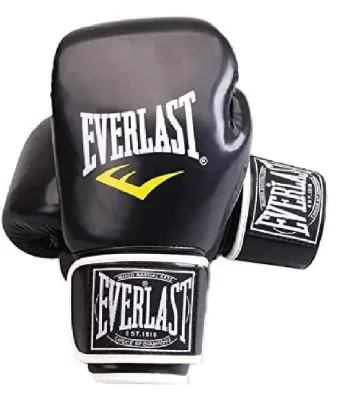
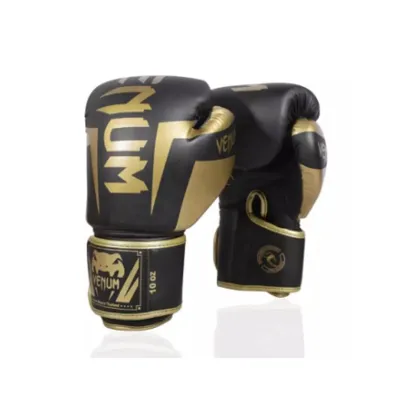
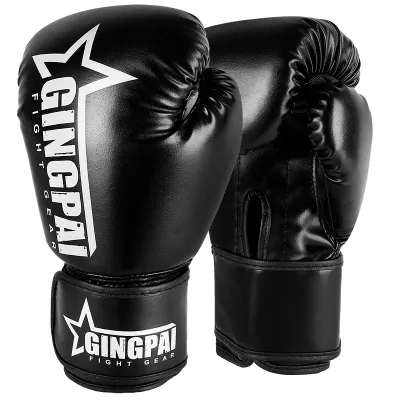
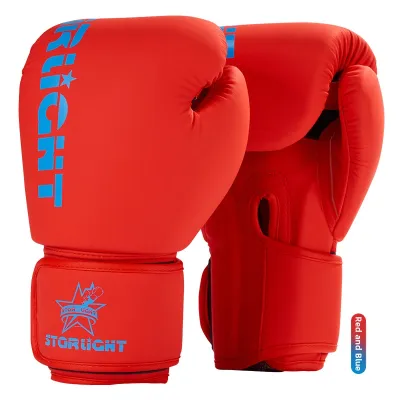
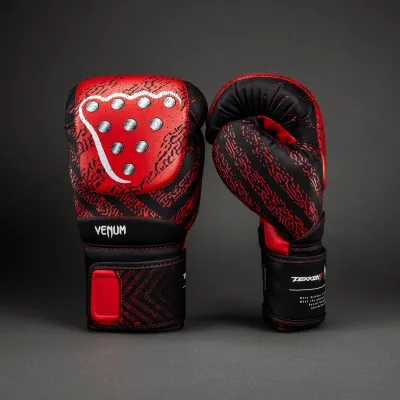
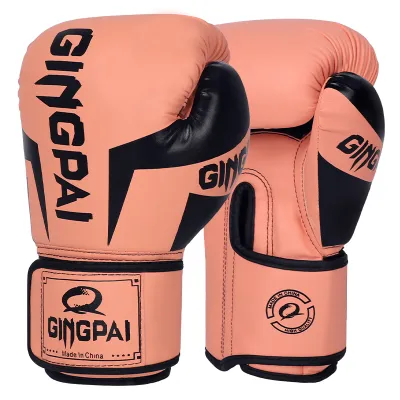
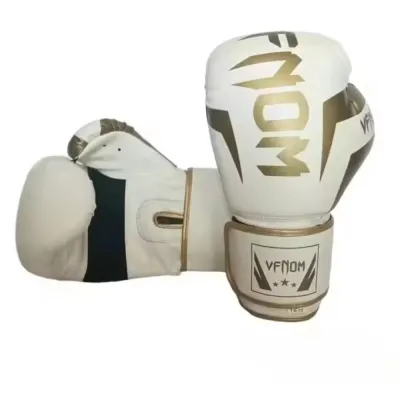
Prices are valid at publication and may change. Please refer to the product page for the latest price.
For home fitness enthusiasts, choosing the correct padding level is essential for long-term joint and knuckle safety. Repetitive impact against dense targets can lead to micro-traumas in the small bones of the hand if the padding is insufficient. This risk is particularly relevant when training in warm, humid tropical environments, where sweat can accumulate quickly inside the glove, potentially accelerating the breakdown of internal foam layers over time.
Matching Glove Weight to Your Home Training Activities
Your home training routine dictates the level of impact your hands will endure, making activity-specific glove selection a priority.

Heavy Bag Work When training on a heavy bag, your knuckles repeatedly collide with a dense, stationary object that offers very little give. For this activity, thicker padding is the absolute priority to absorb high-impact shock and protect your knuckles from bruising or scraping. Most adult home fitness trainers opt for heavier gloves, typically ranging from 14 oz to 16 oz, to ensure there is enough foam to disperse the force of full-power punches. Using thin or worn-out gloves on a heavy bag can lead to wrist strain and joint soreness, which can quickly sideline your training consistency.
Shadow Boxing Shadow boxing focuses on form, speed, footwork, and cardiovascular endurance without any physical contact. Because you are punching the air, you do not need thick shock-absorbing padding to protect your knuckles. Instead, lighter gloves—often between 8 oz and 12 oz—or even unweighted shadow boxing gloves are preferred. These lighter options allow you to maintain fast hand speed, reduce premature shoulder fatigue, and closely simulate the natural mechanics of a real fight.
Partner Pad Drills If your home setup includes a training partner holding focus mitts or Thai pads, your glove choice must balance protection for the pad holder’s hands with realistic feedback for your own knuckles. Mid-range weights, such as 12 oz or 14 oz, are generally ideal for this dynamic. They provide enough cushioning to keep your partner safe during hard combinations while remaining light enough to allow for crisp, responsive movement and accurate targeting.
Before making a final decision, always check the manufacturer’s product label or official sizing chart. Different brands design their glove compartments and foam distributions for specific activities, and verifying these details ensures you do not accidentally use a delicate sparring glove for high-impact bag work.
Factoring in Hand Size and Body Weight
While your training activity determines the style of glove you need, your physical attributes dictate the actual fit and minimum weight required for safety.
Hand circumference and finger length directly influence the size of the glove’s inner compartment. Because manufacturers often scale the internal hand pocket size along with the ounce rating, a heavier glove (like 16 oz) typically features a larger hand pocket than a lighter glove (like 10 oz). If you have smaller hands but require heavy padding for bag work, you may need to look for brands that offer specialized “small-fit” heavy gloves or rely on thick hand wraps to fill the extra space.
Your overall body weight also plays a crucial role in determining the minimum glove weight needed to protect your hands. A heavier individual naturally generates more force behind each punch, requiring thicker foam to safely disperse that energy. As a general guideline, adults weighing over 70 kilograms should look toward 14 oz or 16 oz gloves for heavy bag work, while lighter individuals may find adequate protection in 12 oz or 14 oz options.
Regardless of the ounce rating you choose, always try on your gloves while wearing hand wraps. Hand wraps are not optional accessories; they fill out the inner compartment, secure your wrist, and prevent your hand from shifting inside the glove, which is essential for preventing friction burns and joint misalignment.
Pre-Purchase and Pre-Use Safety Checks
Before purchasing a new pair of gloves or starting your next home workout, performing a few quick quality and safety checks can prevent injuries and save you from wasting money.
First, inspect the product label and packaging to verify the intended use, material composition, and care instructions. In humid climates, synthetic leather (like polyurethane) and genuine leather react differently to moisture. Genuine leather tends to offer better durability but requires regular conditioning, while high-quality synthetics are easier to wipe clean after a sweaty session. Whether you are investing ₱1,500 or ₱5,000 in a pair, proper maintenance is key to preserving the glove’s protective qualities.
Next, evaluate the wrist support mechanism. Velcro (hook-and-loop) closures are highly convenient for solo home training because you can easily secure and remove them without assistance. Ensure the strap is wide and rigid enough to keep your wrist locked in a straight alignment, as weak wrist support can negate the benefits of heavy knuckle padding.
Finally, know when it is time to retire your gloves. Inspect them regularly for signs of compressed or shifting padding, torn inner linings, or loose stitching. If you can feel the hard surface of the heavy bag directly through the knuckles of your glove, or if the wrist strap no longer holds firmly, the glove has reached the end of its lifespan and should be replaced immediately to avoid injury.
Frequently Asked Questions (FAQ)
Can I use one pair of boxing gloves for all my home workouts?
While it is possible to use a single pair of mid-weight gloves (such as 12 oz or 14 oz) as an all-around option for shadow boxing, pad work, and light bag drills, it involves clear trade-offs. A mid-weight glove may feel too heavy and fatiguing during extended shadow boxing sessions, yet it might not offer quite enough knuckle protection during intense, full-power heavy bag workouts. If your budget allows, investing in two distinct pairs—a lighter pair for speed work and a heavier, highly padded pair for bag training—will optimize both your performance and your safety.
Do I need to wear hand wraps with heavier ounce gloves?
Yes, you must always wear hand wraps, regardless of how heavy or thickly padded your boxing gloves are. While the glove’s ounce rating determines the amount of external cushioning over your knuckles, it does not secure the internal structure of your hand. Hand wraps bind the small bones of your hand together, support your wrist joint, and keep your thumb in a safe position. Skipping wraps increases the risk of hyperextension and bone alignment issues, even when using the heaviest 16 oz gloves.
Community discussion
Share your experience or ask a question. Comments are reviewed before publication.