
Selecting the right paddle surface sticker is essential for maintaining the spin, speed, and overall lifespan of your table tennis racket. In tropical climates like the Philippines, where high humidity and heat accelerate rubber oxidation, proper protection is critical. The ideal sticker type depends on your rubber type, playing frequency, and how you transport your gear. Matching the right protective film and edge tape to your equipment prevents premature wear and maintains consistent performance.
Defining Paddle Surface Stickers and Official Match Rules
In table tennis, “paddle surface sticker” generally refers to two distinct protective accessories: rubber protective films used during storage, and edge tapes or blade decals designed for physical protection. Rubber protective films shield the delicate top sheet from dust, moisture, and air when the racket is not in use. Edge tapes wrap around the outer rim of the blade to absorb shocks and prevent the wood from splintering.
If you plan to play in sanctioned tournaments, you must understand the strict rules set by the International Table Tennis Federation (ITTF). Protective films are strictly for storage and transport; they must be completely removed before you step onto the court. No stickers, films, or unauthorized coverings are allowed on the rubber playing surface during active play, as they alter the friction and bounce of the ball.
Products mentioned in this guide
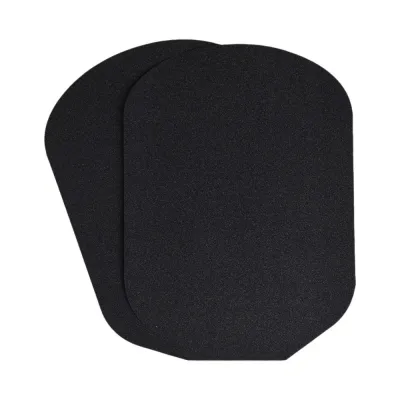
![[COD]ZMONH Pickleball Paddle Frosted Surface Sticker Residue Free Adhesive Wearproof For Training Matches](https://img.lazcdn.com/g/p/d2b4fb3a10f089c85a623a8a6a1c32a0.jpg_400x400q80.jpg_.webp)
Prices are valid at publication and may change. Please refer to the product page for the latest price.
While rubber films preserve the playing characteristics of your top sheet, edge tapes serve a purely structural purpose. Edge tape is legal during official matches, provided it does not extend too far onto the rubber surface or distract your opponent. Distinguishing between these two types of protection ensures you keep your equipment in top shape without violating tournament regulations.
Comparing Rubber Protective Film Materials: Static vs. Adhesive
When selecting a protective film, you will choose between static cling (non-adhesive) and adhesive-backed materials. Static cling films rely on atmospheric pressure and a highly polished surface to stick to your rubber. These are highly recommended for tacky rubbers, which naturally grip the smooth plastic film without glue. Because they use no adhesive, they leave no residue and are reusable.

However, static cling films do not stay secure on non-tacky or tensioned rubbers, which lack the surface stickiness to hold them. For these rubbers, adhesive-backed films are the standard choice. These films feature a light adhesive layer that bonds securely to the dry, matte surface of non-tacky rubbers, keeping dust and air completely sealed out.
Despite their security, adhesive films require careful handling. If left on the rubber for extended periods in hot, humid conditions, the adhesive can degrade, leaving a sticky residue or tearing the delicate top sheet upon removal. Before applying any adhesive film, always verify the rubber manufacturer’s care instructions to ensure the top sheet can withstand adhesive contact.
Decoding Thickness and Weight: How Specs Affect Your Gear
Rubber protective films generally range in thickness from thin options of around 0.1mm to thicker varieties of 0.2mm or more. While this difference might seem negligible, it affects both the physical protection of your racket and the overall weight distribution in your carrying case.
Thin films (approximately 0.1mm) are highly flexible, lightweight, and easy to apply. They provide an excellent barrier against dust, fingerprints, and ambient moisture without adding noticeable bulk to your racket. Because they are so thin, they have virtually no impact on the balance of your paddle when stored, making them a popular choice for players who prefer a minimalist setup.
Thicker films (approximately 0.2mm or more) offer a more robust physical barrier, protecting the rubber from minor impacts and pressure marks inside your sports bag. However, these thicker materials add a small amount of weight to the racket head. While you will not feel this weight during play, it can alter the center of gravity during transport, requiring a sturdier racket case to prevent the heavier head from shifting.
Edge Tapes and Blade Decals for Physical Impact Protection
While protective films care for your rubber, edge tapes and blade decals protect the wooden structure of your paddle. Table tennis blades are susceptible to splintering and denting, especially when you scrape the table during low pushes or aggressive loops. Applying the right edge protection can save an expensive blade from permanent damage.
Edge tapes are primarily available in foam and fabric materials. Foam edge tapes are thicker and cushioned, making them highly effective at absorbing physical impacts and preventing wood splintering when the paddle strikes the table. Fabric edge tapes are much thinner and lighter, offering basic scratch protection without altering the weight or balance of the blade, though they provide less cushioning against hard impacts.
Blade decals and handle stickers are sometimes used for aesthetic customization or to identify different rackets in a club setting. If you use these, ensure they do not interfere with the ITTF requirement of having one matte red side and one matte black side on your paddle. Additionally, always ensure the wooden edge of your blade is clean, dry, and free of old glue before applying any edge tape to prevent it from peeling off mid-game due to sweat and humidity.
Building Your Paddle Protection Shortlist
To choose the right combination of protective gear, evaluate your playing frequency, storage environment, and playing style. High-frequency players who practice multiple times a week benefit most from thin, static-cling films. These can be quickly peeled off before a match and slapped back on afterward, keeping maintenance fast and simple between sessions.
If you play infrequently or need to store your racket for several weeks, prioritize thicker adhesive films (for non-tacky rubbers) and store the paddle inside a hard, padded racket case. This setup minimizes air exposure and prevents the rubber from drying out or oxidizing in humid tropical climates.
For aggressive players who frequently play close to the table and risk hitting the edge, adding a cushioned foam edge tape is highly recommended. This simple addition prevents costly wood damage. Before heading to your next local tournament, perform a final check to ensure all edge tapes and decals are neatly trimmed and comply with local match regulations.
Frequently Asked Questions (FAQ)
Can I leave a protective film on my rubber during an official match?
No, you cannot leave any protective film on your rubber during an official match. ITTF regulations require the rubber playing surface to be completely bare, clean, and approved for play. Protective films are designed solely for storage and transport to shield the rubber from dust and oxidation; they must be removed before you begin warm-ups.
Will adhesive stickers damage my table tennis rubber?
Adhesive stickers can damage your rubber if used incorrectly. Strong adhesives can leave a sticky residue or tear the delicate top sheet of tacky rubbers when peeled off. For tacky rubbers, always use non-adhesive static cling films. If you have non-tacky rubber, use only specialized, low-tack adhesive films designed specifically for table tennis, and avoid leaving them on in high-heat environments.
How do I remove residue left by an old surface sticker?
To remove stubborn adhesive residue, use a dedicated table tennis rubber cleaner and a soft sponge. Gently wipe the surface in circular motions until the residue lifts. Avoid using harsh household solvents like alcohol, acetone, or nail polish remover, as these chemicals will permanently dry out, crack, and ruin the rubber top sheet.
Community discussion
Share your experience or ask a question. Comments are reviewed before publication.