
Selecting the ideal patanga fish trap for small fish and shrimp requires matching the trap’s physical dimensions and entry mechanisms to the specific behaviors of your target catch. Because these small aquatic species easily escape through standard netting, the most effective trap is one featuring a fine mesh size—typically under five millimeters—and a secure, funnel-shaped entry that guides the catch inward while preventing exit. Choosing the right design ensures that your efforts in local rivers, estuaries, or coastal waters yield a bountiful harvest rather than empty nets.
Understanding the structural variations of these traps allows you to make an informed decision based on where and what you plan to fish. By focusing on key specifications such as mesh density, frame durability, and entry configurations, you can select a tool that performs reliably in tropical conditions. Whether you are gathering bait for a larger fishing trip or harvesting small shrimp for a family meal, the right patanga trap makes all the difference in efficiency and ease of use.
Understanding Patanga Fish Trap Designs for Small Catches
The traditional patanga fish trap relies on a simple yet highly effective mechanical design that has been refined over generations. At its core, the trap consists of a structured frame covered in netting, featuring one or more entry points designed to let aquatic life enter easily but make escape nearly impossible. Modern variations of these traps utilize synthetic materials like nylon or polyethylene netting stretched over collapsible wire or rigid plastic frames, offering a lightweight and durable solution for modern anglers.
Products mentioned in this guide
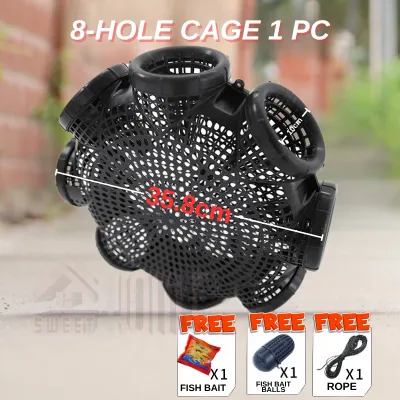
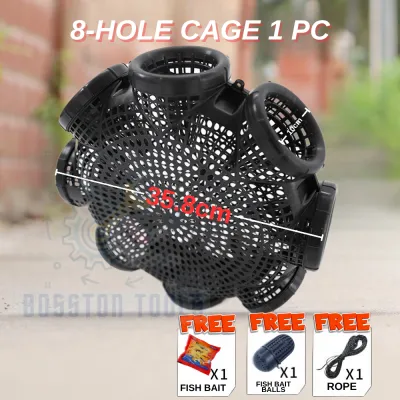
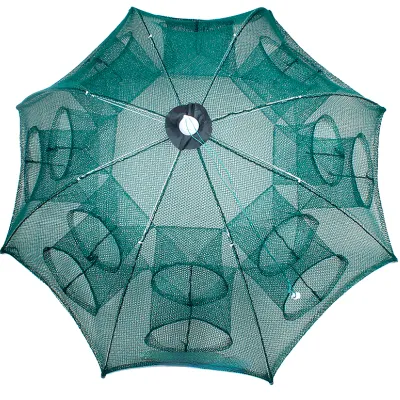
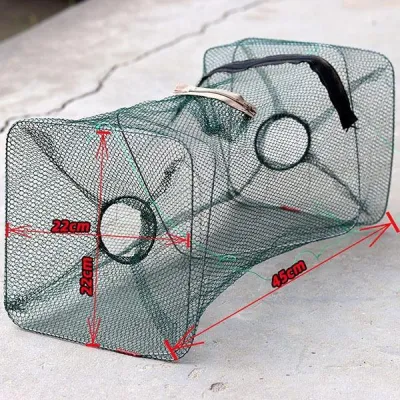
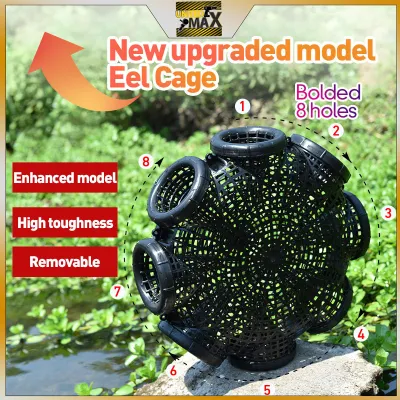
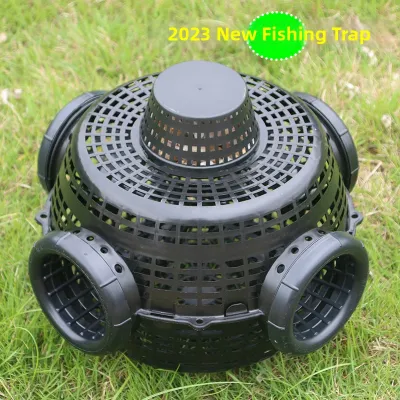
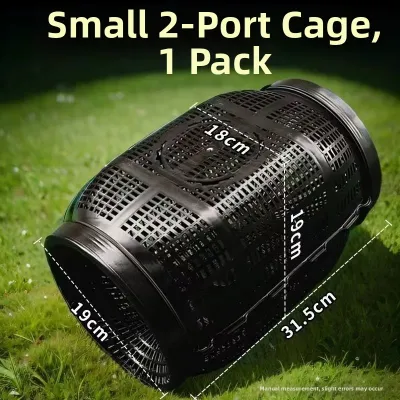
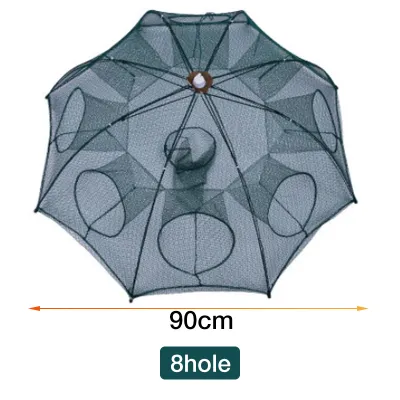
Prices are valid at publication and may change. Please refer to the product page for the latest price.
The entry mechanism is the most critical component of any patanga trap. Funnel-shaped entries are the standard for targeting small fish and shrimp because they exploit the natural forward-moving behavior of these species. As the target animal follows a scent trail toward the center of the trap, it swims or crawls through the wide outer opening of the funnel, which gradually tapers to a much smaller opening inside. Once the animal passes through this narrow inner neck, finding the tiny exit from the inside becomes highly unlikely due to the surrounding netting walls.
In contrast, some traps utilize one-way valves or weighted flap doors. While these can be highly effective for larger, stronger species like crabs or mature fish, they are generally unsuitable for small fish and shrimp. Tiny aquatic creatures often lack the physical strength or weight required to push open a mechanical flap or valve. For small catches, a passive, unobstructed funnel entry remains the most reliable design, ensuring that even the smallest shrimp can enter without resistance.
Understanding the behavioral differences between your target species is also essential when evaluating trap designs. Shrimp are primarily benthic crawlers that navigate along the riverbed or sea floor, using their antennae to detect food and seeking out dark, enclosed spaces for shelter. Small freshwater fish, on the other hand, swim actively in the mid-water column and rely heavily on visual cues and scent plumes carried by the current. A trap designed for shrimp must sit perfectly flush against the substrate, while a trap for small fish benefits from a slightly taller profile and entries positioned higher off the bottom.
Key Features to Evaluate Before Buying
When shopping for a patanga fish trap, the mesh size is the very first specification you must verify. For small catches like shrimp and juvenile fish, a mesh size between two and four millimeters is ideal. If the mesh is too large, your target catch will simply swim or crawl through the walls of the trap, leaving you with nothing but wasted bait. Conversely, a mesh that is too fine can restrict water flow, causing the trap to drag in currents and reducing the dispersal of the bait’s scent.

The diameter of the entry hole is another crucial factor that directly influences your success. For small fish and shrimp, the entry opening should be relatively small, typically between three and five centimeters. A smaller entry hole serves a dual purpose: it prevents larger, predatory fish from entering the trap and consuming your target catch, and it makes it even more difficult for the trapped animals to find their way out. If you anticipate catching slightly larger baitfish, look for a trap with flexible entry funnels that can stretch slightly without losing their shape.
Frame materials play a significant role in the trap’s durability, weight, and ease of transport. Collapsible frames made of spring steel or galvanized wire are highly popular because they allow the trap to fold flat, making them incredibly easy to pack into a backpack or carry to remote fishing spots. However, if you plan to fish in brackish or saltwater environments, ensure the metal frame is coated in protective plastic or vinyl to prevent rapid corrosion. Rigid plastic frames offer excellent structural integrity and will never rust, but they are bulkier and more challenging to transport in multiple quantities.
Overall dimensions and portability must be matched to your specific fishing environment and carrying method. If you are wading through dense mangrove forests or hiking along steep riverbanks, a large, rigid trap can be a major hindrance. In these scenarios, collapsible umbrella-style patanga traps with multiple entry points are highly advantageous. These traps can be opened quickly with a simple pull-string mechanism and collapsed down to the size of a standard umbrella for effortless transport.
Matching the Trap Design to Your Target Catch
To optimize your success, you should select a patanga trap design tailored to the specific habits of your primary target. If you are focusing almost exclusively on catching shrimp, look for a flat-bottomed trap that sits completely flush against the muddy or sandy bottom. Any gap between the bottom frame of the trap and the substrate will allow shrimp to crawl underneath the trap rather than entering through the funnels. Additionally, shrimp traps benefit from weighted bottoms or integrated sinkers that keep the structure stable in moving water.
A dedicated bait chamber is another essential feature for a successful shrimp trap. This chamber, usually located in the very center of the trap, keeps the bait secure and prevents the shrimp from feeding on it from the outside. Because shrimp are slow, methodical feeders, they will spend a significant amount of time trying to reach the bait. A secure chamber forces them to enter the trap fully and remain inside while they attempt to access the food source.
If your primary goal is catching small freshwater fish, the trap design requires a slightly different approach. Small fish need adequate internal swimming space and a higher vertical profile to remain alive and healthy while trapped. Crowded conditions or a lack of water circulation can lead to rapid oxygen depletion, resulting in high mortality rates that ruin the quality of your catch. Look for cylindrical or rectangular traps with slightly larger entry funnels positioned mid-way up the trap’s body to accommodate swimming patterns.
For anglers who want a versatile tool capable of catching both small fish and shrimp, a multi-entry collapsible trap serves as an excellent compromise. These designs typically feature six to eight entry funnels arranged in a circular pattern, maximizing the chances of a catch from any direction. While highly efficient, these mixed-use traps do have trade-offs. The mesh size must be carefully balanced; if it is fine enough for small shrimp, it may restrict water flow more than a dedicated fish trap, requiring more frequent monitoring and cleaning.
Navigating Purchases and Verifying Specifications
When looking to buy a patanga fish trap, you will find options both in local fishing supply shops and on various online marketplaces. Local shops offer the invaluable advantage of physical inspection, allowing you to feel the tension of the frame, check the quality of the stitching around the entry funnels, and verify the exact mesh size with your own eyes. However, local inventory can be limited, especially if you are looking for highly specific designs or collapsible models.
Online marketplaces provide a much broader selection of designs, sizes, and materials, often at highly competitive prices. The challenge of buying online is verifying the actual specifications of the trap, as product descriptions can sometimes be vague or misleading. To avoid disappointment, carefully examine the seller’s photos, paying close attention to close-up shots of the mesh. Look for images that show the trap next to a common object, like a hand or a coin, to get a realistic sense of scale. Do not hesitate to send a direct message to the seller to confirm the exact mesh opening in millimeters before placing your order.
Prices for patanga traps can vary significantly based on materials and craftsmanship. Mass-produced nylon mesh traps with basic wire frames are highly affordable, typically ranging from ₱100 to ₱300. These are excellent, cost-effective options for casual anglers or those testing out new fishing spots. On the other hand, handcrafted traps made from traditional materials like bamboo or heavy-duty, plastic-coated wire mesh can range from ₱400 to ₱800 or more. These artisanal traps reflect hours of skilled labor and often offer superior durability and stability in fast-flowing local waters.
Before finalizing your purchase, especially when buying online, check the seller’s return and exchange policies regarding manufacturing defects. Inspect the trap thoroughly upon arrival, looking for any loose threads, gaps in the stitching around the entry funnels, or warped frames that prevent the trap from sitting flat. A trap with a compromised frame or a small tear in the netting will allow your catch to escape, rendering the tool useless. Choosing a seller with a reliable return policy ensures you can exchange any defective items without hassle.
Essential Setup, Baiting, and Maintenance Practices
The success of your patanga fish trap depends heavily on how you set it up, the bait you use, and how well you maintain the equipment. For small fish and shrimp, you want to use highly aromatic baits that release a strong scent trail in the water. Excellent local options include roasted coconut meat, crushed freshwater snails, or fish paste mixed with rice bran. To prevent these baits from dissolving too quickly in warm tropical waters, place them inside a fine mesh bait bag or a small, perforated plastic container secured to the center of the trap.
When deploying your trap, placement is everything. Position the trap in slow-moving currents, near natural underwater structures such as fallen logs, submerged rocks, aquatic vegetation, or mangrove roots. These areas are natural havens where small fish and shrimp gather to feed and seek shelter from predators. Ensure the trap is oriented so that the entry funnels align with the natural path of the water flow, and verify that the bottom of the trap is resting flat against the substrate to prevent shrimp from crawling underneath.
Proper maintenance is crucial for extending the lifespan of your patanga trap, especially in humid tropical climates. After every use, thoroughly rinse the trap with clean freshwater to remove salt, mud, algae, and organic debris. Hang the trap to dry completely in a shaded, well-ventilated area before folding and storing it. Avoid leaving the trap in direct sunlight for extended periods, as ultraviolet rays can rapidly degrade synthetic nylon netting, making it brittle and prone to tearing. Storing a damp trap can lead to mold growth and unpleasant odors that may deter future catches.
Finally, always practice responsible fishing by staying informed about local municipal or provincial regulations. Many areas in the Philippines have specific rules governing the use of fish traps, including restrictions on mesh sizes to protect juvenile fish populations, limits on the number of traps a single angler can deploy, and seasonal bans during spawning periods. Adhering to these regulations helps preserve local aquatic ecosystems, ensuring that future generations can continue to enjoy productive fishing adventures.
Frequently Asked Questions (FAQ)
Can I modify a standard patanga trap to catch smaller shrimp?
Yes, you can easily modify a standard, larger-mesh patanga trap to target smaller shrimp by lining the interior with a finer material. Fine mosquito netting or plastic window screening works exceptionally well for this purpose. Cut the netting to match the internal panels of your trap and secure it tightly to the existing frame using small plastic cable ties or durable nylon thread. Be sure to pay close attention to the areas around the entry funnels, ensuring there are no gaps where shrimp could get trapped between the two layers of netting or escape entirely.
How often should I check the trap once it is deployed?
For small fish and shrimp, you should check your patanga trap every two to four hours. Because these small species are highly vulnerable, leaving them in the trap for too long can lead to high mortality rates due to stress or localized oxygen depletion. Additionally, small catches left unattended for extended periods can attract larger predators like crabs, water snakes, or predatory fish, which may damage your trap’s netting to reach the catch inside. Frequent monitoring also allows you to refresh the bait, ensuring a continuous and strong scent trail to attract new catches.
Community discussion
Share your experience or ask a question. Comments are reviewed before publication.