
Selecting the right patella knee support is a critical decision for athletes and active individuals in the Philippines, where high-impact sports like basketball and volleyball are played intensely on both indoor hardwood and unforgiving outdoor concrete courts. The knee joint bears the brunt of sudden stops, explosive jumps, and rapid lateral shifts, making the patellar tendon highly susceptible to strain and overuse. In a tropical climate characterized by intense heat and high relative humidity, choosing a support is not just about finding the right level of stabilization; it also requires careful consideration of material breathability, moisture management, and secure fitment to prevent slippage caused by heavy sweating. By understanding how different support designs interact with your specific sport’s movement patterns, you can make an informed choice that aids joint tracking, provides comfortable compression, and stands up to the demands of local playing conditions.
To find the ideal balance between mobility and protection, you must first understand the structural differences among the various types of patella supports available. Each design serves a distinct biomechanical purpose, ranging from highly targeted pressure on the patellar tendon to comprehensive stabilization of the entire knee joint. Matching these designs to your personal comfort requirements and the physical demands of your sport will help you narrow down the options and select a support that truly enhances your performance and recovery.
Types of Patella Knee Supports and Their Best Use Cases
Patella straps, often referred to as patellar tendon bands, are minimalist supports designed to wrap tightly around the leg just below the kneecap. These straps feature a focused compression pad that applies direct, localized pressure to the patellar tendon. This targeted compression helps distribute the mechanical load away from the tendon insertion point, which can ease discomfort associated with repetitive jumping and running. Because of their low-profile design, patella straps are highly favored by athletes who want to maintain maximum joint mobility and minimize heat retention, making them exceptionally practical for outdoor sports in hot, humid weather.
Products mentioned in this guide
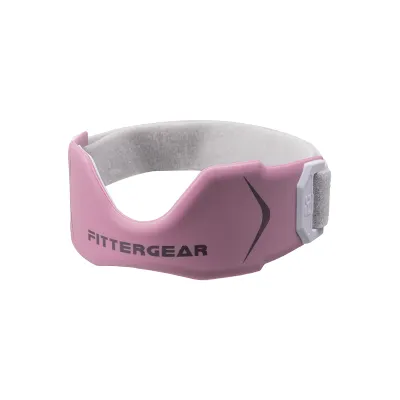
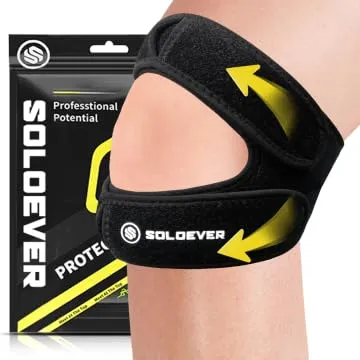
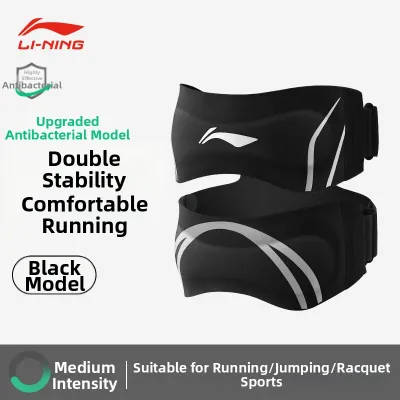
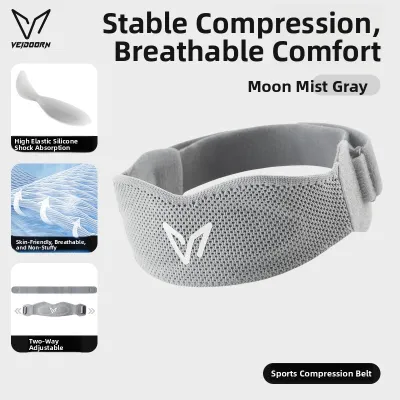
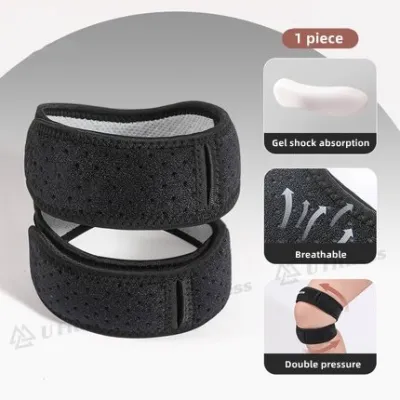
Prices are valid at publication and may change. Please refer to the product page for the latest price.
Knee sleeves with patella gel pads or open-patella cutouts offer a more comprehensive approach to joint support. These pull-on sleeves cover the entire knee area, providing uniform compression that promotes blood flow, retains therapeutic warmth, and enhances proprioception—your body’s awareness of joint positioning. The open-patella design features a circular cutout that relieves direct pressure on the kneecap, while an integrated silicone or gel ring surrounds the patella to keep it tracking smoothly within the femoral groove during flexion and extension. This type of support is highly versatile, offering a balance of mild structural stabilization and overall joint comfort for multi-directional movements.
Wrap-around or hinged braces represent the most robust category of patella knee supports, designed for individuals who require adjustable compression or enhanced structural stability. These braces feature open-patella designs and utilize adjustable hook-and-loop straps that allow you to customize the tightness and fit to your exact leg shape. Some wrap-around models incorporate flexible side stabilizers or rigid hinges to protect the knee against lateral forces and prevent unnatural twisting. They are particularly useful for athletes recovering from minor ligament strains or those who experience joint instability and require a highly secure, customizable support system that is easy to put on and take off without removing footwear.
Key Selection Criteria for Sports-Specific Knee Support
When evaluating different patella knee supports, the level of compression and the adjustability mechanism are primary factors to consider. Pull-on elastic or knit sleeves provide consistent, uniform compression across the entire joint, which is excellent for reducing mild swelling and keeping muscles warm. However, they lack the on-the-fly adjustability of wrap-around designs that use high-quality hook-and-loop fasteners. If your sport involves long periods of play where your muscles may swell or fatigue, an adjustable wrap-around system allows you to loosen or tighten the support as needed to maintain comfortable circulation and optimal tension.

The composition and shape of the internal padding play a crucial role in how effectively the support manages impact forces and guides the kneecap. Look for supports that feature anatomically shaped silicone gel rings or firm ethylene-vinyl acetate (EVA) foam inserts. Silicone gel conforms closely to the natural contours of your kneecap, providing soft, continuous tracking support that moves with your body. Firm EVA foam inserts, on the other hand, offer excellent shock absorption and are highly effective at dampening the repetitive vibrations and sudden impacts associated with hard landings on concrete or asphalt surfaces.
In the tropical climate of the Philippines, sweat is an inevitable part of any athletic activity, making non-slip features essential for maintaining the effectiveness of your knee support. When a sleeve or strap slides down your leg, it loses its therapeutic alignment and can become a major distraction during play. To prevent this, check for supports equipped with dual wave-patterned silicone grip strips along the inner cuffs. Additionally, look for advanced ergonomic knitting patterns that mimic the natural curvature of the calf and thigh muscles, as these designs help anchor the support securely in place even during high-velocity movements and heavy perspiration.
Matching Support Features to Popular Sports
Every athletic activity subjects the knee joint to a unique set of physical stresses and movement patterns. A runner’s knee experiences thousands of repetitive, linear strides, whereas a basketball player’s knee must withstand sudden vertical leaps, hard landings, and rapid lateral cuts. Understanding these distinct biomechanical demands allows you to align the specific features of a patella support with the exact movements of your chosen sport, ensuring optimal comfort, stability, and joint protection.
High-Impact and Jumping Sports (Basketball, Volleyball)
Basketball and volleyball are characterized by frequent vertical jumping, explosive acceleration, and sudden deceleration on hard surfaces. These actions place immense, repetitive stress on the patellar tendon, often leading to localized inflammation and discomfort. To manage these high-impact forces, athletes require a support that prioritizes robust shock absorption and targeted tendon relief. An open-patella knee sleeve featuring a thick, contoured silicone ring is highly effective in these scenarios, as it helps stabilize the kneecap during rapid vertical movements and dampens the vibrations of hard landings.
Alternatively, a heavy-duty, adjustable patella strap can be utilized to apply direct pressure to the patellar tendon, helping to alleviate the strain caused by repetitive jumping. When choosing a support for basketball or volleyball, it is vital to verify that the design does not restrict deep knee flexion. Players must be able to drop into a low defensive stance or bend their knees deeply to prepare for a jump without the material bunching painfully behind the knee or cutting off circulation. Look for models with a recessed or highly flexible fabric panel at the back of the joint to ensure unrestricted mobility.
Repetitive Motion and Endurance Sports (Running, Cycling)
For endurance athletes engaged in running or cycling, the primary challenges are repetitive joint friction, heat accumulation, and the potential for skin chafing over long distances. Because these sports involve continuous, linear knee flexion and extension, a heavy or bulky brace can alter your natural gait and lead to premature muscle fatigue. Instead, prioritize lightweight, low-profile designs that provide gentle compression and patellar tracking without adding unnecessary bulk to your leg. A slim patella strap or a highly flexible, lightweight knit sleeve is often the ideal choice for endurance activities.
To prevent painful skin irritation and friction burns during long-distance runs or rides, look for supports constructed with seamless technology or flat-lock stitching. These manufacturing methods ensure that there are no raised seams to rub against your skin as your knee bends thousands of times. Furthermore, excellent moisture-wicking capabilities are non-negotiable; the fabric must actively draw sweat away from your skin and allow it to evaporate quickly, keeping the area dry and reducing the risk of skin maceration and heat rashes in humid tropical conditions.
Multi-Directional and Court Sports (Tennis, Badminton)
Court sports like tennis and badminton demand rapid lateral shuffling, sudden pivoting, and deep, explosive lunges to reach the ball or shuttlecock. These multi-directional movements subject the knee joint to significant shear forces, requiring a support that offers exceptional lateral stability and a highly secure fit. A wrap-around knee support with dual-strap systems or flexible side stabilizers is well-suited for these demands, as it helps reinforce the joint against lateral twisting while allowing you to customize the tension for maximum security during aggressive side-to-side movements.
Because court sports require instant reaction times and rapid footwork, the knee support must remain perfectly anchored to your leg without sliding or shifting during sudden changes of direction. Look for adjustable designs that allow you to tighten the upper and lower straps independently, ensuring a snug fit that conforms to your thigh and calf. Additionally, ensure that the material behind the knee is thin and highly breathable, allowing you to execute low lunges and quick recovery steps comfortably without any restrictive bunching or pinching.
Sizing, Fit, and Material Considerations for Tropical Climates
Achieving the correct fit is paramount to the effectiveness of any patella knee support, as an improperly sized product can cause discomfort or fail to provide the necessary stabilization. To find your correct size, use a flexible measuring tape to measure the circumference of your leg at specific points designated by the manufacturer—typically around the center of the kneecap, 10 to 15 centimeters above the kneecap (thigh circumference), and 10 to 15 centimeters below (calf circumference). Because sizing standards vary significantly between different brands, always consult the specific manufacturer’s sizing chart rather than assuming your size based on previous purchases.
| Support Type | Primary Material | Best Climate Feature | Ideal Sport | Sizing Focus |
|---|---|---|---|---|
| Patella Strap | Perforated Neoprene / Nylon | Minimal skin coverage, high breathability | Running, Cycling | Calf circumference just below kneecap |
| Knee Sleeve | 3D Elastic Knit / Spandex | Moisture-wicking, seamless compression | Basketball, Volleyball | Thigh and calf circumference |
| Wrap-Around Brace | Breathable Neoprene / Mesh | Adjustable tension, customizable fit | Tennis, Badminton | Thigh, knee center, and calf |
In the warm and humid climate of the Philippines, material selection directly impacts skin health and overall comfort. Traditional, thick neoprene supports are excellent for retaining heat, but they can quickly become hot, heavy, and saturated with sweat in tropical conditions, leading to skin irritation and fungal infections. To mitigate this, look for modern material alternatives such as perforated neoprene, 3D air-knit fabrics, or advanced nylon-spandex blends. These materials feature open-weave patterns and ventilation holes that allow air to circulate freely and sweat to evaporate, keeping your skin cool and dry during intense outdoor activities.
It is crucial to recognize the physical signs of an improper fit to prevent injury or circulatory issues. A knee support that is too tight can restrict blood flow, leading to symptoms such as numbness, a tingling sensation, coldness in your foot, or deep, painful red indentations on your skin. Conversely, a support that is too loose will slide down your leg constantly during movement, failing to apply the necessary compression to the patellar tendon or keep the kneecap properly aligned. If you experience any of these issues, adjust the straps immediately or try a different size to ensure safe and effective use.
Pre-Purchase Checklist and Safety Boundaries
Before purchasing a patella knee support, take the time to verify the product’s labels and specifications to ensure it aligns with your physical needs and lifestyle. Check the material composition carefully, especially if you have known allergies to latex or synthetic rubbers like neoprene. Additionally, review the manufacturer’s washing instructions; to maintain the elasticity of the elastic fibers and the integrity of the silicone pads, most high-quality sports supports require hand washing in cold water with mild soap and air drying in the shade, away from direct sunlight and high heat.
While patella knee supports are highly effective tools for managing mild discomfort and improving joint stability, they have clear safety boundaries that must be respected. You should discontinue use immediately and consult a qualified healthcare professional if you experience any of the following stop conditions:
- Sharp, sudden, or worsening pain in the knee joint
- Persistent numbness, tingling, or a "pins and needles" sensation in your leg or foot
- Visible skin discoloration, severe redness, or signs of allergic reaction under the support
- Increased swelling, warmth, or fluid retention around the kneecap
It is vital to understand that a knee support is designed to aid in symptom management, provide joint warmth, and enhance proprioceptive feedback during physical activity; it is not a cure for underlying structural damage. Wearing a support cannot replace a proper medical diagnosis, targeted physical therapy, or a comprehensive athletic conditioning program. To protect your joints over the long term, focus on strengthening the supporting musculature—including your quadriceps, hamstrings, and glutes—and always incorporate a thorough warm-up and cool-down routine into your training sessions.
Frequently Asked Questions (FAQ)
Can I wear a patella knee support all day?
It is generally not recommended to wear a patella knee support or strap continuously throughout the day, especially during prolonged periods of sitting, resting, or sleeping. These supports are designed to provide targeted compression and stabilization during active physical movement when the joint is under stress. Wearing them continuously while sedentary can restrict healthy blood circulation, cause skin irritation from accumulated moisture, and potentially lead to muscle dependency, where the surrounding muscles become less active because they are relying on the external support of the brace.
How tight should a patella strap be?
A patella strap should be tightened to a point where it applies firm, comfortable pressure directly to the tendon below your kneecap, without causing pain or restricting blood flow. A practical way to check the fit is to attempt to slide one or two fingers flat underneath the strap; you should be able to do so with some resistance, but the strap should not feel loose enough to slide down your leg. The goal is to achieve a secure, supportive lift on the patellar tendon while ensuring that your lower leg and foot maintain normal sensation, warmth, and unrestricted circulation during movement.
Do patella supports prevent knee injuries?
Patella knee supports do not provide absolute prevention against acute knee injuries, such as ligament tears or joint fractures. Instead, they primarily function to assist with patellar tracking, manage mild symptoms of overuse, and enhance proprioception, which helps you maintain better joint alignment and awareness during dynamic movements. The most effective defenses against sports-related knee injuries remain proper athletic technique, targeted strength training of the lower body muscles, flexibility exercises, and allowing adequate time for rest and recovery.
Community discussion
Share your experience or ask a question. Comments are reviewed before publication.