
Choosing a polyethylene (PE) boat requires matching the hull design, stability features, and motor compatibility to your primary water activity. Whether you plan to navigate shallow reefs, cross coastal swells, or cruise with your family, the right configuration ensures safety and performance. Polyethylene has become a highly popular material for local waters due to its exceptional durability, but selecting the wrong hull shape or weight capacity can quickly compromise your safety on the water.
To make an informed decision, you must evaluate how the boat handles the specific aquatic environments you will encounter. A boat optimized for a calm inland lake will perform poorly in open coastal chop, while a heavy, deep-V hull may be unnecessary and difficult to maneuver in shallow, weedy rivers. By understanding the physical characteristics of PE and aligning them with your primary boating activities, you can select a vessel that delivers long-term reliability and enjoyment.
Understanding PE Boat Advantages for Local Waters
Polyethylene (PE) is a robust thermoplastic that offers distinct advantages for boaters navigating the diverse marine environments of the Philippines. One of the most significant benefits of PE is its inherent impact resistance. Unlike fiberglass, which can crack or chip upon impact, or aluminum, which is prone to denting, high-density polyethylene (HDPE) absorbs impacts by flexing and returning to its original shape. This resilience is incredibly valuable when you are navigating shallow coral reefs, rocky shorelines, or sandy beaches common in local waters.
Products mentioned in this guide
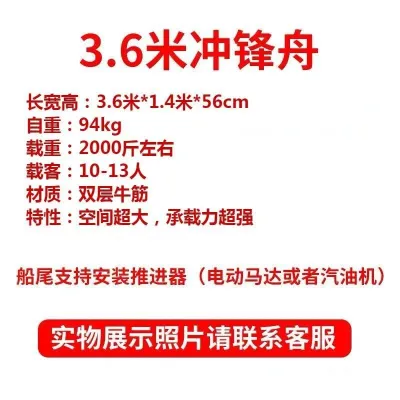
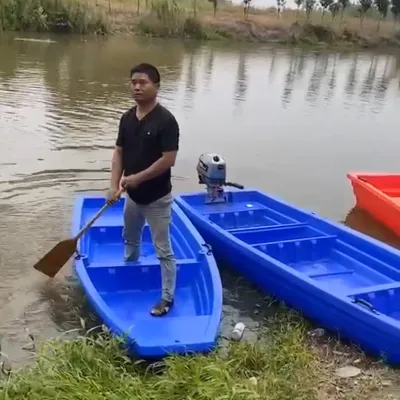
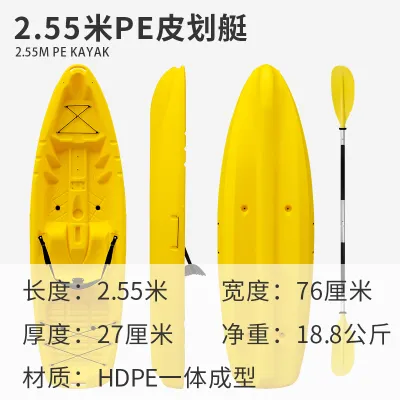
Prices are valid at publication and may change. Please refer to the product page for the latest price.
In addition to impact resistance, PE boats are exceptionally low-maintenance. They do not rust, rot, or suffer from osmosis, which is a common issue with fiberglass hulls left in the water for extended periods. Furthermore, PE does not require anti-fouling paint or gelcoat repairs, saving you significant time and maintenance costs over the lifespan of the vessel. For boaters operating in high-humidity tropical climates, the absence of corrosion-prone metal components or wood rot in the hull structure simplifies long-term ownership.
However, the tropical climate also presents a specific challenge in the form of intense solar radiation. Prolonged exposure to ultraviolet (UV) rays can degrade untreated plastics, causing them to become brittle and fade over time. When selecting a PE boat, it is crucial to verify the manufacturer’s specifications for UV inhibitors, often rated as UV8 or higher. High-quality marine PE is compounded with these chemical inhibitors during the manufacturing process to ensure the polymer chains remain stable under the intense tropical sun.
Another practical advantage of PE is its natural buoyancy. The material itself is less dense than water, meaning that even if the hull is breached, a well-designed PE boat is highly resistant to sinking. Many manufacturers build these boats with double-walled hulls or integrate closed-cell foam flotation blocks into the internal cavities to provide positive buoyancy. This design feature offers peace of mind when you are operating several kilometers offshore or carrying valuable gear and passengers.
Configuring Your PE Boat for Fishing Stability and Gear
For anglers, the choice of a PE boat centers heavily on stability, deck space, and customizable gear configurations. The foundational element of a fishing-focused PE boat is its hull shape, which directly dictates how the vessel behaves when you stand up to cast or reel in a catch. Flat-bottom or modified-V hulls are generally preferred for fishing in calm inland lakes, slow-moving rivers, or protected shallow bays. These designs maximize the boat’s surface area in contact with the water, providing excellent initial stability so the boat remains level when you shift your weight.

When evaluating a PE boat for fishing, look for integrated features that enhance your angling efficiency. Pre-molded rod holders positioned within easy reach of the primary seating area are essential for trolling or securing your rods. A non-slip deck texture molded directly into the PE floor is another critical safety feature, preventing slips when the deck becomes wet. Additionally, high-quality fishing models feature reinforced mounting points where you can securely bolt down aftermarket accessories like trolling motors or fish finders without compromising the hull’s structural integrity.
Weight distribution is a critical safety factor that you must manage carefully on a fishing boat. Because PE boats are relatively lightweight compared to traditional fiberglass vessels, shifting heavy gear or fuel tanks can significantly alter the boat’s trim. Ensure the boat has dedicated, low-profile storage compartments to keep heavy items like batteries and anchors centered and low in the hull. This low center of gravity prevents the boat from listing excessively when you lean over the gunwale to land a fish.
Freeboard height—the distance from the waterline to the top of the gunwale—is another key consideration for anglers. A lower freeboard reduces wind resistance, making it easier to control the boat’s position in breezy conditions, and allows for easier landing of fish. However, in choppy waters, a low freeboard increases the risk of taking on water over the sides. If you plan to fish in open bays or areas prone to sudden weather changes, look for a modified-V hull with moderate freeboard to strike a safe balance between stability and wave deflection.
Selecting a PE Boat for Coastal Island Hopping
Island hopping along coastal waters demands a PE boat designed for seaworthiness, passenger comfort, and reliable motorized propulsion. Unlike calm inland waters, coastal passages are subject to tidal currents, wind-driven chop, and open-ocean swells. To navigate these conditions safely, a deeper V-hull design is highly preferable. The sharp entry of a V-hull cuts through waves rather than riding over them, significantly reducing the jarring impacts on passengers and providing a smoother, drier ride during long transits.
Motor compatibility is a paramount consideration when configuring a PE boat for coastal travel. Because navigating open water requires sufficient power to overcome strong currents and head winds, you must verify the boat’s transom rating. The transom must be structurally reinforced—often with an integrated aluminum or heavy-duty composite plate—to handle the weight and torque of an outboard motor. Always check the manufacturer’s maximum horsepower (HP) rating; underpowering a boat can leave you stranded in heavy currents, while overpowering can damage the transom and compromise safety.
Passenger capacity and comfort are vital when planning trips between islands. A coastal PE boat should feature dedicated, secure seating for all passengers, complete with handholds or grab rails molded into the hull. Because tropical sun exposure can lead to dehydration and heat exhaustion during multi-hour trips, look for a boat that allows for the installation of a bimini top or a similar shade structure. The mounting points for these structures must be securely anchored into reinforced sections of the PE hull to withstand the wind forces generated at cruising speeds.
Fuel capacity and range planning are also critical for island hopping. Since PE boats do not typically feature large built-in underfloor fuel tanks like larger fiberglass vessels, you will likely rely on portable fuel cans. Ensure the boat’s deck layout includes a secure, ventilated area to tie down these tanks, keeping them away from direct sunlight and passenger foot traffic. Properly securing your fuel and maintaining a balanced load will ensure predictable handling when crossing open stretches of water.
Picking a PE Boat for Safe Family Recreation
When choosing a PE boat primarily for family recreation, the priorities shift toward maximum stability, ease of use, and child-friendly safety features. For casual family outings, a wide beam (the width of the boat at its widest point) is one of the most important specifications to look for. A wide beam provides exceptional initial stability, ensuring the boat remains steady and reassuring even when children move around, stand up, or lean over the side to look at marine life.
Ease of boarding is another crucial factor for recreational users, especially if your family enjoys swimming, snorkeling, or beach picnics. Look for PE boats designed with low freeboard boarding zones, integrated swim platforms, or built-in ladder mounts at the stern. These features make it much easier and safer for swimmers of all ages to climb back into the boat from the water without tipping the vessel. Some recreational models even feature a walk-through transom or a bow ramp that simplifies stepping onto sandy beaches.
The interior design of a family-oriented PE boat should minimize physical hazards. Polyethylene can be molded with smooth, rounded corners and flush-mounted hardware, which helps prevent painful scrapes, bruises, or snagged clothing as passengers move about the deck. Enclosed, splash-proof storage compartments are also essential for family trips, providing a secure place to store dry clothes, towels, phones, and snacks away from water spray and wet feet.
Finally, consider the ease of transport and storage for family use. Many recreational PE boats are designed to be lightweight enough for two adults to load onto a roof rack or a small utility trailer. Some models feature integrated transport wheels molded directly into the keel, allowing you to easily wheel the boat across a sandy beach or grassy lawn to the water’s edge. This convenience reduces the physical effort required for setup and pack-up, making spontaneous family day trips much more enjoyable.
Cross-Scenario Compatibility: Balancing Fishing, Hopping, and Leisure
If your boating plans include a mix of fishing, island hopping, and family leisure, you will need to carefully weigh the physical trade-offs of different hull designs. A flat-bottom hull offers unmatched stability when stationary, making it perfect for casting a fishing line or lounging in a quiet cove, but it will deliver a rough, wet, and potentially unsafe ride in open coastal chop. Conversely, a deep-V hull cuts beautifully through waves during island transfers but will roll and tilt more when passengers move around while the boat is anchored.
To bridge this gap, many boaters opt for a hybrid hull design, such as a cathedral hull or a tri-hull. These designs combine a central V-shaped entry with smaller outer sponsons, offering a compromise that provides reasonable wave-cutting ability while maintaining excellent stability at rest. Another option is a moderate-V hull, which features a shallow deadrise angle at the transom to balance tracking in chop with stability when stationary. Understanding these design trade-offs allows you to select a baseline hull that matches your most frequent activities.
| Hull Type | Primary Advantages | Key Trade-offs |
|---|---|---|
| Flat-Bottom | Exceptional stability at rest, shallow draft | Rough ride in chop, prone to taking on water |
| Deep-V | Smooth ride through coastal chop, excellent tracking | Less stable when stationary, requires more draft |
| Cathedral/Tri-Hull | Balanced stability and wave handling, spacious deck | Can be noisy in light chop, heavier to transport |
Modular outfitting is the key to transforming a single PE boat into a multi-purpose vessel. Instead of permanently mounting heavy accessories, utilize removable gear systems. For example, you can use quick-release brackets for rod holders and GPS mounts, allowing you to clear the deck for a family swim day. Portable coolers can serve a dual purpose: they act as insulated fish boxes on angling trips, secure dry storage or food coolers on family picnics, and extra seating when fitted with a snap-on cushion.
To establish a clear decision framework, analyze your expected usage patterns. If you anticipate that 80% of your time will be spent fishing in sheltered bays and 20% on short island transfers, prioritize a stable, flatter hull and accept that you must wait for calm weather window days for your island trips. If your primary goal is traveling between islands with occasional fishing on the side, prioritize a seaworthy V-hull for safety, and adapt your fishing style to a boat that moves more at anchor.
Pre-Purchase Inspection and Long-Term Care
Before purchasing a PE boat, conducting a thorough physical inspection is essential to ensure you are getting a high-quality vessel free from manufacturing defects. Begin by checking for uniform hull thickness, especially along the keel, chines, and transom where wear and stress are highest. You can do this by gently pressing on various areas of the hull; a well-molded PE boat should feel firm and rigid, with no soft spots. Inspect the transom and seat reinforcements to ensure they are securely integrated into the hull structure with robust, marine-grade fasteners.
Warping is another critical defect to look for, particularly in boats that have been stored improperly in retail yards. Polyethylene has a memory and can deform if stored unevenly under heavy loads or intense heat. Look down the length of the keel line to ensure it is perfectly straight and free from twists or “oil-canning” (indentations in the bottom of the hull). Ensure that all hatch covers, drain plugs, and accessory mounts fit snugly and seal properly to prevent water intrusion.
Once you own a PE boat, establishing a proper maintenance routine will significantly extend its operational lifespan. When cleaning the hull, always read the manufacturer’s care label first. Avoid using harsh chemical solvents, acetone, or abrasive scrubbing pads, as these can degrade the polyethylene polymer and scratch the surface, making it more susceptible to dirt accumulation. Instead, use a mild marine soap, fresh water, and a soft-bristled brush to remove salt spray, algae, and grime after every outing.
Proper storage is the single most important factor in protecting your PE boat from long-term solar degradation. Even with high-quality UV inhibitors, continuous exposure to the intense tropical sun will eventually weaken the plastic. Whenever the boat is not in use, store it in a shaded area, such as under a carport, or cover it with a high-quality, UV-resistant, breathable boat cover. Additionally, ensure the boat is supported evenly on its trailer or storage racks to prevent warping or flat spots from developing in the hull over time.
Frequently Asked Questions (FAQ)
How long does a polyethylene boat typically last?
The lifespan of a polyethylene boat depends heavily on its exposure to ultraviolet (UV) radiation, storage conditions, and physical impacts. Under typical recreational use with proper care, a high-quality PE boat can easily last between 10 to 15 years, or even longer. To maximize this lifespan, it is essential to store the boat out of direct sunlight when not in use. Rather than relying on generic industry averages, always check the specific manufacturer’s warranty and UV-treatment specifications, as premium brands often use superior polymer blends designed for harsh tropical environments.
Can I repair a cracked PE hull at home?
Standard marine adhesives, epoxy resins, and fiberglass repair kits do not bond effectively to polyethylene due to its low surface energy. If your PE boat develops a structural crack, attempting a quick DIY fix with standard glues or simple heat-melting with a propane torch can weaken the surrounding material and compromise safety. Structural repairs require professional plastic welding, which utilizes specialized extrusion or hot-air welding equipment and matching PE filler rods to restore the hull’s original strength. For minor, non-structural gouges, you can consult the manufacturer’s care instructions, but any crack affecting buoyancy or structural integrity must be repaired by a qualified professional.
Community discussion
Share your experience or ask a question. Comments are reviewed before publication.