
Selecting the right Petzl carabiner requires analyzing your primary climbing discipline and matching it to the specific geometry, gate mechanism, and weight profile of the gear. Sport climbers, traditional climbers, and multi-pitch belayers all face distinct physical forces and operational demands on the rock. By understanding how different designs handle rope drag, load distribution, and environmental wear, you can build a rack that enhances your safety and efficiency.
In tropical climbing environments like the Philippines, where high humidity and coastal salt spray are common, choosing the right gear involves more than just picking a shape. It requires understanding how materials and mechanical designs perform under environmental stress. Whether you are clipping bolts on the limestone cliffs of Cantabaco or organizing a gear rack for a remote multi-pitch adventure, matching your equipment to your specific climbing style is a fundamental safety practice.
Decoding Carabiner Shapes, Gates, and Nose Designs
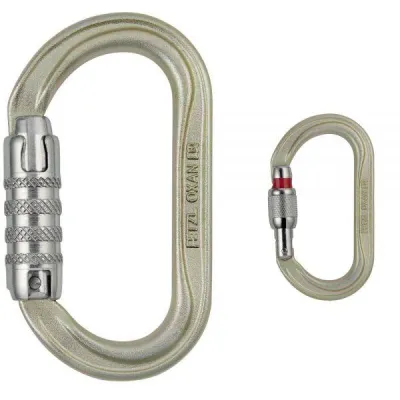
Carabiner geometry directly dictates how a connector distributes loads and handles ropes under tension. The classic D-shape is engineered to shift the majority of the load along the stronger, non-gated spine of the carabiner, making it one of the strongest structural shapes available for its weight. Asymmetric D-shapes, often referred to as offset Ds, modify this design by widening the top of the frame, which increases the gate clearance to make clipping thick ropes or multiple slings much easier. Oval carabiners feature a symmetrical design that is highly effective for centering gear, making them the standard choice for aid climbing, organizing gear loops, and operating pulleys, though they generally offer lower overall strength ratings than their D-shaped counterparts. Pear-shaped or HMS carabiners feature a wide, flared top designed specifically to accommodate wide knots like the Munter hitch or to host belay devices smoothly without pinching the rope.
Products mentioned in this guide
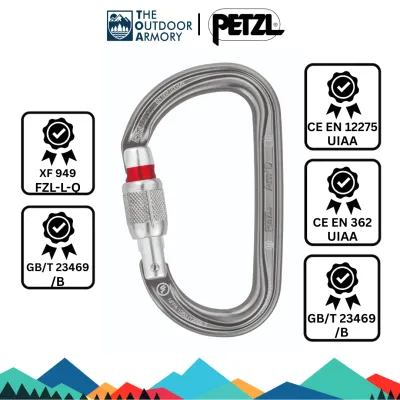
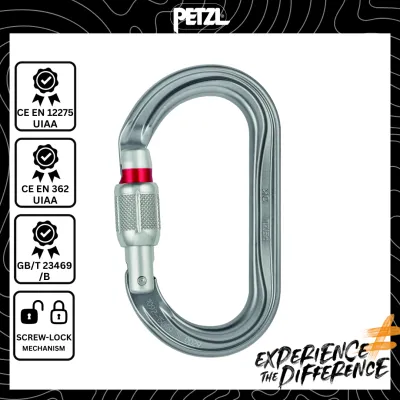
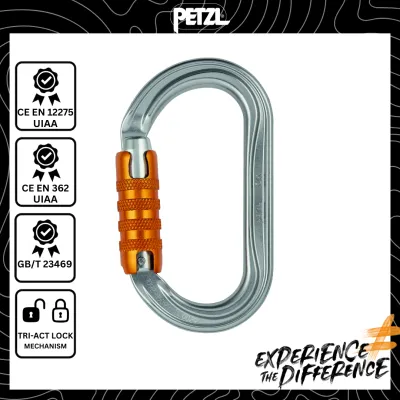
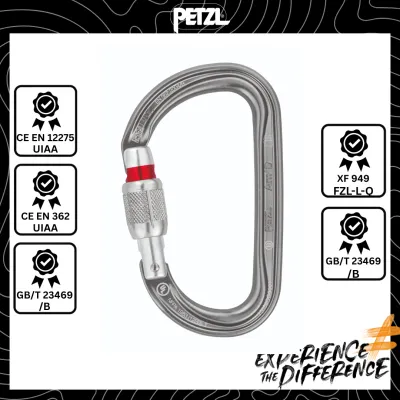
Prices are valid at publication and may change. Please refer to the product page for the latest price.
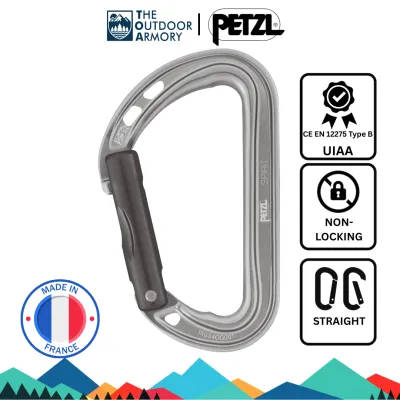
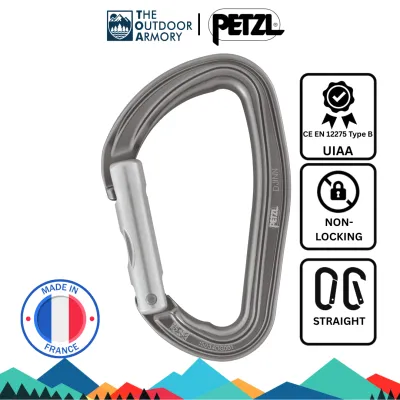
Gate designs are equally critical to performance and must be selected based on the specific task at hand. Solid straight gates are robust and easy to push open, making them highly suitable for the bolt-end of quickdraws where stability is key. Bent gates curve slightly inward, creating a natural guide that channels the rope into the basket quickly during a clip, which is why they are positioned on the rope-end of quickdraws. Wiregate carabiners utilize a loop of stainless steel wire instead of a solid aluminum gate, which significantly reduces overall weight and minimizes the risk of “gate flutter”—a phenomenon where the gate momentarily vibrates open during a sudden impact. Locking gates, which can be manual screw-locks or automatic twist-locks, are reserved for critical safety connections where an accidental opening could have catastrophic consequences.
Nose design plays a subtle but vital role in how smoothly a carabiner performs during transitions. Older carabiner designs feature a small notch on the gate that hooks onto a pin in the nose of the frame. While secure, this notch is notorious for snagging on bolt hangers, wire nuts, and sling loops during clean unclipping maneuvers. Modern keylock designs eliminate this issue by utilizing an interlocking, smooth interface between the gate and the nose. This snag-free profile allows the carabiner to slide cleanly out of hangers and gear loops, reducing frustration and saving valuable energy when you are pumped on a difficult route.
Matching Petzl Carabiner Traits to Your Climbing Discipline
No single carabiner can excel at every climbing task, meaning that a well-rounded rack must be tailored to your specific climbing style. A heavy, highly secure HMS locking carabiner is indispensable at a belay station but becomes a physical burden if carried in large quantities on a long traditional route. Conversely, ultra-lightweight wiregate carabiners are excellent for minimizing weight on gear loops but lack the locking security required for building master point anchors.

Climbers must evaluate their personal handling preferences alongside the physical demands of their chosen discipline. When selecting gear, you should cross-reference the manufacturer’s specifications with your existing equipment to ensure seamless compatibility. This systematic approach ensures that every connector on your harness serves a clear, functional purpose without adding unnecessary bulk or weight.
Sport Climbing: Prioritizing Speed and Smooth Clipping
Sport climbing demands quick, reliable clipping actions when you are operating near your physical limit on bolted routes. For this style of climbing, quickdraws equipped with ergonomic, full-sized carabiners are highly advantageous. A straight-gate carabiner on the bolt-end allows for a firm grip and easy placement into the hanger, while a bent-gate carabiner on the rope-end guides the climbing rope into the basket with minimal resistance. Look for models that feature textured spines or contoured frames, which improve hand-to-gear friction when your fingers are sweaty or covered in chalk.
Keylock noses are an absolute necessity for sport climbing quickdraws. When cleaning a steep sport route, a notched carabiner can easily hook onto the bolt hanger, making it incredibly difficult to unclip while hanging on the rope. A smooth keylock nose ensures that both the bolt-end and rope-end carabiners slide free without catching. Additionally, sport climbers should regularly check the manufacturer’s recommended lifespan and wear limits, as frequent falls and dirty ropes can accelerate aluminum erosion on the rope-bearing surfaces.
Trad Climbing: Managing Weight and Gear Organization
Traditional climbing requires carrying a vast array of protection, including cams, nuts, hexes, and slings, making weight management a primary concern. On long trad pitches, every gram saved translates directly to conserved energy. Wiregate carabiners are the standard choice for trad climbing because they strip away unnecessary metal weight without sacrificing structural integrity. Their simplified design also makes them highly resilient against dirt and grit, which are common on rugged outdoor crags.
Organization is another critical factor when managing a complex traditional rack. Many climbers utilize color-coded wiregate carabiners that match the anodized colors of their active camming devices. This visual alignment allows you to quickly identify and select the correct size of protection from your harness gear loops under stress. For passive protection like nuts and wires, grouping them on a lightweight, asymmetric D-carabiner keeps the rack compact and easily accessible.
While weight reduction is vital, trad climbers must still carry dedicated locking carabiners for building secure anchors. Lightweight screwgate models are highly favored for this purpose, as they provide the necessary locking security at anchor points without adding the bulk of heavy industrial locking sleeves. These lockers should be reserved for master points, directional placements, and rigging personal tether systems.
Multi-Pitch and Belaying: Security and Rope Handling
Multi-pitch climbing and belaying require specialized connectors designed to handle complex rope systems and high-friction forces. The cornerstone of any belay setup is the HMS, or pear-shaped, locking carabiner. The wide, symmetrical top of an HMS carabiner provides ample space for hosting a belay device, tying a Munter hitch, or managing multiple master point knots without pinching the rope strands together. This spacious basket design ensures that the rope feeds smoothly during lead belaying and rappelling.
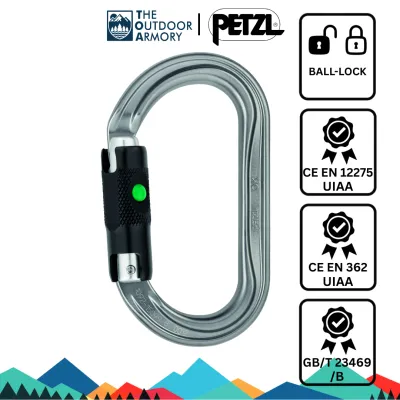
When choosing a locking mechanism for multi-pitch environments, you must weigh the trade-offs between speed and manual control. Screwgate carabiners are highly reliable, simple to operate, and perform exceptionally well in dirty or sandy conditions because they lack complex internal spring mechanisms that can jam. However, they require the climber to manually spin the sleeve shut every time. Automatic locking systems, such as twist-lock or triple-action sleeves, lock instantly upon closing, reducing the risk of human error. The trade-off is that they can be more challenging to operate with one hand and require regular cleaning to prevent grit from seizing the spring-loaded sleeve.
Before heading to the crag, always verify the physical compatibility of your locking carabiners with your specific belay device and rope diameter. Some modern assisted-braking belay devices require carabiners with specific cross-sections or anti-rotation features to prevent the connector from flipping sideways (cross-loading) during a catch. Ensuring these components work in harmony is essential for maintaining a safe, functional belay system.
Performing Safety Inspections and Identifying Retirement Criteria
Climbing gear is subjected to intense physical forces, environmental moisture, and abrasive rock surfaces, making regular safety inspections a non-negotiable routine. Before every climbing session, perform a thorough visual and tactile inspection of every carabiner on your rack. Start by checking the gate action: open the gate fully and release it to ensure it snaps shut quickly and completely under its own spring tension. For locking models, verify that the locking sleeve rotates smoothly along the entire length of its threads or tracks without sticking or binding.
Examine the metal body of the carabiner for physical wear, paying close attention to the areas where the rope runs and where the frame contacts metal hangers. Over time, rope friction can wear deep grooves into the aluminum basket. If you detect a groove that is deep enough to feel with your fingernail, or if it has reached the manufacturer’s specified wear limit (typically around 1 mm of depth), the carabiner must be retired immediately. Look closely for any signs of hairline cracks, sharp edges, deep gouges, or significant corrosion, especially if you climb in humid, tropical, or coastal regions where salt air can accelerate oxidation.
Retire any carabiner that fails to meet safety standards immediately to prevent accidental use. Non-negotiable retirement conditions include gates that do not close completely, cracked frames, malfunctioning locking mechanisms, or gear that has been exposed to harsh chemicals, battery acid, or extreme heat. Remember that climbing equipment is a critical safety link; regular maintenance and inspections are vital, but no piece of gear can ever substitute for proper climbing training, thorough partner checks, and sound risk assessment on the rock.
Verifying Load Ratings and Compatibility Before Purchase
Before purchasing any new carabiner, you must understand how to read and interpret the safety specifications stamped onto the gear. Every certified climbing carabiner features load ratings engraved on its spine, measured in kilonewtons (kN). These markings indicate the minimum breaking strength under three distinct loading scenarios: the major axis (gate closed, loaded end-to-end), the minor axis (gate closed, loaded side-to-side), and the open gate configuration. Always verify that these ratings meet or exceed the standards required for your specific climbing activities.
Safety certifications are your guarantee that the equipment has undergone rigorous testing. Look for the CE (Conformité Européenne) and UIAA (International Climbing and Mountaineering Federation) logos stamped on the carabiner spine or printed on the official packaging. These markings confirm that the product complies with international safety standards for mountaineering equipment. You can cross-reference these certifications by checking the official Petzl technical documentation and user manuals available online.
Whenever possible, visit a local outdoor specialty shop to handle the carabiners in person before making a final decision. Testing the gate tension, checking how the frame fits your hand, and practicing clipping with your preferred rope thickness can provide valuable insights that specifications alone cannot convey. If you choose to purchase from an online marketplace, ensure you are buying from authorized retailers who provide clear return policies and authenticity guarantees. This protects you from counterfeit products and ensures you receive genuine, factory-certified safety equipment. When browsing local retail options in the Philippines, you can expect to see prices marked in ₱, allowing you to budget accurately for your gear upgrades.
Frequently Asked Questions (FAQ)
Can I use the same Petzl carabiner for both belaying and clipping quickdraws?
No, you should not use the same carabiner for both tasks due to significant differences in design and safety requirements. Belaying requires a dedicated locking carabiner, typically an HMS or pear-shaped model, which is designed to handle the wide profile of belay devices and prevent accidental gate opening. Quickdraws utilize non-locking carabiners (straight and bent gates) that are optimized for rapid clipping and are not safe for belaying because they lack a locking sleeve. Using a non-locking carabiner for belaying introduces a high risk of the rope accidentally unclipping or cross-loading the gate during a fall.
How should I clean my Petzl carabiners after climbing near the ocean?
Climbing near coastal cliffs exposes your gear to highly corrosive salt air and sand, requiring immediate cleaning to prevent damage. Begin by rinsing the carabiners thoroughly in warm, clean fresh water to dissolve salt deposits and wash away grit. If the gate or locking sleeve is sticky, you can use a mild, non-detergent soap and a soft brush to clean the pivot points. After washing, dry the carabiners completely with a clean towel and store them in a well-ventilated area away from direct heat. Once dry, apply a small drop of a recommended lubricant to the gate pivot and locking sleeve threads, wiping away any excess to avoid attracting dirt, in accordance with official Petzl care instructions.
Do wiregate carabiners freeze less easily than solid gates in alpine conditions?
Yes, wiregate carabiners are significantly less prone to freezing shut in cold, alpine environments compared to solid-gate models. Because wiregates have much lower physical mass, they do not retain cold temperatures as easily, which reduces the rate of ice accumulation on the metal. Additionally, wiregate designs do not rely on an internal spring chamber in the pivot point, which is a common area where water can collect, freeze, and jam a solid gate shut. While wiregates offer superior performance in freezing conditions, climbers should always verify the specific model’s intended temperature range and alpine suitability before embarking on cold-weather expeditions.
Community discussion
Share your experience or ask a question. Comments are reviewed before publication.