
Selecting the right plyo box for a compact condominium home gym requires balancing training versatility with strict spatial limits. In a typical high-rise residence where floor space is at a premium, a 3-in-1 soft foam plyo box is generally the most practical choice. This design provides three distinct training heights within a single physical footprint, while the cushioned exterior protects both your shins and your condo’s walls and floors from accidental damage. By understanding how to measure your space and evaluate different box designs, you can maintain an intense plyometric routine without overcrowding your living area.
Assessing Your Available Space and Safety Clearances
Before purchasing any fitness equipment, you must accurately measure your dedicated workout zone. In a condominium, space is defined not just by floor area but also by vertical clearance. Many high-rise units feature ceiling heights ranging from 2.4 to 2.7 meters. If you are jumping onto a high platform, you must calculate your total height at the peak of your jump to prevent head strikes against concrete ceilings, low-hanging light fixtures, or active ceiling fans. Always measure the distance from the floor to the lowest ceiling obstacle before deciding on a maximum box height.
Safety clearances around the equipment are equally critical for preventing injuries. A plyo box should never be placed flush against a wall, glass balcony door, or furniture during use. You need a safety buffer of at least 1 to 1.5 meters of clear space on all sides of the box. This clearance zone accounts for the forward momentum of your takeoff, provides room to step down safely, and gives you a landing margin if you overshoot or lose your balance.
Products mentioned in this guide
Prices are valid at publication and may change. Please refer to the product page for the latest price.
Additionally, consider the flow of daily traffic within your home. The workout zone must not block primary walkways, entryways, or emergency exit routes. If your condo layout requires you to set up and tear down your gym space for every session, ensure the path from your storage area to your workout zone is free of tight corners and delicate household items.
Comparing Plyo Box Types for Limited Spaces
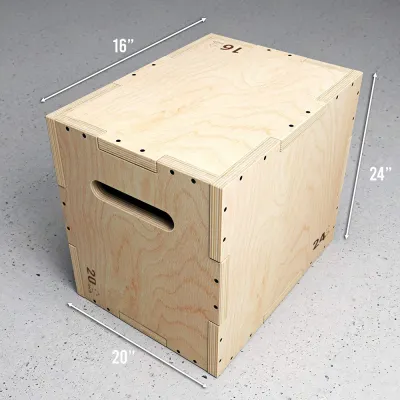
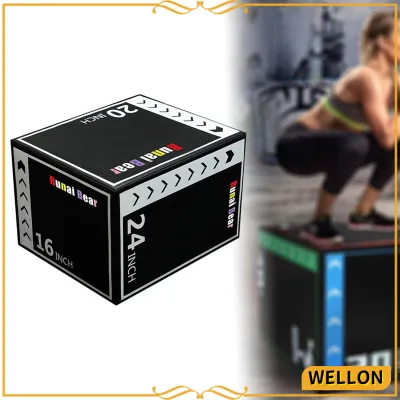
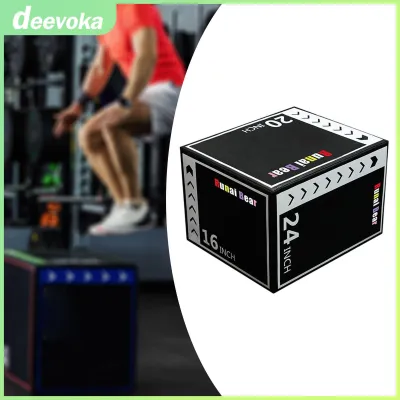
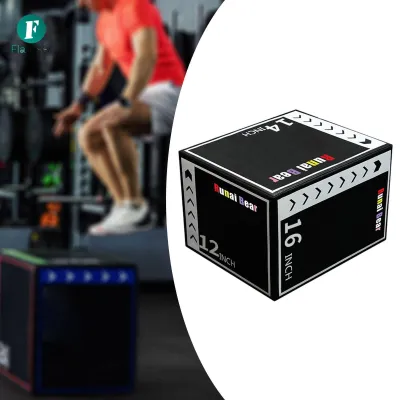
When space is limited, the design of your plyo box dictates how easily it integrates into your home. A 3-in-1 adjustable box is highly efficient for small spaces. By rotating the box onto different sides, you can access three standard training heights—typically 20, 24, and 30 inches, or a smaller 16, 20, and 24 inches. This multi-sided utility eliminates the need to buy and store multiple single-height platforms, saving both floor space and budget.

Fixed-height single boxes, such as steel platform stands, often have a smaller individual footprint and can sometimes be nested if you own a set. However, a single fixed box limits your training progression. Once you outgrow that specific height, the equipment becomes obsolete for progressive overload unless you purchase another unit, which ultimately consumes more of your limited floor area.
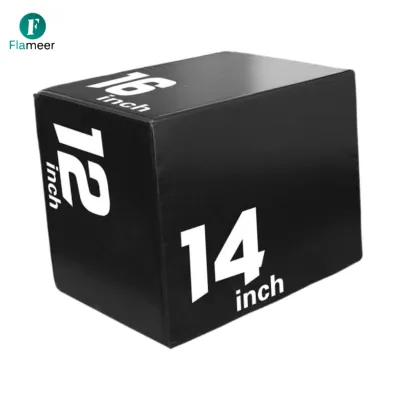
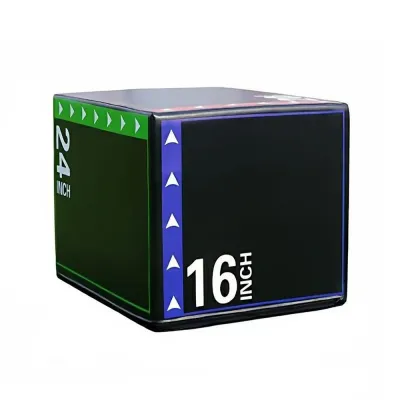
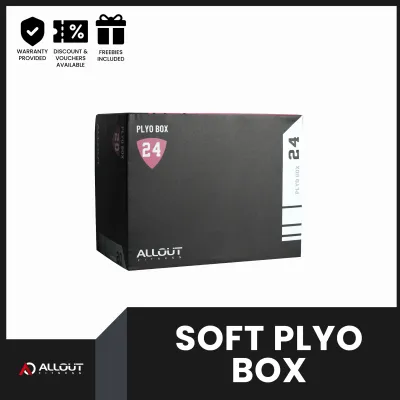
Soft foam plyo boxes are highly recommended for tight condo spaces. Constructed with a high-density foam core and wrapped in a durable vinyl cover, these boxes offer a forgiving landing surface. If you miss a jump, the soft edges prevent severe shin scrapes and bruises. Furthermore, if a foam box tips over, it will not dent your drywall, chip your floor tiles, or shatter nearby glass fixtures. When selecting a foam box, verify that the vinyl cover is slip-resistant and easy to clean, as tropical humidity can make smooth surfaces slick with sweat.
Stackable or foldable alternatives are also available on the market. Stackable soft blocks allow you to customize heights by securing layers together with hook-and-loop straps, though they require more storage space when disassembled. Foldable metal frames with rubber tops can be folded flat and slid under a bed or sofa, but you must carefully check their locking mechanisms and weight capacity ratings to ensure they remain completely stable under dynamic, high-impact forces.
Matching Box Dimensions to Your Training Needs
Selecting the right dimensions requires matching the box to your current fitness level and training goals. Standard plyo box heights generally range from 16 to 30 inches. Beginners, or those focusing on high-rep cardiovascular conditioning and lateral step-ups, should opt for lower heights like 16 or 20 inches. Advanced athletes training for explosive power may require a 24- or 30-inch platform. Choosing a box that matches your actual physical capabilities prevents missed jumps and reduces the risk of high-impact landing injuries.
The surface area of the landing platform is a critical safety factor that should never be compromised for the sake of saving space. A landing surface that is too narrow increases the likelihood of stepping off the edge during high-speed workouts. Ensure the top platform is wide and deep enough to accommodate both of your feet fully in a comfortable, shoulder-width stance. A standard landing surface of at least 16 by 20 inches is recommended for basic stability.
Finally, always verify the manufacturer’s stated weight capacity and structural stability. Dynamic jumping forces exert much more pressure on a box than static weight. A high-quality plyo box must be rated to support your body weight multiplied by the velocity of your jump. Lightweight or poorly constructed boxes can slide, wobble, or slide across smooth floors when landed on at an angle, posing a severe safety risk.
Space-Saving Placement and Storage Strategies
Integrating a plyo box into a small condo requires creative storage and placement strategies. When your workout is complete, position the box against a solid wall or tuck it into an unused corner. Because of their flat surfaces, wooden or firm foam plyo boxes can easily double as functional furniture when not in use, serving as a temporary side table, a plant stand, or extra seating for guests in a studio apartment.
If you choose a hollow wooden 3-in-1 box, you can utilize the interior space for storage. Many fitness enthusiasts use the hollow core of a wooden box to store smaller, loose gym accessories such as resistance bands, jump ropes, yoga blocks, or hand weights. This dual-purpose utility helps keep your living space organized and free of fitness clutter.
To maintain a clean and safe living environment, establish a consistent post-workout routine. High humidity in tropical climates can cause sweat to linger, leading to mold, mildew, or unpleasant odors on foam covers and warping in wooden boxes. Always wipe down the exterior surfaces with a damp cloth and a mild disinfectant after each session. When moving the box, lift it completely rather than dragging it across the floor to prevent scuffing your flooring or damaging the corners of the equipment.
Frequently Asked Questions (FAQ)
Will a wooden plyo box damage my condo flooring?
Yes, a heavy wooden plyo box can easily scratch, dent, or crack common condo flooring materials such as ceramic tiles, engineered hardwood, or luxury vinyl planks. The sharp edges of a wooden box, combined with the high-impact force of jumping, can cause permanent structural damage to your floors, potentially costing you thousands of ₱ in repairs or security deposit deductions.
To protect your flooring, always place a high-density rubber gym mat or interlocking rubber tiles beneath the plyo box. The rubber barrier absorbs the impact energy, prevents the box from sliding during explosive movements, and dampens the structural vibrations that can travel through the floor and disturb your neighbors downstairs.
Can I build my own plyo box to fit an exact space?
You can build a custom plyo box to fit a specific nook in your condo, provided you use high-quality, load-bearing materials and proper construction techniques. A DIY box should be constructed from sturdy material, such as 3/4-inch cabinet-grade plywood, and must include internal center bracing to prevent the top and sides from collapsing under dynamic weight.
However, you must never reduce the landing surface area below safe standard dimensions simply to make the box fit into a tight corner. A landing platform that is too small significantly increases your risk of falling. If you choose to build your own, prioritize structural integrity, use heavy-duty wood glue alongside pocket screws, and thoroughly sand all edges to prevent splinters.
Community discussion
Share your experience or ask a question. Comments are reviewed before publication.