
To select the ideal pompoms for the University Athletic Association of the Philippines (UAAP) and other major school cheer competitions, you must balance high-impact visual projection with the rigorous physical demands of elite-level routines.
In the highly competitive Philippine cheerleading landscape, where routines feature rapid transitions, high-flying stunts, and intense dance segments, your choice of equipment directly influences both performance safety and overall score.
The tropical climate adds another layer of complexity, requiring materials that resist humidity and handles that maintain grip despite heavy perspiration. By focusing on rule compliance, material durability, role-specific designs, and proper maintenance, coaches and pep squad managers can ensure their teams perform with confidence and visual precision.
Products mentioned in this guide
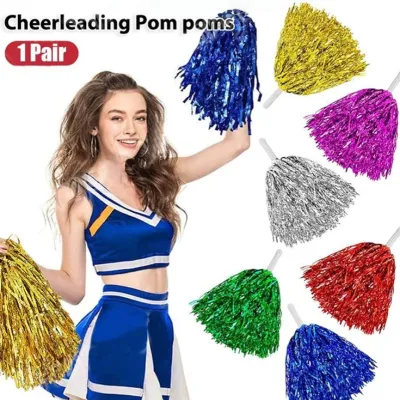
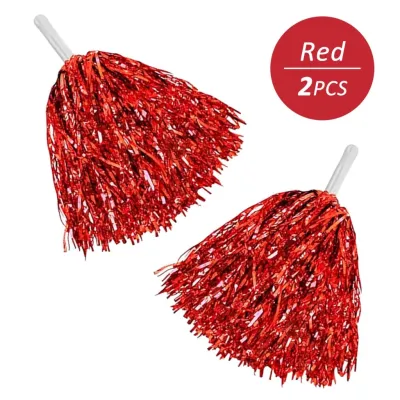
Prices are valid at publication and may change. Please refer to the product page for the latest price.
Choosing the right gear is not merely about matching school colors; it is about optimizing the athletic execution of every motion. A pompom that is too heavy can cause premature shoulder fatigue during a high-energy routine, while one that is too sparse will fail to deliver the visual impact required to impress the judges from the far side of a massive coliseum.
Furthermore, because cheerleading involves high-risk aerial stunts and pyramids, the physical design of the pompom must never compromise the safety of the athletes. Understanding how to evaluate these factors ensures that your investment supports both the aesthetic goals and the physical safety of your squad.
Understanding Competition Standards and Rules
Before purchasing any equipment for a competitive pep squad, you must thoroughly review the official rulebooks of the relevant athletic association, such as the UAAP or the National Collegiate Athletic Association (NCAA). These governing bodies, often aligned with international cheerleading federations, enforce strict guidelines regarding the size, weight, and material composition of hand-held props.
Rules typically specify a maximum allowable strand length and overall diameter to prevent props from obstructing the view of the judges or interfering with neighboring athletes on the performance mat. Failing to comply with these dimensional limits can result in costly point deductions or immediate disqualification before the routine even begins.
Venue-specific regulations also play a critical role in your selection process. Major indoor arenas in the Philippines feature intense overhead broadcast lighting systems that interact dynamically with reflective surfaces. Some competition guidelines restrict the use of highly reflective metallic foils or loose glitter coatings that can create blinding glare for the judges, television cameras, or the athletes themselves.
A sudden flash of reflected light can momentarily blind a base or flyer during a critical release move, posing a severe safety hazard. Additionally, venues often ban materials that shed excessively or leave residue on the hardwood courts or safety mats, as loose strands can cause athletes to slip during high-velocity tumbling passes.
Finally, institutional branding and color-matching requirements must be strictly respected. Philippine universities guard their official color schemes fiercely, and any deviation can detract from the visual unity of the performance.
When sourcing pompoms, do not rely solely on digital product photos, which can be distorted by screen calibration. Instead, cross-reference physical material swatches with your university’s official color guidelines. Ensuring an exact match between your pompoms, uniforms, and team banners creates a cohesive, professional presentation that resonates with both the judges and the school community.
Key Features to Evaluate for Performance and Visual Impact
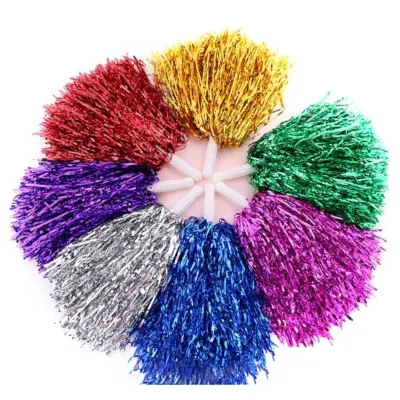
When evaluating pompoms for competitive use, the choice of material is the primary factor determining both visual impact and durability. Metallic foil strands are highly favored for their brilliant sparkle and superior light reflection, making them stand out exceptionally well under arena spotlights.

However, foil can be heavier than synthetic alternatives and is prone to permanent creasing if crushed. On the other hand, plastic or vinyl strands offer excellent durability, shape retention, and resistance to moisture, though they lack the intense reflectivity of metallic options.
Many elite squads utilize a hybrid blend, combining metallic and plastic strands to achieve a balance of high-gloss shine and structural resilience. This combination ensures the props remain lightweight while still catching the light effectively during complex formations.
Strand density, length, and core fullness are equally critical to the overall aesthetic of the routine. A high-quality competition pompom should feature a dense, multi-layered core that forms a perfect sphere when shaken out.
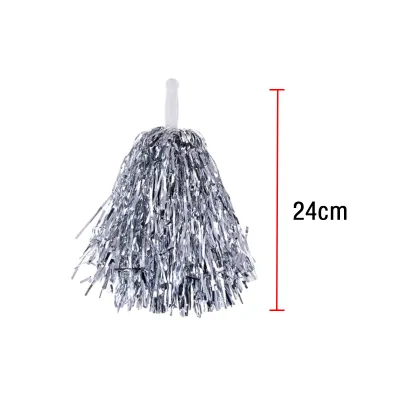
Sparse pompoms look flat and limp during rapid arm motions, such as high-Vs and T-motions, which diminishes the sharp, synchronized visual effect that judges look for. The standard strand length must be selected based on the average physical build of your athletes; strands that are too long can wrap around wrists or obscure hand placements, while strands that are too short may fail to create the desired visual volume from a distance.
The handle design is perhaps the most critical ergonomic feature for the performing athlete, especially in the hot and humid conditions typical of Philippine training venues. Common handle styles include plastic dowels, baton handles, and hidden loop or strap grips.
Baton handles, which feature a solid bar in the center of the pompom, offer excellent wrist mobility and allow for quick rotations. In tropical climates, handles must be made of slip-resistant, non-porous materials that do not become slick when exposed to sweat.
Some coaches wrap baton handles with high-grip athletic tape to ensure a secure hold during high-velocity dance sequences, preventing accidental drops that can disrupt the synchronization of the routine.
Matching Pompom Types to Cheer Roles and Routines
In competitive cheerleading, equipment cannot replace proper physical conditioning, technical training, or spotter judgment. Because routines involve high-risk stunts, pyramids, and tosses, safety must always be the primary consideration when assigning pompoms to different roles within the squad.
Athletes must be fully aware of their physical limits and the specific stop conditions of a routine—such as wet hands, loose floor mats, or unstable bases—where props must be immediately discarded to prioritize physical safety.
Front-line visual performers and dance specialists should be outfitted with larger, high-density pompoms to maximize crowd impact and stage presence. These athletes focus primarily on ground-level choreography, sharp motion sequences, and formations where the primary goal is to create massive blocks of color and movement.
For these roles, the added weight of a fuller, metallic-heavy pompom is a worthwhile trade-off for the dramatic visual payoff. The larger volume helps fill the performance space, making the squad appear larger and more dynamic to the audience and judging panel.
Conversely, back-row performers, tumblers, and those executing rapid transitions require lighter, more compact options. Tumblers must be able to transition seamlessly from holding props to executing complex aerial maneuvers like round-offs, handsprings, and tucks.
For these athletes, bulky pompoms are a hazard. They require smaller, lightweight designs that can be easily held in one hand or quickly discarded at designated moments in the music.
Some modern routines utilize quick-release wrist straps or low-profile loop handles that allow tumblers to keep the props secured to their wrists without interfering with their hand placement on the safety mats.
For flyers and bases engaged in stunts and pyramids, the use of pompoms must be managed with extreme caution. Flyers should generally avoid holding traditional baton-handle pompoms during complex transitions, as they can snag on a base’s uniform, hair, or fingers, leading to unstable mounts or dangerous falls.
If pompoms must be featured in a stunt sequence, flyers should use specialized, soft-loop models that allow their hands to remain completely free to establish secure grip contact with their bases.
Bases must never attempt to catch or support a flyer while holding pompoms, as this severely compromises their grip strength and reaction time. If a transition requires a base to hold a prop, the choreography must include a clear, dedicated window to safely discard the pompoms before the stunt is initiated.
Building Your Team Shortlist: What to Look for When Buying
When you are ready to build a procurement shortlist for your school or university squad, the first step is to request physical samples from potential suppliers. Never commit to a bulk order based solely on catalog descriptions or online listings.
Once the samples arrive, conduct rigorous physical testing during a live practice session. Have your athletes perform high-velocity arm motions, mock transitions, and basic dance sequences to evaluate the grip comfort, weight distribution, and initial shedding rates.
A pompom that sheds excessively during a simple warm-up is a poor investment and a potential safety hazard on the competition floor.
Negotiating custom color blends and verifying minimum order quantities (MOQs) are essential steps in managing your team’s ₱ budget. Most professional suppliers offer customization options, allowing you to mix specific percentages of metallic, holographic, and vinyl strands to match your school’s exact branding.
Be sure to clarify the supplier’s MOQ policies, as ordering custom colorways often requires a larger commitment. When calculating costs, factor in the price of spare units.
A squad of thirty athletes should always order at least five to ten extra pairs of pompoms to account for wear and tear, accidental damage, or last-minute roster changes during the competitive season.
Finally, you must plan your procurement timeline with a generous buffer for manufacturing and shipping. Custom-made competition gear can take several weeks to produce, especially during the peak cheer season when suppliers face high demand.
Additionally, international shipping to the Philippines can be subject to customs delays. Ensure your order is placed at least two to three months before your first scheduled competition.
This timeline allows ample time for the necessary pre-competition break-in period, during which athletes can acclimate to the weight, balance, and grip of the new equipment, ensuring flawless execution when it matters most.
Care, Storage, and Maintenance for Competition Gear
Proper care and maintenance are vital to extending the lifespan of your competition gear and keeping it looking vibrant throughout the season. In the tropical climate of the Philippines, high humidity and heat can cause moisture to build up on equipment, leading to mold, mildew, or the premature degradation of metallic coatings.
To prevent this, never store damp pompoms in airtight plastic bags or sealed containers immediately after a grueling practice. Instead, transport them in breathable mesh bags and store them in well-ventilated, crush-proof containers or hanging garment bags.
This allows air to circulate freely, keeping the strands dry and preventing permanent matting or flattening.
Cleaning your pompoms requires a gentle, non-chemical approach to protect the delicate finishes of the strands. Avoid using harsh household detergents, alcohol-based sprays, or heat sources like hair dryers, which can melt plastic strands or cause metallic foils to peel and discolor.
To remove dust, sweat, or debris, gently shake the pompoms outdoors or wipe the handles with a damp microfiber cloth. If the strands become tangled or static-charged, lightly mist them with clean water and gently comb through them with your fingers.
Allow them to air dry completely in a shaded, cool area away from direct sunlight, which can fade vibrant school colors over time.
Conducting regular pre-competition inspections is a non-negotiable safety practice for any serious cheer program. Before every performance, designate a team captain or manager to inspect each pair of pompoms.
Check the central binding—usually a heavy-duty cable tie or wire wrap—to ensure it remains tight and secure; a loose binding can cause dozens of strands to fly out mid-routine, creating a slip hazard on the mat.
Use sharp scissors to trim any frayed, bent, or excessively long strands that look untidy. By maintaining a strict inspection and care routine, you protect your financial investment and ensure your squad steps onto the competition floor looking polished, professional, and ready to win.
Frequently Asked Questions (FAQ)
Can we use metallic pompoms in all university competition venues?
While metallic pompoms are widely accepted in most Philippine university cheer competitions, their use is subject to specific venue and tournament rules. Under the intense overhead lighting of major indoor arenas, highly reflective metallic foils can create significant glare that may distract judges or temporarily impair the vision of athletes performing high-risk aerial stunts. Before finalizing your purchase, coaches must cross-reference the official tournament guidelines and venue rules to ensure there are no restrictions on reflective materials or specific handle designs that could scratch the performance floor.
How do we prevent metallic strands from shedding during intense routines?
To minimize shedding, avoid crushing, bending, or tightly packing the pompoms during storage, as physical stress weakens the foil strands at the central connection point. Before their first official use, give new pompoms a vigorous shake outdoors to release any loose manufacturing debris. Store them hanging or loosely packed in breathable containers to reduce friction, and regularly inspect the central binding to ensure it remains tightly secured.
Community discussion
Share your experience or ask a question. Comments are reviewed before publication.