
Choosing the right punching bag for a home setup in the Philippines depends entirely on balancing your training goals with your physical space, structural limits, and living arrangements. Whether you are setting up a training corner in a high-rise condo in Metro Manila or utilizing a shaded garage space, the key is matching the bag’s mounting style and footprint to your floor area and ceiling strength. By evaluating your space before making a purchase, you can ensure a safe, effective, and non-disruptive workout environment.
Assessing Your Available Training Space
Before browsing online marketplaces for a punching bag, grab a tape measure to map out your training zone. You need to account for both the static footprint of the equipment and the dynamic space required when you are moving and striking. A good rule of thumb is to allow a clear circular radius around the bag so you can practice footwork without colliding with walls or furniture.
For hanging setups, the swing radius is the most critical measurement. A heavy bag does not just hang straight down; it sways significantly under the impact of kicks and punches. Measure at least 1.5 to 2 meters of clear space in every direction from the mounting point to prevent the bag from crashing into windows, televisions, or delicate household items.
Products mentioned in this guide

![[2023 New] EVERLAST Boxing Punching Bag for Adults Black PU Leather Heavy Duty MMA Training With Free Gloves](https://img.lazcdn.com/g/p/d30681ff0343b6c727f903cea5a0c6f2.jpg_400x400q80.jpg_.webp)
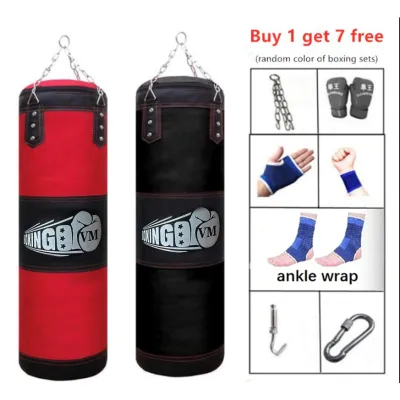
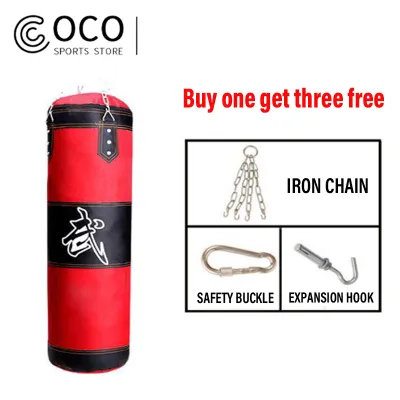
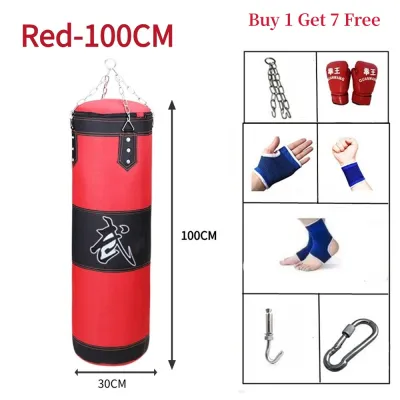
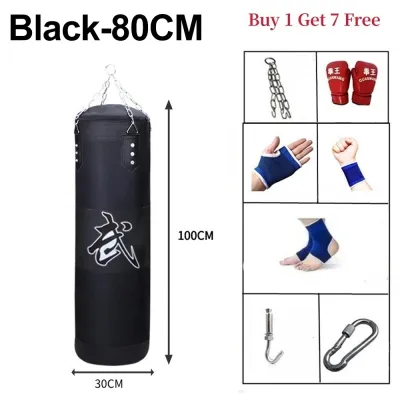

Prices are valid at publication and may change. Please refer to the product page for the latest price.
Ceiling height and structural integrity require careful inspection. Standard residential ceilings in modern Philippine homes and apartments often range from 2.4 to 2.7 meters. You must locate solid structural joists or concrete beams rather than drilling directly into thin drywall or plaster ceilings, which cannot support the dynamic load of a swinging bag.
Floor space is equally vital for freestanding units. While these do not require ceiling mounts, their bases are often wide and heavy. You need to ensure the floor is level and has enough clearance for you to step, slip, and roll around the base without tripping.
Do not forget to measure your doorways, hallways, and elevator clearances before ordering. Large freestanding bases or heavy filled bags can be incredibly bulky and difficult to maneuver through tight condo corridors or narrow stairwells. Verifying these dimensions beforehand saves you the frustration of receiving equipment that cannot physically enter your home.
Comparing Punching Bag Types by Space Requirements
Different punching bag designs cater to distinct spatial constraints and structural realities. Understanding how each type interacts with your home layout allows you to maximize your training efficiency without risking structural damage or cluttering your living area.

Hanging Heavy Bags
Traditional hanging heavy bags offer the classic boxing experience, but they demand the most rigorous structural support. To determine if your space can accommodate one, compare your ceiling height to the combined length of the bag, its chains, and the mounting bracket. The bottom of the bag should ideally align with your hips or thighs for proper kick and punch distribution.
Before drilling, you must verify the weight capacity of your ceiling joists or overhead beams. A standard heavy bag can weigh anywhere from 30 to over 50 kilograms, and the dynamic force generated during a workout multiplies this load significantly. If you are unsure about the load-bearing capacity of your wooden joists, consulting a local structural engineer or contractor is highly recommended.
Managing the permanent swing radius means accepting that a hanging bag will occupy a fixed zone in your room. Even when not in use, it remains a central fixture unless you unhook it, which can be physically demanding. Ensure this permanent placement does not block primary walkways or interfere with daily household activities.
Freestanding Punching Bags
Freestanding punching bags are highly popular for Philippine homes, especially rental properties and condominiums where drilling into walls or ceilings is strictly prohibited. These units rely on a wide, hollow base filled with sand or water to remain upright during intense training sessions.
When planning your layout, measure the diameter of the base, which typically ranges from 50 to 70 centimeters, and add at least one meter of clearance around it for safe movement. A major advantage of freestanding bags is their portability; many models are designed to be tilted and rolled into a corner or a storage closet when your workout is finished.
Floor surface compatibility is a key consideration for these heavy bases. Hardwood, laminate, or tile floors can easily scratch, dent, or crack under the shifting weight of a freestanding bag. Placing a high-density protective mat beneath the base is essential to distribute the weight and absorb vibrations.
To ensure stability, always fill the base according to the manufacturer’s exact specifications. While water is easier to fill and drain, dry sand provides superior weight and reduces base sliding during heavy striking.
Angle Bags and Body Opponent Bags
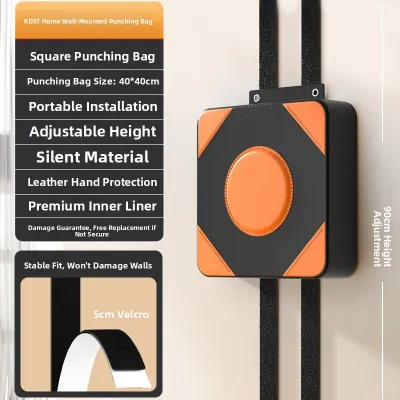
If you have irregular spaces or specific training goals like practicing uppercuts and head movement, specialized bags offer excellent space-saving alternatives. Angle bags, which feature a wider top and a narrower bottom, can be mounted on wall brackets to keep the floor area completely clear.
Wall-mounted brackets for angle bags are ideal for narrow corridors, garages, or dedicated gym rooms. By securing the bracket to a solid concrete wall, you eliminate the need for overhead ceiling mounts while still enjoying a highly stable striking surface that does not swing wildly.
Body Opponent Bags (BOB) feature a lifelike torso mounted on a freestanding base, making them excellent for target-specific training in tight corners. Because they do not swing like traditional bags, their required clearance zone is much smaller, allowing you to tuck them into a corner of a bedroom or office.
Many of these specialized units feature adjustable height mechanisms. This allows you to customize the vertical clearance based on your ceiling height and personal reach, ensuring a comfortable workout even in rooms with low overhead clearance.
Installation Safety and Space-Saving Adjustments
Safety should always be your top priority when installing heavy fitness equipment at home. If you are uncertain about your ceiling’s load limits or the composition of your walls, always consult a professional builder or structural technician before attempting installation.
For those who want a hanging bag but cannot drill into the ceiling, foldable wall mounts or heavy-duty multi-function power racks are excellent alternatives. These racks can be placed in a garage or a spacious room, providing a stable hanging point without damaging your home’s structure.
During your workouts, establish clear stop conditions to prevent accidents. If you notice the mounting bracket shifting, hear unusual creaking noises from the ceiling, or see plaster dust falling, stop training immediately and inspect the hardware.
To keep your active training area safe and clutter-free, plan a dedicated storage zone nearby. Keep your boxing gloves, hand wraps, jump ropes, and cleaning supplies organized on a small shelf or in a ventilated bin to prevent moisture buildup and maintain a tidy home environment.
Frequently Asked Questions (FAQ)
Can I mount a hanging bag in a condo with concrete ceilings?
Mounting a hanging bag in a concrete condominium ceiling is structurally possible but requires strict adherence to building regulations and proper hardware. Many condo associations in the Philippines have strict guidelines regarding drilling into structural concrete slabs, as improper drilling can damage post-tension cables or utility conduits. Always obtain clearance from your building administration office before starting any work.
If permitted, you must use specialized heavy-duty concrete expansion anchors or sleeve anchors rather than standard wood screws. If drilling is prohibited or structurally risky, switching to a high-quality freestanding bag or utilizing a heavy-duty bag stand is the safest and most practical alternative.
How do I protect my floors from a heavy freestanding bag?
Protecting your floors from the intense friction and weight of a freestanding bag requires a dedicated barrier. High-density rubber mats or interlocking EVA foam tiles are highly effective at absorbing impact, reducing noise, and preventing the plastic base from scratching your tiles or wood flooring.
Ensure the protective matting extends at least 10 to 20 centimeters beyond the edge of the base to catch any slight shifting during use. Because the tropical climate in the Philippines can lead to high humidity, periodically lift the mat and the base to check for trapped moisture, which can damage wooden floors or cause mold growth underneath.
Community discussion
Share your experience or ask a question. Comments are reviewed before publication.