
Finding the right Raleigh road bike for your riding style in the Philippines requires balancing frame geometry, local road conditions, and your personal cycling goals. Whether you plan to navigate the bustling, pothole-ridden streets of Metro Manila for your daily commute, tackle the scenic but challenging climbs of Sierra Madre on weekends, or embark on long-distance tours across provincial highways, your bike must match your physical needs and riding environment. Raleigh offers a diverse lineup of road bikes designed for different purposes, ranging from comfortable endurance models to classic steel tourers and agile fitness bikes. By understanding how these designs align with your intended use, you can make an informed decision that ensures comfort, efficiency, and long-term durability.
Understanding Raleigh's Road Bike Geometry and Frame Types
To choose the right road bike, you must first understand how frame geometry and materials influence your riding experience. Bike geometry dictates your body position, which directly affects your comfort, aerodynamics, and control. Raleigh categorizes its road frames into distinct geometry profiles, primarily distinguishing between endurance-focused designs and more aggressive, race-oriented setups.
Endurance geometry is engineered for long-distance comfort and stability. These frames feature a taller stack height and a shorter reach, which positions your torso in a more upright angle. This posture reduces strain on your lower back, neck, and shoulders, making it ideal for riders who plan to spend hours in the saddle or navigate unpredictable city traffic where visibility is crucial. Conversely, race geometry features a lower stack and longer reach, forcing your body into a tucked, aerodynamic position. While this reduces wind resistance and increases speed, it demands greater core strength and flexibility, and may feel fatiguing on rougher roads.
Products mentioned in this guide
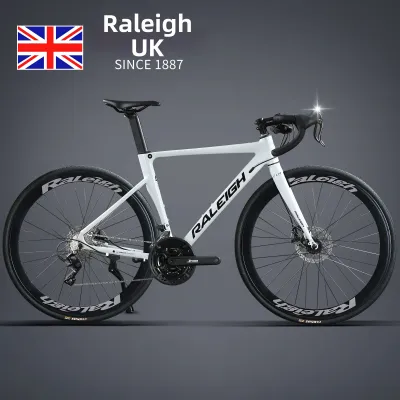
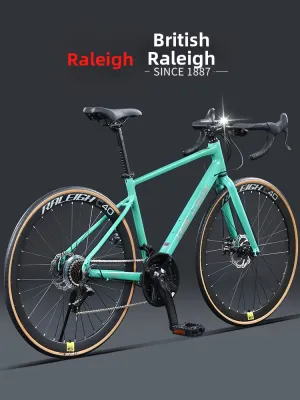
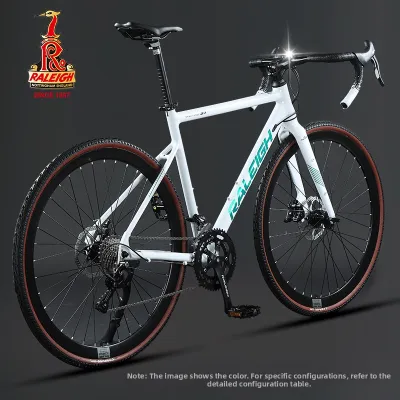
Prices are valid at publication and may change. Please refer to the product page for the latest price.
Frame materials also play a critical role in how a bike handles road vibrations and carries weight. Aluminum frames are highly popular for their excellent strength-to-weight ratio and affordability. Modern aluminum frames often utilize hydroformed tubing to optimize stiffness where needed while keeping the overall weight manageable. Carbon fiber frames, on the other hand, offer superior vibration damping and a lighter overall weight, which can significantly reduce fatigue on long rides. However, carbon fiber requires more careful handling and has strict torque specifications for components. Classic steel frames remain a favorite for touring and commuting due to their legendary durability, smooth ride quality, and ability to carry heavy loads without compromising frame integrity.
Before making a purchase, it is essential to check the manufacturer’s official geometry charts. Pay close attention to the stack and reach measurements rather than relying solely on generic frame sizes like “Medium” or “54cm.” Comparing these measurements to a bike that already fits you well, or consulting a professional bike fitter, ensures you select a frame that accommodates your body’s proportions and flexibility limits.
Matching the Bike to Your Specific Riding Purpose
Selecting the ideal road bike is not just about choosing the most expensive model; it is about aligning the bike’s specific design features with your primary cycling activities. Different riding environments demand distinct configurations to ensure safety, efficiency, and enjoyment.

Daily Commuting and Urban Fitness
For those using a Raleigh road bike for daily commuting or urban fitness, durability and versatility are paramount. City streets present unique challenges, including sudden potholes, wet asphalt, and heavy traffic. To navigate these conditions safely, look for models that offer wider tire clearance. Standard road bikes often use narrow tires, but a commuter-friendly frame should accommodate tires that are 28mm or wider. Wider tires can run at lower pressures, providing better traction on slippery surfaces and absorbing harsh road vibrations more effectively.
Additionally, verify that the frame includes dedicated mounting points for racks and fenders. Fenders are indispensable during the rainy season in the Philippines, preventing muddy road spray from ruining your work clothes and protecting your bike’s drivetrain from grit. Rack mounts allow you to install panniers, shifting the weight of your laptop, change of clothes, and tools from your back to the bike frame, which lowers your center of gravity and improves stability.
An endurance or fitness-oriented geometry is highly recommended for urban environments. The more upright riding position keeps your head elevated, giving you a clearer view of surrounding traffic, pedestrians, and potential road hazards. Finally, check the specifications of the stock tires. Commuting demands high puncture resistance, so look for tires featuring reinforced casing or consider upgrading to puncture-resistant models to minimize the risk of flat tires during your morning rush.
Weekend Group Rides and Long-Distance Cycling
If your goals involve weekend group rides, exploring provincial scenic routes, or completing long-distance endurance events, your priorities should shift toward efficiency, comfort, and gear range. Long hours in the saddle require a bike that actively dampens road buzz and maintains a smooth, predictable line.
Target Raleigh’s endurance series models, which often incorporate compliance-focused frame designs. These frames are engineered to flex slightly in specific areas, such as the seat stays, to absorb high-frequency vibrations from rough provincial asphalt without sacrificing pedaling efficiency. Models equipped with a carbon fiber fork are particularly beneficial, as carbon naturally dampens road vibrations before they reach your hands, reducing numbness in your fingers and wrists over long distances.
The terrain in the Philippines varies dramatically, from flat coastal roads to steep mountain passes like those in Antipolo, Tagaytay, or the Cordillera region. Therefore, you must carefully evaluate the bike’s gear ratios. Look for a compact drivetrain setup, typically featuring a 50/34T chainring combination paired with a wide-range cassette, such as an 11-32T or 11-34T. This provides a generous selection of low gears, allowing you to maintain a comfortable pedaling cadence on steep climbs without straining your knees or exhausting your muscles early in the ride.
Ergonomics also play a vital role in long-distance comfort. Pay close attention to the saddle shape and handlebar width. A saddle that is too wide or too narrow can cause painful chafing and numbness, while handlebars that do not match your shoulder width can lead to neck and upper back pain. Plan to test these touchpoints during your initial rides and adjust them as necessary to support your natural riding posture.
Key Components and Specifications to Verify Before Buying
A road bike’s performance, reliability, and maintenance requirements are largely determined by its components. Understanding how to read a manufacturer’s specification sheet allows you to evaluate whether a bike offers good value for your budget and matches your skill level.
The drivetrain, or groupset, is the heart of your bike’s mechanical system, encompassing the shifters, derailleurs, crankset, cassette, and chain. Groupsets are organized into tiers by manufacturers. Entry-level groupsets offer reliable shifting and durable construction but tend to be heavier and have fewer gear steps, such as 8-speed or 9-speed systems. Mid-range groupsets, often featuring 10-speed or 11-speed configurations, strike an excellent balance between weight, shifting precision, and gear steps, making them the sweet spot for enthusiast riders. High-end groupsets utilize advanced materials like carbon and titanium, offering ultra-lightweight performance and electronic shifting options, though at a significantly higher cost.
Braking systems are another critical specification to compare. Traditional rim brakes are lightweight, simple to maintain, and highly cost-effective. However, their stopping power can decrease significantly in wet weather, and they wear down the wheel rims over time. Disc brakes, available in both mechanical and hydraulic configurations, provide superior, consistent stopping power in all weather conditions, including heavy tropical downpours. Hydraulic disc brakes offer the best modulation and require less hand effort, but they are more complex to service and carry a higher price tag. Mechanical disc brakes offer a practical middle ground, combining the wet-weather reliability of disc systems with the simpler cable maintenance of rim brakes.
Do not overlook the quality of the wheelset. Wheels endure the brunt of road impacts, making their durability crucial for long-term reliability. Assess the wheel weight, spoke count, and hub quality. A higher spoke count (typically 24 to 32 spokes per wheel) increases wheel strength and durability, which is highly beneficial for heavier riders or those traversing rough roads. High-quality hubs with sealed cartridge bearings offer better resistance to water and dust entry, reducing the frequency of maintenance and ensuring a smoother roll.
When planning your purchase, establish a realistic budget in Philippine Pesos (₱). It is wise to look beyond the initial price of the bicycle itself. Factor in the cost of essential accessories and potential post-purchase upgrades. Many road bikes do not come with pedals, or only include basic plastic ones, so you may need to budget for dedicated flat pedals or a clipless pedal and shoe system. Additionally, allocate funds for a high-quality helmet, front and rear safety lights, a floor pump, a basic multi-tool, and a cycling computer or phone mount to track your rides. Setting aside a portion of your budget for these items ensures you are fully equipped and safe from day one.
Sizing, Fit, and Local Dealer Considerations
No matter how advanced or expensive a road bike is, it will not perform well or feel comfortable if it does not fit your body correctly. Achieving a proper fit is the single most important step in the buying process, as an incorrect size can lead to chronic pain, poor handling, and an increased risk of injury.
To determine your correct frame size, start by taking accurate physical measurements. Do not rely solely on your overall height, as torso and limb proportions vary widely. Measure your inseam length carefully while wearing your cycling shoes. Use these measurements in conjunction with Raleigh’s official sizing charts to identify a narrow range of potential frame sizes. Keep in mind that sizing can vary between different models within the brand’s lineup, so always verify the specific chart for the model you are considering.
Once you have narrowed down your size options, visit an authorized local dealer in the Philippines to conduct a physical inspection and test ride. A test ride is irreplaceable, as it allows you to confirm critical fit dimensions such as standover height—the clearance between your groin and the top tube when standing flat-footed over the bike—and reach. Pay attention to how the bike handles turns, how easily you can reach the brake levers from both the hoods and the drops, and whether the overall riding position feels natural.
Purchasing from an authorized local dealer also provides significant advantages regarding warranty support and after-sales service. Verify the specific warranty terms offered by the manufacturer for the frame and components, and ask the dealer about their in-house service policies. A professionally assembled bike ensures that all bolts are torqued to specification, gears are properly indexed, and brakes are aligned correctly. While purchasing online through e-commerce platforms can sometimes offer convenience, buying from a physical store ensures you have access to professional mechanics for initial tune-ups, warranty claims, and ongoing maintenance support, which is invaluable for keeping your road bike running smoothly for years to come.
Frequently Asked Questions (FAQ)
Are Raleigh road bikes suitable for beginners?
Yes, Raleigh road bikes are highly suitable for beginners, particularly those models designed with endurance or fitness geometry. These bikes offer a more upright riding position that is highly forgiving for new cyclists who may not yet have developed the core strength or flexibility required for aggressive race postures. The stable handling characteristics of endurance frames provide confidence-inspiring control, making it easier to learn cornering, braking, and shifting techniques. Beginners should look for entry-level component configurations that balance cost and reliability, such as durable aluminum frames paired with reliable, wide-range drivetrains. It is highly recommended to check local dealer stock to see which entry-level models are available for a test ride, ensuring you find a comfortable fit that encourages you to ride more often.
How do I maintain a Raleigh road bike in a tropical climate?
Maintaining a road bike in a tropical climate like the Philippines requires diligent care to combat high humidity, intense heat, and frequent rain. After riding in wet conditions, perform a routine cleaning to remove road grit, mud, and salt from the frame and components. Pay special attention to the drivetrain; degrease and reapply a high-quality lubricant regularly, opting for a wet-weather lube during the rainy season to prevent water from washing it away. Regularly inspect steel bolts, cables, and the chain for early signs of rust, and apply a light protective oil to vulnerable metal parts. Always store your bike in a dry, shaded indoor area away from direct sunlight and moisture. Finally, consult the manufacturer’s care manual for specific guidelines on cleaning and maintaining the frame materials and components to ensure long-term performance and durability.
Community discussion
Share your experience or ask a question. Comments are reviewed before publication.