
Selecting the correct resistance level for your physical therapy rubber band is a decision that directly impacts your recovery trajectory. The ideal tension level depends on your current rehabilitation stage, the specific muscle group you are targeting, and the precise protocol prescribed by your physical therapist. Using a band with too much resistance can force secondary muscles to compensate, leading to joint strain or re-injury. Conversely, a band that is too light will fail to provide the mechanical stimulus needed to promote tissue healing.
In tropical environments like the Philippines, where high humidity and warm temperatures can influence both muscle elasticity and the physical properties of exercise equipment, selecting and maintaining your therapy tools requires extra care. Your primary goal when choosing a physical therapy rubber band is to find a tension level that allows you to complete your prescribed exercises with perfect control, full range of motion, and zero joint pain.
Decoding Resistance Levels and Product Labels
Physical therapy rubber bands are generally categorized into broad resistance levels ranging from extra light to extra heavy. Extra light and light bands are typically thin and highly pliable, designed for delicate joint stabilization, small muscle groups like the rotator cuff, or the immediate aftermath of an injury. Medium bands offer moderate tension suitable for larger muscle groups or intermediate rehabilitation phases. Heavy and extra heavy bands are thicker, requiring significant force to stretch, and are reserved for late-stage strength rebuilding and functional athletic training.
Products mentioned in this guide
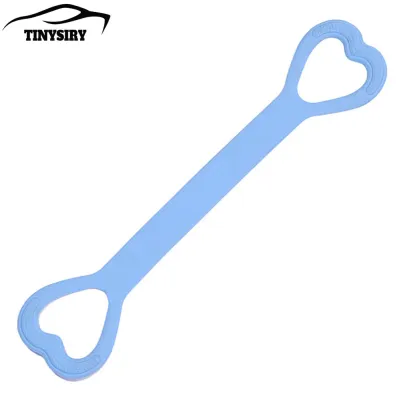
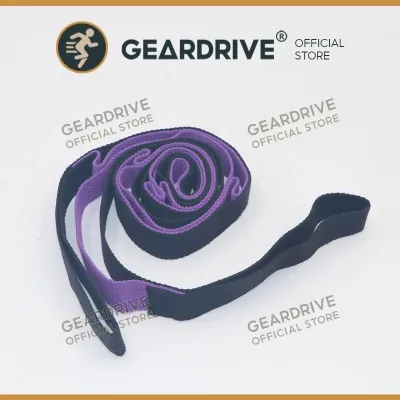
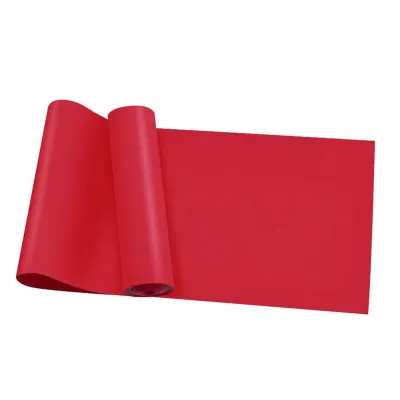
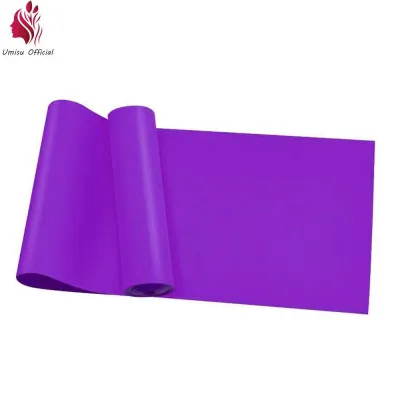
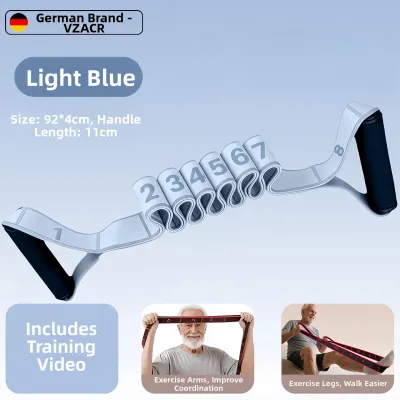

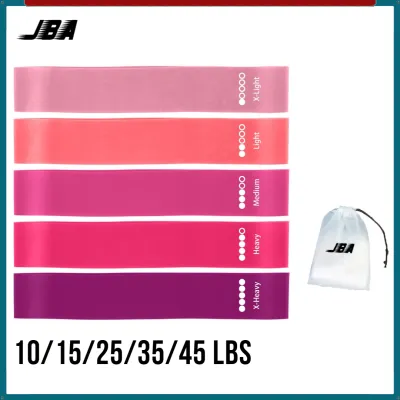
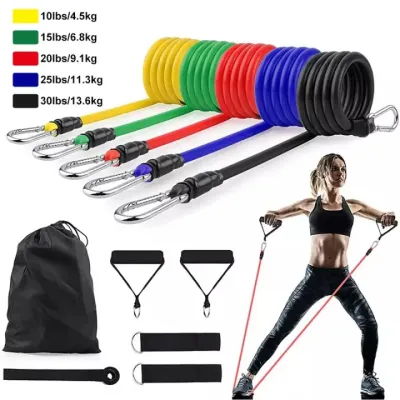
Prices are valid at publication and may change. Please refer to the product page for the latest price.
Color-coding systems vary significantly between manufacturers, meaning a green band from one brand might represent medium resistance, while a green band from another brand could represent light or even heavy tension. To avoid choosing the wrong level, you must bypass color assumptions and verify the actual tension specifications on the product packaging or the manufacturer’s official website. Look for tension values expressed in kilograms or pounds at specific elongation percentages. If you are purchasing bands from a local sports store or an online marketplace, check the product description for an intended user profile or therapy stage to guide your selection.
Matching Resistance to Your Rehabilitation Stage
During early-stage recovery, your primary clinical goals are to restore basic range of motion and gently activate dormant muscles. At this post-acute phase, you should utilize extra light or light resistance bands. The resistance must be minimal because healing tissues, such as repaired tendons or strained ligaments, cannot tolerate heavy loads. The focus here is on slow, deliberate movements that encourage blood flow and neuromuscular connection without placing mechanical stress on the injury site.

As your tissues heal and your mobility improves, you will transition into mid-stage recovery, which focuses on rebuilding muscular endurance and joint stability. During this phase, you can safely progress to a medium resistance band. This level of tension provides enough resistance to challenge your muscles through their full range of motion, helping to rebuild the supporting structures around your joints. Adhere strictly to the repetition and set ranges prescribed by your therapist during this transition, as overexertion can easily trigger a regression in your recovery.
Late-stage recovery prepares your body to return to daily activities, work tasks, or sports. At this point, you may progress to heavy or extra heavy resistance bands to simulate functional loads and build explosive or sustained strength. These thicker bands help prepare your musculoskeletal system for the unpredictable forces of daily life. However, you must remember that any progression between these stages should be explicitly cleared by a qualified physical therapist, as self-assessment often leads to premature upgrades and subsequent re-injury.
When to Progress: Safe Upgrades and the Pain-Free Rule
The most reliable guideline for advancing to a higher resistance level is the pain-free rule. Exercises performed with a physical therapy rubber band should never cause sharp pain, deep joint discomfort, or lingering soreness that persists long after your session. While mild muscle fatigue or a gentle burning sensation in the target muscle is normal, any discomfort that alters your movement patterns is a clear signal to stop.
You are generally ready to upgrade your resistance level when you can complete all prescribed sets and repetitions with perfect form, controlled speed, and minimal physical effort. If you find yourself finishing your routine without feeling challenged, and your joint stability remains intact, it may be time to discuss a higher tension band with your therapist. Perfect form means you can initiate and complete the movement smoothly, without jerking the band or using momentum.
Conversely, you must be vigilant for red flags that indicate a need to downgrade your resistance. If you find yourself shrugging your shoulders, arching your back, or twisting your torso to complete a movement, the band is too heavy. Compensatory movements transfer the load away from the target muscle to vulnerable joints. If you experience sudden pain, loss of movement control, or increased swelling after a session, immediately return to a lighter band or stop the exercises until you can consult your physical therapist.
Pre-Use Safety Checks and Band Maintenance
Before beginning any exercise session, performing a quick visual and tactile inspection of your physical therapy rubber band is essential for preventing painful snaps. Hold the band up to the light and run your fingers along its entire length, checking for micro-tears, small punctures, white stress marks, thinning areas, or frayed edges. Even a tiny nick in a rubber band can expand rapidly under tension, causing the band to snap unexpectedly and potentially strike your face or body.
The environment in which you store and use your bands plays a significant role in their longevity and safety, especially in hot and humid climates. Sweat, body oils, and high humidity can accelerate the degradation of natural rubber and latex materials. Always store your bands in a cool, dry place away from direct sunlight, sharp objects, and rough surfaces. After a sweaty workout, wipe your bands down with a damp cloth, let them air dry completely, and consider applying a light dusting of unscented talcum powder to prevent the rubber from sticking together.
If your inspection reveals any sign of structural compromise, loss of elasticity, or permanent stickiness, you must apply the absolute stopping condition: immediately discard the band and replace it. Investing a few hundred pesos (₱) in a new, high-quality replacement band is a small price to pay for maintaining a safe and uninterrupted rehabilitation journey.
Frequently Asked Questions (FAQ)
Is it safe to double up lighter bands for more resistance?
Doubling up or combining lighter bands to create more resistance is generally not recommended for physical therapy exercises. When you layer multiple bands together, they can rub against each other, creating friction that accelerates wear and increases the risk of a sudden snap. Additionally, combining bands alters the tension curve unpredictably, making it difficult to measure the exact force you are applying to your recovering joints.
Many manufacturers explicitly warn against knotting, looping, or stacking bands in their user manuals, as this can cause the bands to slip during use. If you find that your current band no longer provides sufficient challenge, the safest and most effective solution is to purchase a single, dedicated band at the next resistance level. This ensures a smooth, predictable resistance profile and minimizes the risk of equipment failure during your rehabilitation.
Community discussion
Share your experience or ask a question. Comments are reviewed before publication.