
Running in the Philippines presents a unique set of environmental challenges that can quickly turn an enjoyable workout into an uncomfortable ordeal. The combination of intense tropical heat, high relative humidity, and sudden, unpredictable downpours means that every piece of gear you wear must perform under pressure. For women runners, finding a suitable running beltbag is not just about carrying a smartphone or a house key; it is about securing essential items without sacrificing comfort, causing skin chafing, or risking water damage to expensive electronics. A generic waist pack often fails to meet these demanding local conditions, leading to annoying bouncing, trapped heat, or soaked belongings. This guide provides a comprehensive, condition-based framework to help you evaluate and select a running beltbag tailored to your specific body shape, running style, and storage needs, ensuring you make an informed choice for your daily training.
Evaluating Materials and Features for Tropical Weather
The tropical climate of the Philippines demands careful attention to fabric technology and construction details when selecting running gear. High humidity levels mean your body will sweat heavily, and any accessory pressed against your skin must manage this moisture effectively. Look for beltbags made from advanced moisture-wicking synthetic fabrics, such as nylon blends, polyester, or specialized Lycra. These materials are designed to pull sweat away from your body and spread it across the fabric surface for rapid evaporation, which helps prevent the buildup of dampness that can lead to skin irritation and bacterial growth. Breathability is equally critical; choosing a beltbag with a backing made of 3D spacer mesh or perforated panels allows air to circulate between the pack and your waist, keeping your skin cooler during long runs under the sun.
Understanding the distinction between water-resistant and fully waterproof materials is vital for protecting your valuables during sudden tropical downpours. Water-resistant fabrics, often treated with a durable water repellent (DWR) coating, can withstand light drizzle or brief splashes, allowing water to bead up and roll off the surface. However, during a heavy monsoon rain or an intense afternoon thunderstorm, water-resistant materials will eventually saturate. If you frequently run outdoors during the rainy season, prioritize beltbags featuring fully waterproof membranes, TPU (thermoplastic polyurethane) linings, or integrated waterproof inner pockets. Additionally, check for water-resistant zippers, which often feature a rubberized laminate coating over the teeth to block moisture from seeping through the closure.
Products mentioned in this guide
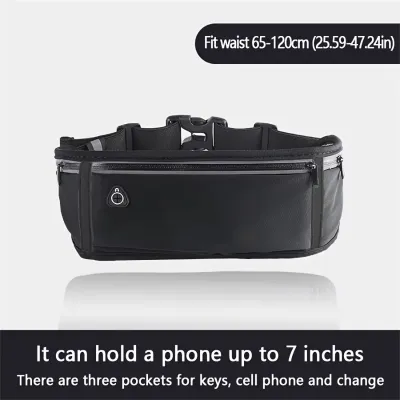
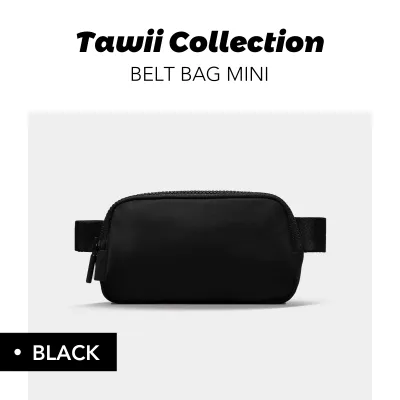
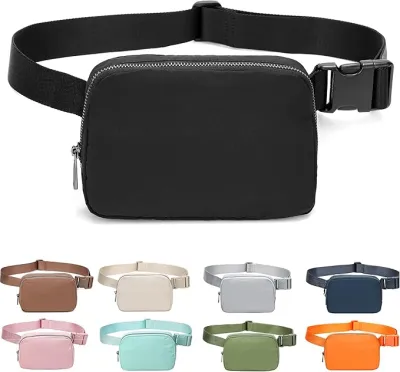
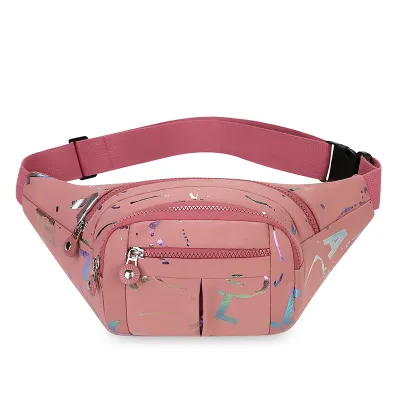
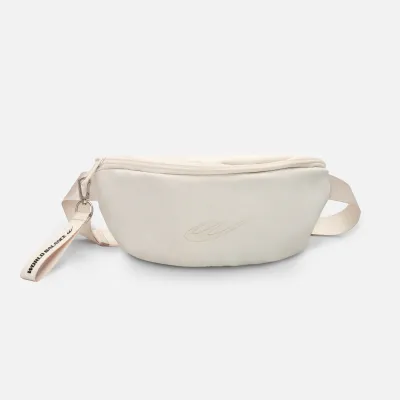
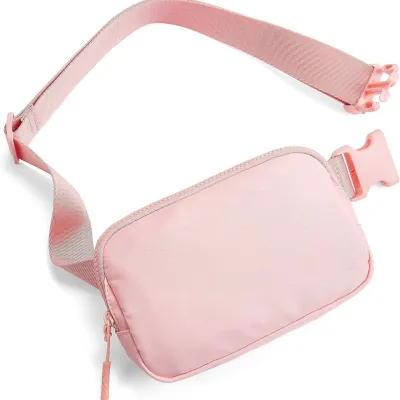
Prices are valid at publication and may change. Please refer to the product page for the latest price.
The physical construction of the beltbag plays a massive role in preventing painful chafing and friction on damp skin. When you run, the repetitive motion of your stride can cause even minor seams or rough edges to rub against your waistline, especially when the skin is softened by sweat. Examine the seam construction of any beltbag you consider, looking for flatlock seams or heat-bonded edges that lie completely flat against your body. Hardware placement is another critical factor; plastic buckles, adjusters, and zipper pulls should be positioned away from direct contact with your skin, ideally cushioned by a soft fabric flap or integrated into the elastic band itself. Soft, bound edges made of microfiber or brushed fabric can further minimize friction, ensuring the beltbag remains comfortable even during high-mileage training sessions.
Sizing and Capacity: Matching the Bag to Your Gear and Fit
Achieving a secure, bounce-free fit requires a precise match between the physical dimensions of your gear and the structural design of the beltbag. The most common item carried by runners is a smartphone, which has grown significantly in size and weight over recent years. Before purchasing a beltbag, verify its compartment dimensions against your specific phone model, taking into account any protective case you use. Look for flexible, high-stretch fabrics like elastane or neoprene that expand to accommodate larger devices while keeping them snugly pressed against your body to prevent movement. Pay close attention to the zipper opening length; a pocket might have a large internal volume but a narrow opening that makes inserting or retrieving a large phone difficult while on the move.

The adjustability and width of the belt strap are fundamental to accommodating different female body shapes and preventing the bag from riding up or shifting. Women’s hips and waists vary widely, and a beltbag must be versatile enough to sit securely where it feels most comfortable for you. Wide, elasticized straps distribute pressure more evenly across the hips or waist, reducing the likelihood of the belt digging into your skin or restricting your breathing. Look for dual-adjustment systems that allow you to tighten or loosen the strap from both sides, ensuring the storage compartment remains centered on your body. Testing the placement is key: some runners prefer the beltbag to sit low on the hips to anchor it against the pelvic bones, while others find a high-waist placement more stable, depending on their natural waist-to-hip ratio.
Balancing your storage needs without adding unnecessary bulk or weight is an art that directly impacts your running mechanics. A beltbag that is overloaded will inevitably bounce, sag, or pull on your lower back, disrupting your stride and causing fatigue. Carefully catalog your daily running essentials, which typically include energy gels, a house key, an identification card, some cash, and wireless headphone cases. Look for beltbags that feature internal dividers, dedicated key clips, or separate small pockets. These design elements keep hard items like keys from scratching your phone screen and prevent smaller items from shifting around. By selecting a bag with a low-profile silhouette that compresses flat when empty, you can maintain a streamlined form while still carrying everything necessary for a successful run.
Scenario-Based Selection Guide for Different Running Styles
Different running activities demand distinct beltbag designs to optimize performance, comfort, and utility. For long-distance running and marathon training, your primary needs are high capacity and efficient organization. During extended training runs in hot weather, you must carry multiple energy gels, salt tablets, and potentially small hydration flasks. Look for specialized marathon belts that feature external elastic loops for quick-access nutrition, integrated toggles for race bibs, and dedicated holsters for soft flasks. Even weight distribution is critical here; a beltbag that distributes weight horizontally around your entire waist, rather than concentrating it in a single front or back pocket, will minimize muscle strain and prevent bouncing over hours of continuous movement.
For minimalist and short-distance runs, such as a quick morning jog around your neighborhood or a track session, a heavy, multi-pocket beltbag is unnecessary. Instead, focus on ultra-lightweight, low-profile tube or band designs. These modern running bands are constructed as a continuous loop of highly elastic, breathable fabric with multiple slit openings around the perimeter. They slide up over your feet or hips and sit flat against your waist, virtually disappearing under or over your running shirt. A high-quality running band can securely hold a large smartphone, a single key, and an emergency card flat against your body, eliminating bounce entirely while maximizing airflow and freedom of movement during short, fast efforts.
Trail running and navigating uneven terrain introduce unique physical forces that require a highly stable and durable beltbag. As you jump over rocks, run down steep slopes, and navigate winding paths, a standard waist pack is highly prone to shifting and twisting. To counter this, prioritize trail-specific beltbags that feature robust compression straps, which allow you to tighten the pack closer to your body as you consume your hydration or nutrition. Look for secure zipper locks or hook-and-loop closures that will not accidentally slide open under intense vibration. Additionally, the exterior materials must be highly durable and abrasion-resistant, such as ripstop nylon, to withstand occasional scrapes from low-hanging branches, brush, or accidental falls on rough trail surfaces.
Verifying Product Claims and Seller Reliability Before Purchase
With the abundance of running accessories available on online marketplaces, verifying product claims before making a purchase is essential to avoid low-quality counterfeits or poorly designed gear. Start by cross-referencing the manufacturer’s stated material properties and capacity claims with verified user reviews. Look specifically for feedback from runners who have used the beltbag over several months, paying close attention to comments regarding long-term stretch retention. Cheap elastic bands often lose their tension after a few washes, leading to permanent sagging and bouncing. Additionally, search reviews for mentions of zipper durability, as a broken zipper instantly renders a beltbag useless; look for high-quality zipper brands or reinforced stitching around the zipper track.
When shopping on ecommerce platforms, always verify the seller’s credentials to ensure a secure transaction and reliable customer support. Prioritize official brand stores, authorized distributors, or highly rated local sellers with a proven track record of positive feedback. Check the store’s return and exchange policies, particularly regarding fit and sizing issues, as a beltbag that does not fit your body shape correctly cannot be used effectively. Reliable sellers will provide detailed, accurate product descriptions, including precise physical dimensions, material compositions, and clear instructions on how to measure your waist or hips to select the correct size.
Be vigilant for common red flags in product listings that often indicate substandard quality. Vague fabric descriptions, such as simply listing “synthetic material” or “waterproof fabric” without specifying the actual composition (like nylon, TPU, or elastane), are major warning signs. While budget options under ₱500 may seem appealing, investing in a durable beltbag prevents the need for frequent replacements. Be skeptical of listings that feature unrealistic storage promises, such as showing a tiny, ultra-slim beltbag holding a massive phone, a bulky set of keys, and a water bottle simultaneously without any visible bulging. Missing dimension specifications or a lack of close-up photos showing the inner seams, buckles, and zipper construction should also prompt you to look elsewhere for a more transparent and reliable product.
Frequently Asked Questions (FAQ)
Can I wash my running beltbag in a washing machine?
To maintain the elasticity, shape, and overall integrity of your running beltbag after heavy, sweaty runs, proper cleaning is essential. Always begin by checking the manufacturer’s care label for specific washing and drying instructions, as some materials may have unique requirements. As a general rule, hand-washing in cool water with a mild, liquid detergent is the safest method to preserve the delicate elastic fibers and technical coatings of the fabric. If you choose to use a washing machine, place the beltbag inside a mesh laundry bag to prevent the straps and buckles from tangling or snagging on the drum. Use a gentle cycle with cold water, and never use fabric softeners, which can clog the pores of moisture-wicking fabrics. Always air-dry the beltbag flat or hang it up in a shaded, well-ventilated area; never use a tumble dryer, as high heat will rapidly degrade the elastic fibers and melt any water-resistant laminates.
How do I prevent my phone from overheating inside the beltbag?
Running in the intense tropical heat of the Philippines can cause smartphones to overheat quickly, leading to thermal throttling, rapid battery drain, or even temporary hardware shutdown. To protect your device, select a running beltbag that features a breathable mesh back panel or a moisture-wicking barrier fabric between the main compartment and your body. This design prevents your body heat and sweat from transferring directly to the phone. When wearing the beltbag, position the phone compartment away from direct, prolonged sunlight; for example, wearing the pouch on your back or slightly to the side can provide shade from your body. Additionally, avoid running resource-heavy apps in the background, keep your phone’s screen turned off, and consider removing bulky protective phone cases before placing the device inside the beltbag to allow for better heat dissipation.
Community discussion
Share your experience or ask a question. Comments are reviewed before publication.