
Flying a saranggola is a classic outdoor activity that brings multiple generations together under the open sky. When you are planning a family outing with children of varying ages, the key to a successful day is selecting kites that match each flyer’s physical strength, coordination, and attention span. Instead of buying a single style for everyone, a diverse mix of kite designs ensures that toddlers, school-age children, and adults can all participate without frustration.
Choosing the right gear requires understanding how different shapes behave in the air and how much physical effort they demand. A kite that is too large can easily drag a young child across the grass, while a kite that is too complex might leave an older child bored during setup. By matching the right design to each age group, you can create a safe, engaging, and harmonious outdoor experience for the entire household.
Understanding Basic Kite Designs for Beginners
To make an informed choice, you must first understand the fundamental kite shapes available on the market and how their geometry influences flight. The delta kite, characterized by its triangular shape, and the classic diamond kite are the most reliable options for beginners. These designs feature a wide surface area that catches light breezes easily, allowing them to launch with minimal effort and remain stable in low-wind conditions. They are highly forgiving of erratic hand movements, making them excellent teaching tools for young children.
Products mentioned in this guide
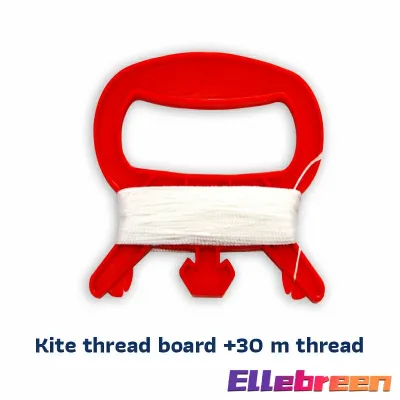
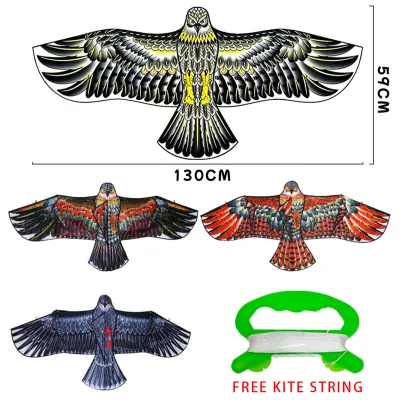
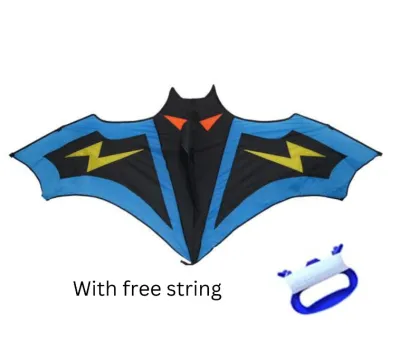
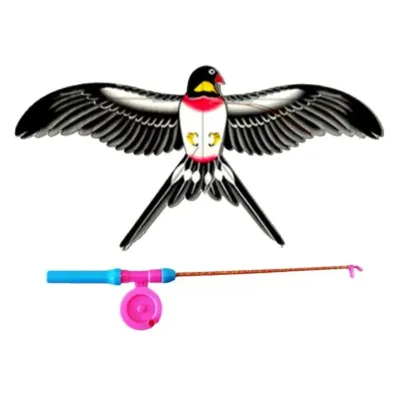

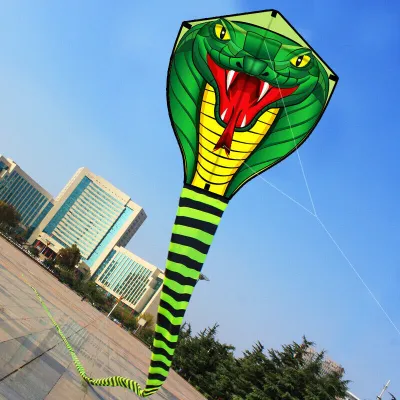
Prices are valid at publication and may change. Please refer to the product page for the latest price.
For families who travel frequently or prefer minimal setup, parafoil and soft kites offer an alternative design. These kites lack a rigid frame or spars, relying instead on air pockets sewn into the fabric to inflate and hold their shape. Because they have no fiberglass or wooden rods to break, they can be stuffed directly into a pocket or a small carrying bag. This assembly-free design means you can unpack them and start flying immediately, which is particularly useful when keeping impatient toddlers entertained.
On the other end of the spectrum are box and cellular kites, which feature three-dimensional geometric structures. These designs require stronger, more consistent winds to lift and maintain altitude, as their frames create more drag than flat kites. Box kites are ideal for older children and adults who want to explore structural aerodynamics and enjoy a more physical flying experience. Their rigid frames provide excellent stability in high-wind conditions, but they require careful assembly and a solid understanding of line tension.
Matching Kite Types to Age Groups and Skill Levels
Selecting the perfect saranggola requires a clear assessment of your family members’ physical abilities and cognitive focus. Young children often lack the hand-eye coordination and grip strength needed to manage high-tension lines, whereas teenagers may find simple, passive kites unengaging. As children grow, their relationship with the kite transitions from simply watching a colorful object in the sky to actively manipulating the line to perform maneuvers.

By categorizing your purchases by age group, you ensure that everyone has a kite they can control independently. This independence builds confidence and allows parents to enjoy their own flying time rather than constantly troubleshooting tangled lines or crashed frames.
Toddlers and Preschoolers (Ages 2–5)
For the youngest members of the family, the primary goal of flying a saranggola is sensory engagement and basic physical play. Toddlers and preschoolers do best with compact delta kites or small, frameless parafoils that feature very short tails. These lightweight designs require minimal pulling force, ensuring that a sudden gust of wind will not pull the line out of a child’s hand or cause them to lose their balance.
When selecting a kite for this age bracket, look for models that feature pre-attached lines and simple, oversized plastic handles. These handles are designed for small hands to grip securely with both fists, reducing the likelihood of the line slipping away. Bright, high-contrast colors and whimsical patterns, such as sea creatures or birds, are highly recommended to help young children track the kite visually against the bright sky. At this stage, the child is primarily learning the cause-and-effect relationship between running and lifting the kite into the air.
School-Age Children (Ages 6–12)
As children enter school age, they develop the coordination and patience required to manage more dynamic kites. Medium-sized diamond or delta kites are excellent choices for this group, as they introduce the fundamentals of steering and line tension control. Children in this age range can learn to feel the wind’s resistance through the string, practicing when to let out more line and when to reel it in to maintain a stable flight.
Durability is a critical factor for school-age flyers, as their kites will inevitably experience occasional hard crashes. Single-line setups made from robust sail materials, such as ripstop polyester, can withstand repeated impacts with the ground without tearing. Additionally, look for kites that feature adjustable tail attachments. Teaching your child how to add or remove tails to tune the kite’s stability in changing breezes introduces basic physics and problem-solving in a practical, hands-on way.
Teens and Adults
Teenagers and adults generally seek a more active, challenging, or cooperative flying experience. For this group, large delta kites, complex box designs, or introductory dual-line stunt kites are highly appropriate. Dual-line kites allow the flyer to steer the saranggola left, right, and in complete loops, transforming a passive hobby into an active sport that requires focused coordination and quick reflexes.
These advanced designs come with higher pull force requirements and more intricate assembly steps, such as tensioning fiberglass spars and securing bridle lines. Flying a larger or dual-line kite can also become a collaborative group activity. Family members can work in pairs, with one person launching the kite and the other managing the dual handles, fostering teamwork and shared accomplishment during your outdoor excursions.
Essential Features to Evaluate Before Purchase
Before finalizing your purchase at a local shop or an online marketplace, you should carefully evaluate the physical and material attributes of each saranggola. The frame material is the backbone of the kite and directly dictates its durability and weight. Fiberglass spars are highly recommended for family kites because they are flexible, affordable, and highly resistant to snapping during rough landings. Carbon fiber is lighter and stiffer, offering superior performance in light winds, but it is generally more expensive and suited for advanced flyers. Traditional bamboo or wooden spars are common in local artisan kites; while they offer a classic feel, they require careful storage to prevent warping in humid environments.
The sail material is equally important for long-term durability, especially in tropical climates. Ripstop nylon and high-density polyester are the industry standards for quality kites because they resist tearing, UV damage, and moisture absorption. Cheap plastic sails are prone to stretching and tearing after a few flights, which can quickly ruin a family day out.
You must also inspect the line and handle assembly. Ensure the line length and thickness match the kite’s size; larger kites require heavier test lines to prevent snapping under high tension. Ergonomic handles or hoop winders are essential for preventing hand fatigue, especially for children who may struggle with small, sharp-edged plastic spools. Finally, verify the tail requirements. Long, lightweight ribbon tails are not just decorative; they provide essential drag that stabilizes the kite’s nose in turbulent air, making it much easier for beginners to keep their saranggola airborne.
Safety and Setup Guidelines for Group Flying
Prioritizing safety is essential when organizing a group flying session, particularly when children of different ages are running around the same area. Before launching any kite, check the manufacturer’s wind range and weight specifications printed on the packaging or product label. Attempting to fly a kite outside its recommended wind limits can result in structural failure or a complete loss of control.
Always select an open, flat flying site that is entirely free of overhead hazards. Never fly a saranggola near power lines, busy roads, airports, or crowded beach areas. If a kite does become entangled in a power line or tree near electrical infrastructure, do not attempt to retrieve it yourself; contact local utility professionals immediately.
To prevent physical injuries, consider having older children and adults wear lightweight protective gloves when flying larger kites that generate significant pull. High-tension nylon strings can cause painful friction burns or cuts if allowed to slide quickly through bare hands. Keep a safe distance between flyers to prevent lines from tangling, and supervise young children closely to ensure they do not run into the paths of other flyers.
Finally, establish clear stop conditions for your outing. If you observe sudden, violent wind gusts, heavy rain, or signs of an approaching tropical storm, ground all kites immediately. Lightning is an extreme hazard for kite flyers, as wet lines can conduct electricity; safety must always take precedence over continuing the activity.
Building Your Family Kite Shortlist
When building your family’s kite collection, aim to create a balanced bundle that accommodates everyone’s needs without overcomplicating your gear bag. A practical starter set for a family of four might include one small parafoil for a toddler, one medium delta kite for a school-age child, and one larger delta or dual-line kite for teens and adults. This combination ensures that everyone has an age-appropriate option to fly simultaneously, reducing waiting times and keeping energy levels high.
Before purchasing from an online marketplace or local specialty retailer, verify their return policies and the availability of replacement parts. Spars can break and connectors can get lost in the grass, so choosing brands that offer replacement rods, connectors, and extra tails will extend the lifespan of your investment.
When budgeting for your outing, keep in mind that a reliable, durable saranggola typically ranges from ₱300 to ₱1,500, depending on the size and materials. It is wise to allocate a portion of your budget for essential accessories, such as high-quality line winders, protective gloves, and a dedicated carrying bag to keep your lines organized and tangle-free between trips. Investing in durable gear upfront ensures that your family outings remain stress-free and filled with successful flights.
Frequently Asked Questions (FAQ)
What is the ideal wind speed for flying a beginner saranggola?
Beginner kites generally perform best in gentle to moderate breezes, typically ranging from 6 to 15 miles per hour (approximately 9 to 24 kilometers per hour). You can easily assess the wind speed without specialized tools by observing your surroundings. If leaves on the trees are rustling and you can feel a steady breeze on your face, conditions are usually ideal. If large tree branches are swaying or dust is being whipped up from the ground, the wind may be too strong for beginners. Always check the manufacturer’s specified wind range on the kite’s packaging before launching.
How do I untangle kite lines safely without damaging them?
Untangling kite lines requires patience and a systematic approach to avoid weakening the fibers. Start by laying the tangled line flat on a smooth surface, such as grass or sand, and locate the loose ends. Work from one end of the line, gently feeding the loose end through the loops of the knot rather than pulling the entire bundle tight. Avoid pulling hard on any knots, as excessive tension can tighten the knot permanently or create friction that damages the string. If a knot is particularly stubborn, rolling it gently between your fingers can help loosen the fibers enough to untangle them safely.
Community discussion
Share your experience or ask a question. Comments are reviewed before publication.